In today's fast-paced digital landscape, reliable connectivity solutions are essential. One key player in this domain is the Armored Patch Cable. These cables combine durability with performance, making them suitable for various environments. Users often face challenges when selecting the right cables for their needs.
Armored Patch Cables feature a protective layer that helps resist damage from external factors. This added security can be crucial in industrial settings or areas prone to interference. Furthermore, these cables can enhance signal integrity, ensuring that data transmission remains stable and fast. However, not all armored cables are created equal, leading to potential confusion for customers.
It’s important to reflect on the specific requirements when choosing the right Armored Patch Cable. Not every environment demands heavy-duty options. Users must weigh the pros and cons of price versus performance. Investing in high-quality cables may seem daunting, but the right choice can significantly impact connectivity reliability.
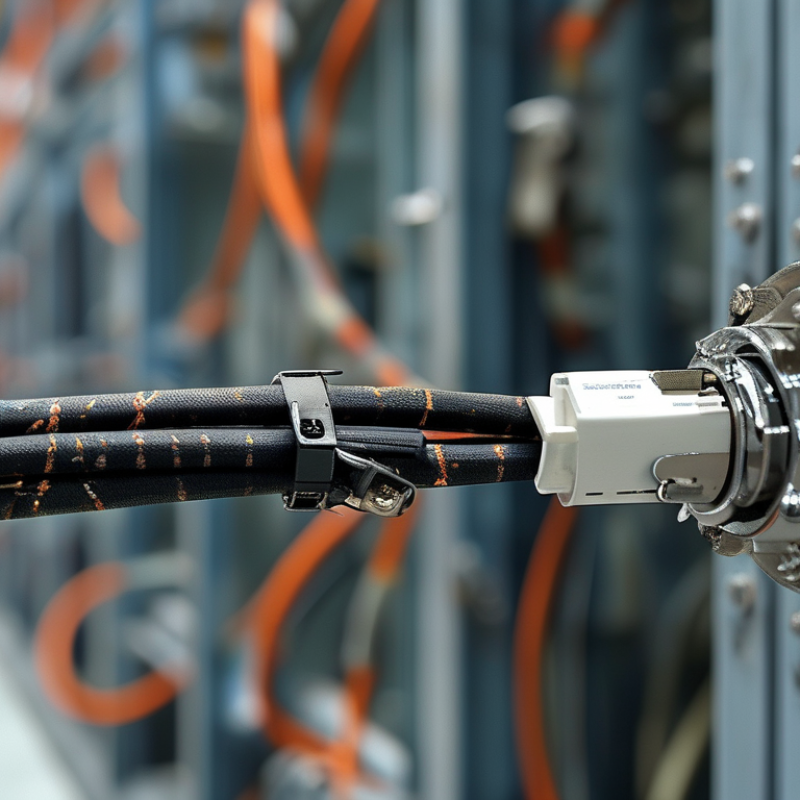
Armored patch cables are essential for ensuring reliable connectivity in various environments. These cables are designed with protective layers that guard against physical damage and electromagnetic interference. According to industry data, around 30% of network failures are linked to cable damage. This underscores the significance of investing in armored solutions.
The benefits of armored patch cables extend beyond durability. They minimize signal loss, leading to superior performance. Research indicates that networks incorporating armored cables experience 20% fewer downtime incidents. This improvement correlates directly with increased overall operational efficiency. Businesses are more productive and can reduce costs associated with network repairs.
Despite the advantages, it’s important to consider installation challenges. Armored cables can be bulkier, making them less flexible in tight spaces. This might complicate routing in smaller network rooms. Proper planning and installation practices are crucial. Realizing the vulnerabilities in standard cables is a reflection of the need for superior products in demanding settings. Balancing these factors is vital for optimal network performance.
When seeking reliable connectivity solutions, selecting the best armored patch cables in China is crucial. These cables stand out due to their robust construction, which offers exceptional protection against physical damage. They are designed to withstand harsh environments, making them suitable for both indoor and outdoor applications. The outer armor adds an extra layer of durability, reducing the risk of wear and tear over time.
One key feature to consider is flexibility. While durability is important, cables need to remain flexible for easy installation. A well-designed armored patch cable balances strength with ease of use. Temperature resistance is another factor. Cables that can perform well in extreme temperatures ensure consistent connectivity, even in challenging conditions.
Tips: Always check the specifications before purchasing. Look for cables with high shielding effectiveness to eliminate interference. Ensure compatibility with your devices for optimal performance. Reflect on how often you upgrade your equipment. Investing in high-quality cables can reduce long-term costs and improve network reliability.
When evaluating armored patch cables, material selection plays a critical role. High-quality cables typically utilize robust materials, enhancing durability and performance. Common materials include steel and aluminum. These metals provide excellent protection against physical damage. They also help in shielding against electromagnetic interference, which is essential for reliable connectivity.
However, it’s not all straightforward. While armored cables are known for their protective qualities, the specific types of materials can affect flexibility. For example, steel offers great strength but can be rigid. This rigidity may make installation more challenging. Aluminum, on the other hand, is lightweight but may not offer the same level of protection.
Environmental factors also come into play. Some materials respond differently to temperature and moisture. Users should consider their specific settings and choose materials that will hold up over time. There are trade-offs in terms of cost, performance, and necessary protection levels. Being aware of these details can make a significant difference when selecting the best armored patch cable.
In today's digital landscape, reliable connectivity solutions are essential. Armored patch cables have gained attention for their ability to provide strong, consistent connections. These cables are ideal in various applications, such as data centers, industrial environments, and telecommunications. A report from the International Data Corporation (IDC) indicates that 70% of data breaches occur due to faulty connections. This statistic highlights the importance of using durable and reliable connectivity solutions.
Armored patch cables are designed to withstand harsh conditions. In industrial settings, they can resist physical damage. According to research from MarketsandMarkets, the global armored cable market is projected to reach USD 1.5 billion by 2026. This growth reflects the increasing demand for secure connections that can endure the rigors of operational environments. Moreover, they are beneficial in data centers, where equipment is densely packed, and every connection counts.
However, not all armored cables offer the same level of protection. It's crucial to evaluate the materials and technology used in their construction. A lack of proper testing could lead to failures. The importance of quality assurance cannot be overstated. Investing in reliable connectivity options not only enhances performance but also minimizes risks associated with connectivity failures.
This chart illustrates the estimated number of users (in thousands) for various applications of armored patch cables, underscoring their importance in multiple sectors including offices, data centers, home usage, industrial applications, and telecommunications.
When selecting an armored patch cable, consider the environment where it will be used. If the cable will be exposed to harsh conditions, durability is crucial. Look for materials that can withstand abrasion, moisture, and extreme temperatures. The outer layer of the cable should be made of tough materials like armored steel or heavy-duty plastic. This choice greatly enhances its longevity and performance.
Next, evaluate the cable length you need. Longer cables can introduce signal loss, while shorter ones are easier to manage but may not reach distant connections. Pay attention to the specifications, including bandwidth capacity. Always check if the cable supports your network speed requirements. It's essential to find a balance between length and performance.
Perfection is rare in every product. Some cables can be bulky or difficult to route through tight spaces. Test the flexibility before purchasing. Sometimes, a less rigid option may serve better in confined areas. This requires thoughtful selection, as the ideal cable aligns with both functional needs and practical limitations.
| Parameter | Description | Importance |
|---|---|---|
| Cable Length | Variety of lengths available (1m to 100m) | Ensure compatibility with your installation space |
| Connector Type | Options for LC, SC, ST, etc. | Necessary for device compatibility |
| Armoring Material | Steel, aluminum, or composite options | Protects against physical damage |
| Data Transmission Rate | Standard rates like 1Gbps, 10Gbps | Affects network performance |
| Jacket Material | PVC, LSZH, and PUR available | Influences flexibility and fire safety |
| Environmental Rating | Indoor vs outdoor rated cables | Critical for installation location |
: Armored patch cables are designed with protective layers against physical damage and electromagnetic interference.
They help prevent network failures caused by cable damage, which accounts for around 30% of issues.
They minimize signal loss, leading to fewer downtime incidents and increased operational efficiency.
Installation can be challenging due to their bulkiness. Proper planning is essential for tight spaces.
Look for robust construction, flexibility, and temperature resistance to ensure durability in various environments.
Always check specifications for high shielding effectiveness and compatibility with your existing devices.
Quality cables can reduce long-term repair costs and enhance overall network reliability.
They can be less flexible, which may complicate installation in small network areas.
Cables designed for temperature resistance maintain consistent connectivity even in challenging environments.
Yes, considering how often you upgrade can inform your investment in high-quality, reliable cables.
Armored patch cables are essential for ensuring reliable connectivity solutions in various environments. These cables are designed with a protective layer that enhances durability and resistance to damage, making them particularly suitable for high-traffic areas or industrial applications. Key features of the best armored patch cables include superior shielding, flexibility, and compatibility with a wide range of networking equipment.
When selecting an armored patch cable, it's important to consider the materials used, as this impacts the cable's performance and longevity. Different materials may offer varying levels of protection and flexibility, catering to specific connectivity needs. Understanding the applications and use cases for armored patch cables can help users make informed decisions that align with their connectivity requirements. Overall, investing in high-quality armored patch cables is a proactive measure to ensure long-lasting and reliable network performance.
KOCENT OPTEC