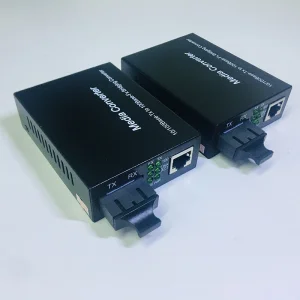
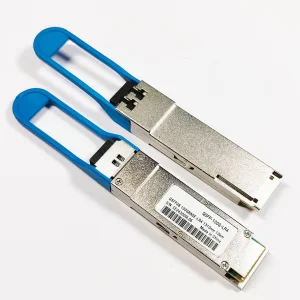
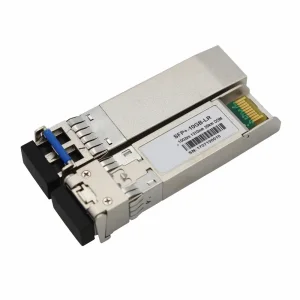
Direct factory quotes for telecom and data center architectures. Fully MSA-compliant, tested, and certified.
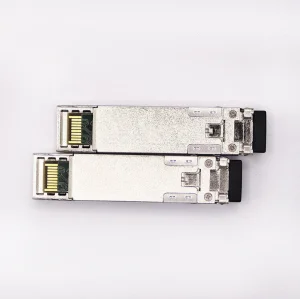
Modern telecommunications, edge computing, and hyper-scale data centers demand an unprecedented volume of data throughput with minimal latency and high power efficiency. Optical transceivers serve as the critical hardware links facilitating this data-intensive era. Historically, standard Small Form-factor Pluggable (SFP) modules operating at 1.25 Gb/s have evolved significantly. Today, we focus on SFP+ (10G to 25G), SFP28 (25G), QSFP+ (40G), QSFP28 (100G), and the next-generation QSFP-DD (400G and 800G) form factors.
Choosing the right transceiver layout requires careful planning around optical budget, link distance, and fiber type (Single Mode vs. Multi-Mode). For example, short-reach (SR) applications rely on cost-efficient VCSEL (Vertical-Cavity Surface-Emitting Laser) arrays over OM3/OM4 multi-mode fibers. Long-reach (LR) networks deploy Distributed Feedback (DFB) or Electro-absorption Modulated Lasers (EML) operating at 1310nm or 1550nm over single-mode fibers to manage chromatic dispersion over distances from 10km up to 40km or 80km.
By leveraging mature manufacturing methods and comprehensive optical testing platforms, Kocent Optec Limited helps partners avoid signal degradation, minimize Bit Error Rates (BER), and maintain complete Multi-Source Agreement (MSA) compatibility across all major enterprise network platforms.

Connecting networks across continents. Proven reliability validated by international operators.
Architectures tailored for high-speed fiber-to-the-home, hyperscale networks, and backbone links.
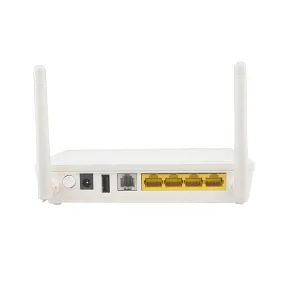
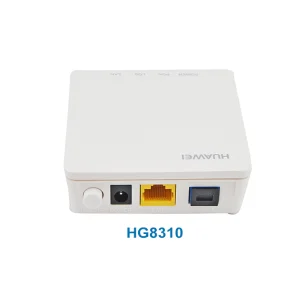
Direct supply of GPON/EPON ONU and ONT components, including Huawei compatibility and robust BIDI (Bi-Directional) single-fiber modules, maximizing fiber utilization for last-mile deployments.
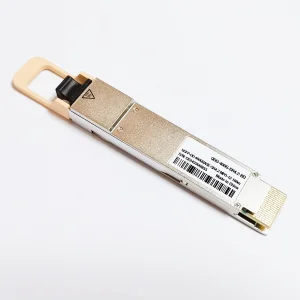
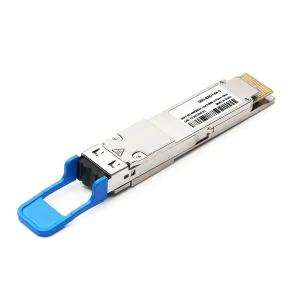
High-density 100G, 200G, and 400G QSFP transceivers designed to handle large traffic bursts in multi-tenant data centers. Leveraging PAM4 modulation technology to achieve reliable long-distance links up to 10km.
Advanced passive multiplexing (CWDM/DWDM) integrated with long-haul transceivers to expand metro network capacities without digging up roads to lay additional dark fiber lines.
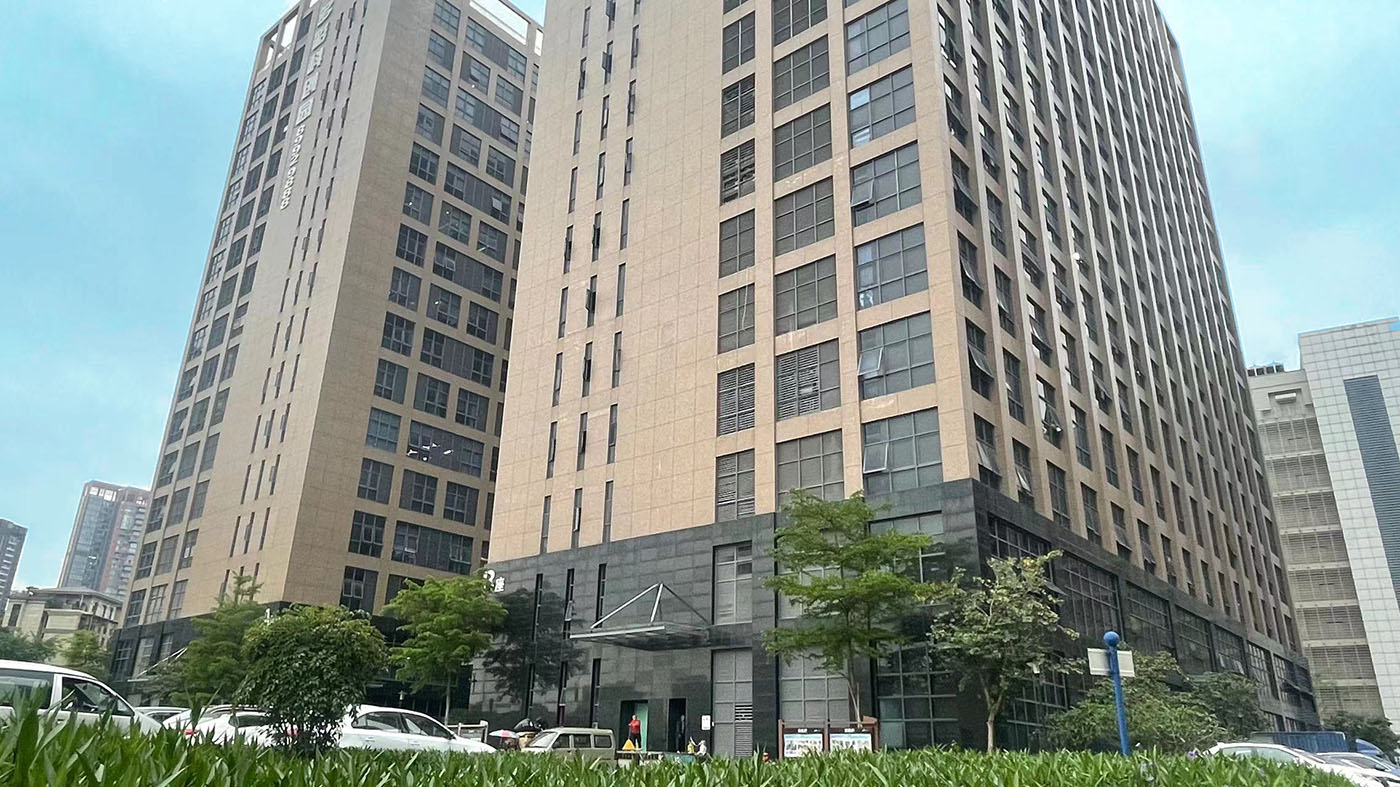
Kocent Optec Limited, established in 2012 in Hong Kong as a high-tech communication enterprise, is one of China's leading fiber optic termination product manufacturers and solution providers. We are dedicated to developing and manufacturing fiber optic communication products ranging from passive to active categories for telecommunication networks, enterprise networks, and data centers.
By leveraging our extensive experience and excellent production capacity we gained over the years, we magnify the outcome for our valuable customers, which ultimately expands their core competencies and helps them outperform competitors. We place emphasis on customer collaboration, and we define ourselves as your valuable partner in fiber optic connection solutions. We believe our differentiators are your perceived advantages.
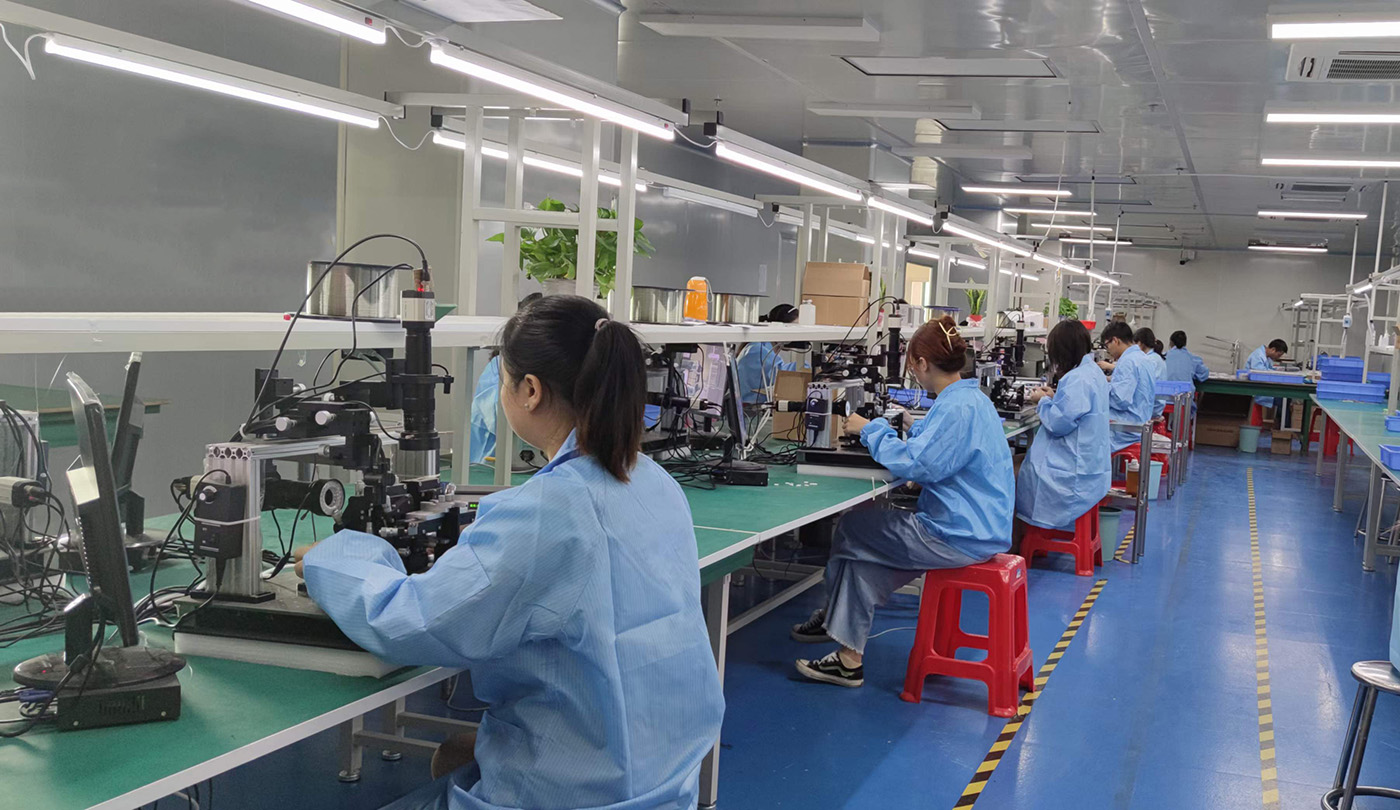
With more than 13 years of experience in manufacturing telecommunication fiber optic products, we follow strictly fiber optic industry standards by using mature scientific methods to deliver your products on time and ensure that 100% products are tested and inspected before shipment. Years of sales and service experience have enabled us to win customers from different regions. Today, we have customers from East Asia, Southeast Asia, Middle East, Eastern Europe, Western Europe, Northern Europe, South America, North America, North Africa, and South Africa.
Win-win cooperation is our constant goal. Many of our OEM and ODM products won telecom operator tenders and satisfy end-user requests. Every transceiving module undergoes rigorous automated loopback testing, optical eye diagram verification, and temperature cycling in our state-of-the-art testing lab. This maintains compatibility and ensures the modules operate flawlessly across Cisco, Juniper, Huawei, Arista, and other major hardware platforms.
A breakdown of optical transceiver form factors, physical interfaces, and application scopes.
| Form Factor | Max Data Rate | Modulation Scheme | Typical Media Option | Common Applications |
|---|---|---|---|---|
| SFP+ | 10 Gb/s | NRZ | MMF (OM3/OM4) / SMF | Enterprise networks, baseline telecom backhaul, storage area networks (SAN). |
| SFP28 | 25 Gb/s | NRZ | MMF / SMF (BIDI option available) | 5G front-haul networks, next-gen 25G enterprise switches. |
| QSFP+ | 40 Gb/s | NRZ | MPO Parallel MMF / Duplex SMF | Data center spine-leaf interconnects, legacy campus cores. |
| QSFP28 | 100 Gb/s | NRZ / PAM4 | MPO-12 / Duplex LC SMF | Hyperscale data center links, high-speed core routers. |
| QSFP56 | 200 Gb/s | PAM4 | Duplex LC / MPO-12 MMF | High-performance computing (HPC) nodes, high-density distribution switches. |
| QSFP-DD | 400 Gb/s / 800 Gb/s | PAM4 / Coherent | MPO-12 / Duplex LC / CS Connectors | AI clusters, cloud core routing, ultra-high bandwidth cloud backbones. |
Addressing core technical questions from networks engineers and purchasing managers globally.
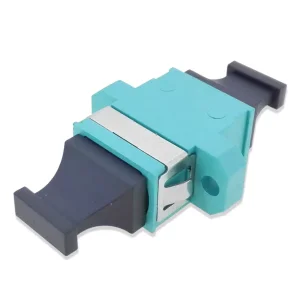
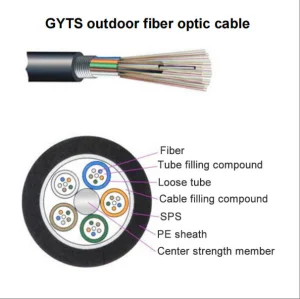
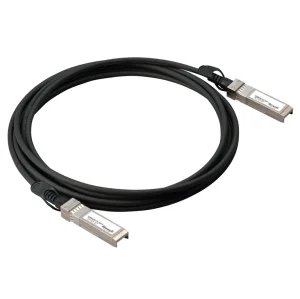
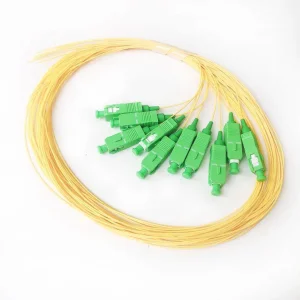
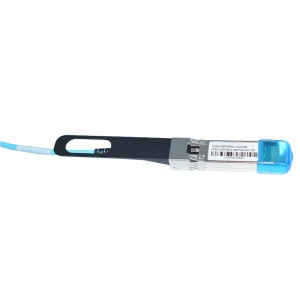
Complete your deployment with premium splitters, DAC/AOC breakout cables, and outdoor trunk lines.
 KOCENT OPTEC