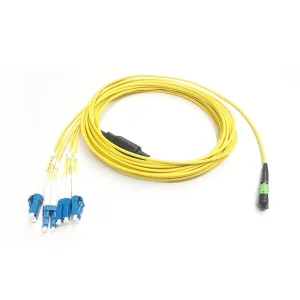
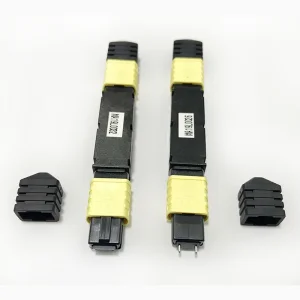
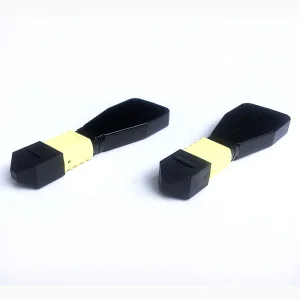
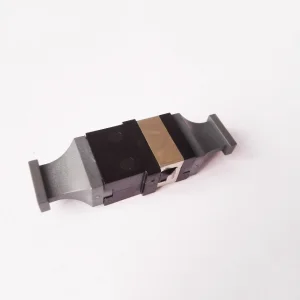
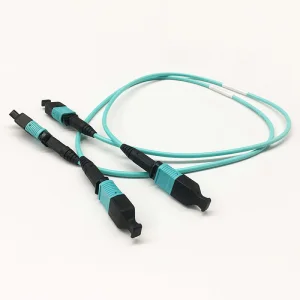
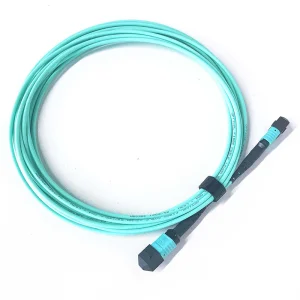
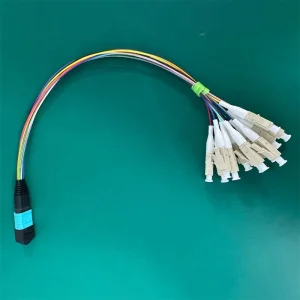
Modern hyper-scale data centers, artificial intelligence clusters, and cellular cloud cores are demanding unprecedented bandwidth. Traditional single-fiber connectors (such as LC or SC) are no longer sufficient to scale up within space-constrained cabinets. This physical limitation has accelerated the global adoption of Multi-Fiber Push-On (MPO) and Multi-Fiber Termination Push-On (MTP) connectors.
By grouping multiple optical fibers into a single modular ferrule (commonly 8, 12, 16, 24, 48, or even 72 channels), MPO/MTP technology allows network architects to multiply fiber density, slash deployment time by over 75%, and dramatically reduce cable management volume. However, the step up to multi-fiber transmission introduces complex design requirements in polarity mapping, mechanical alignment, and optical performance.
With parallel optics, minor physical abnormalities in alignment can ruin back reflection metrics and insertion loss limits. Using high-precision molded MT ferrules and spring-loaded alignments, MPO/MTP products ensure that every fiber core meets its matching channel within microns.

MPO (Multi-fiber Push On) is the standardized generic term defined under IEC-61754-7 and TIA-604-5 (FOCIS 5). It represents any multi-fiber connector utilizing MT ferrules. Although functionally adequate, generic MPO connectors can sometimes suffer from physical limitations when subjected to extreme twisting or mechanical loads, leading to signal instability.
MTP is a registered trademark of US Conec. It describes an MPO-compliant connector engineered with several patented structural upgrades. Key mechanical components, such as the housing, guide pins, and inner spring, are customized to optimize performance and longevity under real-world server rack installations.

Kocent Optec Limited, established in 2012 in Hong Kong as a high-tech communication enterprise, is one of China's leading fiber optic termination product manufacturers and solution providers.
We are dedicated to developing and manufacturing fiber optic communication products ranging from passive to active categories for telecommunication networks, enterprise networks, and data centers.
By leveraging our extensive experience and excellent production capacity we gained over the years, we magnify the outcome for our valuable customers, which ultimately expands their core competencies and helps them outperform competitors. We place emphasis on customer collaboration, and we define ourselves as your valuable partner in fiber optic connection solutions. We believe our differentiators are your perceived advantages.
With more than 13 years of experience in manufacturing telecommunication fiber optic products, we follow strictly fiber optic industry standards by using mature scientific methods to deliver your products on time and ensure that 100% products are tested and inspected before shipment.
To satisfy the strict standards of Tier-1 telecom operators and modern cloud providers, we utilize advanced 3D interferometry to verify that key geometric attributes—such as the fiber undercut/protrusion, ferrule coplanarity, and polish angle—remain within strict thresholds. Without these guarantees, high-density fiber connectors run the risk of physical air gaps, leading to severe signal degradation at speeds over 100G.
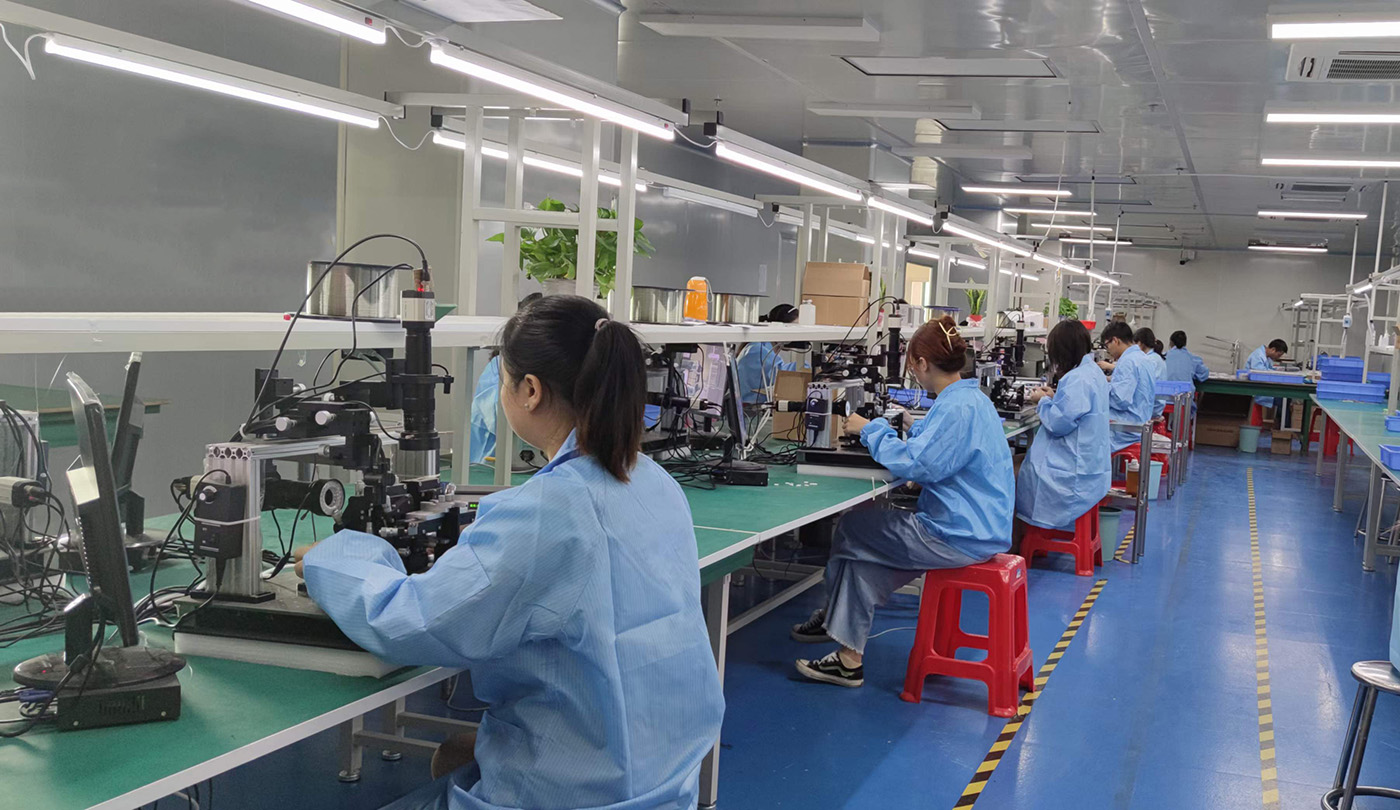
Over the past decade, KOCENT OPTEC LIMITED has grown from a regional manufacturer into a global optical interconnect supplier. Our commitment to quality, custom packaging, and flexible OEM/ODM runs has earned the confidence of national telecom operators and global infrastructure companies alike.
Years of sales and service experience have enabled us to win customers from different regions. Today, we have customers from East Asia, Southeast Asia, Middle East, Eastern Europe, Western Europe, Northern Europe, South America, North America, North Africa, and South Africa.
Win-win cooperation is our constant goal. Many of our OEM and ODM products have won Telecom Operator tenders and satisfied complex end-user requests. Our main terminal telecom operators include:
MPO and MTP configurations vary significantly based on their intended environment. Deploying fiber solutions in a central hyperscale site is completely different from installing fiber in industrial field nodes.
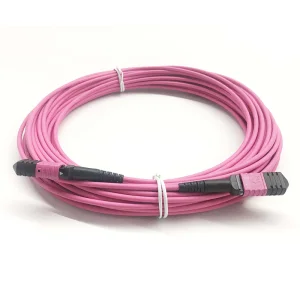
Supporting spine-and-leaf switches with MPO/MTP breakout assemblies. High-density OM4 or single-mode trunk cables route thousands of cores over short spans, minimizing cable congestion in hot/cold aisle structures.
IP67-rated rugged MPO assemblies connect baseband units (BBU) to remote radio heads (RRH). They are engineered to survive harsh environmental shifts, heavy humidity, and high wind pressures on outdoor towers.
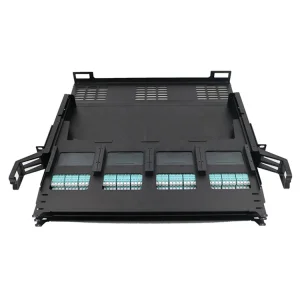
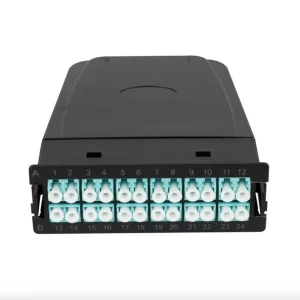
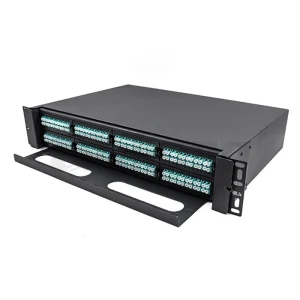
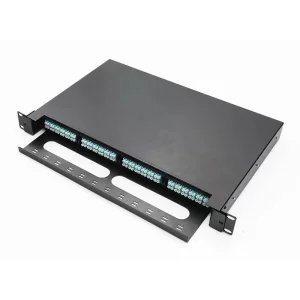
Integrating MPO cassettes into standard 1U/2U distribution frames allows local IT infrastructure to dynamically adjust as capacity needs expand, without requiring expensive physical rewiring.
In today's volatile global hardware supply chain, network operators cannot afford long lead times. At KOCENT OPTEC LIMITED, we strategically optimize our component sourcing and production pathways to balance reliability and cost.
Operating within China’s major electronic manufacturing corridor allows KOCENT OPTEC to maintain deep relationships with key raw material partners, including high-precision injection molders and local fiber drawing facilities. This ecosystem enables us to ramp up production of multi-fiber assemblies during demand spikes much faster than overseas competitors.
When deploying networks at scale, small variations in insertion loss across connectors can add up quickly. By optimizing the polish geometry and centering alignment, our production line consistently hits ultra-low insertion losses (<0.35dB for Elite MTP and <0.7dB for standard MPO). This gives network architects more headroom when planning complex fiber layouts.
The fiber optics landscape is changing rapidly. As transceivers shift from 100G to 400G and 800G, and with 1.6T on the horizon, optical interfaces must evolve to support massive parallel capacities.
Widely deployed for 40G SR4 and 100G SR4 applications. Uses 8 active fibers (4 transmitting, 4 receiving) to route multi-lane lanes over OM3 or OM4 networks.
Specifically optimized for 400G/800G optical layouts. By utilizing 16 individual fiber lanes in a single row, these connectors align directly with next-gen high-density transceivers, eliminating unused fibers and optimizing cost.
As speeds scale past 1.6T, signal loss across copper board traces becomes prohibitive. CPO relocates the optical engine directly onto the switch silicon, using highly specialized MPO/MTP variants to handle the extreme density.
Deploying critical network infrastructure requires adhering to strict local safety, environmental, and engineering codes. KOCENT OPTEC LIMITED ensures our solutions meet these requirements across international markets.
All of our jacket materials (including PVC, LSZH, and OFNP Plenum options) are tested to meet regional fire ratings, such as the European CPR (Construction Products Regulation) and UL flame standards. This simplifies building sign-offs and ensures compliance for local engineering teams.
We provide pre-sales engineering consulting to help customers select the correct polarity configuration (Method A, B, or C) and coordinate fiber gender requirements. This guidance prevents integration issues and minimizes deployment delays.
Furthermore, our post-sales engineering support helps onsite crews troubleshoot field installation issues, trace polarity paths, and optimize overall link budgets.
 KOCENT OPTEC