 KOCENT OPTEC
1 / 5
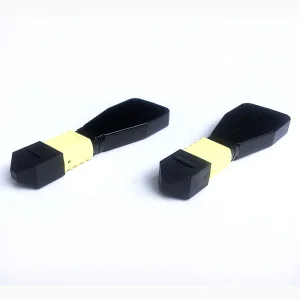
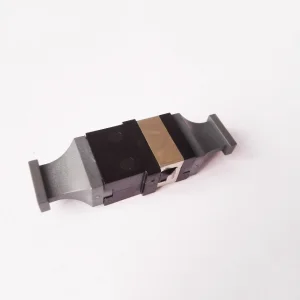
MPO (Multi-fiber Push On) is a type of optical connector that has been the primary multiple fiber connector for high-speed telecom and data communications networks.
This connector and cabling system first supported telecommunications systems especially in the Central and Branch offices. Later it became the primary connectivity used in HPC or high-performance computing labs and enterprise datacenters.
MPO connectors increase your data capacity with a highly efficient use of space. But users have faced challenges such as extra complexities and time required for testing and troubleshooting multi-fiber networks.
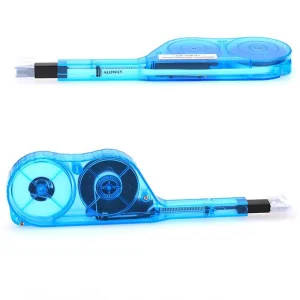
While MPO connectors have many benefits and advantages over typical single fiber connectors, there are also differences that introduce new challenges for technicians. This resource page provides an overview of the essential information technicians must understand when testing MPO connectors.
The MPO connector family has evolved to support a wider range of applications and system packaging requirements.
Originally a single row 12-fiber connector, there are now 8 and 16 single row fiber types that can be stacked together to form 24, 36 and 72 fiber connectors using multiple precision ferrules. However, the wider row and stacked ferrules have had insertion loss and reflection issues due to the difficulty of holding alignment tolerances on the outer fibers versus the center fibers.
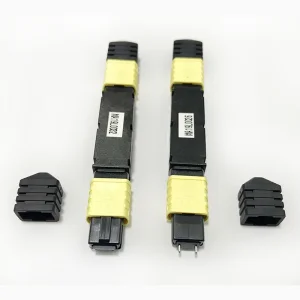
The MPO connector is available in Male and Female variants.
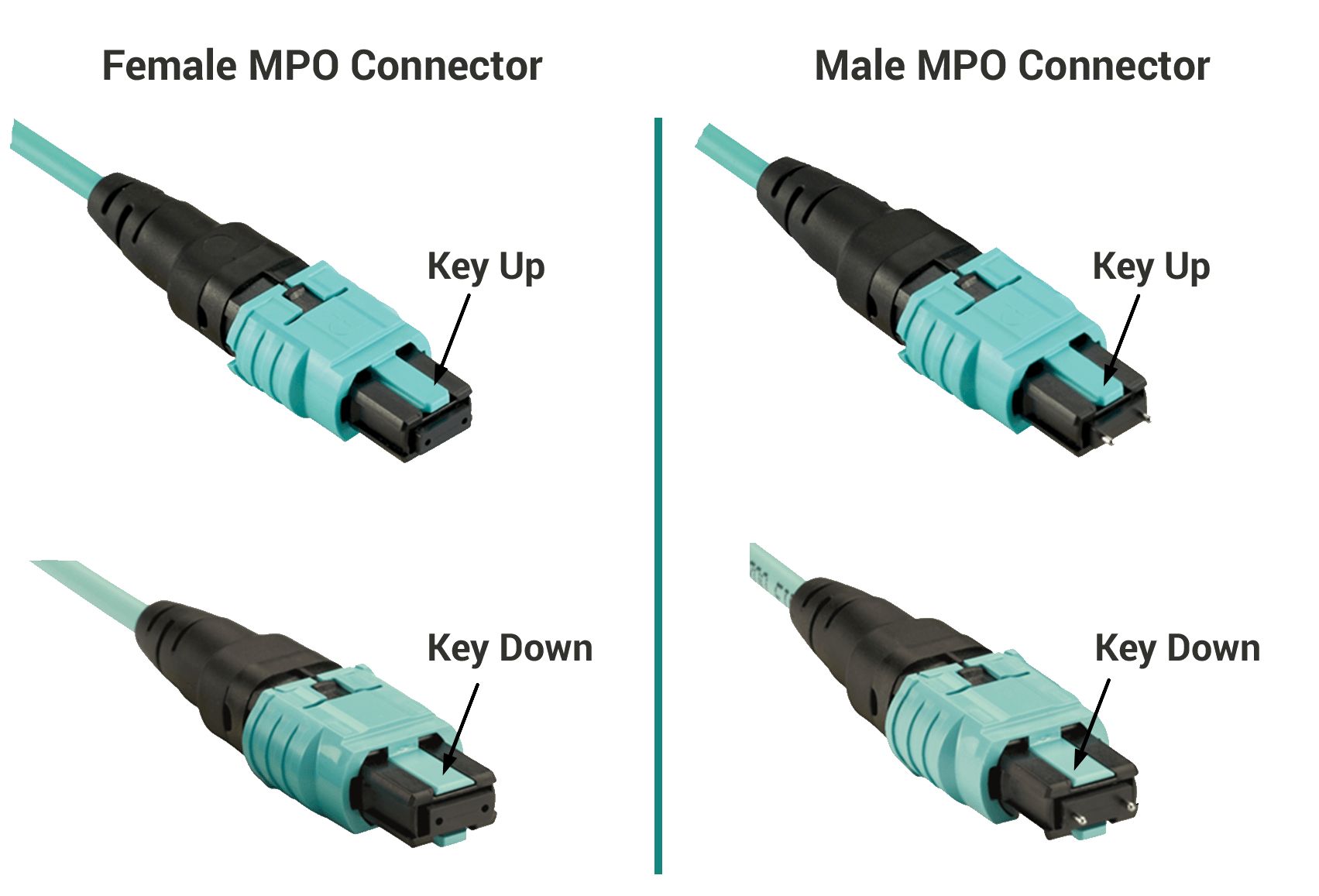
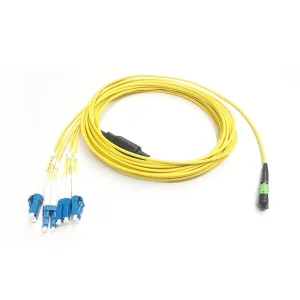
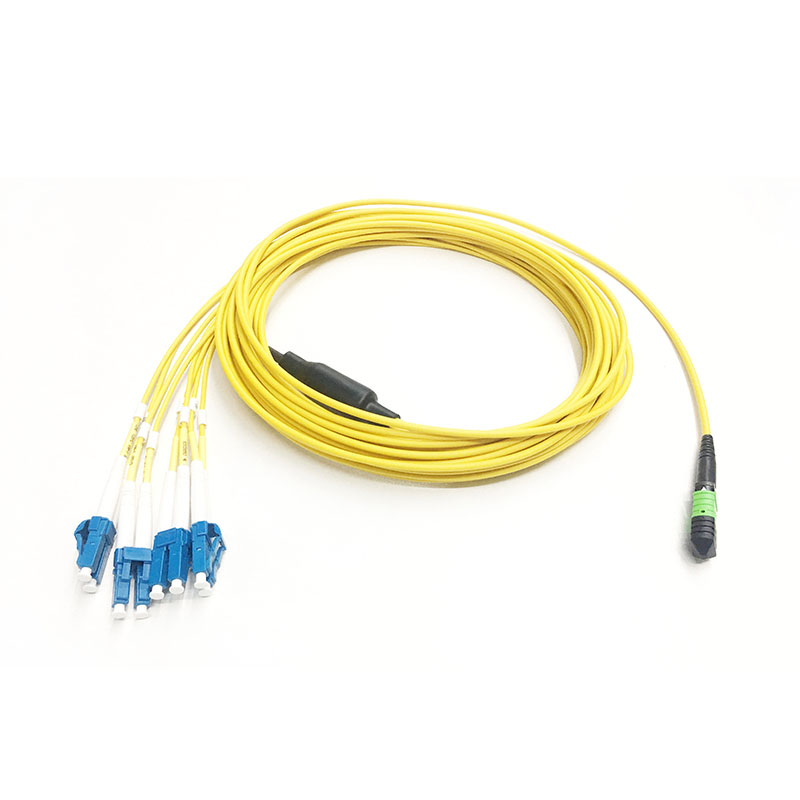
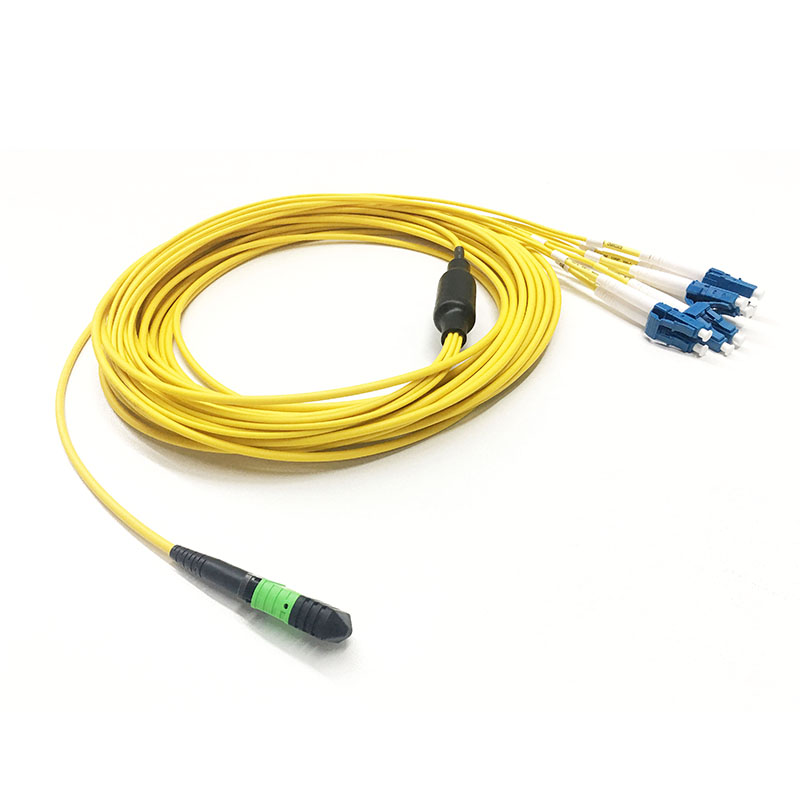
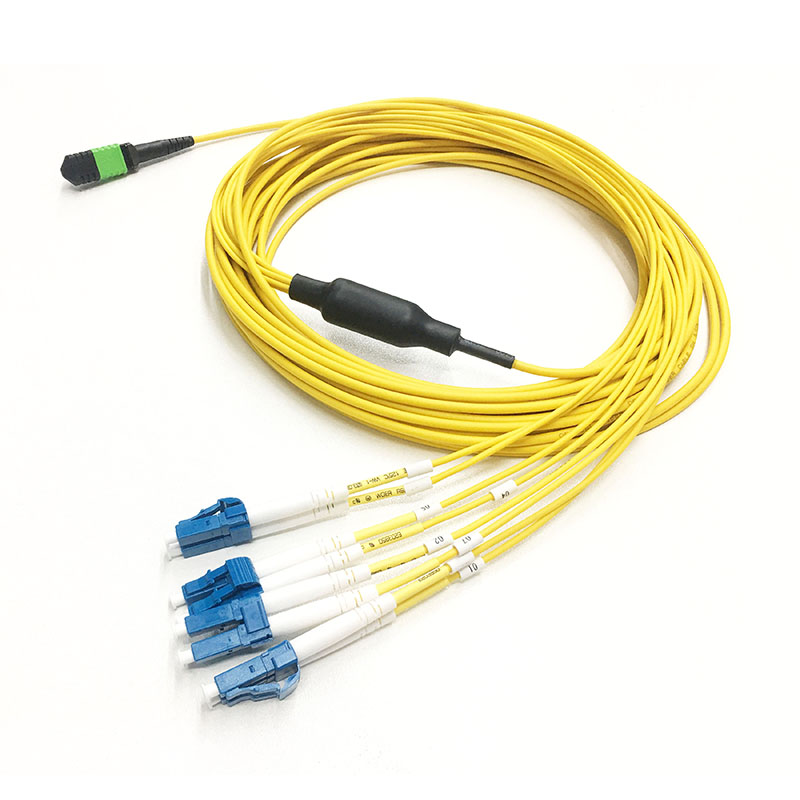
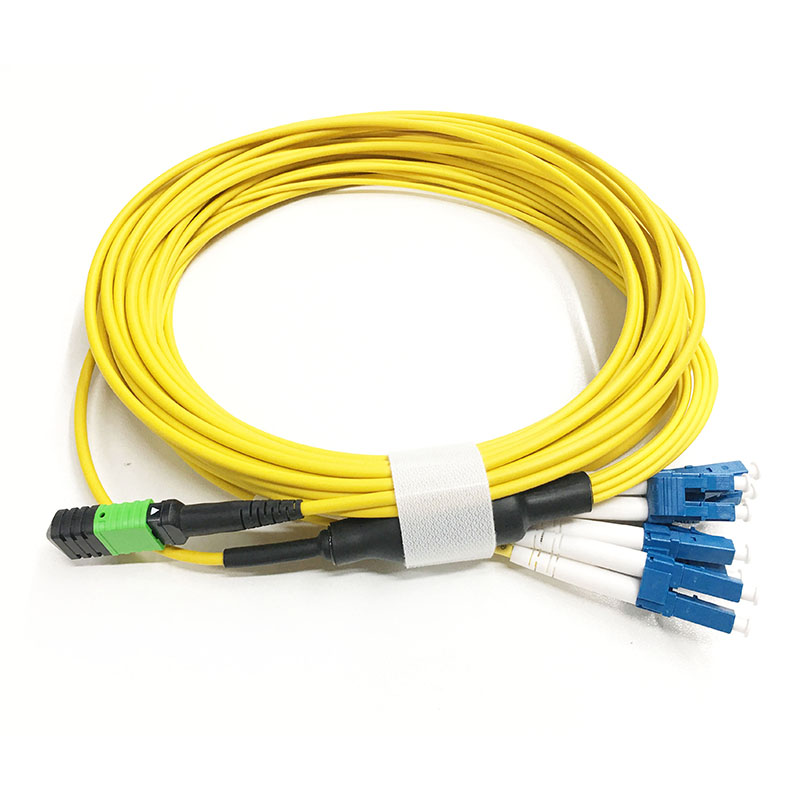
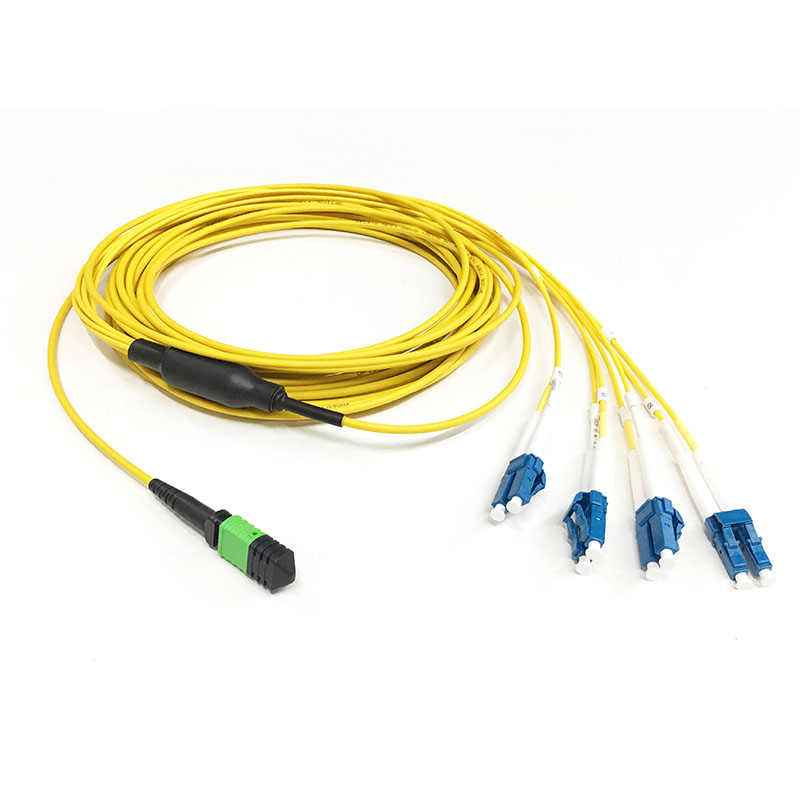
MTP/MPO harness cable, also called MTP/MPO breakout cable or MTP/MPO fan-out cable, is a fiber optic cable terminated with MTP/MPO connectors on one end and MTP/ MPO/ LC/ FC/ SC/ ST/ MTRJ connectors (generally MTP to LC) on the other end. The main cable is usually 3.0mm LSZH Round cable, breakout 2.0mm cable. Female and Male MPO/MTP Connector is available and Male type connector has pins.
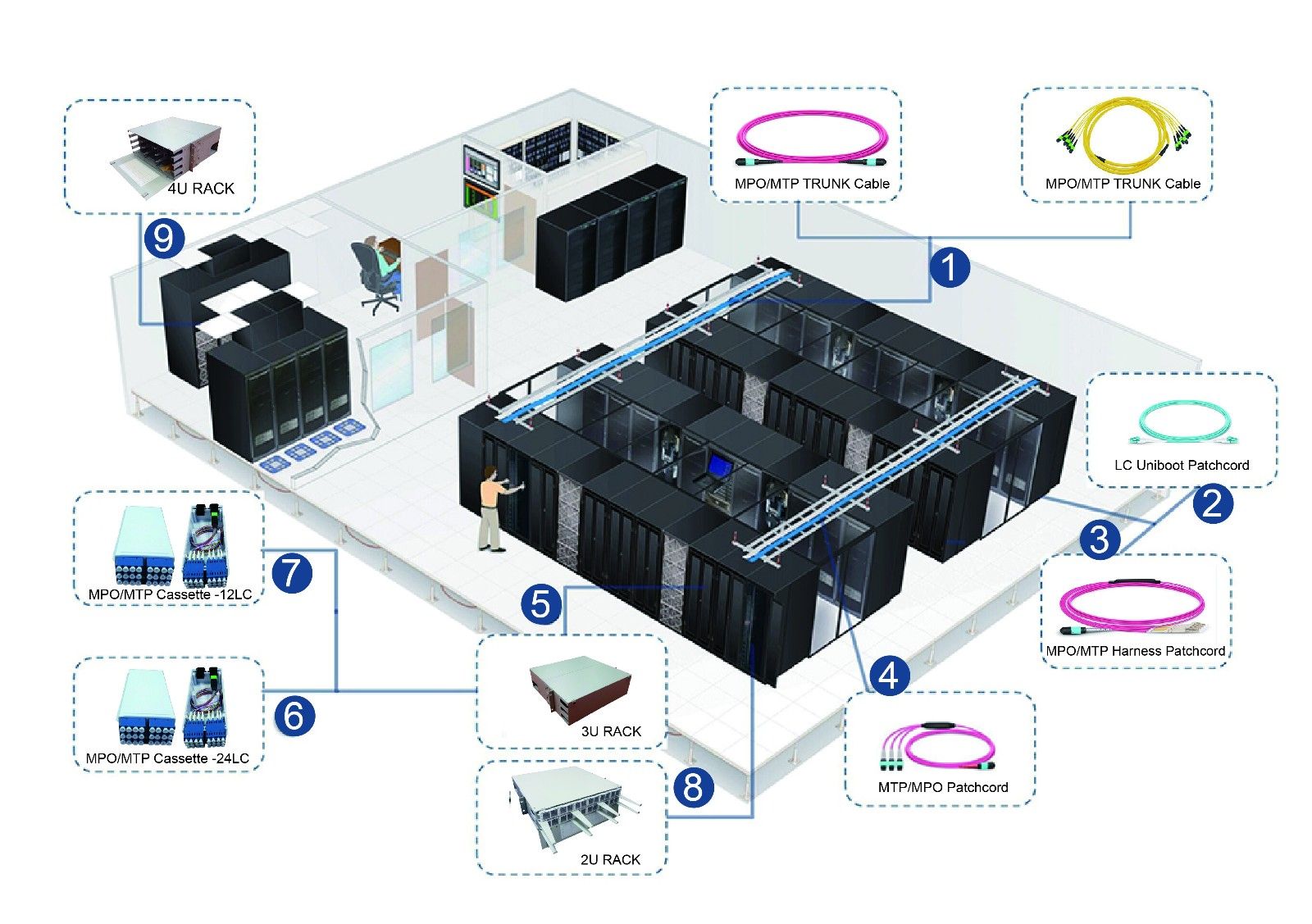
All our MPO/MTP fiber patch cable is compliant to IEC-61754-7 and TIA-604-5(FOCIS-5) Standard. We can do Standard type and Elite type both. For the jacket cable we can do 3.0mm round cable also can be flat jacketed ribbon cable or bare ribbon MTP cables. We can offer Single mode and Multimode MTP fiber optical patch cables, custom design MTP fiber optic cable assemblies, Single mode, Multimode OM1, OM2, OM3, OM4, OM5. Available in 8 cores, 12cores, 16cores, 24cores MTP/MPO patch cables.
MTP/MPO harness cable are designed for high density applications requiring high performance and speedy installation. Harness cables provide a transition from multi-fibers cables to individual fibers or duplex connectors.
The MTP/MPO harness cables are terminated with MTP/MPO connectors on one end and standard LC/FC/SC/ST/MTRJ connectors (generally MTP to LC) on the other end. Therefore, they can meet a variety of fiber cabling requirements.
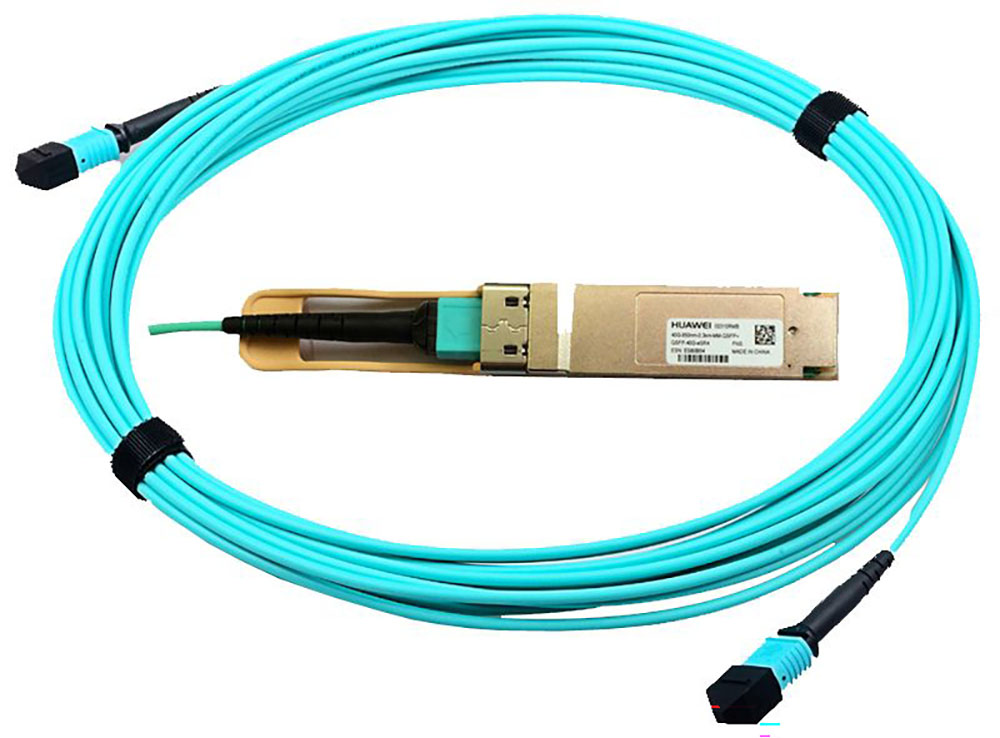
Multimode fiber optic cable has a large diametral core that allows multiple modes of light to propagate. Because of this, the number of light reflections created as the light passes through the core increases, creating the ability for more data to pass through at a given time. Because of the high dispersion and attenuation rate with this type of fiber, the quality of the signal is reduced over long distances. This application is typically used for short distance, data and audio/video applications in LANs.
Multi-mode fibers are described by their core and cladding diameters. Usually the diameter of the multi-mode fiber is either 50/125 μm or 62.5/125 μm. At present, there are four kinds of multi-mode fibers: OM1, OM2, OM3 and OM4.
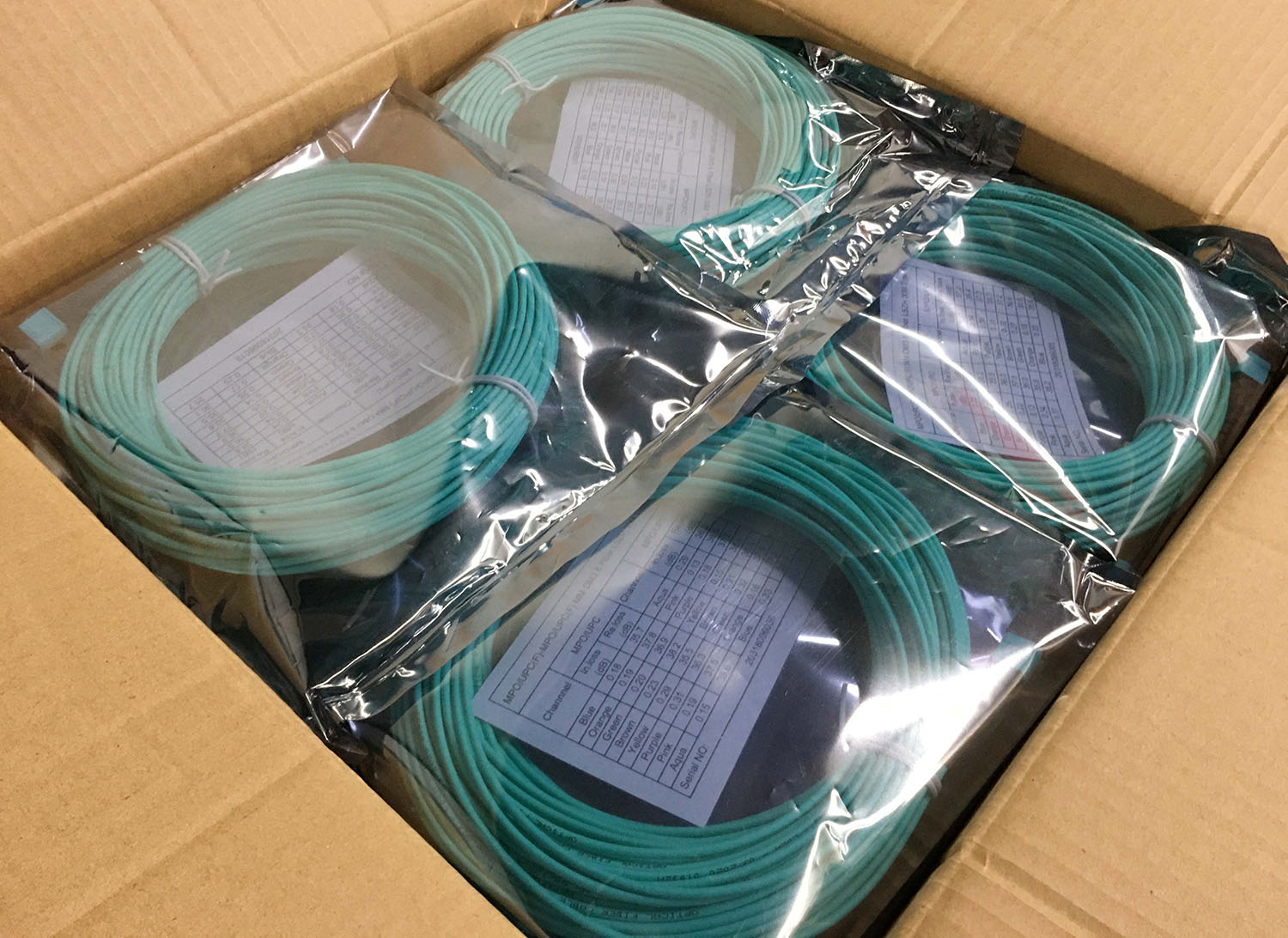
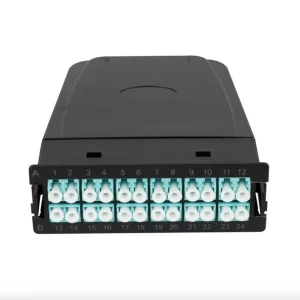
OM3 has a suggested jacket color of aqua. Like OM2, its core size is 50μm. OM3 supports 10 Gigabit Ethernet at lengths up to 300 meters. Besides OM3 is able to support 40 Gigabit and 100 Gigabit Ethernet up to 100 meters. 10 Gigabit Ethernet is its most common use.
| Type | Multi Mode/Single Mode (PC Polish / APC Polish) | |
|---|---|---|
| Fiber Count | 8fo | |
| Fiber Type | Single Mode G652D/A1/A2/B3 | |
| Max. Insertion Loss | Elite (Low Loss): ≤0.35 dB | Standard: ≤0.60dB |
| Return Loss | NA | |
| Durability | ≥500 times | |
| Operating Temperature | -40°C ~ +80°C | |
| Test Wavelength | 850/1300nm | |
| Insert-pull test | 1000 times < 0.5 dB | |
| Interchange | < 0.5 dB | |
| Anti-tensile force | 15kgf | |