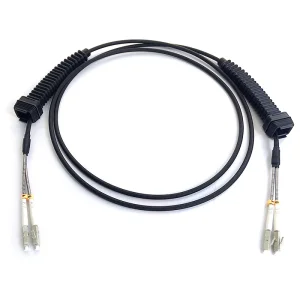
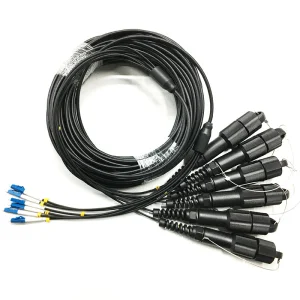
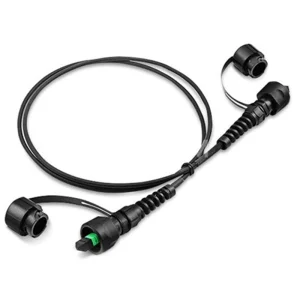
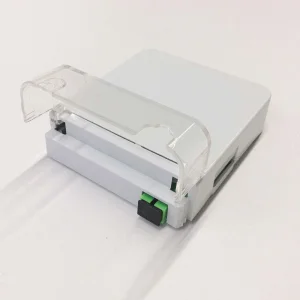
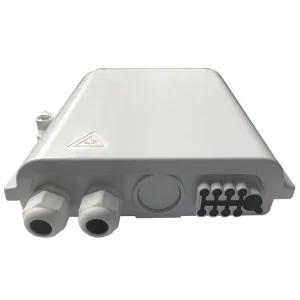
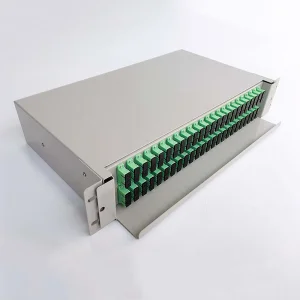
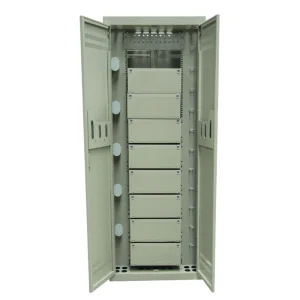
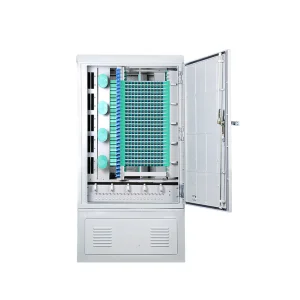
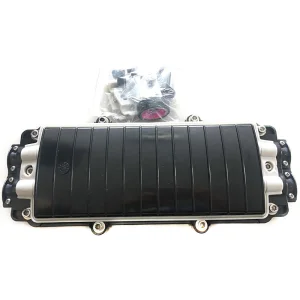
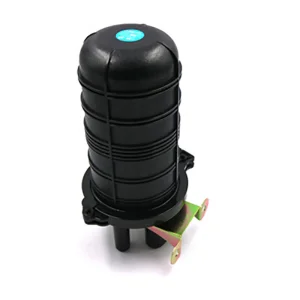
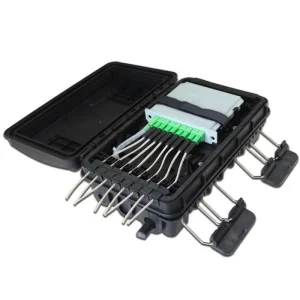
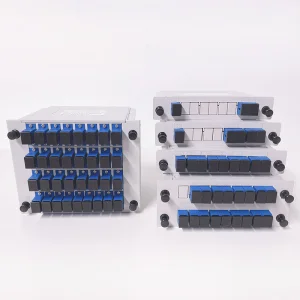
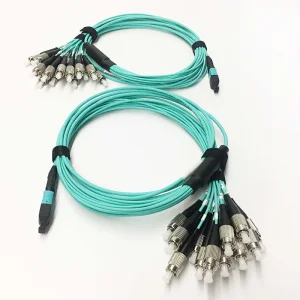
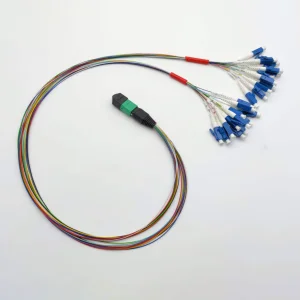
Explore our premium fiber distribution nodes, compatible field patch cords, and IP67/IP68 ruggedized distribution solutions designed for direct antenna integration.
Modern mobile communication networks demand unprecedented bandwidth, ultra-low latency, and absolute reliability. The transition from traditional coaxial cable systems to Fiber-to-the-Antenna (FTTA) architectures represents a fundamental paradigm shift in cellular backhaul and fronthaul technology. Coaxial networks suffer from significant RF signal attenuation, massive power dissipation at high frequencies, and limited flexibility. FTTA, by routing optical fibers directly up the mast to the Remote Radio Unit (RRU) or Remote Radio Head (RRH), eliminates RF feeder loss, slashes power consumption by up to 50%, and prepares cell sites for multi-gigabit massive MIMO configurations.
By shifting the digital-to-analog interface from the base of the cell tower directly to the antenna platform, telecommunication operators can deploy localized Baseband Unit (BBU) pools miles away. This centralization, known as Cloud RAN (C-RAN), minimizes active hardware footprint at tower locations while maximizing spectrum management efficiency via eCPRI and CPRI protocols. However, the outside plant (OSP) environment places extraordinary physical stress on the interconnect systems, requiring components built to tolerate wide thermal variations, mechanical tension, UV exposure, and ingress from dust and moisture.

Kocent Optec Limited establish in 2012 in Hongkong as a hi-tech communication enterprise, is one of China's leading fiber optic termination product manufacturer and solution provider.
We're dedicated to developing and manufacturing fiber optic communication products ranging from passive to active categories for telecommunication networks, enterprise networks and data centers.
By leveraging our extensive experience and excellent production capacity we gained over the years, we magnify the outcome for our valuable customers, which ultimately expands their core competencies and helps them outperform competitors. We place emphasis on customer collaboration, and we define ourselves as your valuable partner in fiber optic connection solutions. We believe our differentiators are your perceived advantages.

With more than 13 years of experience in manufacturing telecommunication fiber optic products, we follow strictly fiber optic industry standards by using mature scientific methods to deliver your products on time and ensure that 100% products are tested and inspected before shipment.
Our engineering processes adhere to rigorous international specifications, ensuring that our patch cords, splitters, and fiber distribution hubs provide minimal Insertion Loss (IL) and superior Return Loss (RL). Whether implementing LC, SC, or high-density MTP/MPO connectors, Kocent Optec ensures the highest performance limits. Using state-of-the-art polishing equipment and automated visual inspection tools, our optical assemblies meet the stringent requirements of Telcordia GR-326-CORE, ensuring long-term field stability in high-density environments.
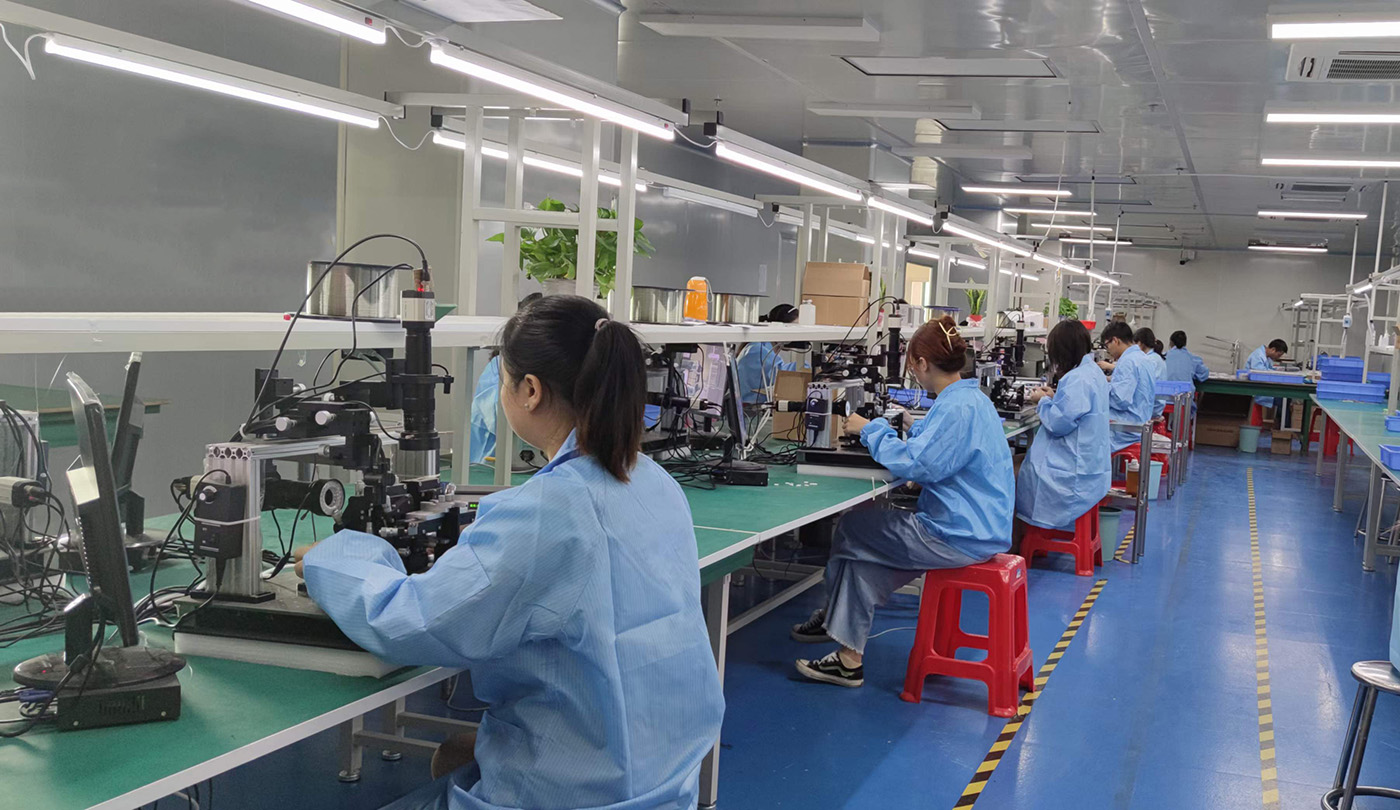
Why sourcing from our specialized Chinese production facility delivers unparalleled strategic margins, scale capabilities, and engineering flexibility.
From raw optical fiber drawing and polymer sheath compounding to precision mechanical connector molding, our manufacturing ecosystem sits within the world's dense telecom industrial cluster. This keeps raw material overhead low and minimizes assembly latency.
We provide comprehensive OEM and ODM support. Because we control tool fabrication and test benches locally, custom breakout lengths, specialized pulling socks, color-coding, and ruggedized housing variations can be mocked up and qualified in days rather than months.
Leveraging Chinese factory automation combined with mature verification methodologies, we implement multi-stage geometry and optical checks. Every assembly is individually cataloged, traced, and verified before receiving its export certification.
Keeping pace with the dynamic technology landscape shaping base-station connectivity and high-speed fronthaul interfaces.
5G active antenna units (AAUs) integrate massive multi-input multi-output channels. To route these signals, towers require high-count fiber patch cables and distribution enclosures, pushing the demand for low-footprint outdoor multi-fiber cables (MTP/MPO).
The transition from legacy CPRI (Common Public Radio Interface) to eCPRI increases the bandwidth requirements of optical transceivers to 25G and 100G. Field cabling must support these high-speed optical transitions without causing chromatic dispersion or micro-bend losses.
With field labor representing the largest component of deployment costs, operators are seeking plug-and-play pre-terminated solutions. Factory-sealed IP-rated connectors mitigate installer errors and eliminate the need for costly field splicing on towers.
Addressing the complex engineering, testing, regulatory, and logistics standards required by global telco procurement departments.
Different telecom hardware providers demand specific interconnect configurations. Our product range is engineered to offer drop-in compatibility with main OEM vendors, including Nokia NSN boot configurations, Ericsson compatible PDLC connections, and Huawei outdoor quick-connect assemblies. This versatility simplifies procurement by letting operators source their passive FTTA requirements from a single, unified source.
Furthermore, local environmental regulations dictate material safety. Kocent Optec ensures full RoHS and REACH compliance across our product range. We use Low Smoke Zero Halogen (LSZH) compounds and UV-stabilized polyurethane (PUR) jacketing materials to satisfy indoor/outdoor transitions and municipal fire protection codes (such as CPR Euroclass ratings for buildings).
International carrier procurement goes beyond product specifications. It requires financial stability, manufacturing flexibility, and supply chain transparency. We work closely with international distribution networks, offering custom labeling, localized reel designs, and direct site-ready drop shipping to support dynamic network builds.
Our FTTA and Outside Plant (OSP) products are engineered for a wide range of deployment scenarios:
Years of sales and service experience have enabled us to win customers from different regions. Today, we have customers from East Asia, Southeast Asia, Middle East, Eastern Europe, Western Europe, Northern Europe, South America, North America, North Africa, and South Africa.
Win-win cooperation is our constant goal. Many our OEM and ODM products won the Telecom Operator tender and satisfy end-user request.
Critical design considerations, fiber mechanics, and deployment parameters for network engineers and procurement teams.
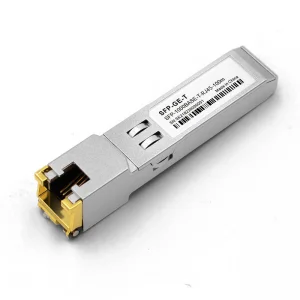
Explore our horizontal splice boxes, PLC splitters, and copper/optical transceiver interfaces engineered to complete your network build.
 KOCENT OPTEC