How to Choose the Right Fiber Optic Adapter for Your Needs?

Time:2026-08-01 Author:Sophia
0%

In the rapidly evolving world of telecommunications, selecting the right Fiber Optic Adapter is crucial. John Smith, a renowned expert in optical communications, emphasizes this need: "Choosing the correct adapter can significantly enhance connectivity and performance." With various types and specifications available, users often feel overwhelmed.

A Fiber Optic Adapter serves as an essential link between two fiber optic cables. This small but vital component can impact the efficiency of your network. When making your choice, consider factors such as compatibility, connector type, and performance needs. Many users, however, overlook these details, leading to potential connectivity issues.

It is essential to consult with industry experts or conduct thorough research before purchasing a Fiber Optic Adapter. Some adapters may appear similar but can perform differently in practice. While detailed specifications are important, hands-on experience and feedback from others offer valuable insights. Choosing the right adapter is not just a technical decision; it’s a core aspect of ensuring reliable and high-speed communication in your network.
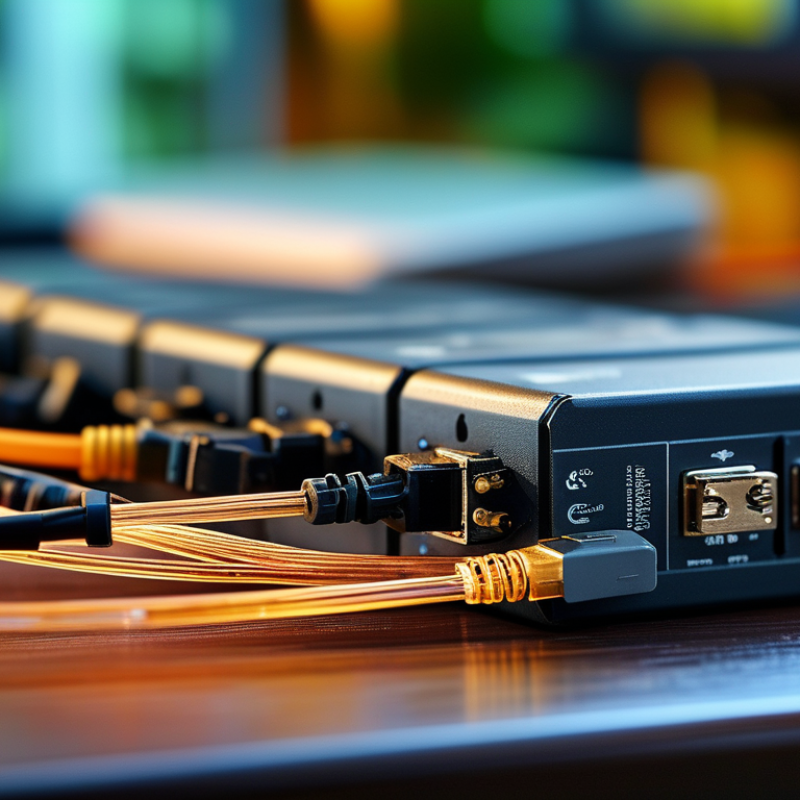
How to Choose the Right Fiber Optic Adapter for Your Needs?

Understanding Different Types of Fiber Optic Adapters Available

When selecting fiber optic adapters, understanding the various types is crucial. These connectors facilitate the joining of different fiber optic cables. The most common types include SC, LC, ST, and MTP/MPO. Each type has unique characteristics suited for different applications and environments.

For example, LC connectors are compact and often used in high-density environments, while SC connectors are larger, providing ease of use for patch panels. According to a report by the Fiber Optic Association, over 60% of modern networks now utilize LC connectors due to their space-saving design. ST connectors, on the other hand, are often found in legacy systems, making them less versatile in new installations.

Understanding your specific needs is vital. For instance, if you anticipate frequent reconfigurations, consider a more flexible solution like MTP/MPO adapters. These allow for quick changes without extensive downtime. However, improper handling can lead to increased loss and decreased performance, reminding us that not every solution is foolproof.

Assessing Compatibility with Your Existing Fiber Optic Equipment

When choosing a fiber optic adapter, compatibility is crucial. You should begin by assessing the specifications of your existing fiber optic equipment. Check the connector types—LC, SC, ST, or MTP—and ensure the adapter supports them. Mismatched connectors can lead to inefficient connections and signal loss.

Consider the mode of your fiber, whether single-mode or multi-mode. Adapters suited for one mode may not work well with the other. Look closely at the standards your devices adhere to. Not all adapters are created equal; some might only function optimally under specific conditions.

Thoroughly analyze your current setup. Gather information about the maximum distances your system supports. Sometimes, an adapter might not solve issues related to distance or bandwidth limitations. Don't hesitate to consult with experts if you're unsure. Their insights can clarify the best fit for your needs and help avoid costly mistakes in the future.

Evaluating Performance Specifications for Optimal Signal Quality

When evaluating fiber optic adapters, performance specifications play a crucial role in ensuring optimal signal quality. Key specifications include insertion loss, return loss, and durability. Insertion loss measures the signal strength reduction as it passes through the adapter. Aim for an adapter with low insertion loss for clearer signals. Return loss indicates how much light reflects back toward the source. A higher return loss generally means better performance.

It's also essential to consider the environmental factors affecting the adapter’s reliability. Extreme temperatures and exposure to dust or moisture can impact performance. Look for adapters designed for specific environments when conditions are challenging.

Choosing the right fiber optic adapter is complex. Many choose based solely on price, overlooking crucial specifications. Inadequate choices can lead to poor signal quality and system failures. Reflecting on your needs and the intended application can prevent future issues. A careful balance of performance and environment makes a difference.

How to Choose the Right Fiber Optic Adapter for Your Needs?

Adapter Type Connector Compatibility Insertion Loss (dB) Return Loss (dB) Operating Temperature (°C)
LC to SC Adapter LC, SC < 0.2 > 50 -40 to 85
MTP/MPO Adapter MTP, MPO < 0.3 > 40 -20 to 75
ST to LC Adapter ST, LC < 0.2 > 45 -40 to 80
FC to SC Adapter FC, SC < 0.15 > 55 -40 to 90

Considering Installation Requirements and User-Friendly Options

When choosing a fiber optic adapter, consider installation requirements. The adapter should easily fit into existing systems. Check the compatibility of the adapter with your current hardware. Measure the available space for installation. If space is tight, a compact design may be crucial. Ensure you have the necessary tools for the installation process. Knowing what you need can save time and frustration.

User-friendly options can make a significant difference. Look for adapters that have clear labels or color coding. These features can simplify cable management. Some adapters come with easy-grip designs, allowing for faster handling. Consider whether the adapter has a secure locking mechanism. This can prevent accidental disconnections. However, keep in mind that ease of use can sometimes come at the expense of durability.

Reflect on your specific needs. Not every adapter suits every application. A thorough understanding of your requirements is essential. Don't hesitate to seek advice from experts. Their insights can guide you toward the right choice. Make a list of questions to ask. Being informed can lead to better decisions, ensuring a reliable and efficient setup.

Fiber Optic Adapter Preferences Based on Installation Requirements

Analyzing Cost-Effectiveness and Brand Reliability in Adapters

Choosing a fiber optic adapter can be challenging. With various options available, understanding cost-effectiveness and brand reliability is essential. According to a recent industry report, around 25% of users report dissatisfaction due to poor adapter performance. This underscores the importance of selecting a reliable product that fits your specific needs.

Brand reliability is a key factor in making a wise choice. Over 45% of users favor established brands known for durability and performance. However, purchasing from a recognized brand does not guarantee the best value. Many lesser-known brands offer high-quality options at lower prices. A study indicated that 30% of cost-effective adapters performed just as well as premium brands in lab tests.

Evaluating user reviews can also provide insight into real-world performance. While many users praise specific models, some have highlighted concerns about longevity and compatibility. A common issue is that adapters may not work as expected with certain equipment. It's wise to carefully analyze both the cost and the expected performance before making a decision. Taking the time to research can lead to a more satisfying choice.

FAQS

: What are the common types of fiber optic adapters?

: The most common types include SC, LC, ST, and MTP/MPO. Each has unique characteristics for different applications.

Why are LC connectors popular in networks?

LC connectors are compact, saving space in high-density environments. Over 60% of networks now use them.

What should I consider when choosing an adapter?

Evaluate your specific needs, including flexibility for reconfigurations. MTP/MPO adapters allow quick changes without downtime.

What performance specifications matter for fiber optic adapters?

Key specifications include insertion loss, return loss, and durability. Low insertion loss ensures clearer signals.

How do environmental factors affect adapter performance?

Extreme temperatures, dust, or moisture can impact reliability. Choose adapters designed for challenging conditions.

Are cheaper adapters a good choice?

Not always. Some less-known brands offer quality at lower prices. However, a wise choice considers performance, not just cost.

How can user reviews help in selecting an adapter?

Reviews offer insights into real-world performance. Some users mention concerns about longevity and compatibility with specific equipment.

What common issues arise with fiber optic adapters?

Some adapters may not perform as expected with certain equipment. Reflecting on your needs can prevent such problems.

Why might brands not guarantee the best value?

Established brands are often favored, but lesser-known ones can perform similarly at lower prices. Research is essential.

What happens if I overlook performance specifications?

Inadequate choices can lead to poor signal quality and system failures. It's crucial to reflect on intended applications.

Conclusion

Choosing the right Fiber Optic Adapter is crucial for ensuring seamless connectivity in your fiber optic network. It is essential to understand the various types of adapters available in the market and how they align with your existing fiber optic equipment. Compatibility is key, as different adapters may vary in design and functionality.

Additionally, evaluating performance specifications will help optimize signal quality, which is critical for maintaining high data transfer rates. Consideration should also be given to installation requirements, as user-friendly options can significantly ease the setup process. Finally, analyzing the cost-effectiveness and reliability of different adapters will ensure you make an informed choice that balances performance with budget constraints. By focusing on these factors, you can select a Fiber Optic Adapter that best meets your specific needs.

Sophia

Sophia

Sophia is a dedicated marketing professional with an exceptional depth of knowledge about her company's products and services. With a keen understanding of market trends and customer needs, she crafts insightful blog posts that not only inform but also engage readers, enriching the company’s online......