The Fiber Access Terminal Box (FATB) stands as a vital component in modern telecommunications. As the demand for high-speed internet continues to rise, driven by global trends in remote work and digital connectivity, FATBs facilitate efficient fiber optic connections. According to a report by the Telecommunications Industry Association, fiber optics can provide internet speeds exceeding 1 Gbps, which is essential in today’s digital age.
FATBs offer several benefits. They streamline the network design, allowing for organized and secure connections to multiple users. This is especially critical as fiber networks expand. A well-structured terminal box can reduce signal loss and improve performance. However, not all installations are flawless. Poor placement or inadequate maintenance may lead to issues such as congestion or reduced service quality.
Investing in high-quality Fiber Access Terminal Boxes can enhance the overall reliability of fiber optic networks. Yet, the effectiveness depends on the skilled technicians who install and maintain these systems. Data from the Fiber Optic Association indicates that proper installation can lead to a 30% increase in service reliability. Thus, while FATBs are essential, their full potential is realized when coupled with professional expertise.
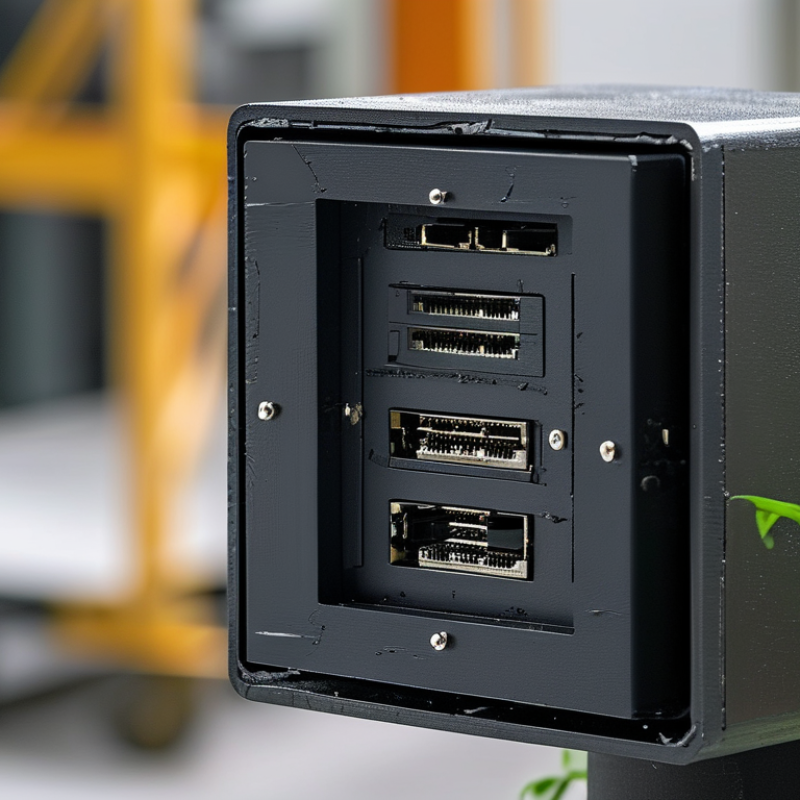
A Fiber Access Terminal Box (FATB) is crucial in fiber optic networks. It acts as a junction point between main fiber lines and end-user connections. This box is typically mounted on poles, walls, or in underground installations, ensuring easy access for maintenance and connectivity.
The primary purpose of the FATB is to terminate, splice, and distribute fiber optic cables smoothly. It protects delicate fibers from environmental damage. Inside, one can find organized fibers, protective splicing trays, and sometimes even passive optical splitters. This design enhances network reliability. Users can benefit greatly from improved internet speeds and better communication services.
While the advantages are clear, there are challenges with the installation and management of FATBs. Improper installation can lead to connectivity issues. Regular maintenance is essential to prevent degradation. Technicians must be well-trained and equipped to handle the sensitive nature of fiber optics. Overall, understanding the function of the FATB can greatly contribute to a more efficient network infrastructure.
A Fiber Access Terminal Box (FATB) is a crucial component in fiber-optic networks. Understanding its key components is essential for anyone involved in network design or implementation. The box typically includes splice trays, connectors, distribution panels, and protective housings. Each part plays a vital role in ensuring optimal network performance.
Splice trays protect fiber splices from external stress and environmental factors. They organize fiber strands neatly, preventing tangling and damage. Connectors allow easy access for network maintenance or upgrades. They enable quick disconnection and reconnection, boosting efficiency.
Distribution panels help in managing various fiber-optic connections, facilitating a seamless data flow.
The protective housing shields the entire setup from physical threats. Environmental elements like dust or moisture can severely impact performance. While the design seems straightforward, improper installation can lead to vulnerabilities. It’s essential to ensure that each component is compatible and installed correctly.
Even minor errors in setup can lead to significant network issues. Understanding these details can greatly enhance network reliability and performance.
Fiber Access Terminal Boxes (FATBs) play a vital role in enhancing network performance and connectivity. Their primary function is to terminate and manage fiber optic cables, providing a clear and organized distribution point for users. Data from industry reports suggest that efficient network management can improve service reliability by over 30%. This enhances user experience significantly, especially for businesses relying on consistent connectivity.
One major advantage of FATBs is their ability to facilitate easy scalability. In rapidly growing environments, demand for bandwidth can increase unexpectedly. FATBs make it easier to add new connections without disrupting existing services. This adaptability means organizations can respond quickly to technological advancements or user needs. Furthermore, recent studies show that companies utilizing FATBs can reduce installation time by 50%, leading to quicker project completions and cost savings.
Despite their benefits, some concerns persist. Installation may require specialized training, as improper handling can lead to optical loss issues. Moreover, the initial costs can deter small businesses from adopting this technology. However, the long-term advantages typically outweigh these challenges, especially for those aiming to future-proof their networks. Ultimately, careful consideration and proper planning are crucial in maximizing the benefits of Fiber Access Terminal Boxes.
When considering the installation and maintenance of a Fiber Access Terminal Box, several factors come into play. Selecting the right location is crucial. A well-placed box ensures easier access for servicing and reduces potential damage from environmental factors. Ideally, it should be installed in a dry area, away from direct weather-related challenges. This prevents water ingress and other complications.
During maintenance, regular checks of the internal components are vital. Dust and debris can accumulate over time, impacting performance. Cleaning should be done cautiously to avoid damaging any sensitive parts. Using compressed air is often effective, but care must be taken to follow safety protocols. It's also essential to document any findings or changes made during maintenance. This helps create a reliable history for future reference.
Despite thorough planning, issues can arise. A box can become crowded with too many connections, making troubleshooting an arduous task. Periodic assessments can help identify such concerns before they escalate. Being proactive rather than reactive leads to more reliable service. Balancing accessibility with protection requires ongoing commitment and reflection on best practices. Every installation provides a unique set of challenges that should be acknowledged.
Fiber Access Terminal Boxes play a crucial role in modern telecommunications. These boxes are essential for connecting various fiber optic cables. They provide a secure and organized environment for managing these connections. Moreover, they help to simplify the complex network structures found in the industry.
In telecommunications, using Fiber Access Terminal Boxes enhances efficiency. They facilitate quick and reliable data transmission. With these boxes, technicians can more easily access connections for maintenance and troubleshooting. This accessibility is a significant advantage, especially in urban areas where space is limited. However, improper installation can lead to connectivity issues. It is essential that technicians follow best practices to ensure optimal performance.
The versatility of Fiber Access Terminal Boxes allows for various applications. They can be effectively used in residential areas, commercial buildings, and even in data centers. Their robust design protects delicate fiber connections from environmental damage. However, the need for ongoing maintenance should not be overlooked. It’s crucial to regularly inspect and update these systems for continued reliability and safety. This attention to detail will help maintain a seamless telecom service.
ccess Terminal Box (FATB)?
Key components include splice trays, connectors, distribution panels, and protective housings.
Splice trays protect fiber splices from stress and organize strands to prevent damage.
Connectors allow easy access for maintenance and enable quick disconnection and reconnection.
They manage fiber connections, ensuring a smooth flow of data across the network.
Protective housing shields components from dust and moisture, which can harm system efficiency.
Yes, improper installation can create vulnerabilities. Specialized training is often required.
FATBs allow easy addition of connections, adapting to growing bandwidth demands quickly.
Companies using FATBs have reported a 50% reduction in installation time.
Yes, initial costs can be a barrier, but long-term benefits usually justify the investment.
A Fiber Access Terminal Box is an essential component in modern fiber optic networks, serving as a distribution point for fiber connections in telecommunications. Its primary purpose is to protect and manage fiber optic cables, ensuring efficient connectivity and signal integrity. The key components of a Fiber Access Terminal Box include splicing trays, connectors, and mounting hardware, which work together to facilitate easy installation and maintenance.
The advantages of using Fiber Access Terminal Boxes are numerous; they not only enhance the organization of network cabling but also improve overall system reliability and reduce the risk of damage. Proper installation and ongoing maintenance considerations are vital to ensure optimal performance. Furthermore, these terminal boxes find applications across various sectors, including residential, commercial, and industrial settings, highlighting their importance in the widespread deployment of fiber optic technology.

KOCENT OPTEC