What are Fiber Cabinets Benefits and Applications for Businesses?

Time:2026-07-12 Author:Madeline
0%

Fiber cabinets play a crucial role in modern business operations. As companies transition to digital platforms, the demand for reliable and efficient data management solutions increases. According to a report by MarketsandMarkets, the global market for fiber optic equipment is projected to reach $14.60 billion by 2025. Fiber cabinets are essential in this infrastructure. They offer secure storage for critical networking equipment and facilitate efficient data transmission.

The benefits of fiber cabinets are manifold. They provide a controlled environment that enhances equipment longevity. Built for organization, these cabinets help streamline complex fiber optic networks. Data centers equipped with fiber cabinets show a 30% improvement in cable management efficiency. Furthermore, they enhance airflow, reducing overheating risks. However, not all businesses have adopted fiber cabinets, perhaps due to initial costs or lack of awareness.

Despite the growing trend, challenges remain. Some organizations may find it difficult to navigate the integration of fiber cabinets into existing systems. However, understanding their advantages can lead to long-term savings and operational improvements. Overall, the use of fiber cabinets is a strategic move for businesses aiming for reliable data infrastructure and seamless communications.
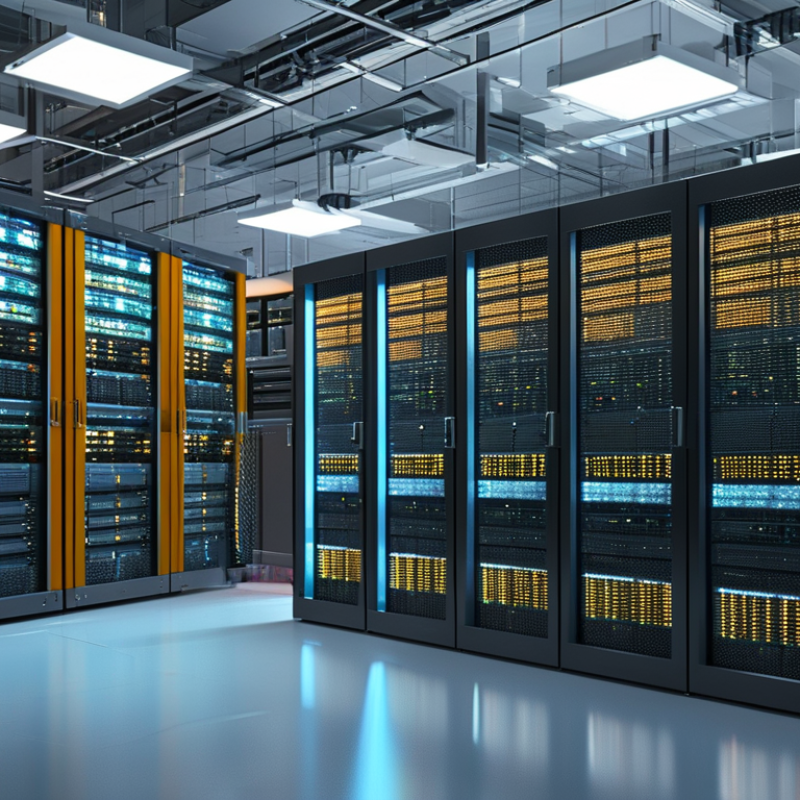
What are Fiber Cabinets Benefits and Applications for Businesses?

Benefits of Fiber Cabinets for Business Infrastructure

Fiber cabinets offer numerous advantages for business infrastructure. They are designed to house essential networking equipment. These cabinets ensure that devices are protected from dust and physical damage. This is crucial for maintaining an optimal operating environment. A clean and organized space can lead to improved system performance.

Another key benefit is the enhanced cooling solutions. Fiber cabinets support airflow management, reducing overheating risks. Proper ventilation helps maintain performance and extends the life of the equipment. In a world where downtime can cost businesses significantly, this factor cannot be overlooked.

Moreover, these cabinets contribute to improved organization. Properly arranged fiber optics simplify maintenance and troubleshooting. However, it's important to recognize that not all installations are optimal. Sometimes, businesses overlook the need for future scalability. As companies grow, their infrastructure must adapt. Failure to plan can lead to inefficiencies. This reflection is vital for a successful implementation strategy.

Key Applications of Fiber Cabinets in Various Industries

Fiber cabinets are essential in various industries, offering significant advantages for businesses. Their primary applications span telecommunications, data centers, and industrial environments. In telecommunications, fiber cabinets serve as a central point for managing fiber optic cables. They help maintain organized connections, minimizing downtime and ensuring efficient communication networks.

In data centers, these cabinets facilitate optimal cable management and connectivity. They protect sensitive fiber optics from damage and environmental factors. With proper installation, they enhance data transfer speeds and reliability. Companies can also reduce maintenance costs over time by using durable materials and designs.

Industries like manufacturing benefit from fiber cabinets as well. These cabinets support automation systems that rely on fiber optics for high-speed communication. However, some businesses struggle with improper installations or insufficient training for personnel. This can lead to inefficiencies and increased operational costs. Analyzing existing setups can reveal areas for improvement, enhancing the cabinets' effectiveness and overall business performance.

Comparative Advantages of Fiber Cabinets Over Traditional Systems

Fiber cabinets are becoming a favored choice for businesses, mainly due to their superior performance over traditional systems. They provide enhanced durability, resistance to environmental challenges, and an overall reduction in maintenance costs. According to a report by the International Data Corporation (IDC), fiber optic systems can outperform copper systems in terms of bandwidth by up to 15 times. This significant advantage allows businesses to transfer large amounts of data quickly and efficiently.

Businesses can experience considerable advantages by utilizing fiber cabinets. They improve data transmission rates while minimizing latency, which is crucial for applications such as cloud computing and real-time analytics. With the increasing demand for higher-speed connections, fiber cabinets support future growth without the need for frequent upgrades. However, transitioning to fiber technology requires careful planning and investment. It is important to assess existing infrastructure to avoid compatibility issues.

Tip: Evaluate your current network needs before making the switch. Conducting a thorough audit will help you determine if fiber cabinets align with your business goals. Implementing such technology can be a learning curve. The proper training for staff is essential to maximize the benefits of using fiber systems effectively.

Benefits and Applications of Fiber Cabinets for Businesses

Best Practices for Implementing Fiber Cabinets in Business Settings

Implementing fiber cabinets in business settings can significantly improve connectivity and efficiency. According to a recent industry report, nearly 70% of IT professionals recognize that proper infrastructure impacts overall performance. Fiber cabinets provide a structured solution for managing cables and fibers, which reduces clutter and minimizes downtime.

However, challenges exist. Proper installation and maintenance are crucial. A lack of training can lead to improper setup, which may undermine the potential benefits. Businesses should invest in training sessions for staff. Data shows that companies with trained personnel experience 40% fewer network issues.

Documentation and regular audits can also enhance performance. Companies often overlook the importance of keeping logs of changes and repairs. This oversight can lead to confusion during troubleshooting. By ensuring thorough documentation, businesses can respond swiftly to issues, further supporting a reliable environment. Investing in these best practices leads to better performance and less frustration.

What are Fiber Cabinets Benefits and Applications for Businesses? - Best Practices for Implementing Fiber Cabinets in Business Settings

Dimension Details
Benefit High-speed data transmission
Benefit Increased reliability
Application Data centers
Application Telecommunications
Best Practice Proper installation and maintenance
Best Practice Regular performance monitoring
Challenge Initial investment cost
Challenge Space requirements

Future Trends in Fiber Cabinet Technology for Corporate Use

The rapid evolution of fiber cabinet technology is reshaping the corporate landscape. More businesses are recognizing the need for efficient data management systems. Fiber cabinets offer increased bandwidth and faster data transmission, enabling smoother operations. As companies gear up for a digital future, the importance of reliable infrastructure cannot be overstated.

Emerging trends indicate a shift towards smart fiber cabinets. These cabinets can monitor and manage data flow in real-time. Some businesses are exploring AI integration for predictive maintenance. This technology could identify potential failures before they disrupt operations. However, implementing these solutions requires careful planning and employee training. Not every organization is prepared for such transformations, which can leave some at a disadvantage.

Moreover, the push for sustainability is influencing fiber cabinet design. Companies seek eco-friendly materials and energy-efficient systems. While progress is evident, achieving these goals remains challenging. Balancing performance with sustainability can sometimes lead to unexpected hurdles. Continuous innovation is essential to overcome these obstacles. The future of fiber cabinet technology promises to be complex yet rewarding for those willing to adapt.

FAQS

: What are the benefits of using fiber cabinets?

: Fiber cabinets protect networking equipment from dust and damage. They maintain an optimal operating environment.

How do fiber cabinets enhance cooling solutions?

These cabinets support airflow management, reducing overheating. This helps extend equipment life and prevents downtime.

Why is organization important in fiber cabinet installations?

Properly arranged fiber optics simplify maintenance and troubleshooting. Clutter can lead to inefficiencies.

What industries benefit from fiber cabinets?

Telecommunications, data centers, and manufacturing all utilize fiber cabinets. They enhance connections and reduce maintenance costs.

How does technology influence future fiber cabinets?

Emerging trends include smart cabinets for real-time data management. However, not all companies are ready for this technology.

What is the challenge with implementing smart fiber cabinets?

Careful planning and training are required. Many organizations may struggle with these transformations.

How does sustainability affect fiber cabinet design?

Companies aim for eco-friendly materials and energy-efficient systems. Balancing these goals with performance is challenging.

Can upgrading fiber cabinets improve data transfer reliability?

Yes, proper installation enhances data transfer speeds. However, businesses sometimes overlook the need for future scalability.

What is a common oversight in fiber cabinet installation?

Many businesses fail to plan for growth. This can lead to inefficiencies and require later adjustments.

How can businesses improve their existing fiber cabinet setups?

Analyzing current installations can highlight areas for improvement. Continuous evaluation enhances overall business performance.

Conclusion

Fiber cabinets are essential components of modern business infrastructure, offering numerous benefits such as enhanced data management, increased bandwidth, and superior thermal control. Their robust design supports the growing demand for reliable connectivity in various industries, including telecommunications, healthcare, and finance. With the ability to accommodate advanced fiber optic technologies, fiber cabinets provide comparative advantages over traditional systems by ensuring greater efficiency and scalability.

In addition to their widespread applications, implementing best practices when integrating fiber cabinets can optimize performance and extend their lifespan. Companies should focus on proper installation, maintenance, and monitoring to fully leverage the advantages of these systems. As technology continues to evolve, future trends in fiber cabinet development point towards smarter, more flexible solutions tailored to meet the dynamic needs of corporate environments. Embracing fiber cabinets is thus a strategic decision for businesses looking to stay competitive in the digital age.

Madeline

Madeline

Madeline is a dedicated marketing professional with a wealth of expertise in our company's core offerings. With a keen understanding of the industry, she brings a unique perspective to her role, consistently delivering high-quality content that highlights the superior aspects of our products. As......