In the rapidly evolving telecommunications landscape, selecting the right Flat Drop Cable is crucial for network efficiency and performance. According to a report by MarketsandMarkets, the global flat drop cable market is projected to grow significantly, reflecting the increasing demand for robust communication infrastructures. Industry expert John Anderson notes, "Choosing the right Flat Drop Cable can make or break a telecom project."
The importance of this decision is often underestimated. Flat Drop Cables, designed for aerial and underground installations, offer unique advantages like low profile and flexibility. They can be deployed easily in various environments. Yet, with numerous options available, it is easy to feel overwhelmed. Quality and performance vary widely among manufacturers.
Consider factors such as environmental impact and installation ease. Evaluating these elements ensures that networks run smoothly and effectively. However, many businesses still overlook specific details. For example, understanding the materials and construction techniques can lead to better choices. Ultimately, the right Flat Drop Cable is more than a simple purchase; it is an investment in long-term connectivity.
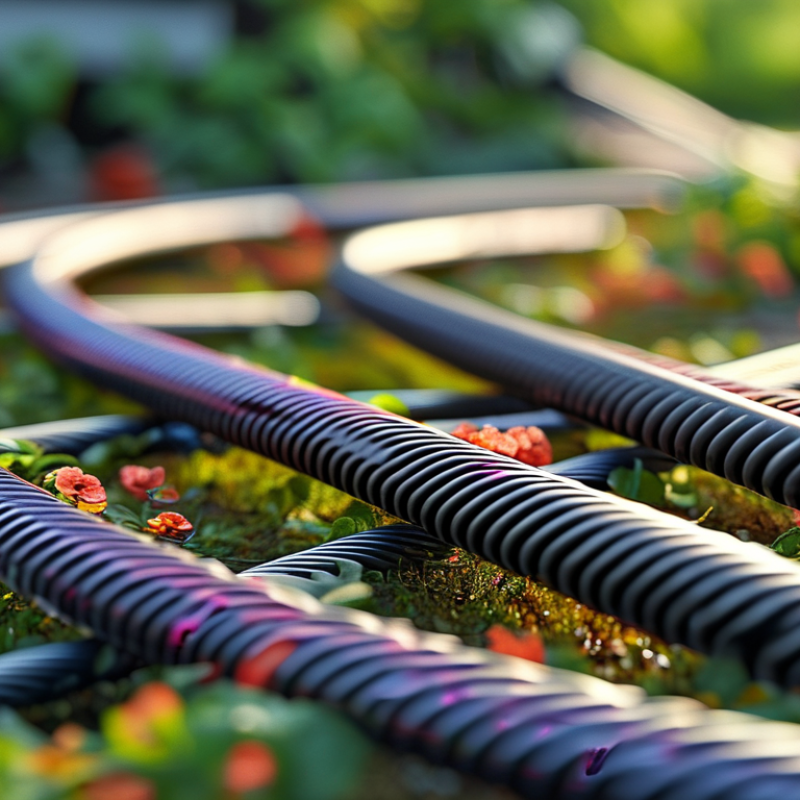
Flat drop cables are vital components in the telecommunications industry. They are designed for efficient communication and data transmission. Their versatility allows them to be used in various applications, from residential installations to large-scale commercial projects. According to a recent industry report, the global demand for flat drop cables is projected to grow by 12% annually, underscoring their increasing relevance.
These cables usually feature a flat design that enables easy installation and organization. They are often used in aerial or underground deployments. The unique construction of flat drop cables minimizes signal loss and maximizes durability. Studies show that these cables can outperform traditional round cables in terms of flexibility and ease of handling. However, choosing the right type can be challenging due to various specifications and environmental factors to consider.
End users should pay attention to specific requirements like weather resistance and tensile strength. Outdoor applications especially require cables that can withstand UV exposure and extreme temperatures. Some reports indicate that improper installation can lead to significant signal degradation. Therefore, careful consideration and expert consultation are advisable to ensure optimal performance and longevity.
Choosing the right flat drop cable for your networking needs requires careful consideration. The performance may significantly depend on factors like installation environment, cable longevity, and overall network efficiency. Industry reports suggest that the right selection can enhance data transmission speeds by up to 10% and reduce installation costs by approximately 15%.
One key factor to evaluate is the cable’s environmental resistance. Flat drop cables are often exposed to various elements, impacting their durability. Ensure that the chosen cable is UV resistant, especially if it will be installed outdoors. Investigate the material and shielding to minimize interference.
Installers should always consider the cable gauge. A lower gauge indicates thicker conductors, which can better handle increased power demands. For many applications, using a 24 AWG cable can strike a balance between flexibility and electrical performance. Pay attention to the specific technical standards that may apply to your installation to avoid potential pitfalls.
Certain lengths may also create challenges, particularly over long distances. Loss of signal strength can lead to decreased performance. It's wise to consult with a networking professional to assess needs accurately. Balancing these factors will ultimately lead to a more efficient and reliable network.
When selecting flat drop cables, assessing durability and environmental resistance is crucial. Cables often face harsh conditions. Extreme temperatures, moisture, and UV exposure can degrade their performance. Choosing a cable that withstands these factors is essential for long-term reliability.
For durability, consider the materials used in the cable's construction. High-quality insulation reduces risks of wear and tear. Additionally, look for weather-resistant jackets. Cables designed for outdoor use should resist sunlight and moisture effectively. These features prevent premature failure in challenging environments.
Environmental resistance tests are vital. They ensure the cable can endure specific conditions. Even the best cables can falter if not properly rated. Research guidelines and standards within the industry. Engaging with professionals can clarify the best options. Relying solely on vendor claims may not provide a complete picture. Balancing cost and quality often leads to better decisions, but it requires careful thought and evaluation.
Choosing the right flat drop cable involves a careful balance between cost and quality. While it may be tempting to opt for the cheaper options available, the implications of poor choices can lead to significant long-term costs. Investing in high-quality flat drop cables often results in better performance and longevity. However, this decision can require a reliable budget assessment.
To make an informed decision, evaluate the specifications of the cables. Look for materials that offer durability and performance. A well-constructed cable may have higher upfront costs, but you will save on replacements and repairs in the future. Understand the installation environment. Cables exposed to harsh conditions may require more rugged options.
Consider seeking advice from industry professionals. Their expertise can guide you toward options that best fit your needs without overspending. Ultimately, reflect on the potential hidden costs of going cheap. Sometimes, lower-quality cables lead to malfunctions or service interruptions, which could outweigh the initial savings.
When considering the installation of flat drop cables, a few key factors demand attention. The route for installation should be planned carefully. Ensure that the cable runs through areas free from sharp edges or excessive bending, as these can compromise its integrity. Avoid over-tightening the cable during installation. This can create undue stress, potentially leading to cable damage over time.
Proper termination is another vital aspect. Each connection point needs an appropriate connector to guarantee a stable signal. Any moisture exposure at these points can lead to corrosion. Therefore, sealing methods should be adopted diligently. When installing flat drop cables outdoors, consider the prevailing weather conditions. Regular checks and maintenance should be part of your routine to ensure long-lasting performance.
Lastly, think about the cable's lifespan. Low-quality installations often lead to early failures, requiring costly re-installments. Invest time in training for the installation team. An informed team can prevent common mistakes that may arise from a lack of experience. Mistakes are learning opportunities. Emphasizing proper training can enhance overall reliability and reduce future issues.
: Assess durability and environmental resistance to ensure long-term reliability.
Extreme temperatures and moisture can degrade performance significantly.
High-quality insulation and weather-resistant jackets reduce wear and tear.
They ensure the cable endures specific conditions effectively.
Evaluate specifications and materials, considering both immediate and long-term costs.
No, engage with professionals for a more complete understanding.
Poor choices may lead to malfunctions that outweigh initial savings.
It helps evaluate the best options without overspending on replacements.
Yes, high-quality cables often lead to better performance and longevity.
Ignoring potential hidden costs associated with low-quality options.
When selecting the right Flat Drop Cable, it is crucial to understand its applications and characteristics. Flat Drop Cables are typically used in various networking and telecommunications settings, offering flexibility and ease of installation. Key factors to consider include the cable's intended use, the environment it will operate in, and the specific performance requirements.
Evaluating the durability and environmental resistance of Flat Drop Cables is essential to ensure long-term reliability, especially in challenging conditions. Additionally, one must weigh the cost against the quality of the cable to make an informed decision. Lastly, installation considerations play a significant role, as proper handling and setup can impact performance. By taking these factors into account, one can successfully choose the most suitable Flat Drop Cable for their needs.

KOCENT OPTEC