Choosing the right Armored Fiber Cable is not a simple catalog exercise. Global buyers face different soil conditions, temperatures, installation methods, and maintenance expectations. A cable that performs well in a European data center may struggle in a humid mine or a sun-exposed industrial yard.
Jim Hayes, founder of the Fiber Optic Association, has said, “The application determines the cable, not the other way around.” That principle guides this overview. It encourages buyers to examine real installation conditions before comparing prices, fiber counts, or jacket colors.
The ten cable types covered here represent practical choices for different network environments. They include metal-armored designs for strong mechanical protection and lightweight, non-metallic options for areas with electrical or corrosion concerns. Some support direct burial. Others suit ducts, aerial routes, indoor risers, or harsh industrial facilities.
Small details matter. Check the armor material, bend radius, tensile strength, crush resistance, water-blocking design, and connector compatibility. Confirm the fiber standard and operating temperature range. Request factory test reports, traceable specifications, and clear warranty terms.
Do not trust impressive labels alone. “Heavy duty” can mean different things across suppliers. A lower-cost cable may also create higher labor costs during installation or repair. That assumption can fail.
This guide compares each type through an experienced buyer’s lens. It considers performance, protection, installation difficulty, maintenance, and long-term value. Regional standards still require careful review. Product availability also changes by market. Therefore, the best choice is not always the strongest cable. It is the cable that matches the route, risk, budget, and future network plan.
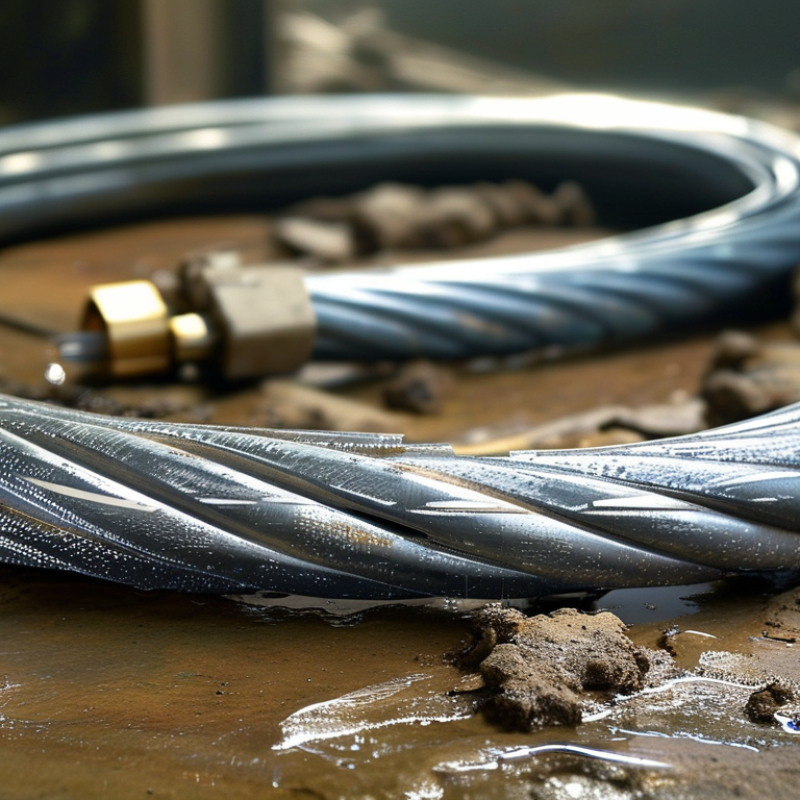
Armored fiber cables protect optical fibers from crushing, impact, rodents, moisture, and repeated bending. Their construction usually includes a fiber core, buffer tubes, strength members, an armor layer, and an outer jacket. The armor absorbs external stress before it reaches the glass fibers. Not every rugged cable needs steel.
Buyers commonly classify these cables by armor material, structure, installation location, and fiber count. Corrugated steel tape armor offers strong crush resistance for ducts and direct-burial routes. Interlocking aluminum armor is lighter and easier to handle indoors. Flexible metal armor suits areas requiring repeated movement. Non-metallic armor, often made with reinforced composite materials, reduces weight and avoids electrical conductivity.
The ten common types include single-armored, double-armored, steel-tape, steel-wire, aluminum-armored, interlocking-armored, flexible-armored, indoor, outdoor, and hybrid indoor-outdoor cables. Single armor fits moderate protection needs, while double armor serves harsh industrial or buried environments. Tight-buffer designs simplify indoor termination. Loose-tube designs better manage moisture and temperature changes outdoors.
Classification should also consider fiber mode, fiber count, bending radius, jacket rating, and connector compatibility. A cable may appear suitable yet fail when its minimum bend radius is ignored. This is a common purchasing mistake. Metallic armor can improve mechanical protection, but it may require grounding and bonding. Non-metallic designs simplify electrically sensitive installations, although their mechanical strength may vary. This classification is useful, but not flawless. Project conditions still matter more than labels.
Armored fiber cable selection depends on structure, installation pressure, and service environment. The ten main types are steel tape armored, steel wire armored, aluminum interlocked armored, corrugated steel armored, double steel wire armored, loose-tube armored, tight-buffered armored, direct-burial armored, aerial armored, and indoor-outdoor armored cable. These categories can overlap. A loose-tube design may also use steel tape or steel wire protection.
Steel tape armor suits ducts and moderate crush exposure. Steel wire armor handles deeper burial and pulling tension. Aluminum interlocked armor is useful indoors because it offers mechanical protection without heavy steel. Corrugated steel armor improves moisture resistance and crush performance. Double steel wire armor fits demanding industrial routes. Loose-tube armored cable protects fibers during temperature changes and long outdoor runs. Tight-buffered cable is easier to terminate in buildings and equipment rooms.
Direct-burial armored cable needs strong water blocking and stable pressure resistance. Aerial armored cable requires a suitable messenger or self-supporting structure, depending on span length. Indoor-outdoor armored cable helps reduce transition points between entry ducts and internal pathways. During purchasing, inspect the cable’s crush rating, tensile rating, minimum bend radius, temperature range, and flame performance. Verify test records against applicable IEC 60794 requirements and local installation rules. A small mismatch can cause trouble. Field conditions are often less predictable than drawings suggest. I would also check gland compatibility, grounding requirements, and the actual pulling route before approving a specification.
Single-mode and multimode armored cables suit different network environments. Single-mode OS2 cables support long-distance links between buildings, campuses, and data centers. They commonly use 9/125-micron fiber and perform well over several kilometers. Loose-tube, tight-buffered, direct-burial, aerial, and indoor-outdoor designs offer practical single-mode choices.
Multimode options include OM3, OM4, and OM5 cables. They fit shorter links inside server rooms, factories, offices, and controlled campus networks. OM3 and OM4 support high-speed transmission over typical data-center distances. OM5 can improve wavelength flexibility, but its benefits depend on compatible equipment. Breakout, distribution, and interlocking-armored constructions complete the ten useful types. Check bend radius carefully. A cable may survive crushing but still lose performance after sharp installation bends.
Tips: Match fiber mode, distance, connector type, and jacket rating before purchasing. For outdoor routes, confirm water blocking, ultraviolet resistance, and temperature limits. Indoor projects often need lighter armor and tighter bend control. I have seen teams choose the strongest cable available, then struggle with heavy trays and difficult termination. More armor is not always better. Measure pulling tension and pathway space on site. Also inspect insertion loss after installation, not only the factory test sheet. A clean connector can matter more than an impressive cable description. When specifications conflict, ask for independent test records and a clear compliance statement.
Top 10 Armored Fiber Cable Types for Global Buyers
Armored fiber cables serve different installation environments, not just different budgets. Indoor tight-buffered, indoor breakout, and indoor distribution cables suit data rooms, risers, and protected factory routes. Outdoor loose-tube, ribbon, and water-blocked designs handle moisture and temperature changes. Direct-burial steel-armored and aluminum-armored cables resist soil pressure, rodents, and accidental digging. Aerial figure-eight and armored ADSS cables support pole routes, while industrial crush-resistant and hybrid fiber-power cables fit harsh production areas. Each design changes pulling tension, bend radius, grounding needs, and repair time.
In practice, cable selection often fails at the transition point. An indoor cable may enter a wet conduit, or an outdoor cable may face sharp cabinet edges. These small details matter. Check the jacket rating, armor material, operating temperature, minimum bend radius, and connector compatibility. For direct burial, confirm soil conditions and burial depth with local engineering requirements. Aerial projects need span length, wind load, ice load, and sag calculations. Industrial sites also require resistance to oil, vibration, welding sparks, and repeated movement.
Tips: Request a cross-section drawing and test report before purchase. Compare pulling strength, crush resistance, attenuation, and flame performance. Leave service loops near cabinets. Do not assume thicker armor is always better; it can increase weight and installation difficulty. Even experienced teams sometimes overlook grounding continuity, especially at mixed indoor-outdoor entrances. Check it twice.
The chart compares representative fiber-count configurations commonly specified for different armored cable designs. Actual fiber counts vary by project requirements, cable diameter, installation method, and applicable standards.
Global buyers compare armored fiber cables by more than outer strength. Armor choice should match the route, handling, and local installation conditions. Corrugated steel armor suits direct burial and demanding industrial paths. Aluminum armor can reduce weight where corrosion and electromagnetic concerns are manageable. Flexible interlocked armor helps indoor transitions, but it may not fit every bend radius.
Fiber count must reflect current links and realistic expansion. A 12-fiber cable may serve a small network, while 48 or 96 fibers support dense backbone growth. More fibers increase diameter, pulling tension, and termination workload. Buyers should check OS2 or OM specifications, attenuation, connector compatibility, and required transmission distance. Standards matter, but certificates alone do not prove field performance. Ask for test records, flame ratings, tensile data, and temperature limits.
Tips: Compare the cable with the actual route drawing. Check ducts, trays, water exposure, bend points, and pulling equipment. Leave spare fibers, but avoid buying capacity without a deployment plan. Installation teams often discover that a technically correct cable is awkward to handle. I have seen projects overlook entry seals and grounding details. That mistake seems minor on paper, yet becomes expensive during commissioning. Require clear markings, measured lengths, and documented inspection steps before acceptance.
| No. | Armored Fiber Cable Type | Typical Armor Construction | Common Fiber Count | Fiber Format | Relevant Standards and Ratings | Typical Installation Needs | Main Advantage / Limitation |
|---|---|---|---|---|---|---|---|
| 1 | Single Steel Tape Armored Loose-Tube Cable | Corrugated galvanized steel tape over the cable core, usually with a polyethylene outer sheath. | 2–288 fibers | Loose tube; commonly single-mode for outside-plant links. | IEC 60794-1-1 and IEC 60794-3; project requirements may also reference ISO/IEC 11801 or ANSI/TIA-568.3-E. | Direct burial, duct installation, utility routes, and areas requiring protection from rodents and crushing. | Good mechanical protection and moderate diameter; less suitable for repeated tight bending than flexible indoor designs. |
| 2 | Double Steel Tape Armored Loose-Tube Cable | Two metallic tape layers, commonly combined with moisture-blocking materials and a robust outer jacket. | 2–288 fibers | Loose tube; single-mode or multimode depending on the network. | IEC 60794-1-1 and IEC 60794-3; flame, water-blocking, and burial requirements are specified separately by the project. | High-risk direct-burial routes, rocky soil, industrial sites, and installations with elevated crushing or rodent exposure. | Higher protection than single-tape armor; heavier, stiffer, and more difficult to terminate. |
| 3 | Steel Wire Armored Cable | Helically applied galvanized steel wires around the core, normally covered by an outer jacket. | 4–144 fibers | Loose tube or central tube; predominantly single-mode for outdoor networks. | IEC 60794-1-1 and IEC 60794-3; mechanical performance is normally verified through tensile, crush, impact, and bend tests. | Long pulls, exposed industrial corridors, bridges, mines, and routes requiring higher tensile strength. | Excellent tensile and crush resistance; larger bend radius and greater weight than tape-armored cable. |
| 4 | Aluminum Tape Armored Cable | Corrugated aluminum tape or aluminum-polymer laminate, with an outer protective sheath. | 2–144 fibers | Loose tube or central tube; single-mode and multimode versions are available. | IEC 60794-1-1; outdoor versions commonly align with IEC 60794-3, while indoor flame performance may require IEC 60332 testing. | Indoor/outdoor transitions, ducts, risers, campuses, and locations where lower weight or corrosion resistance is important. | Lighter and corrosion-resistant compared with steel; generally provides less rodent and crush protection. |
| 5 | Interlocking Aluminum Armor Cable | Interlocking aluminum armor formed around a tight-buffered or distribution-style cable core. | 2–144 fibers | Tight-buffered or distribution; commonly used with multimode or short-reach single-mode fiber. | IEC 60794-2 for indoor cable applications; ANSI/TIA-568.3-E and applicable building fire codes may also apply. | Indoor pathways, data centers, telecom rooms, risers, industrial buildings, and exposed cable trays. | Easy to route and resistant to everyday impact; requires careful grounding and is not automatically rated for direct burial. |
| 6 | Interlocking Steel Armor Cable | Interlocking galvanized steel armor surrounding a tight-buffered or distribution cable core. | 2–96 fibers | Tight-buffered; available in single-mode and multimode configurations. | IEC 60794-2; ANSI/TIA-568.3-E; building fire and smoke requirements may include IEC 60332, IEC 60754, IEC 61034, or local equivalents. | Indoor industrial facilities, equipment rooms, trays, risers, and areas exposed to impact or accidental compression. | Strong mechanical protection without a conduit; heavier than aluminum armor and may require bonding or grounding. |
| 7 | Armored Tight-Buffered Distribution Cable | Metallic tape or interlocking armor applied over individually buffered fibers arranged in a distribution core. | 2–144 fibers | 900 μm tight-buffered fibers, which simplify field termination. | IEC 60794-2; ANSI/TIA-568.3-E; CPR classification under EN 50575 may be required in European building installations. | Indoor backbone links, floor distributors, data centers, risers, and short indoor/outdoor transitions. | Fast termination and good handling; lower pulling strength and water resistance than most loose-tube outdoor cables. |
| 8 | Armored Central-Tube Cable | A central fiber tube protected by steel or aluminum tape, with strength members and an outer jacket. | 2–24 fibers | Central loose tube; usually single-mode. | IEC 60794-1-1 and IEC 60794-3 for outdoor versions; installation specifications define water-blocking and environmental tests. | Access networks, short outside-plant spans, ducts, building entrances, and space-limited routes. | Compact and economical for lower fiber counts; less scalable than stranded loose-tube designs for very high counts. |
| 9 | Armored Microduct Fiber Cable | Compact cable construction with a thin metallic armor layer, designed for small ducts or protected microduct systems. | 2–96 fibers | Loose tube or micro-module; normally single-mode. | IEC 60794-1-1 and IEC 60794-3 where used outdoors; duct dimensions, air-blowing limits, and installation tests are project-specific. | High-density duct networks, urban routes, retrofit projects, and installations where conduit space is limited. | Efficient use of duct capacity and suitable for network expansion; has tighter pulling, bending, and blowing limits. |
| 10 | Armored Indoor/Outdoor Hybrid Cable | Metallic tape or wire armor combined with an outdoor moisture-resistant sheath and indoor flame-rated materials. | 2–144 fibers | Tight-buffered, loose-tube, or hybrid construction depending on the transition design. | IEC 60794-1-1; IEC 60794-2 or IEC 60794-3 as applicable; IEC 60332 and EN 50575 may apply to indoor fire performance. | Campus networks, building entrances, rooftop links, risers, and routes crossing indoor and outdoor environments. | Reduces the need for cable transitions; performance must be checked against both outdoor water exposure and indoor fire-code requirements. |
Common types include steel tape, steel wire, aluminum interlocked, and corrugated steel armored cables. Loose-tube and tight-buffered designs are also widely used. Other options include direct-burial, aerial, industrial, and indoor-outdoor cables.
Steel tape armor suits ducts with moderate crushing pressure. It offers practical protection without excessive weight. Check the pulling route carefully. Tight bends can still cause damage.
Steel wire armor fits routes requiring stronger tensile and crush resistance. It is useful for deeper burial and difficult pulling conditions. Double steel wire armor suits demanding industrial paths. More armor is not always better.
Tight-buffered armored cable is easier to terminate in equipment rooms and buildings. Aluminum interlocked armor can provide mechanical protection with less weight than steel. Check flame performance and connector compatibility before installation.
Direct-burial cable needs strong water blocking and stable pressure resistance. Steel-armored and aluminum-armored designs can resist soil pressure and accidental digging. Confirm soil conditions and burial depth with local engineering requirements.
Aerial cable needs a suitable messenger or self-supporting structure. Designers should check span length, wind load, ice load, and sag. Pole routes need careful planning. Drawings can mislead.
It can reduce transition points between outside ducts and indoor pathways. This may simplify installation near building entrances. Still, inspect jacket ratings, bend radius, grounding, and cabinet edges.
Review crush rating, tensile rating, minimum bend radius, temperature range, and flame performance. Also inspect attenuation, water blocking, grounding continuity, and gland compatibility. Request a cross-section drawing and test records. Small mismatches cause trouble.
Leave service loops near cabinets and protect cables from sharp edges. Match pulling strength to the actual route, not only the design drawing. Check mixed indoor-outdoor entrances twice. Field conditions are rarely perfect.
Armored Fiber Cable is designed to protect optical fibers from crushing, impact, moisture, rodents, and other environmental stresses. Its main classifications are based on armor structure, installation location, fiber mode, and intended application. Common types include metal-armored and nonmetallic armored designs, with options for single-mode transmission over long distances and multimode transmission in shorter, high-bandwidth networks. Each construction offers different levels of flexibility, protection, weight, and ease of installation.
The ten primary types generally cover indoor, outdoor, direct-burial, aerial, ducted, industrial, and specialized cable designs. Global buyers should compare fiber count, armor material, bending performance, flame and water resistance, temperature range, and compliance with relevant international standards. Installation conditions are equally important: indoor systems may prioritize flexibility and fire performance, while outdoor and industrial networks require stronger protection against weather, mechanical stress, chemicals, or vibration. Selecting the right cable means balancing network capacity, site conditions, installation methods, maintenance requirements, and long-term reliability.

KOCENT OPTEC