Engineered for low-attenuation transmission, high physical durability, and precise insertion loss values matching global telecom benchmarks.
In modern telecommunications, the
Information Gain Insight: Buying "cheap" fiber should never mean compromising on core glass properties. In fiber optics, CapEx is heavily front-loaded in installation costs. Using low-grade fiber leads to Micro-bending losses and fast degradation, which can triple OpEx expenses within just three years. Genuine cost-effective procurement relies on precision engineering, standardized manufacturing, and high-performance raw materials.
By leveraging standardized structural forms—such as zipcord, round, or flat-drop configurations—manufacturers reduce raw plastic usage without diminishing tensile strength. This ensures highly competitive unit costs alongside reliable structural performance.
Modern duplex systems require flawless compatibility with SFP, SFP+, and QSFP transceivers. 2-fiber solutions are designed to deliver low insertion loss (IL < 0.2dB) at standard wavelength windows (850nm, 1310nm, 1550nm).
Whether in dense metropolitan areas or long-span rural networks, 2-fiber drop configurations support fast splicing and direct-to-home setups, shortening deployment schedules for network operators.
Evaluating structural, optical, and environmental properties ensures that cost-optimized cables remain stable over operational life cycles exceeding 25 years.
For procurement professionals, understanding performance specifications is crucial to achieving high system value. We maintain tight parameters across every critical specification limit:

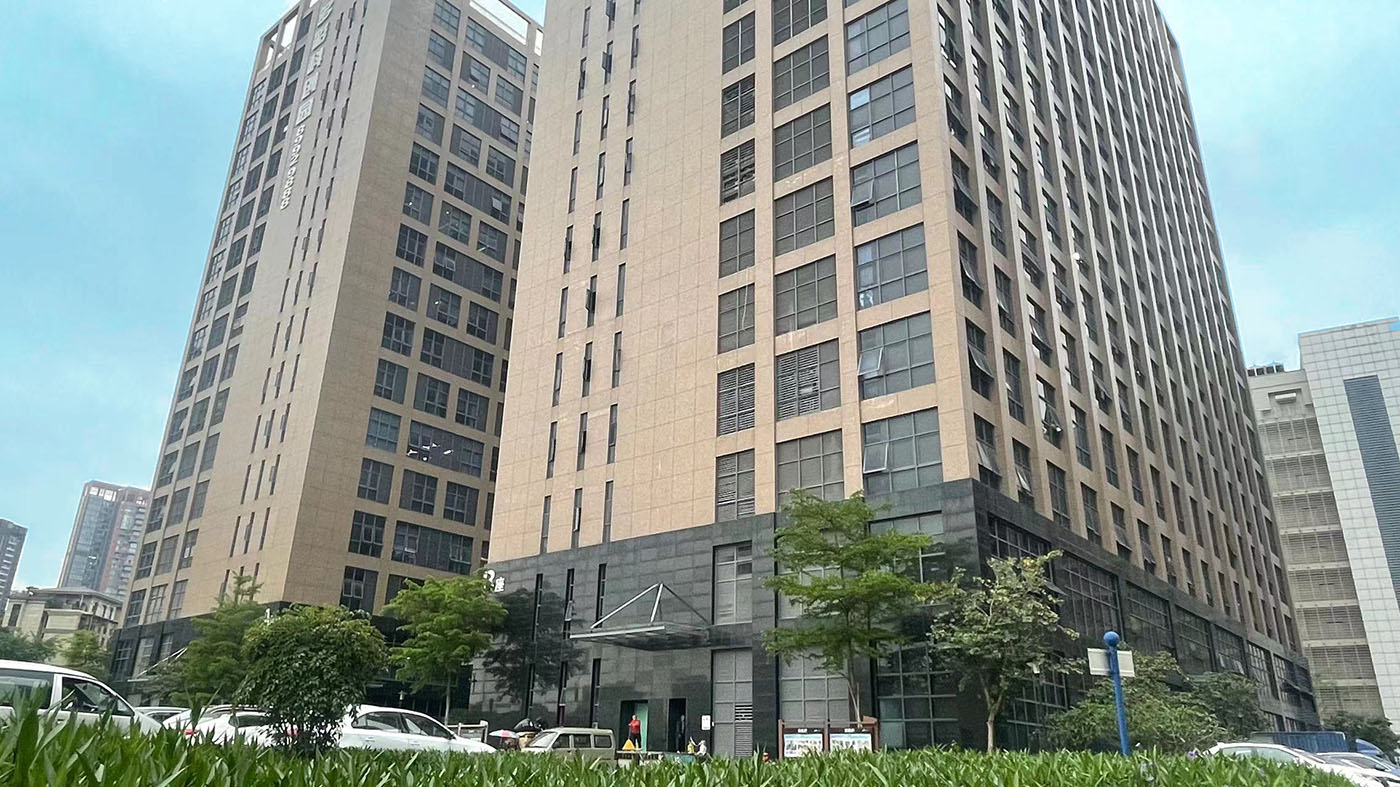
Established in 2012 in Hong Kong as a hi-tech communication enterprise, Kocent Optec Limited has emerged as one of China's leading fiber optic termination product manufacturers and solution providers.
We are dedicated to developing and manufacturing high-performance fiber optic communication products. Our offerings cover both passive and active categories, tailored for telecommunication networks, enterprise infrastructures, and modern high-density data centers. Our ultimate mission is to build highly reliable optical links that enhance our customers' operational efficiency.
By leveraging our extensive experience and production capacity, we help our clients optimize CapEx and outperform competitors. We emphasize collaborative partnership, designing solutions that directly improve transmission reliability and network uptime.
“With more than 13 years of experience in manufacturing telecommunication fiber optic products, we strictly follow international industry standards (ITU-T, IEC, Telcordia GR-326-CORE) by using mature scientific methods to deliver your products on time. We ensure that 100% of our products are thoroughly tested and inspected before shipment.”
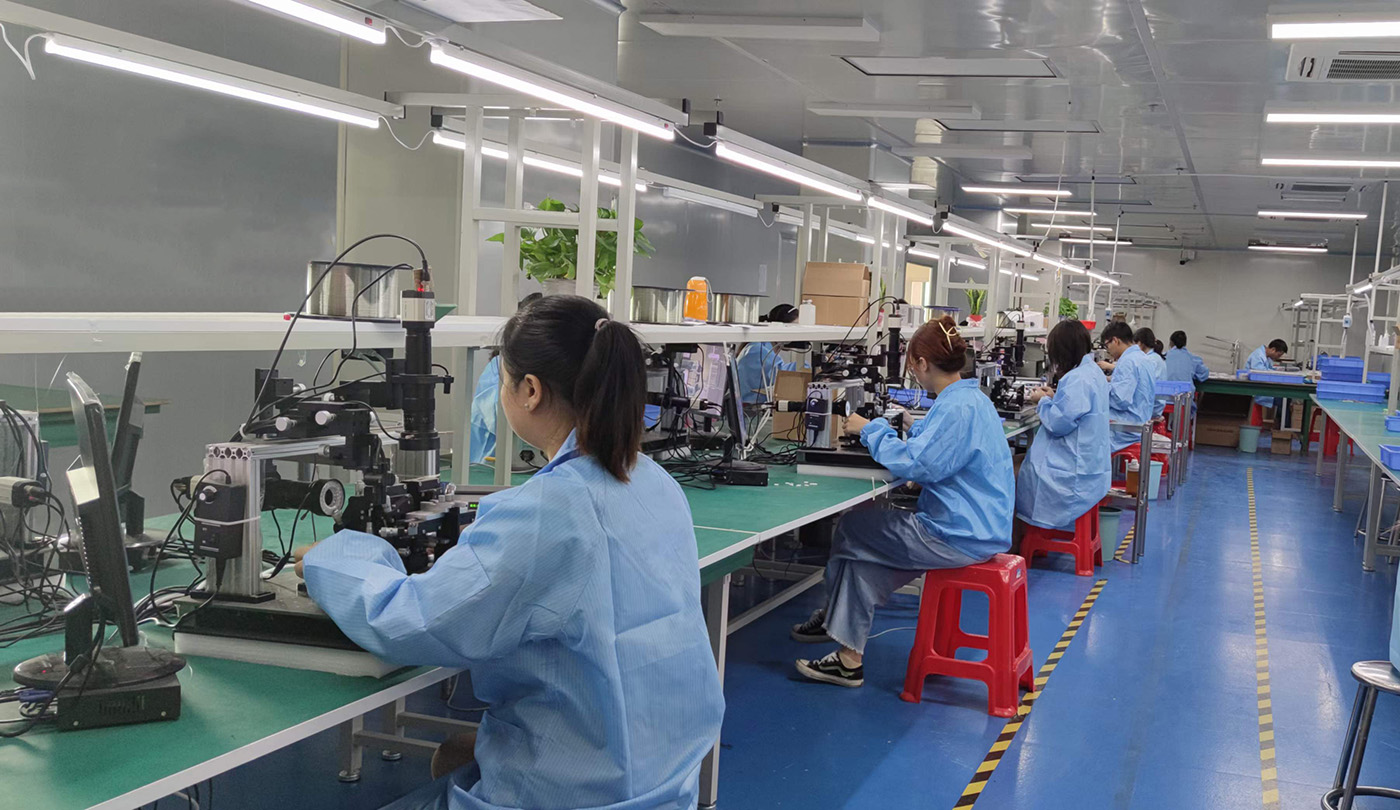
Our quality assurance program is designed to prevent failures in the field. Every 2-fiber assembly and bulk cable undergoes strict optical, structural, and environmental validation:
How different sectors utilize 2-fiber optic layouts to construct scalable, low-latency communication links.
Using lightweight 2-fiber flat bow-type drop cables, telecom operators deploy one active fiber link for consumer broadband services, reserving the second dark fiber for redundant routing, system monitoring, or future bandwidth upgrades.
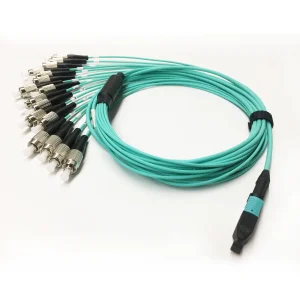
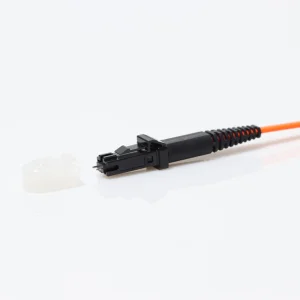
Duplex patch cables (such as LC-LC or MTRJ-MTRJ) form high-density cross-connect fields inside data centers. These components link SFP+/QSFP ports on server rows back to central distribution patch panels with minimal optical loss.
Protected within heavy-duty armoring (like corrugated steel tapes), 2-fiber layouts run alongside high-voltage transmission lines or inside factory floors. This setup provides noise-immune communication for control networks and sub-stations.
Years of sales and service experience have enabled us to win customers from East Asia, Southeast Asia, the Middle East, Europe, South America, North America, and Africa. Many of our OEM and ODM products have won Telecom Operator tenders and satisfy strict end-user requirements. Our terminal partners include:
Modern optical networks are shifting toward higher-density enclosures and tougher installation environments. Standard fiber structures must evolve to prevent micro-bend light leakage when routed around sharp building corners.
By default, integrating G.657.A2 bend-insensitive fibers allows bend radii as small as 7.5mm. This simplifies routing through tight conduits inside homes and offices, minimizing signal degradation.
With tightening environmental regulations, we are expanding our LSZH and CPR-compliant jacketing materials. This shift helps reduce toxins in industrial fire scenarios without impacting performance.
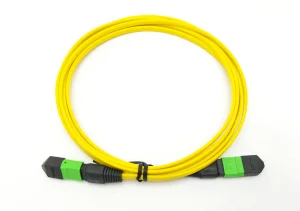
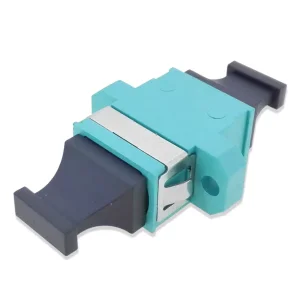
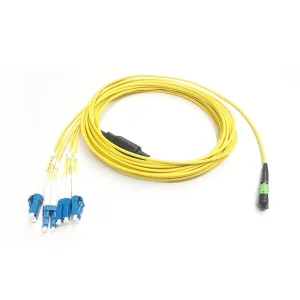
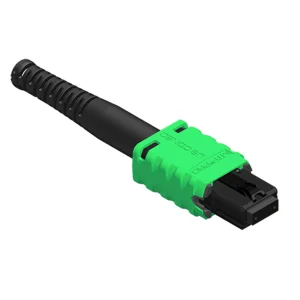
Our ongoing R&D focuses on decreasing alignment tolerances for standard connectors (such as LC, SC, and MTP/MPO), maintaining insertion losses of less than 0.15dB for high-speed transmission networks.
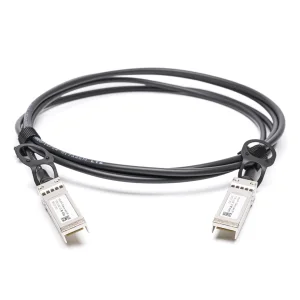
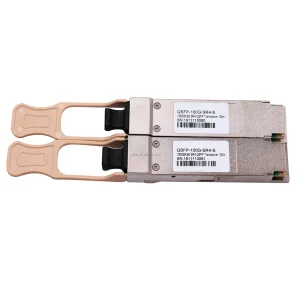
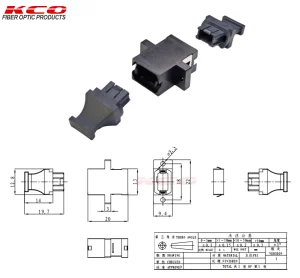
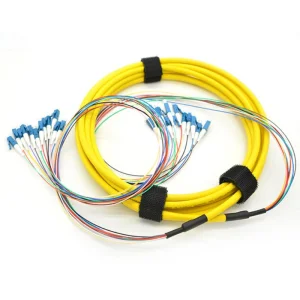
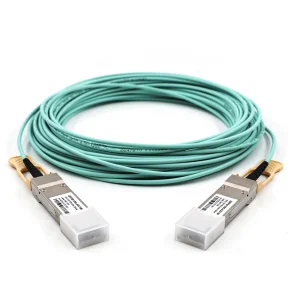
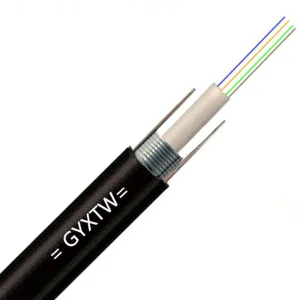
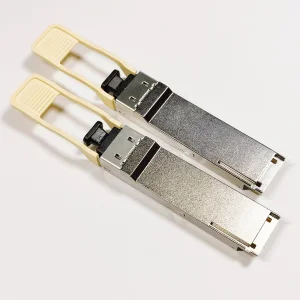
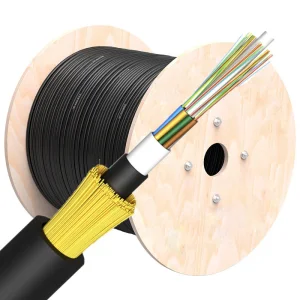
High-speed active and passive interconnect components designed for high-density architectures.
Crucial technical answers to help engineering and purchasing teams make informed, cost-effective fiber sourcing decisions.
 KOCENT OPTEC