In modern optical telecommunication infrastructures, selecting the appropriate cable structure is crucial to securing long-term network operational continuity. A 24 Core Single Mode Fiber Optic Cable represents a fundamental backbone segment, bundling 24 individual glass strands within an engineered protective jacket assembly. Understanding the physical layout, core geometries, and mechanical configurations of these cables is vital for enterprise networks, telecommunications carriers, and optical systems integrators.
Historically, optical signals have suffered from attenuation and physical degradation when deployed in harsh environmental environments. To combat this, manufacturers categorize 24-core cable architectures into loose tube constructions (for external, water-blocking utility paths) and tight-buffered constructions (primarily for indoor, low-smoke zero-halogen vertical risers).
While ITU-T G.652.D is the industry workhorse for zero water peak, long-haul transmission, bend-insensitive fiber complying with ITU-T G.657.A2 provides a tighter bend radius profile (down to 7.5mm) suitable for compact distribution enclosures and high-density optical distribution frames (ODF).
For heavy-duty outdoor deployments, the GYTA and GYTS configurations remain standard benchmarks:
| Fiber Type / Standard | Attenuation (dB/km) @ 1310nm | Attenuation (dB/km) @ 1550nm | Dispersion Coeff. (ps/nm·km) | Minimum Bending Radius |
|---|---|---|---|---|
| ITU-T G.652.D (Standard SMF) | ≤ 0.35 | ≤ 0.21 | ≤ 18.0 (at 1550nm) | 20 x Cable Outer Diameter (Dynamic) |
| ITU-T G.657.A1 (Bend Insensitive) | ≤ 0.35 | ≤ 0.21 | ≤ 18.0 (at 1550nm) | 10mm (Dynamic) |
| ITU-T G.657.A2 (Enhanced Bend Insensitive) | ≤ 0.35 | ≤ 0.20 | ≤ 18.0 (at 1550nm) | 7.5mm (Dynamic) |
Across the global market, infrastructure spend is shifting toward high-density, future-proof optical topologies. A 24-core single mode layout operates at the sweet spot of capital expenditure (CapEx) efficiency and scalable data-throughput potential. Rather than deploying lower fiber count cables (like 4, 8, or 12-core options) that require premature upgrades, utility planners opt for 24 cores to allocate distinct pathways for active traffic, physical redundancy, and dark fiber leasing.
Enabling seamless east-west traffic propagation between high-density clusters. Single-mode G.652.D glass ensures zero-water-peak dispersion, allowing 100G, 400G, and 800G coherent transmission optics to run at maximum distances without signal regenerators.
Cell tower macro-stations demand reliable, low-latency, and high-capacity backhaul networks. 24-core runs allow carriers to isolate discrete fiber channels for high-frequency user traffic, remote management, and multi-tenant sharing.
Continuous monitoring over hundreds of kilometers requires optical ground wire (OPGW) or dielectric self-supporting (ADSS) cables. The 24-core backbone transports distributed acoustic sensing (DAS) and temperature monitoring (DTS) metrics simultaneously.

Kocent Optec Limited established in 2012 in Hongkong as a hi-tech communication enterprise, is one of China's leading fiber optic termination product manufacturer and solution provider. We are dedicated to developing and manufacturing fiber optic communication products ranging from passive to active categories for telecommunication networks, enterprise networks, and data centers.
By leveraging our extensive experience and excellent production capacity we gained over the years, we magnify the outcome for our valuable customers, which ultimately expands their core competencies and helps them outperform competitors. We place emphasis on customer collaboration, and we define ourselves as your valuable partner in fiber optic connection solutions. We believe our differentiators are your perceived advantages.
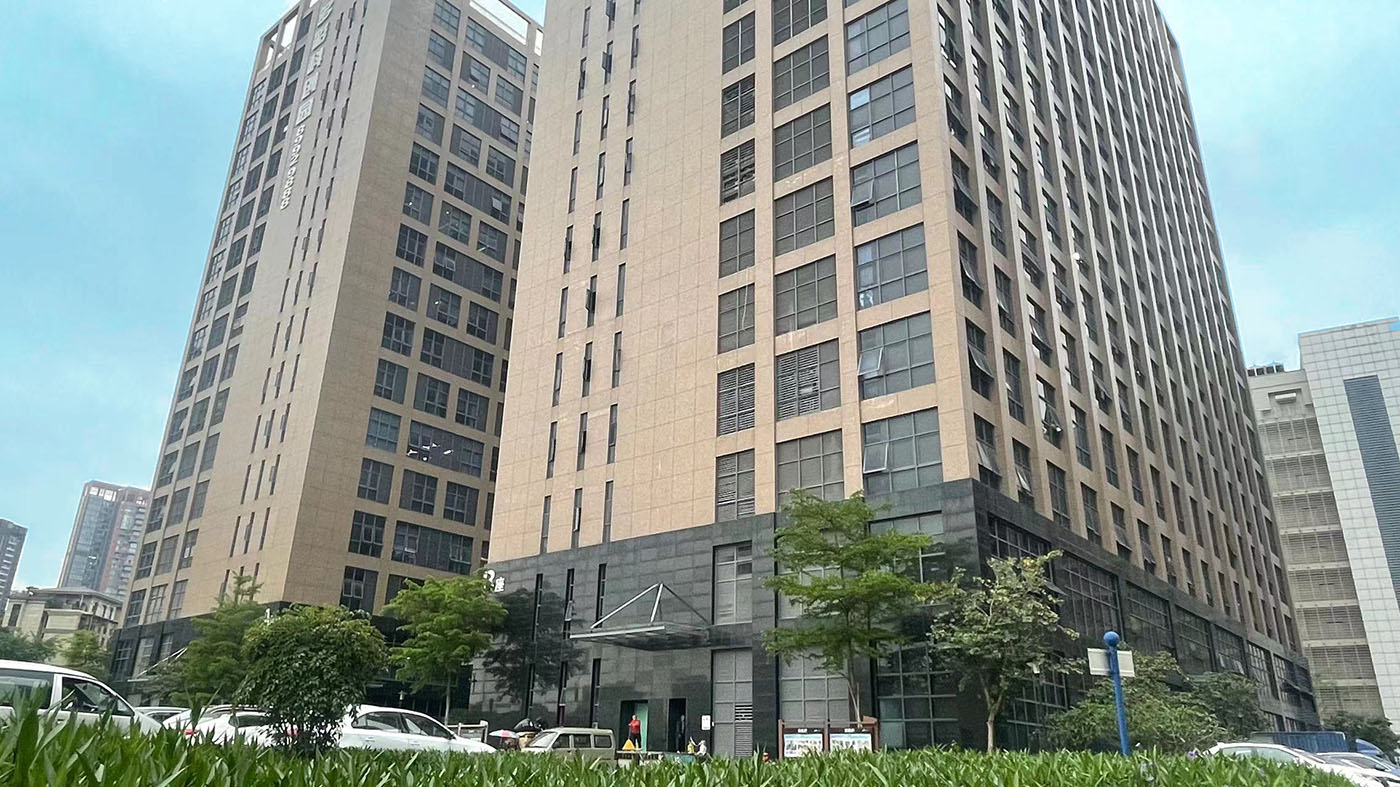
With more than 13 years of experience in manufacturing telecommunication fiber optic products, we follow strictly fiber optic industry standards by using mature scientific methods to deliver your products on time and ensure that 100% products are tested and inspected before shipment.
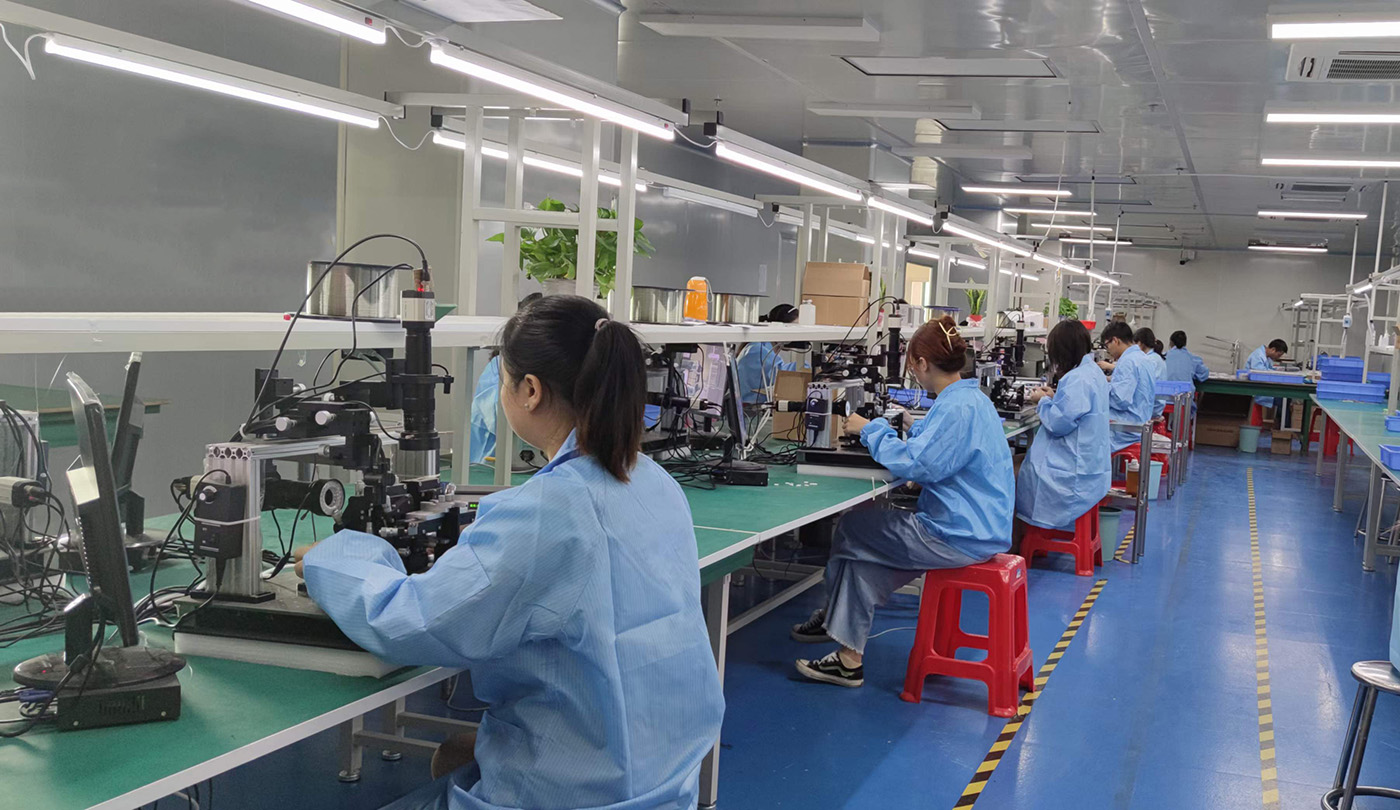
Win-win cooperation is our constant goal. Many of our OEM and ODM products won the Telecom Operator tenders and satisfy the stringent requests of end-users globally. Years of sales and service experience have enabled us to win customers from East Asia, Southeast Asia, Middle East, Eastern Europe, Western Europe, Northern Europe, South America, North America, North Africa, and South Africa.
Our main terminal telecom operators include: SingTel, Vodafone, America Movil, Telefonica, Bharti Airtel, Orange, Telenor, VimpelCom, TeliaSonera, Saudi Telecom, MTN, Viettel, Bitel, VNPT, Laos Telecom, MYTEL, Telkom, Telekom, Entel, FiberTel, StarFiber, Ooredoo, Beeline, Azercell.
Operating in different geographical regions means meeting distinct international and national standards. For European public networks, construction products regulation (CPR) compliance dictates sheathing classifications such as B2ca, Cca, and Dca. In North American jurisdictions, compliance with UL (Underwriters Laboratories) standards and the National Electrical Code (NEC) for plenum (OFNP) and riser (OFNR) spaces is mandatory.
At Kocent Optec Limited, our manufacturing pipeline undergoes routine audits to ensure alignment with international standards:
Every batch of 24 Core Single Mode Fiber Optic Cables undergoes an exhaustive battery of testing before shipment. We utilize high-precision OTDRs (Optical Time Domain Reflectometers) to map the attenuation curve of each fiber, ensuring no localized micro-bends or structural defects exceed 0.05dB at 1310nm/1550nm wavelengths. Geometric inspection of core concentricity ensures minimal splice loss during installation.
Understanding the practical application context of 24-core fiber cabling helps match the correct cable type to the installation environment:
In highly populated European cities, physical space within municipal underground utility pathways is limited. Planners use low-friction, high-density 24-core micro-cables, blowing them into 10/8mm micro-ducts using high-pressure pneumatic compressors. This minimizes physical civil work and capital costs.
For rural connectivity programs across South America and Southeast Asia, installing cables on existing electrical distribution poles is the fastest path to deployment. All-Dielectric Self-Supporting (ADSS) 24-core cables use high-modulus aramid yarns to withstand wind, ice, and sag tension over spans up to 200 meters without a steel messenger wire.
In regions with rocky soils or high rodent populations (such as parts of North Africa and the Middle East), direct burial of standard cables is risky. Utilizing a 24-core double-jacket corrugated steel tape armored design (GYTY53) provides mechanical protection against crush forces and rodent attacks.
As the industry transitions towards Terabit-scale transport systems, the requirements on the optical medium are changing. Emerging technologies like Space Division Multiplexing (SDM), multicore fibers, and hollow-core designs are moving from development to real-world deployments. However, 24-core single mode networks will remain a key architectural standard for years to come.
Future upgrades will focus on sheathing material safety. Kocent Optec is advancing research into bio-based LSZH polymers that lower the overall environmental footprint of network construction while maintaining compliance with rigorous flame, smoke, and toxicity standards.
 KOCENT OPTEC