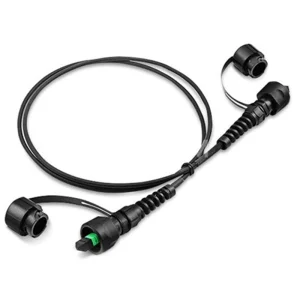
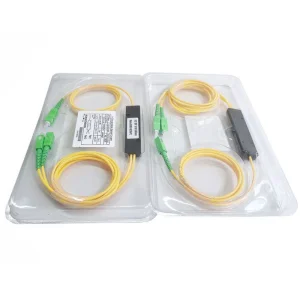
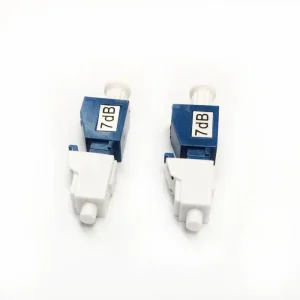
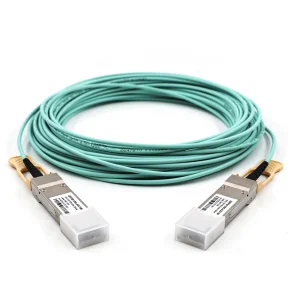
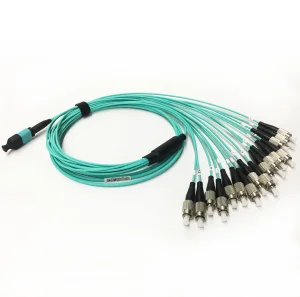
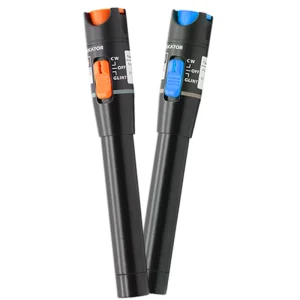
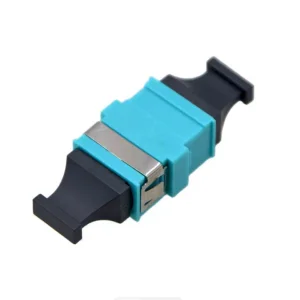
Engineered to comply with international telecommunication standards, featuring 100% end-of-line testing for unmatched dependability.
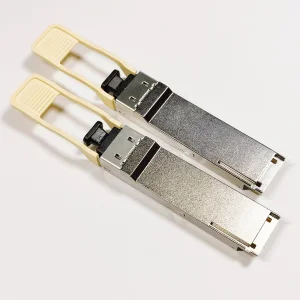
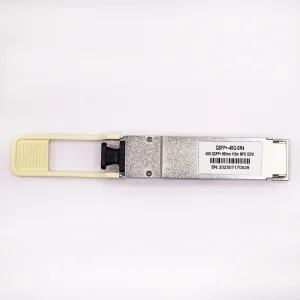

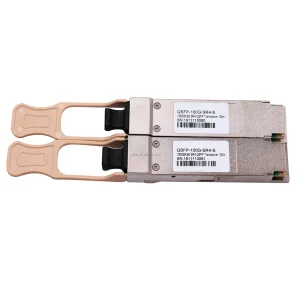
Modern telecommunication channels and hyper-scale data centers require robust, high-performance bandwidth solutions to survive in the era of Artificial Intelligence, cloud computation, and massive Internet-of-Things (IoT) expansion. Historically, networks scaled increment by increment, but the transition to 40G QSFP+ (Quad Small Form-factor Pluggable) modules represents a major technological leap.
By using parallel optical technology or wavelength division multiplexing (WDM), 40G transceivers provide four independent transmit and receive channels, delivering aggregate speeds that sustain critical core-to-distribution networks. Selecting high-integrity suppliers and leveraging strategic Chinese factory capacities has become essential to ensuring optimal link budgets, reliable compatibility, and sustained cost-efficiency.
As a leading communication enterprise established in 2012, Kocent Optec Limited helps global clients navigate these transitions. Our solutions cover both passive and active infrastructures, ensuring your path to higher capacities is seamless and reliable.

Why leading telecommunication networks choose Chinese engineering and manufacturing ecosystems for optical transceivers.
By centering operations inside key tech hubs, factories enjoy immediate access to silicon photonics, high-performance laser diodes, PCB prototyping facilities, and high-frequency connectors. This proximity drastically reduces manufacturing cycles and limits logistical delays.
Premium Chinese manufacturers follow strict Quality Management standards (ISO9001, CE, FCC, RoHS). Transceivers must pass rigorous eye diagram evaluations, bit-error-rate (BER) validation, thermal cycling tests, and multi-vendor switch compatibility verification.
Fully automated assembly lines, high-accuracy pick-and-place robotics, and cleanroom packaging spaces allow factories to fulfill massive bulk orders. This speed and efficiency helps network engineers meet demanding build-out deadlines.

By combining refined design methodologies and advanced manufacturing techniques, China's optical transceivers match or exceed OEM specifications. This capability enables global tier-one carriers to reduce capital expenditure (CAPEX) without introducing latency or failures to the network link.
From passive multiplexers to active 40G QSFP+ transceivers, China's optical ecosystem provides robust, standardized products. These solutions are built to resist extreme temperature fluctuations and keep insertion loss minimal, even under challenging field conditions.
A look at how 40G SFP (QSFP+) modules interface with active networks to deliver high data throughput.
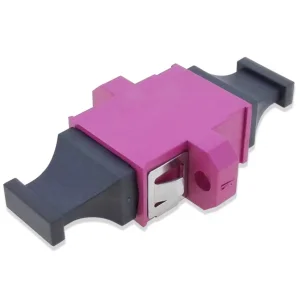
In modern data centers, traffic is predominantly East-West. 40G QSFP+ modules connect Leaf switches directly to Core Spine switches using low-latency multi-fiber MPO assemblies. This arrangement ensures predictable network speeds across the infrastructure.
We write device-specific firmware codes onto EEPROMs, which allows our transceivers to integrate easily with major hardware suppliers like Cisco, Juniper, Arista, and Huawei. This compatibility ensures trouble-free installation and keeps network updates smooth.
Equipped with DDM (Digital Diagnostics Monitoring), these transceivers let network administrators monitor real-time factors like laser temperature, bias current, optical output power, receiver input power, and supply voltage.
Our commitment to quality, timely delivery, and competitive pricing has helped us win projects with top telecom companies and service providers around the globe.
Established in 2012 in Hong Kong as a high-tech communication enterprise, Kocent Optec Limited has grown into one of China's premier fiber optic termination product manufacturers and solution providers.
We are dedicated to developing and manufacturing fiber optic communication products, ranging from passive components to active modules. These solutions are designed to optimize telecommunication networks, enterprise infrastructures, and data centers.
By leveraging our manufacturing experience and scale, we help our customers improve network performance, lower maintenance costs, and establish competitive advantages in their respective markets. We focus on open collaboration, working as a trusted, long-term technical partner rather than just an equipment vendor.
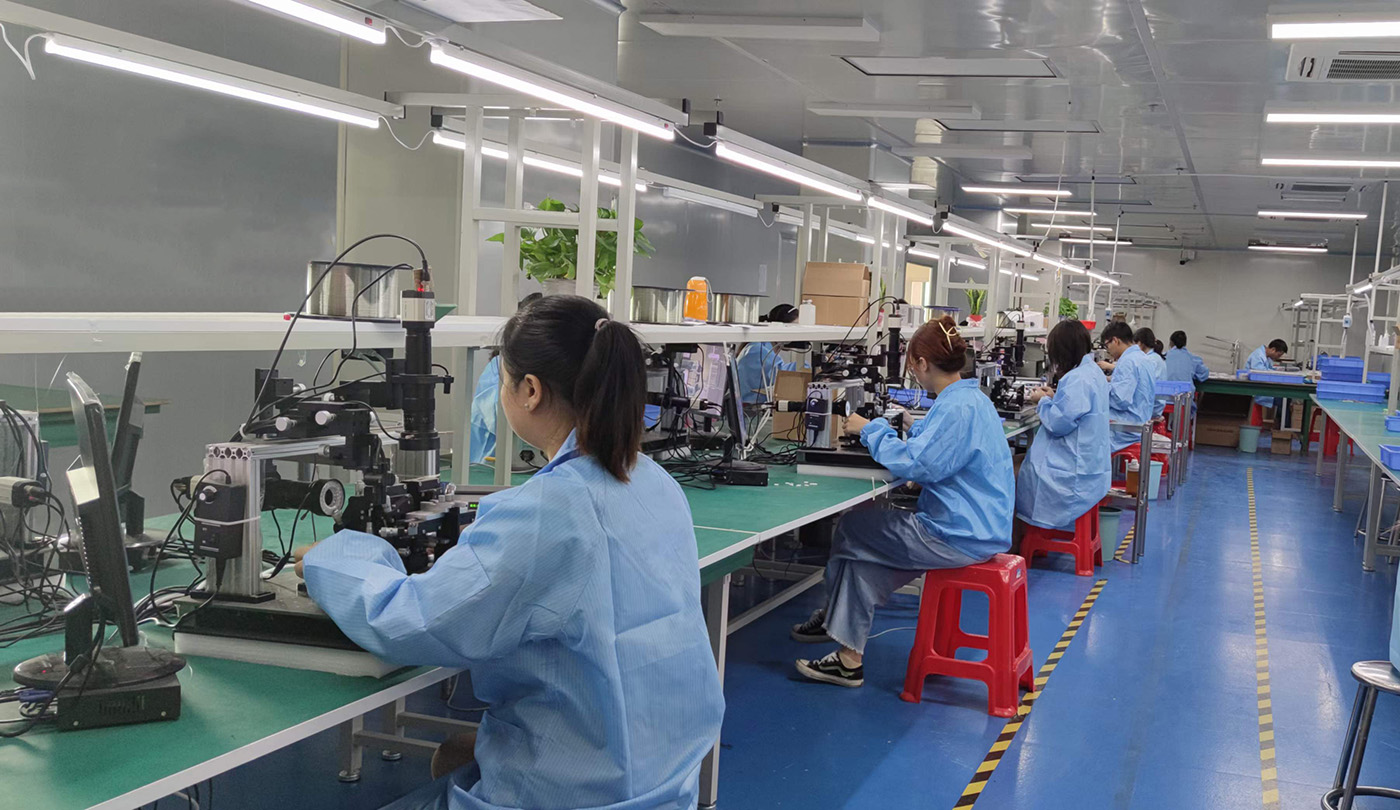
Strict adherence to international standards ensures reliable performance under demanding network conditions.
Technical answers to key sourcing and engineering questions from global network buyers.
Engineered to support seamless upgrades in telecommunication backbones and enterprise data centers.
 KOCENT OPTEC