In the era of hyper-connectivity, cloud migration, and 5G densification, duct fiber optic cables serve as the primary vascular system of municipal, metropolitan, and inter-city telecommunication grids. Unlike direct buried or aerial installations, duct fiber deployment offers unmatched physical protection, long-term scalability, and the unique flexibility to pull or blow new optical media through pre-installed conduits without expensive civil disruption.
As global telecom operators speed up their FTTx rollouts, the demand for high-density, reliable, and customized ODM Duct Fiber Optic Cables has reached historic highs. Municipalities, hyper-scale data center operators, and private enterprise networks require tailored structural cable options—ranging from micro-sheath air-blown fibers to heavy-duty double-jacket armored cables—designed to survive severe local soil stresses, rodent threats, and moisture infiltration.
Environmental stress factors dictate the mechanical and optical design of fiber cables. Standard off-the-shelf options often fail due to unique geological, atmospheric, or mechanical requirements. Localized applications call for customized design specifications:
In highly populated urban centers, traditional trenching is prohibitively expensive and disruptive. Microduct system design relies on air-blown micro-cables (typically using 200μm ultra-bend-insensitive ITU-T G.657.A2 fibers). These fibers are blown into HDPE microducts over distances exceeding 1,000 meters under low friction coefficients, significantly cutting down on installation time.
Duct paths located in regions with high water tables or heavy monsoon seasons face long-term moisture exposure. For these environments, custom ODM manufacturers produce double-jacket duct cables utilizing water-blocking gels, swellable yarns, and copolymer-coated steel tape armor (such as GYTS designs). This setup ensures long-term resistance to water ingress and hydrogen aging.
Urban sewer ducts and industrial utility tunnels are common nesting sites for rodents, which can chew through standard polyethylene jackets. In these scenarios, cables are reinforced with corrugated steel tape armor, high-tensile glass yarns, or specialized anti-rodent chemical additives within the outer jacket, guaranteeing zero-downtime service.
The longevity of duct fiber networks hinges directly on structural design choices and material selections. When seeking an ODM partner, engineering departments should carefully evaluate three crucial mechanical dimensions:
While traditional metropolitan backhauls utilize standard single-mode fibers (G.652.D), congested microduct environments demand G.657.A2 (bend-insensitive) configurations. G.657.A2 fiber reduces the minimum bend radius down to 7.5 mm, minimizing macro-bending losses at sharp duct bends, access manholes, and distribution enclosures.
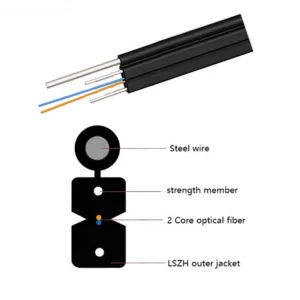
During installation, cables encounter high pulling forces. An optimal ODM cable layout uses high-strength Central Strength Members (CSMs) made of fiber-reinforced plastic (FRP) or steel wire, wrapped with dry water-blocking materials. The outer sheath is extruded using high-density polyethylene (HDPE), which offers a low coefficient of friction and high UV protection.
| Parameter | Standard Specification | Performance Target |
|---|---|---|
| Crush Resistance | IEC 60794-1-2-E3 | 1000 N/100 mm to 2200 N/100 mm |
| Tensile Load Limit | IEC 60794-1-2-E1 | Short term: 1500N | Long term: 600N |
| Temperature Profile | IEC 60794-1-2-F1 | Operation: -40°C to +70°C |
| Water Penetration | IEC 60794-1-2-F5B | 3m sample, 1m water column, 24 Hours: No leakage |
Partnering with a leading Chinese ODM manufacturer like KOCENT OPTEC LIMITED provides significant cost and supply chain advantages. Our strategic presence in Hong Kong and manufacturing centers in mainland China allows us to combine global logistical access with cost-effective, high-volume production.
Advanced Production & Raw Material Control: We source premium optical preforms, high-purity glass, and rugged outer jacket compounds in bulk. This vertical integration allows us to offer competitive quotes while insulating clients from localized material shortages.
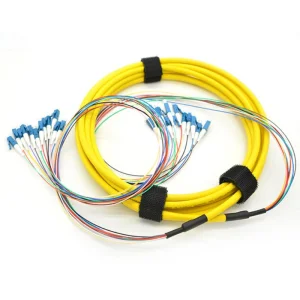
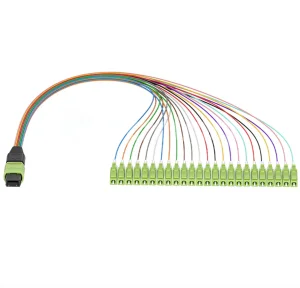
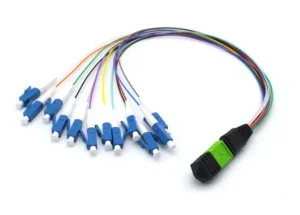
Customized ODM Prototyping: Our production lines are built for rapid scaling. Whether you require customized color codes, pre-connectorized breakout fanouts, or tailored packaging sizes (such as 2km, 4km, or 6km drum lengths), our engineers design and deliver specialized products to minimize field splice rates.
Established in 2012 in Hong Kong as a high-tech communication enterprise, Kocent Optec Limited has grown to become one of China's premier fiber optic termination product manufacturers and solution providers. We are dedicated to developing and manufacturing passive and active fiber optic communication products for telecommunication networks, enterprise networks, and modern data centers.

By leveraging our extensive production experience and capacity, we maximize return-on-investment for our customers—helping them strengthen their core competencies and outperform their competitors. We emphasize collaborative partnership, defining ourselves as a trusted extension of your engineering and procurement teams.
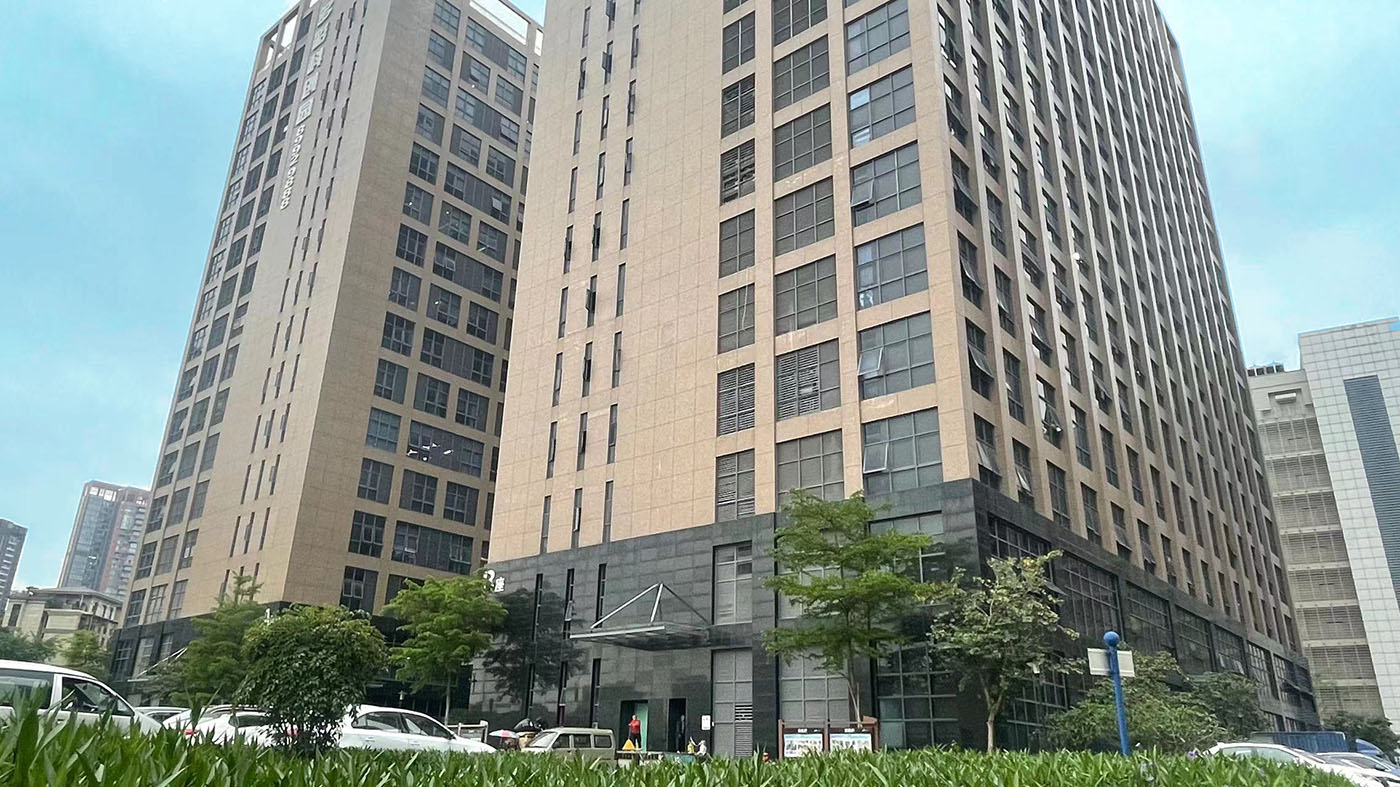
With over 13 years of experience in manufacturing telecommunication fiber optic products, we strictly follow international industry standards. We employ mature, scientific testing methodologies to deliver your products on schedule, ensuring that 100% of products are tested and inspected before shipment.
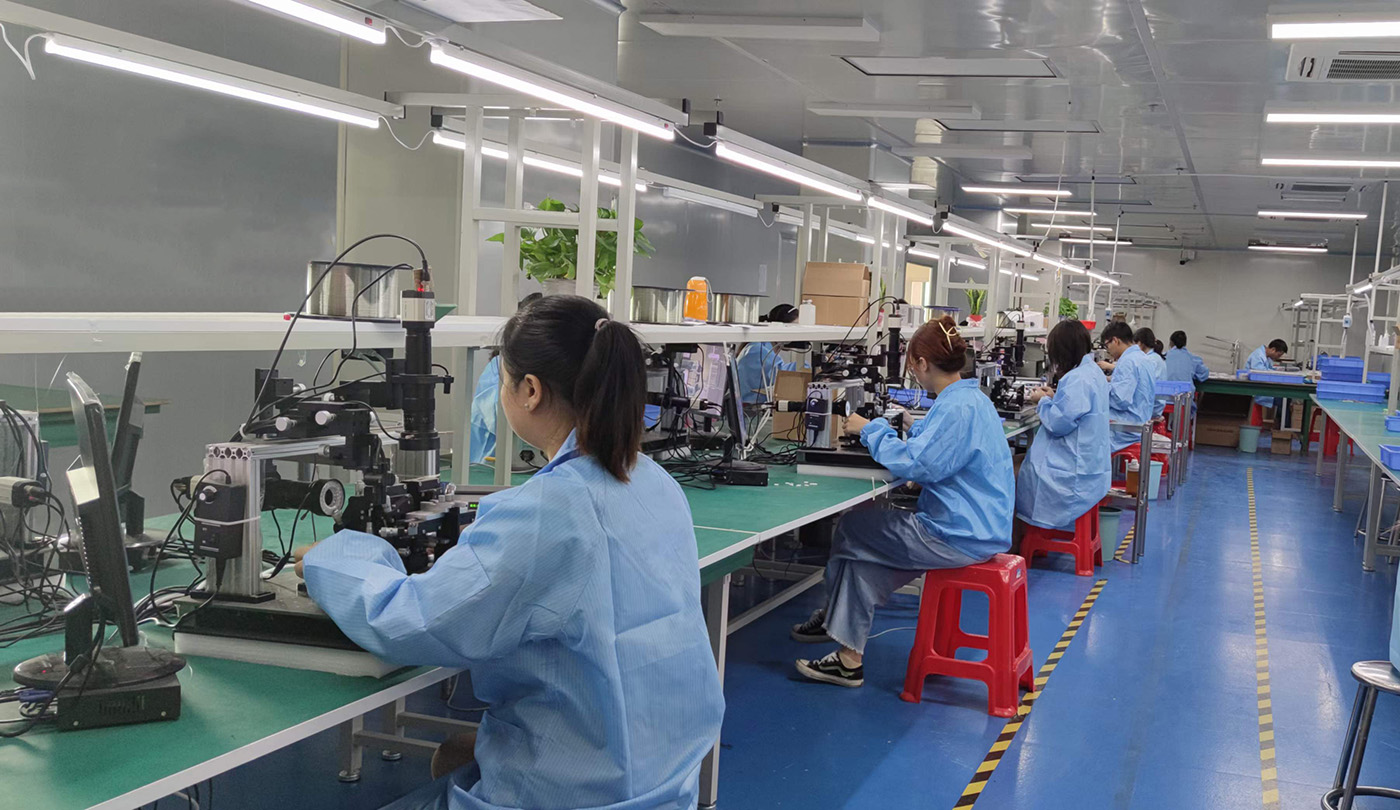
Years of sales and service experience have enabled us to win customers from different regions. Today, we support telecommunication operators and enterprise distributors across East Asia, Southeast Asia, the Middle East, Eastern Europe, Western Europe, Northern Europe, South America, North America, North Africa, and South Africa.
Win-win cooperation remains our constant goal. Many of our OEM and ODM products have won major telecom operator tenders, meeting the strict requirements of tier-1 companies. Our primary operator partners include: SingTel, Vodafone, America Movil, Telefonica, Bharti Airtel, Orange, Telenor, VimpelCom, TeliaSonera, Saudi Telecom, MTN, Viettel, Bitel, VNPT, Laos Telecom, MYTEL, Telkom, Telekom, Entel, FiberTel, StarFiber, Ooredoo, Beeline, and Azercell.
 KOCENT OPTEC