Understanding the physics, structural engineering, and procurement metrics of optical attenuation in next-generation high-density datacom, long-haul telecom, and active optical networks.
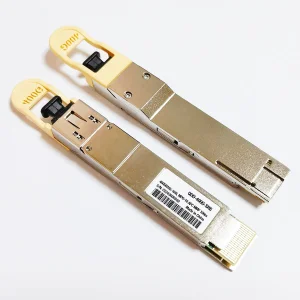
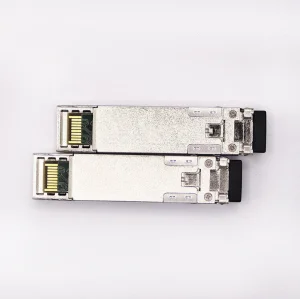
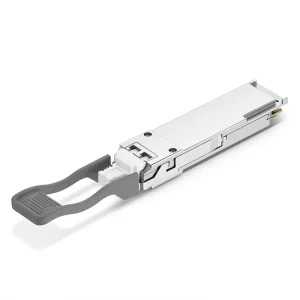
In modern optical fiber transmissions, maintaining the optical power level within the linear dynamic range of the receiving photodetector is paramount. Optical fiber attenuators are passive components designed to decrease the optical power of a light beam without significantly changing its wave shape. An excess of optical power will saturate the PIN or APD (Avalanche Photodiode) receiver, causing severe bit error rate (BER) elevation, signal distortion, or even permanent physical degradation of the optical transceivers (such as QSFP28, QSFP-DD, or OSFP modules).
Conversely, inadequate power levels fail to trigger the photodiode sensor. Therefore, managing the overall optical budget using precise fixed or variable optical attenuators (VOAs) ensures that telecommunication links operate at peak efficiency. These devices function on principles such as absorption, reflection, scattering, or air gaps. The most stable and widely deployed industrial-grade fiber attenuators utilize metal-ion doped optical fibers, which selectively absorb light and convert it into trace thermal energy, preventing back-reflection into the laser cavity.
Depending on system requirements, optical networks implement either fixed attenuators or variable optical attenuators (VOAs). Understanding the operational boundaries of each helps network architects optimize transmission profiles.
| Parameters | Fixed Optical Attenuators | Variable Optical Attenuators (VOAs) |
|---|---|---|
| Insertion Loss (Base) | < 0.2dB (excluding nominal attenuation) | < 0.8dB to 1.5dB |
| Precision | ±0.5dB (for 1-10dB values) | Continuously variable adjustment |
| Return Loss | UPC: ≥ 50dB | APC: ≥ 60dB | UPC: ≥ 45dB | APC: ≥ 55dB |
| Power Handling | Up to 1000mW (High Power options available) | Typically limited to 250mW - 500mW |
| Primary Application | Receiver protection, fixed link budgeting | Dynamic EDFA balancing, laboratory testing |
An ideal fiber attenuator must demonstrate minimal Polarization Dependent Loss (PDL) and flat spectral response across the operating optical windows (typically 1260nm to 1620nm). High PDL introduces micro-fluctuations in transmission as polarization states change inside the fiber, causing link jitter. Doped-fiber configurations maintain PDL values below 0.1dB, ensuring flawless performance in coherent optical transmission systems.
China's telecommunication supply chain has emerged as the global epicenter for precision passive optical component manufacturing. Centered around industrial clusters in regions like Wuhan (known as China's "Optics Valley") and Shenzhen, Chinese manufacturers deliver unrivaled production capabilities and competitive cost structures.
This leadership status is built on three core pillars:
As hyperscale data centers scale up to 800G, 1.6T, and higher, optical transceiver modules utilize advanced modulation schemes like PAM4 and coherent detection. These high-baud-rate optical engines have tighter power tolerance margins. Consequently, the necessity for precise power leveling is greater than ever.
Furthermore, the deployment of Co-Packaged Optics (CPO) is fundamentally shifting how light is routed to ASIC chips. External Laser Sources (ELS) require rugged, low-attenuation baseline settings to maximize overall energy efficiency. Additionally, with the expansion of Edge Computing nodes and 5G Open-RAN base stations, optical components must survive in unconditioned outdoor cabinets. Standard commercial-grade attenuators fail under thermal stress. The industry is rapidly pivoting toward hardened, extended-temperature (-40°C to +85°C) attenuators certified under Telcordia GR-910-CORE standards.
Fiber optic attenuators are implemented across diverse segments, each demanding a distinct combination of form factor, precision, and durability.
In GPON, XG-PON, and XGS-PON setups, Central Office optical line terminals (OLTs) transmit high-power signals to distribute data over long split ratios. When a customer (ONT) is situated close to the central distribution frame, the optical path loss is minimal. Installing an LC/APC or SC/APC plug-style fixed attenuator at the ONT side protects the receiver from overload, assuring steady multi-gigabit connectivity.
Transoceanic long-haul links use high-power Erbium-Doped Fiber Amplifiers (EDFAs) to boost wavelengths over thousands of kilometers. When these signals reach the landing station terminal equipment, they must be equalized. High-power fixed attenuators and VOAs are arranged in balancing matrices to ensure each channel on a DWDM system carries an identical signal-to-noise ratio (OSNR).
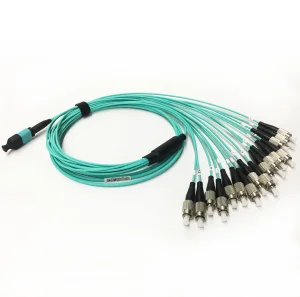
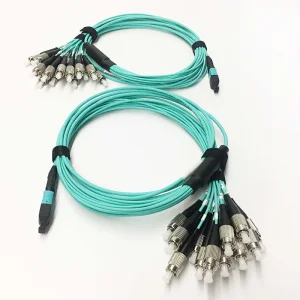
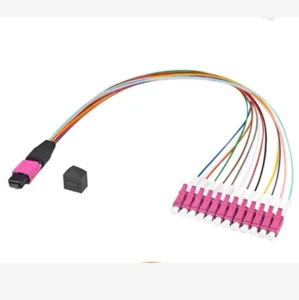
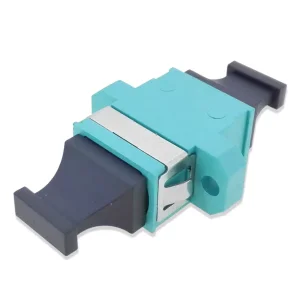
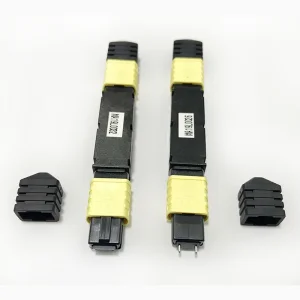
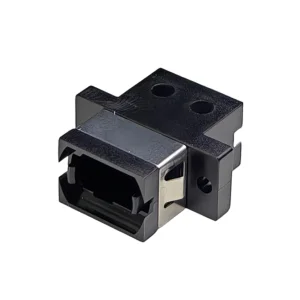
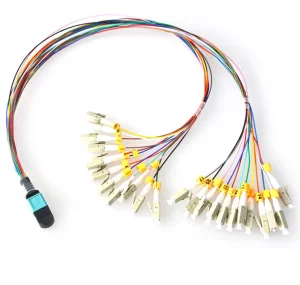
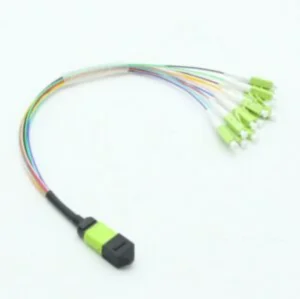
AI clusters demand low-latency high-speed interconnects. High-density MTP/MPO fanout cables (such as the MPO-16 to FC OM3-150 Fanout Cable) connect array switches. Attenuators integrated directly into MPO connections balance light levels across high-count parallel fibers, preventing receiver overload and reducing CRC errors to zero.
When deploying optical distribution networks, engineers calculate a precise power budget:
PRX = PTX - ACable - ASplice - AConnector - Margin.
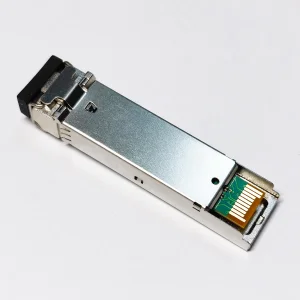
If the calculated receiver power (PRX) exceeds the maximum overload threshold of the receiving SFP module, an attenuator matching the excess dB value must be inserted.
For instance, if the received power is -3dBm and the transceiver overload point is -8dBm, a 5dB fixed attenuator is required to prevent receiver damage.
For global enterprise buyers, network operators, and tier-1 system integrators, selecting a fiber attenuator partner extends beyond basic cost-per-unit metrics. Long-term reliability directly affects operational expenditure (OPEX) and SLA guarantees.
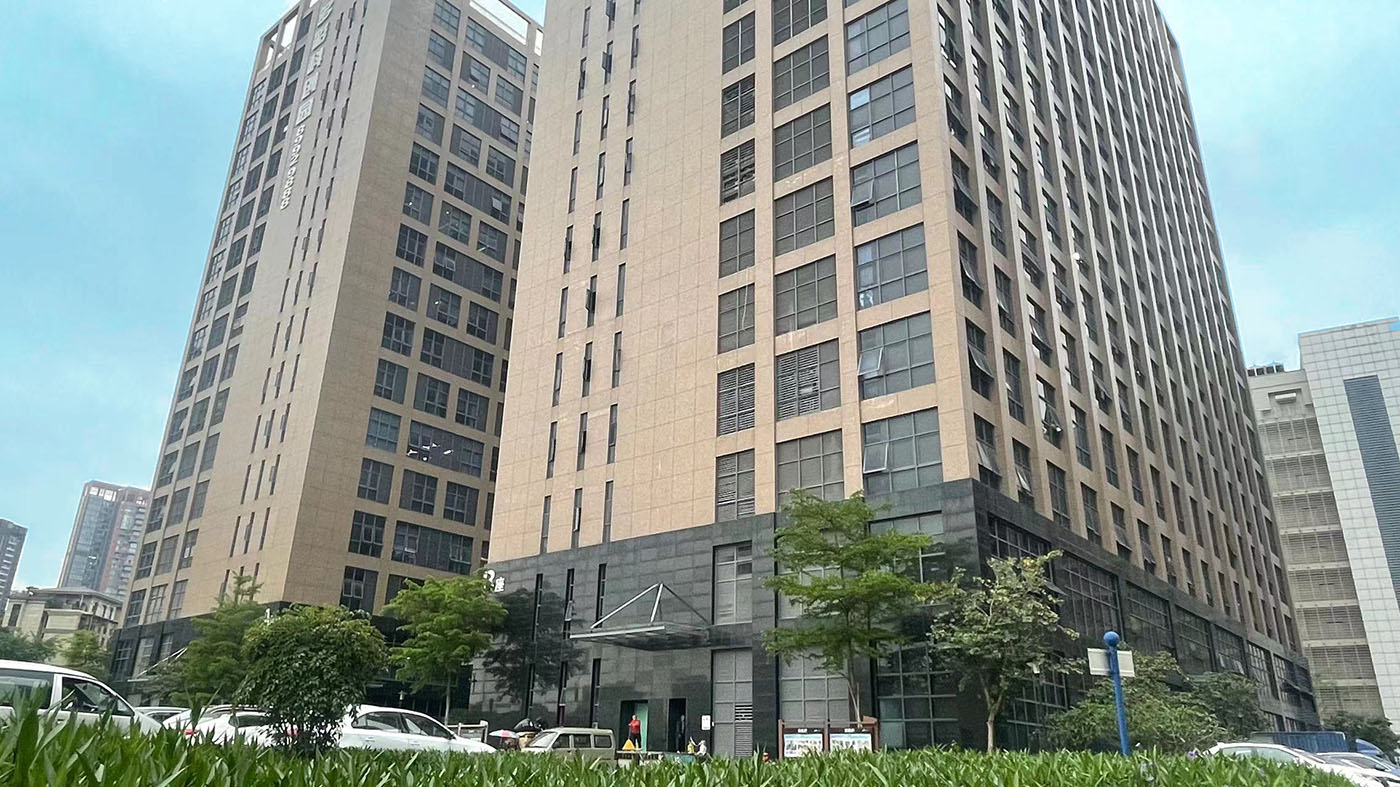
Kocent Optec Limited establish in 2012 in Hongkong as a hi-tech communication enterprise, is one of China's leading fiber optic termination product manufacturer and solution provider. We're dedicated to developing and manufacturing fiber optic communication products ranging from passive to active categories for telecommunication networks, enterprise networks and data centers.
By leveraging our extensive experience and excellent production capacity we gained over the years, we magnify the outcome for our valuable customers, which ultimately expands their core competencies and helps them outperform competitors. We place emphasis on customer collaboration, and we define ourselves as your valuable partner in fiber optic connection solutions. We believe our differentiators are your perceived advantages.
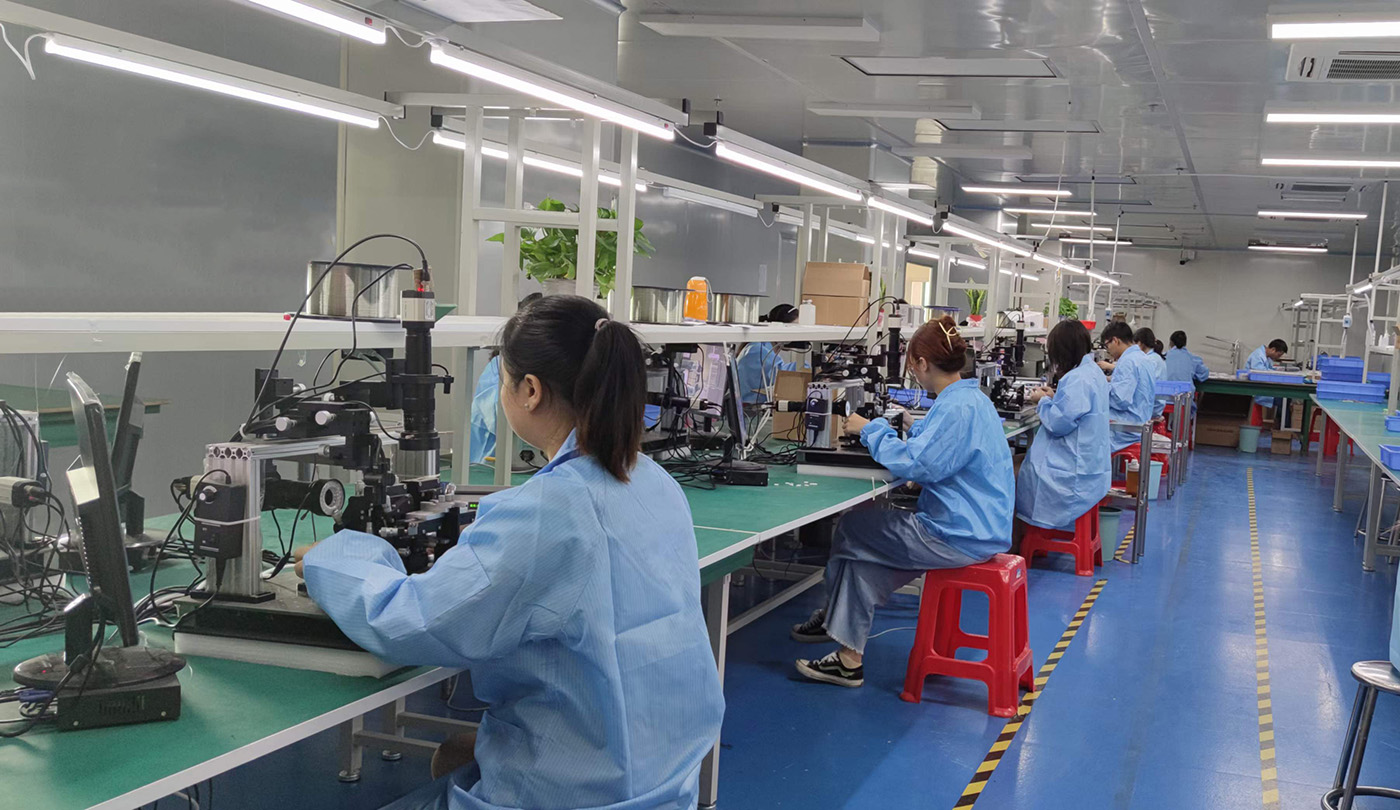
With more than 13 years of experience in manufacturing telecommunication fiber optic products, we follow strictly fiber optic industry standards by using mature scientific methods to deliver your products on time and ensure that 100% products are tested and inspected before shipment.
Years of sales and service experience have enabled us to win customers from different regions. Today, we have customers from East Asia, Southeast Asia, Middle East, Eastern Europe, Western Europe, Northern Europe, South America, North America, North Africa, and South Africa. Win-win cooperation is our constant goal. Many our OEM and ODM products won the Telecom Operator tender and satisfy end-user request.

Our main terminal telecom operators include:
How do you determine the correct attenuation value needed for a system?
To determine the correct attenuation value, measure the output power of the optical transmitter and compare it with the optical receiver sensitivity range (minimum and maximum input levels). The ideal received power is usually in the middle of this range. If the measured input power is higher than the receiver’s maximum input (overload threshold), install a fixed attenuator whose dB value equals the difference. This guarantees protection against receiver saturation.
Why is APC polish preferred over UPC polish in high-density applications?
APC (Angled Physical Contact) connectors feature an 8-degree end-face polish that routes back-reflected light out of the fiber core and into the cladding. This yields a return loss of ≥ 60dB. UPC (Ultra Physical Contact) connectors have a flat polish, resulting in ≥ 50dB return loss. In high-speed, high-density networks (like MPO systems and DWDM), minimizing back-reflections is critical to prevent laser instabilities and signal degradation.
What is the difference between doped-fiber and air-gap attenuators?
Doped-fiber attenuators integrate a length of optical fiber doped with metal ions that absorb optical energy and dissipate it as heat. This design yields flat spectral attenuation and excellent return loss. Air-gap attenuators rely on longitudinal separation between two fiber ends. While simple, air-gap devices are highly susceptible to back-reflection (poor return loss) and mechanical misalignment. Doped-fiber technology is far superior for high-performance and high-speed data transmission networks.
How does Telcordia GR-910-CORE standard compliance impact reliability?
Telcordia GR-910-CORE standard establishes environmental and mechanical test profiles for passive optical attenuators. Testing includes thermal cycling (-40°C to +85°C), high humidity, mechanical vibration, and drop impact tests. Adherence to this standard guarantees that attenuators maintain stable attenuation levels and insertion loss tolerances over a multi-decade operational lifespan in unconditioned field environments.
 KOCENT OPTEC