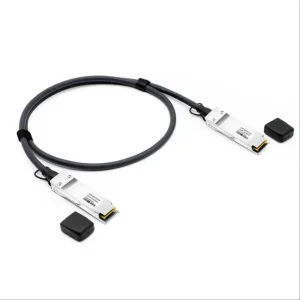
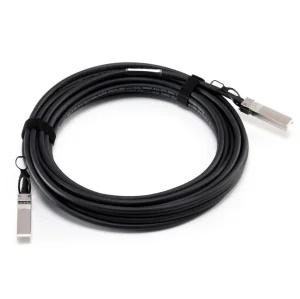
Discover our high-performance Direct Attach Copper (DAC) twinax and breakout cables optimized for Cisco environments and local East African telecommunication frameworks.
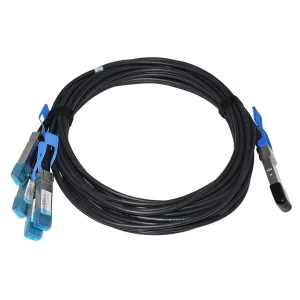
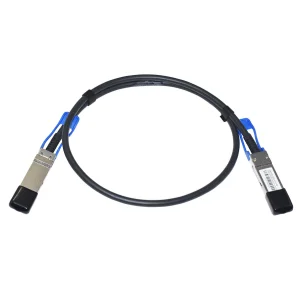
The Silicon Savannah is undergoing an unprecedented digital shift. Centered in Nairobi, Kenya's digital infrastructure is transforming with multi-megawatt carrier-neutral data centers, major subsea optic fiber networks landing in Mombasa (such as 2Africa, PEACE, and DARE1), and national digital grid programs like Konza Technopolis. These advances necessitate high-reliability Active Optical Cables (AOC) and Direct Attach Copper (DAC) cables to interconnect core network switches, storage area networks (SAN), and hyper-converged hardware.
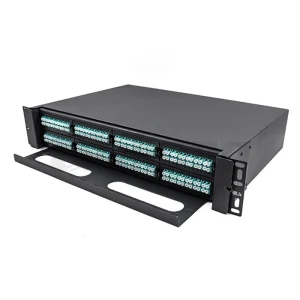
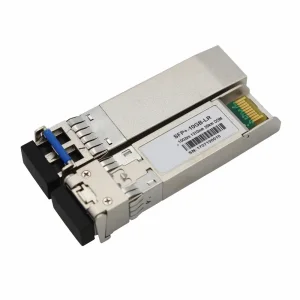
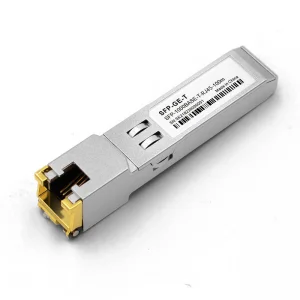
In modern telecommunication layouts, physical layer transmission loss determines network uptime. Telecom operators and ISPs in Kenya face unique ambient temperature and dust dynamics. Implementing high-density fiber patching panels, passive copper cables for intra-rack connections, and active optical transceivers for long-reach core pipelines ensures maximum operational continuity.

When provisioning structural hardware for enterprise switches in East Africa, network architects weigh cost against transmission range and latency metrics. Here is an industry-level comparison of the deployment parameters of DAC twinax versus AOC fiber systems.
| Performance Metrics | Direct Attach Copper (DAC) | Active Optical Cable (AOC) |
|---|---|---|
| Transmission Distance | Short range (typically 0.5m to 7m) | Extended range (1m up to 100m+) |
| Latency | Ultra-low (no electrical-optical conversion delay) | Low (minimal transceiver conversion latency) |
| Power Consumption | Extremely low (< 0.1W per transceiver end) | Higher (up to 2W per transceiver end) |
| EMI (Electromagnetic Interference) | Susceptible to nearby power lines & crosstalk | 100% immune due to optical fiber transmission |
| Bending Radius | Stiff copper construction, larger bend radius | Flexible fiber optic glass, tight cable pathing |
| Cost Profile (Kenya Market) | Highly cost-effective for internal server cabinet links | Higher unit cost; necessary for spine-leaf configurations |
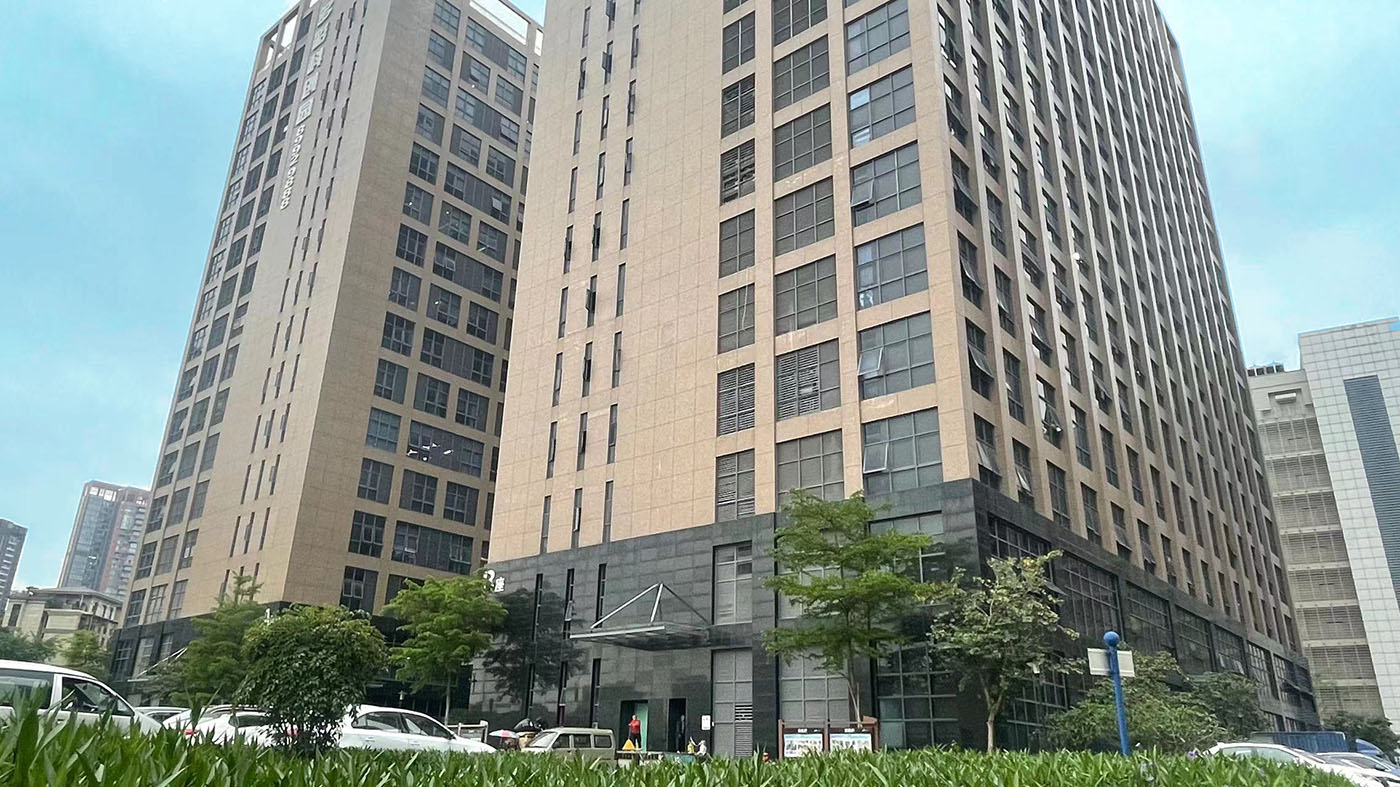
Established in 2012 in Hong Kong as a high-tech communications enterprise, Kocent Optec Limited is one of China's leading manufacturers of fiber optic termination products and passive/active interconnect solutions. By leveraging extensive R&D and advanced testing facilities, we help global network operators build resilient architectures.
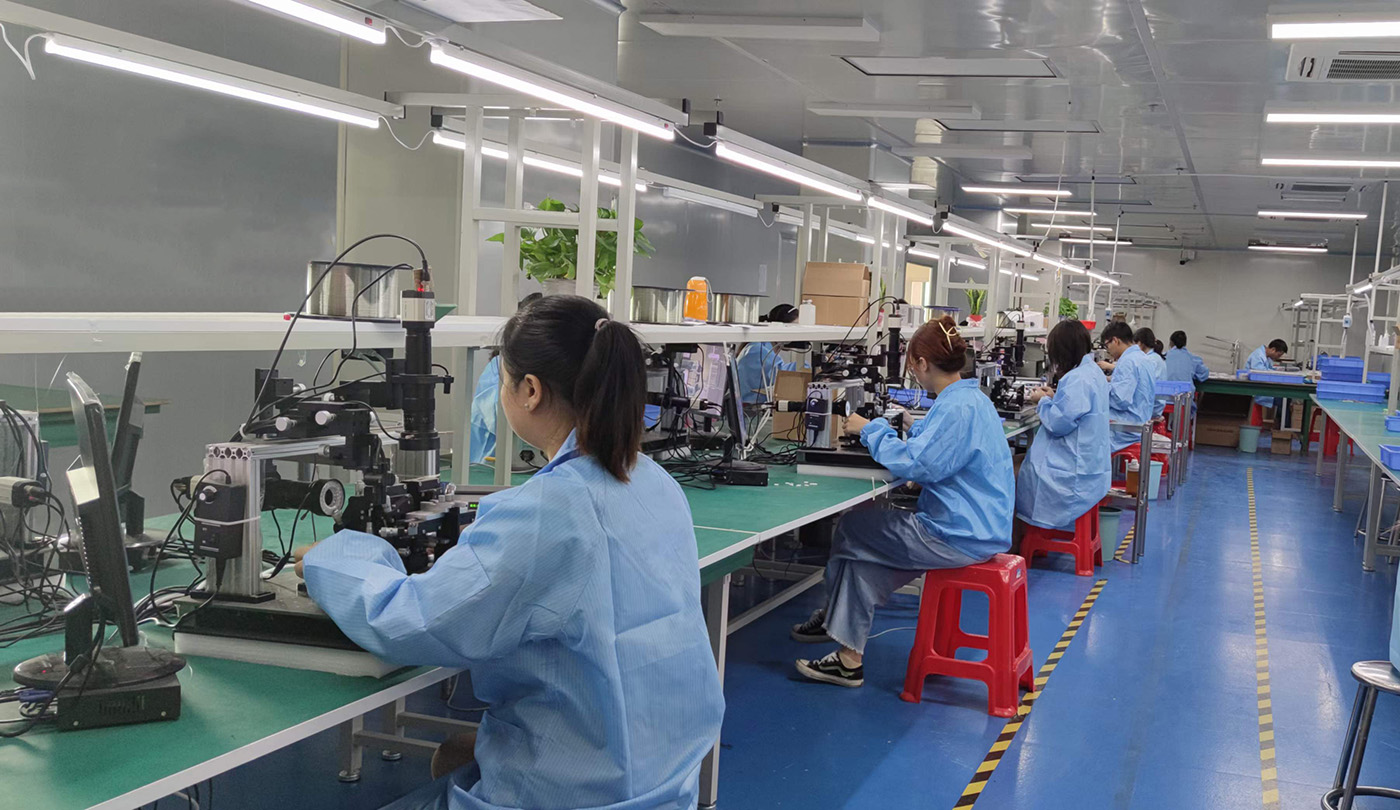
By utilizing our production capacity, we help customers expand their competencies and outperform competitors. We focus on structural product testing. We simulate local compatibility across multiple network switch environments, ensuring that 100% of products are fully tested and inspected before dispatching to East Africa.
Our products meet international compliance regulations (CE, FCC, RoHS, ISO9001). This guarantees that Kenyan telecom buyers and procurement officers receive premium-grade interconnect systems designed for continuous, high-speed performance.
The transition to multi-gigabit connections in East Africa is driving infrastructure changes. Here is where Kocent Optec's interconnect solutions are implemented:
Nairobi's digital payment gateways, mobile money systems (such as M-Pesa), and regional banking datacenters demand sub-millisecond network latency. Our 100G QSFP28 and 25G SFP28 DAC copper lines are used inside core server racks to optimize transaction speeds.
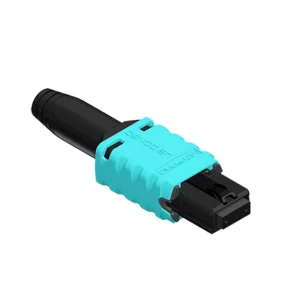
Modern multi-tenant cloud data centers in Nairobi require flexible layout capabilities. MTP/MPO patch panels combined with multi-mode Active Optical Cables (AOC) enable inter-rack communication and support scalable bandwidth expansion up to 400G.
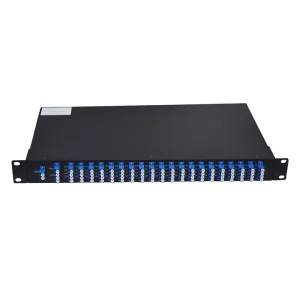
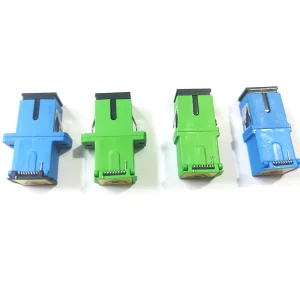
Local telecoms require reliable infrastructure components that perform consistently in high-ambient-temperature coastal processing facilities in Mombasa. Our fiber adaptors and DWDM multiplexers help optimize backhaul fiber networks across Kenya.
With more than 13 years of experience in manufacturing telecommunication fiber optic products, we strictly follow global fiber optic standards (ITU-T, GR-326-CORE, and IEC). We employ mature manufacturing processes to ensure that all active and passive assemblies operate reliably under demanding workloads.
Each cable is checked for insertion loss, return loss, physical structural integrity, and firmware compatibility using high-performance optical analyzers. This level of quality control ensures our DAC and AOC cables perform reliably when integrated into third-party network systems.
Browse our complete range of high-density adapters, transceivers, active cables, and passive fiber routing components designed for East African telecommunications deployment.
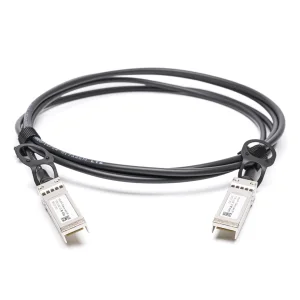
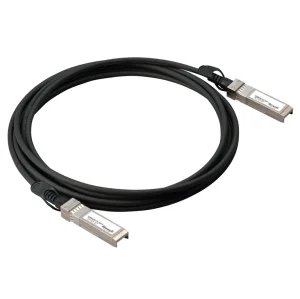
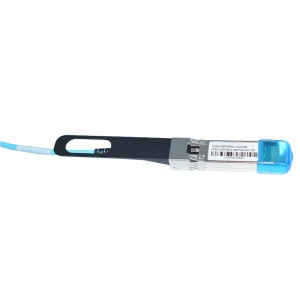
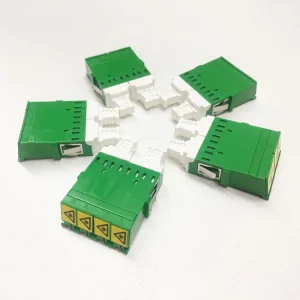
Technical queries and deployment details regarding importing high-speed interconnect products from Kocent Optec to Kenya.
Typically, production cycles for standard configurations (like Cisco-compatible 10G/25G/40G/100G cables) take 3 to 7 working days depending on order volume. Shipping via air freight to Jomo Kenyatta International Airport (JKIA) takes 5 to 7 days, while sea shipping to Mombasa port takes approximately 25 to 30 days.
Yes. We write individual vendor EEPROM codes into each transceiver chip to match target switches. When ordering, specify your switch models (e.g., Cisco Nexus, Huawei CloudEngine, or Juniper MX series). We test each cable against those systems before dispatch.
We supply CE, FCC, RoHS, and ISO9001 certificates to assist with importing. We also work with local clearing agents to provide the documentation needed for KEBS Certificate of Conformity (CoC) verification during customs clearance.
For connections under 5 meters inside a single rack cabinet, Direct Attach Copper (DAC) cables are more cost-effective. They consume less power and eliminate the optical-to-electrical conversion process, lowering transceiver heat generation and latency.
 KOCENT OPTEC