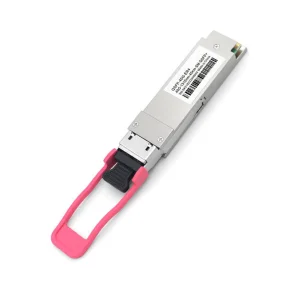
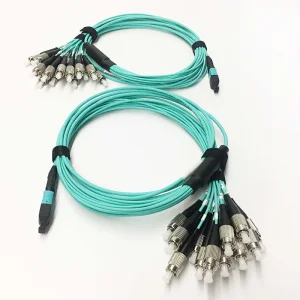
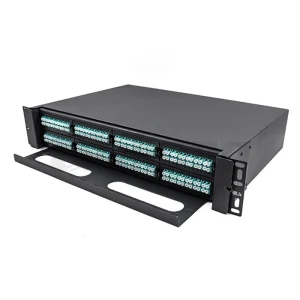
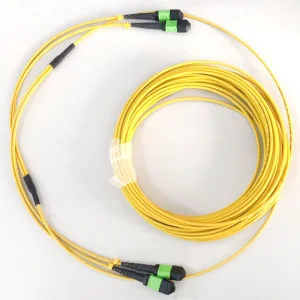
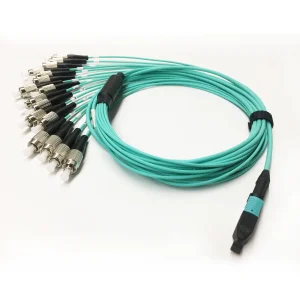
Direct factory access to highly compatible MPO assemblies, high-speed active cables, WDM transceivers, and high-density panels.
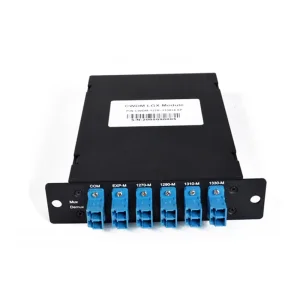
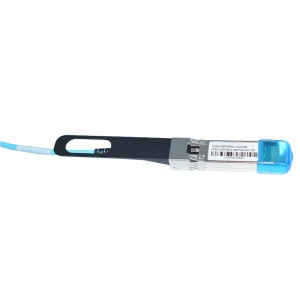
In an era dominated by hyper-scale data centers and ultra-high-speed network solutions, the demand for 1G SFP (Small Form-factor Pluggable) transceivers remains incredibly robust. While higher-speed options like 400G and 800G dominate tech headlines, 1G SFP links serve as the bedrock infrastructure for industrial automation, enterprise LAN distribution, base station interfaces, and optical access networks (FTTx). Procurement officers and network engineers globally seek out cost-effective, high-reliability SFP options to scale legacy systems without inflating Capital Expenditure (CAPEX).
Finding a reliable 1G SFP transceiver factory that balances cheap cost with strict telecom-grade quality is critical. Cheap transceivers do not have to translate to poor build quality. By understanding how the Bill of Materials (BOM) is sourced, how automated testing scales production efficiency, and how Multi-Source Agreement (MSA) standards protect hardware compatibility, buyers can unlock massive cost savings.
Strict adherence to MSA specifications ensures seamless performance across hardware from major OEMs, including Cisco, Juniper, Huawei, and Arista.
Eliminate mid-tier distributor markups through direct factory supply chains, reducing SFP unit prices by up to 70% while securing full custom capabilities.
Tailor your transceivers with custom EEPROM coding, DOM/DDM monitoring enablement, specific wavelengths (CWDM/DWDM), and custom packaging.
Engineers planning a fiber deployment must verify physical layer specifications before looking at price lists. 1G SFP transceivers can be broken down by distance, media types (copper vs. single-mode vs. multi-mode), and optical wavelengths:
Under Google's EEAT guidelines for technical accuracy, it is critical to highlight that reliable factories must supply transceivers integrated with DDM (Digital Diagnostic Monitoring). DDM allows real-time diagnostic checks, including:
Procurement Tip: Always demand DDM-enabled modules from your supplier's pricelist to reduce long-term maintenance costs.
Optical infrastructure is critical to regional network expansions and global enterprise connectivity.
Large institutions require massive switch aggregation. Standardizing on low-cost 1G SFP transceivers allows networks to deploy thousands of access ports safely. This lowers installation and component replacement overheads.
Industrial ethernet switches deployed in smart grids, rail transportation, and mining utilize ruggedized 1G SFP modules. These custom transceivers are engineered to operate in extreme temperatures ranging from -40°C to 85°C.
Telecom operators leverage mass-produced GPON/EPON 1G SFP ONU/OLT transceivers to build optical network terminations. This architecture guarantees fast fiber-to-the-home connectivity at highly competitive unit pricing.
Kocent Optec Limited, established in 2012 in Hong Kong as a hi-tech communication enterprise, stands as one of China's leading fiber optic termination product manufacturers and solution providers. We are dedicated to developing and manufacturing high-performance fiber optic communication products ranging from passive components to active optical transceivers for telecommunication networks, enterprise networks, and data centers.
By leveraging our extensive engineering experience and deep production capacity developed over the years, we magnify positive project outcomes for our customers. Our tailored solutions expand client capabilities and help them outperform competitors in tough markets. We place emphasis on customer collaboration, defining ourselves as a reliable partner in fiber optic connection solutions.


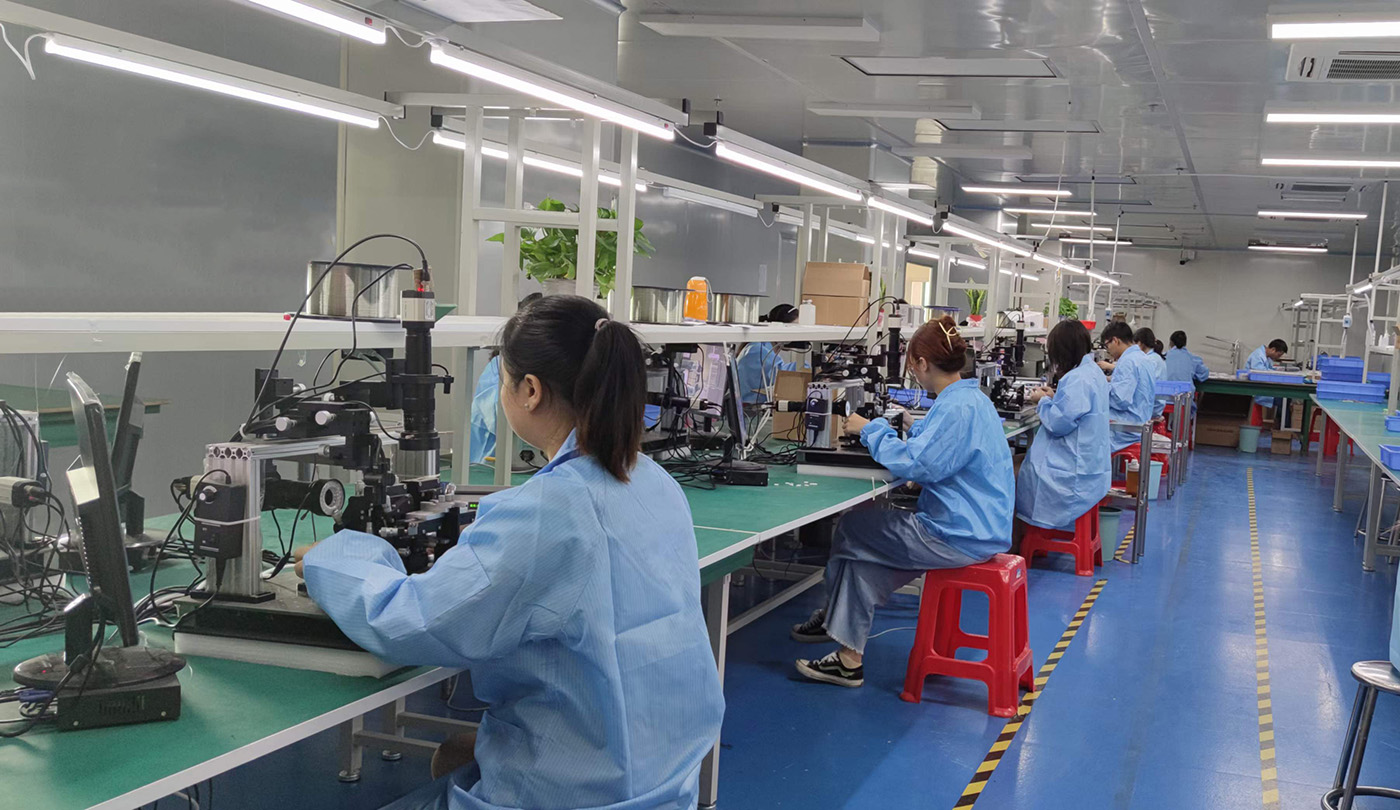
With more than 13 years of experience in manufacturing telecommunication fiber optic products, we strictly follow fiber optic industry standards by using mature, scientific methods. This guarantees on-time product delivery and ensures that 100% of products are tested and inspected before shipment.
Our testing routines utilize high-end optical spectrum analyzers, digital communication analyzers, and Bit Error Rate testers to inspect return loss, eye diagrams, transmission performance, and multi-vendor compatibility.
Years of sales and service experience have enabled us to win customers across East Asia, Southeast Asia, the Middle East, Europe, South America, North America, and Africa.
Win-win cooperation is our constant goal. Many of our OEM and ODM products have won Telecom Operator tenders and satisfy strict end-user requests. Our main terminal telecom operators include:
B2B buyers comparing 1G SFP pricelists must evaluate several factors that influence unit costs. A direct factory pricelist should clearly differentiate cost adjustments based on these parameters:
| Component / Parameter | Impact on Cost | Strategic Procurement Recommendation |
|---|---|---|
| Laser Source Type | High (VCSEL vs DFB vs EML) | Select VCSEL for short ranges (SX). Choose DFB/EML only for long-range (LX/ZX) applications. |
| Compatibility Coding | Low to Medium | Work with factories that offer comprehensive multi-vendor compatibility coding without charging premium license margins. |
| Temperature Grades | Medium | Standardize on Commercial Temperature (C-Temp: 0 to 70°C) unless deploying in outdoor telecom cabinets requiring Industrial Temperature (I-Temp: -40 to 85°C). |
| Purchase Volume | Very High | Consolidate orders to trigger volume breaks. Direct factories typically structure tier pricelists starting at 100 units, with optimal pricing starting at 1,000+ units. |
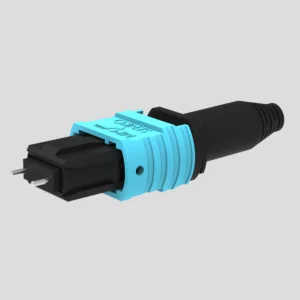
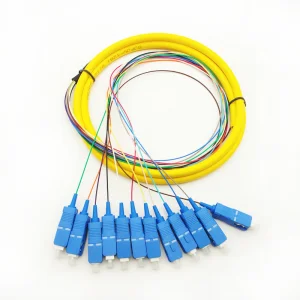
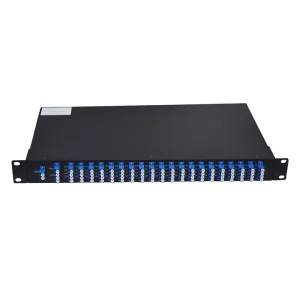
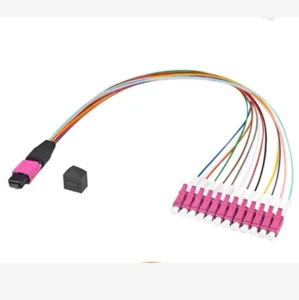
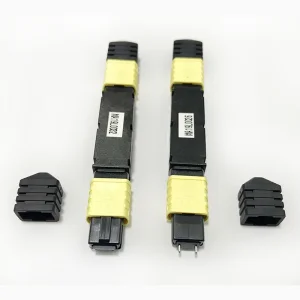
Additionally, the optical housing set represents another key component. As an integrated fiber termination solutions provider, Kocent Optec Limited handles MPO/MTP connector housing sets and customized fiber breakout cables. This integration keeps our manufacturing ecosystem vertically aligned, minimizing cost leakage.
As fiber optic transmission moves toward terabit speeds, the future of 1G SFP transceivers lies in integration efficiency and environmental optimization. Power conservation has emerged as a major target for data centers. Modern SFP transceivers are optimized to consume under 0.8 Watts of power, lowering aggregate heat output and HVAC expenses in high-density installations.
The Migration Path: 1G to 10G and Beyond
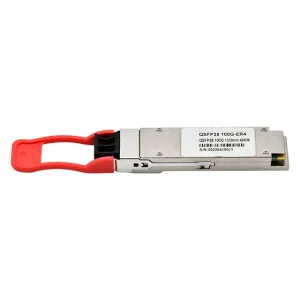
While many terminal interfaces remain at 1G, core distributions are actively migrating to 10G SFP+, 40G/100G QSFP28, and PAM4 800G. Designing infrastructure with future migrations in mind ensures that optical patch panels and fiber trays can support increased bandwidth demands down the road.
Addressing key technical, compliance, and procurement questions for SFP optical transceivers.
MSA stands for Multi-Source Agreement. It is a standard framework that defines the physical dimensions, interface pinning, electrical characteristics, and register maps of optical transceivers. By maintaining strict MSA compliance, cheap SFP transceivers can be used in host switches from any manufacturer that adheres to the same standard. This bypasses expensive OEM branding lockdowns.
In most cases, yes. Most SFP+ ports on managed switches are backward-compatible and can auto-negotiate down to 1G speeds when a 1G SFP transceiver is inserted. However, you must manually configure the switch port speed from "Auto" to "1000" (1G) in the software console to ensure proper link establishment.
Single-Mode Fiber (9µm core) is designed for long-range transmission (up to 80km or more) using lasers (typically 1310nm or 1550nm). Multi-Mode Fiber (50µm or 62.5µm core) is designed for short-range links (typically under 550m) using cheaper VCSEL lasers (850nm). While MMF transceivers are generally slightly cheaper, SMF provides higher bandwidth overhead and better protection for future network expansions.
You should verify that the manufacturer is ISO 9001 certified for quality management systems. The products themselves should carry RoHS compliance marks for environment-friendly component usage, as well as CE and FCC certificates for electrical safety and electromagnetic shielding compatibility.
Local retailers typically apply markups ranging from 50% to 300% to offset stocking costs and distribution margins. Direct sourcing from a manufacturer like Kocent Optec Limited eliminates these markups, provides direct access to factory engineers for custom compatibility encoding, and streamlines bulk replacements under warranty.
Explore our advanced high-speed active modules and structured cabling accessories.
 KOCENT OPTEC