 KOCENT OPTEC
1 / 3
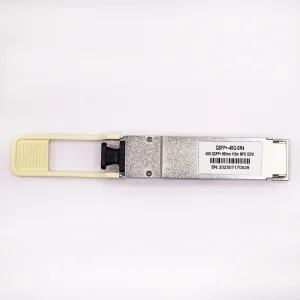
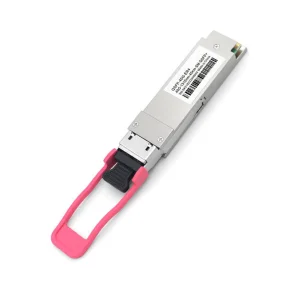
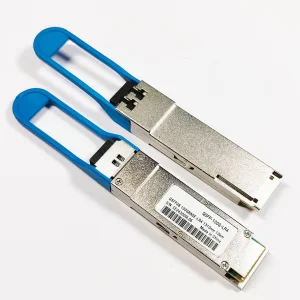
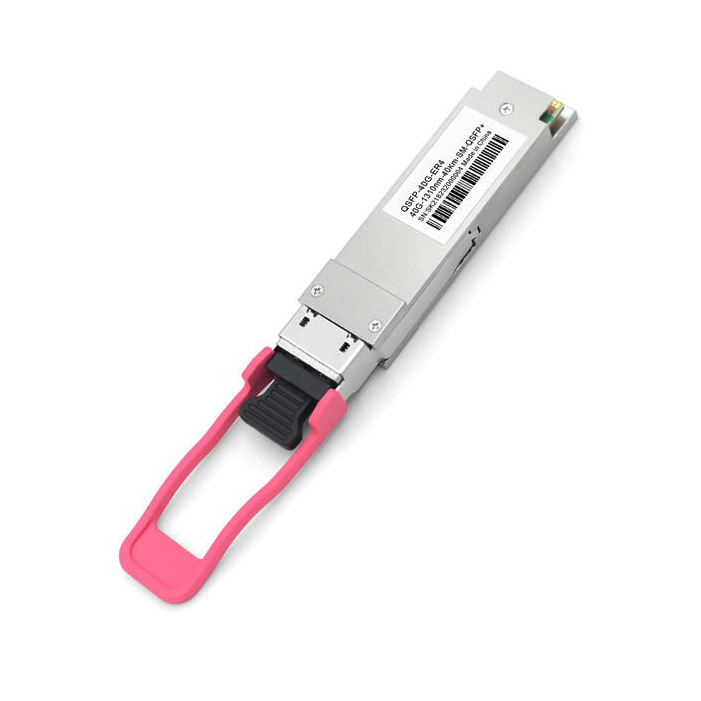
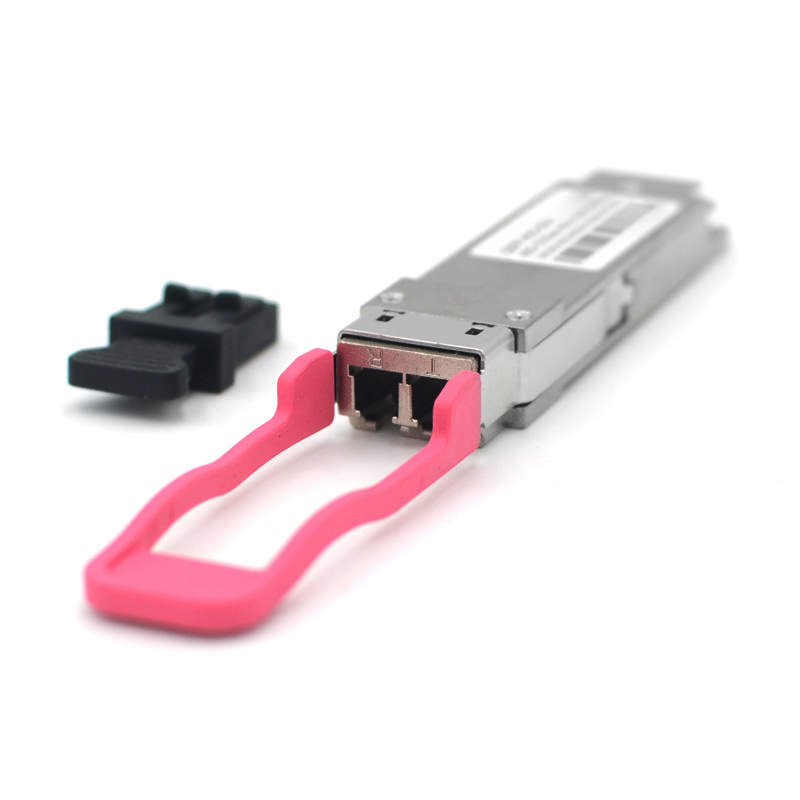
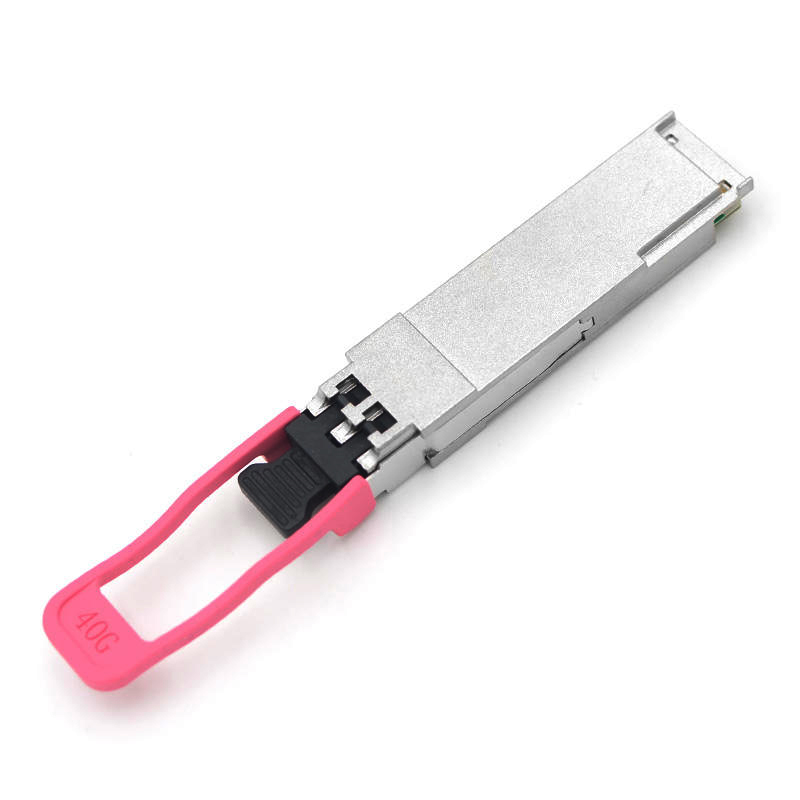
The QSFP+ 40G ER4 compatible 40G QSFP+ transceiver module is equipped with LC duplex connectors, reaching a link up to 10km over OS2 single-mode fiber (SMF). This 40G fiber optical transceiver comes with a bidirectional 4 channels QSFP+ connector, enabling a total of 40 Gbps bandwidth by each channel carrying a 10 Gbps data rate. DOM/DDM (digital diagnostics monitoring) function is supported on the 40G fiber optic transceiver to achieve real-time operating parameters monitoring.
This 40GBASE-ER4 QSFP+ module is compliant with QSFP+ MSA and IEEE 802.3ba 40GBASE-ER4 specifications. Besides, the quad small form-factor pluggable (QSFP) ER4 optic has been tested on host devices to ensure full compatibility with major brand equipment, such as data center switches, enterprise routers, and server network interface cards (NICs). The third-party 40G SFP module is an ideal substitute to the standard QSFP-40G-ER4 QSFP+ 40G transceiver at an affordable price, providing a cost-effective compatible solution for high-performance 40G connectivity.
QSFP+ 40G ER4 optics cater to 40 Gigabit Ethernet (40GbE) optical fiber connections, ideal for high-performance and long-distance applications in long-haul networks, campus networks, metro networks, etc.
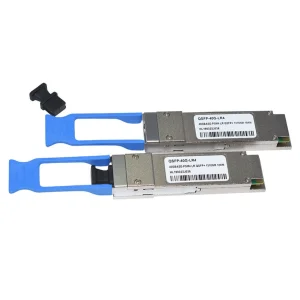
The OP-QSFP+-LER is designed to operate over single-mode fiber system using 4X10 CWDM channel in 1310 band and links up to 40km. The module converts 4 inputs channel of 10Gb/s electrical data to 4 CWDM optical signals, and multiplexes them into a single channel for 40Gb/s optical transmission. Reversely, on the receiver side, the module optically de-multiplexes a 40Gb/s input into 4 CWDM channels signals, and converts them to 4 channel output electrical data.
The central wavelengths of the 4 CWDM channels are 1271, 1291, 1311 and 1331 nm. It contains a duplex LC connector for the optical interface and a 38-pin connector for the electrical interface. Single-mode fiber (SMF) is applied in this module. This product converts the 4-channel 10Gb/s electrical input data into CWDM optical signals (light), by a 4-wavelength Distributed Feedback Laser (DFB) array. The 4 wavelengths are multiplexed into a single 40Gb/s data, propagating out of the transmitter module via the SMF. The receiver module accepts the 40Gb/s optical signals input, and de-multiplexes it into 4 CWDM 10Gb/s channels. Each wavelength light is collected by a discrete photo diode, and then outputted as electric data after amplified by a TIA.
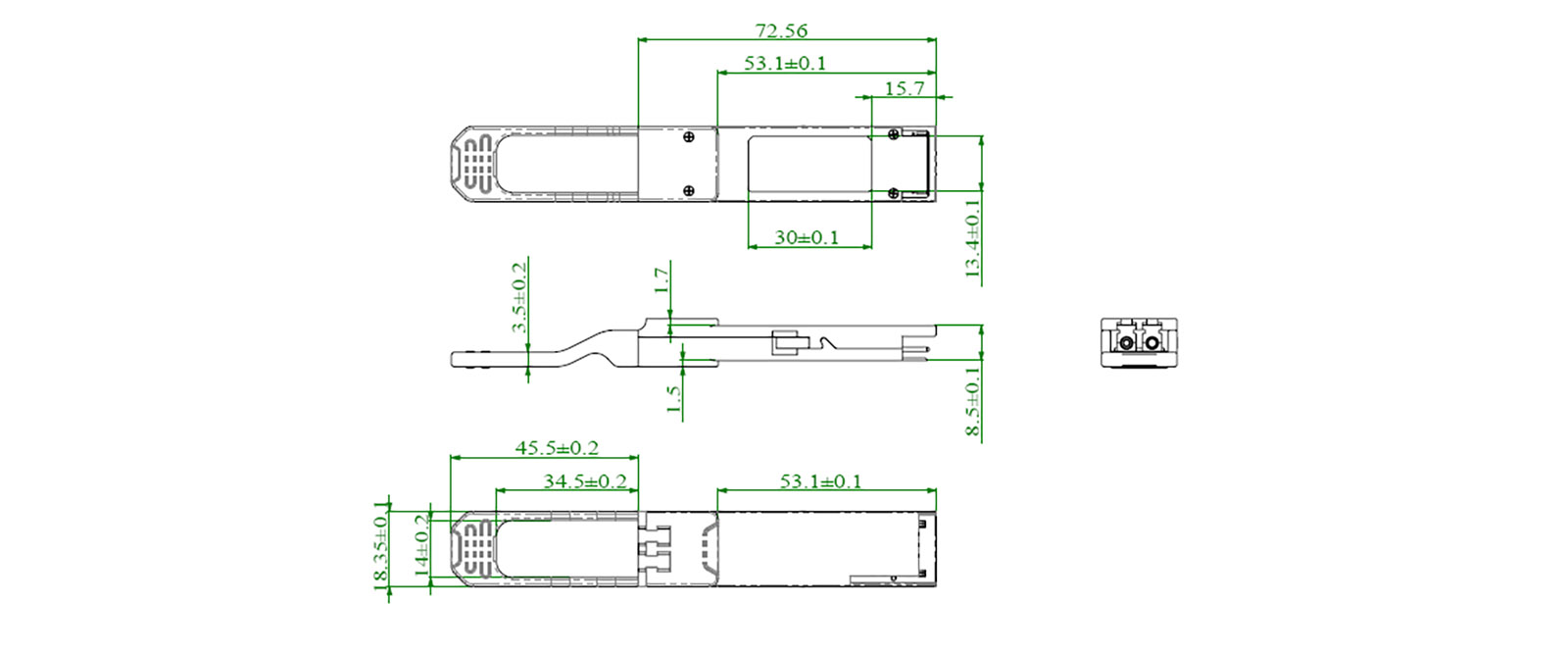
The product is designed with form factor, optical/electrical connection and digital diagnostic interface according to the QSFP+ Multi-Source Agreement (MSA) and compliant to 40G QSFP+ LR4 of IEEE 802.3ba.
| Parameter Specifications | |
|---|---|
| Model Name | QSFP 40G ER4 |
| Form Factor | QSFP+ |
| Data Rate | 40 Gbps |
| Wavelength | 1310nm |
| Distance | 40km@OS2 |
| Connector | LC Duplex |
| Cable Type | OS2 SMF |
| Transmitter Type | DFB |
| Receiver Type | PIN |
| TX Power | -2.7~4.5dBm |
| Receiver Sensitivity | <-19dBm |
| Power Consumption | <3.5W |
| Modulation Format | NRZ |
| DDM | Support |
| Bit Error Ratio (BER) | 1E-12 |
| Protocols | IEEE 802.3ba, QSFP+ MSA, SFF-8436, Infiniband 40G QDR |
| Warranty | 1 Years |
A: This transceiver supports optical links up to 40km over OS2 Single-Mode Fiber (SMF) using CWDM channels, making it suitable for long-haul networks and metro networks.
A: Yes, the module supports DOM/DDM (Digital Diagnostics Monitoring) functionality, which allows users to monitor real-time operating parameters such as temperature, voltage, and optical power.
A: The module is fully compliant with QSFP+ MSA, IEEE 802.3ba 40GBASE-ER4, SFF-8436 standards, and it is RoHS compliant.
A: It features a duplex LC optical interface and connects using OS2 single-mode optical fiber (SMF) cable.
A: The module uses 4 CWDM channels with central wavelengths of 1271, 1291, 1311, and 1331 nm, utilizing a Distributed Feedback Laser (DFB) array to carry a total 40 Gbps bandwidth.
A: It is designed for high-performance 40 Gigabit Ethernet (40GbE) optical fiber connections, commonly applied in data centers, LANs, campus networks, and enterprise core routing networks.