 KOCENT OPTEC
1 / 3
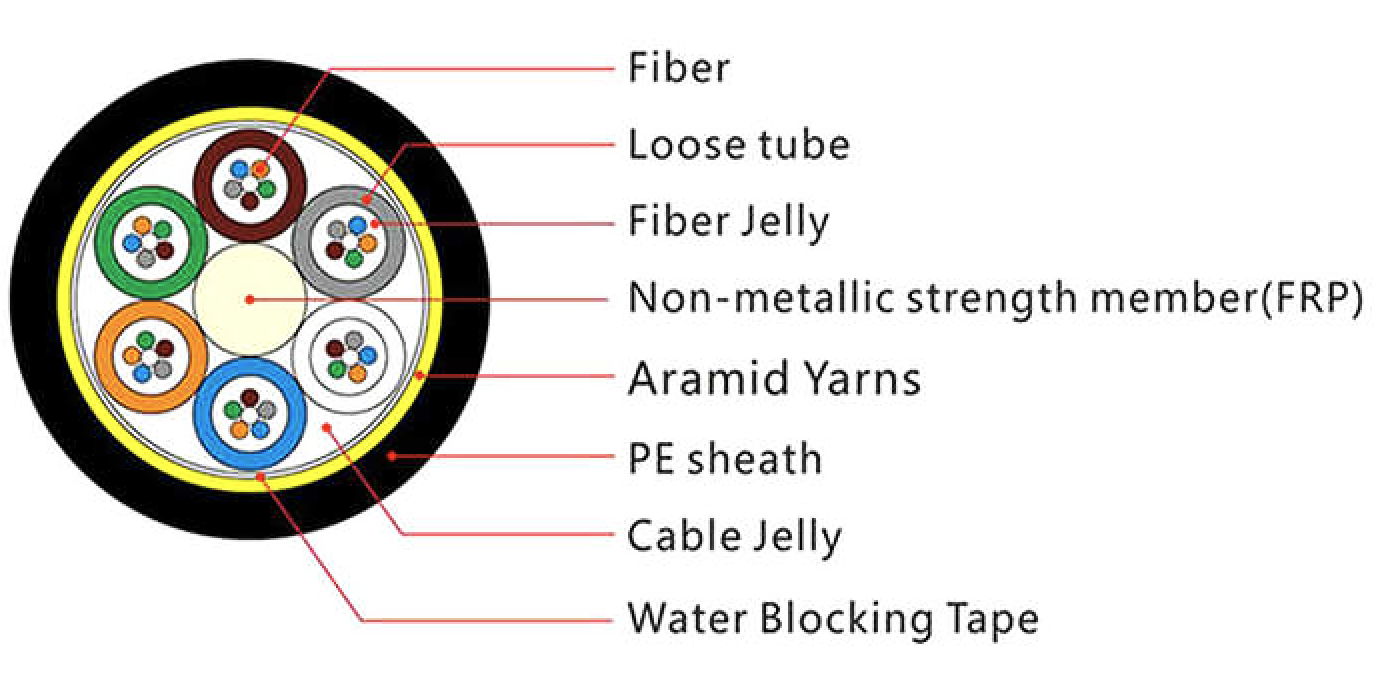
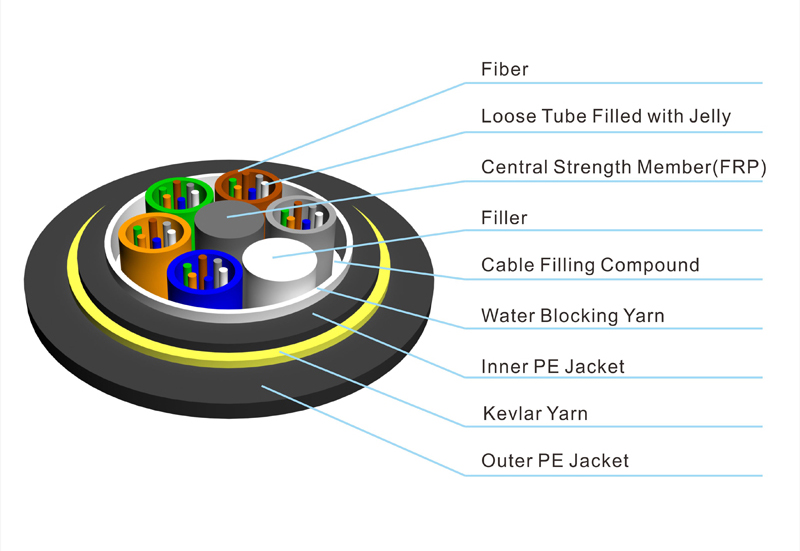
ADSS fiber optic cables are made entirely of non-conductive materials, making them safe for installation near energized power lines and eliminating the need for grounding.
They are designed to support their own weight and the forces of wind and ice, negating the need for a separate messenger wire.
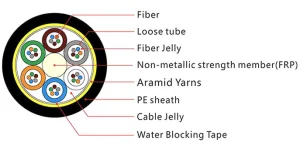
ADSS cables utilize materials like aramid fiber yarns to achieve high tensile strength, allowing them to withstand various environmental stresses.
They are designed to resist UV radiation, temperature fluctuations, and moisture, making them suitable for diverse climates.
ADSS cables can span considerable distances between support structures (poles or towers), reducing the number of supports needed.
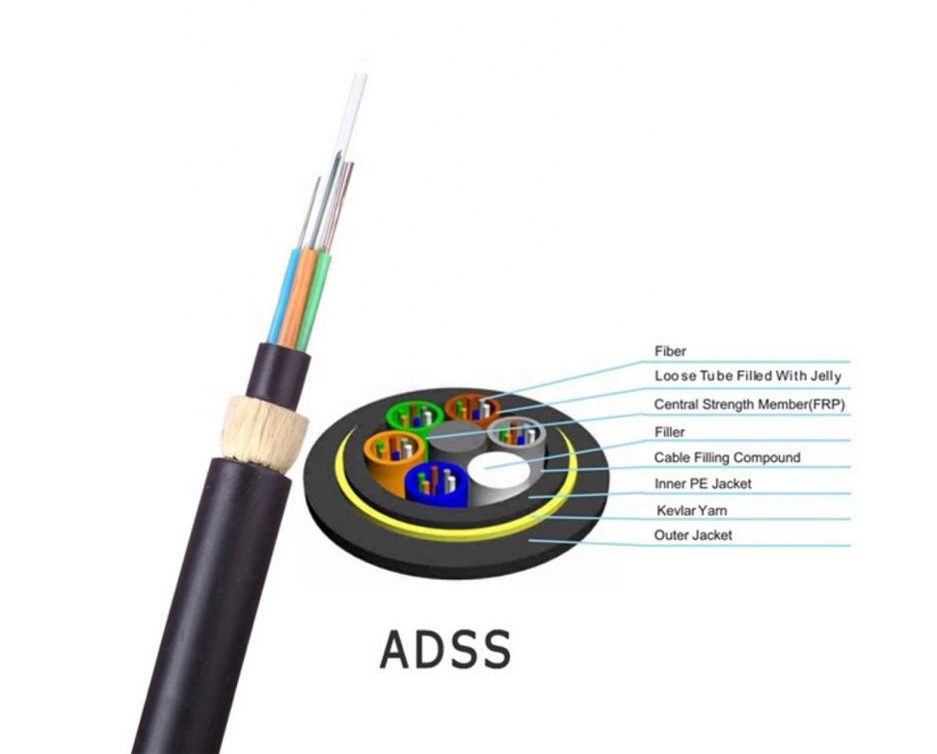
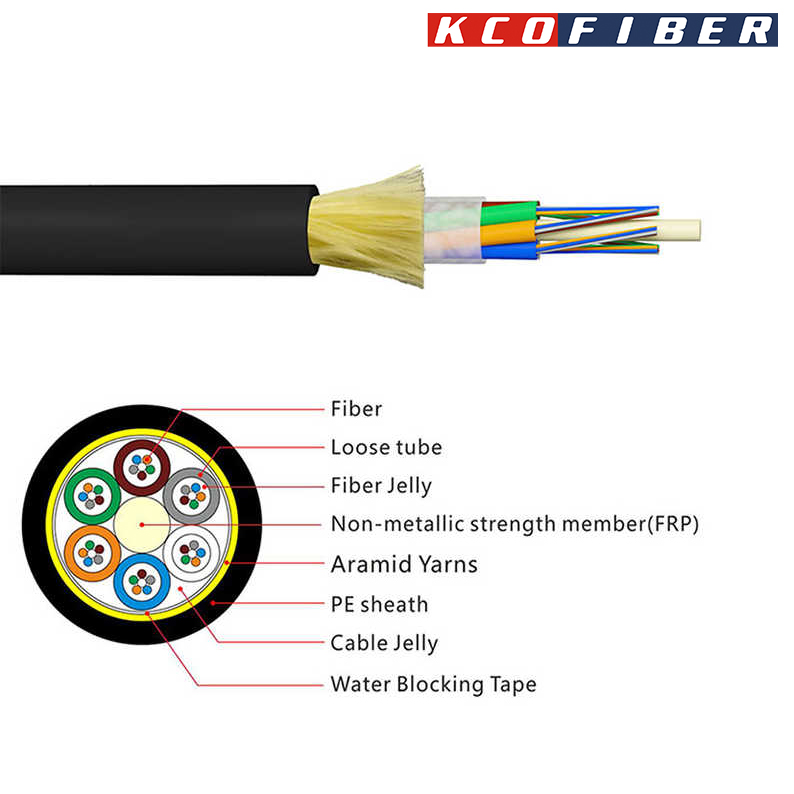
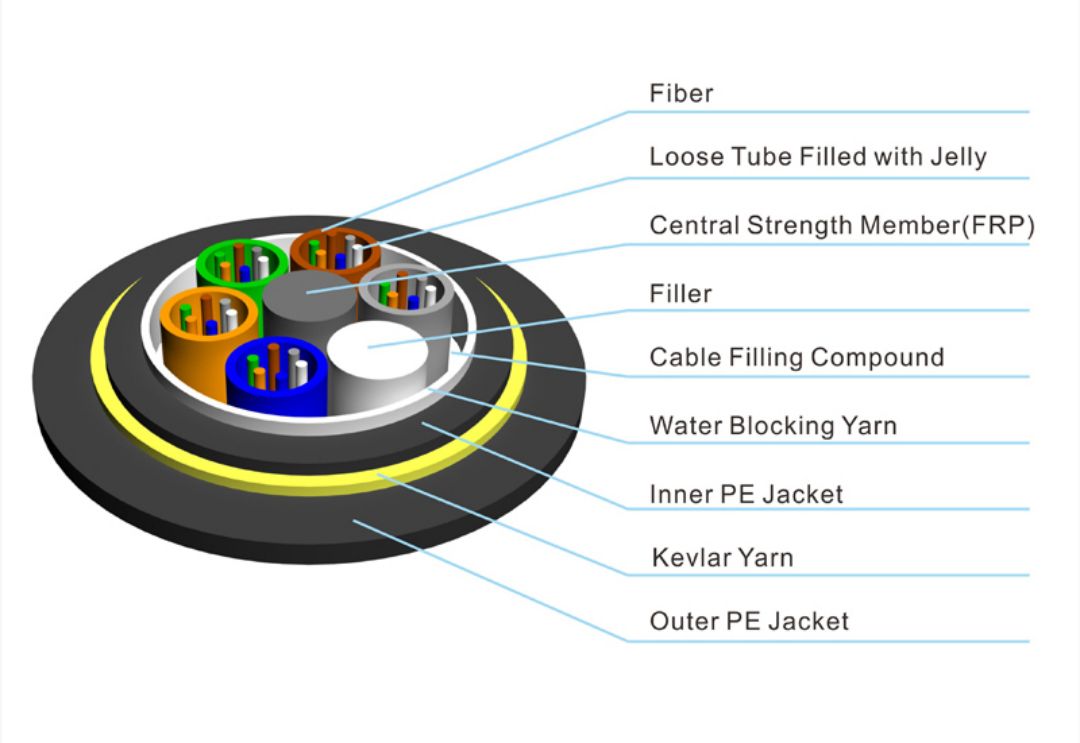
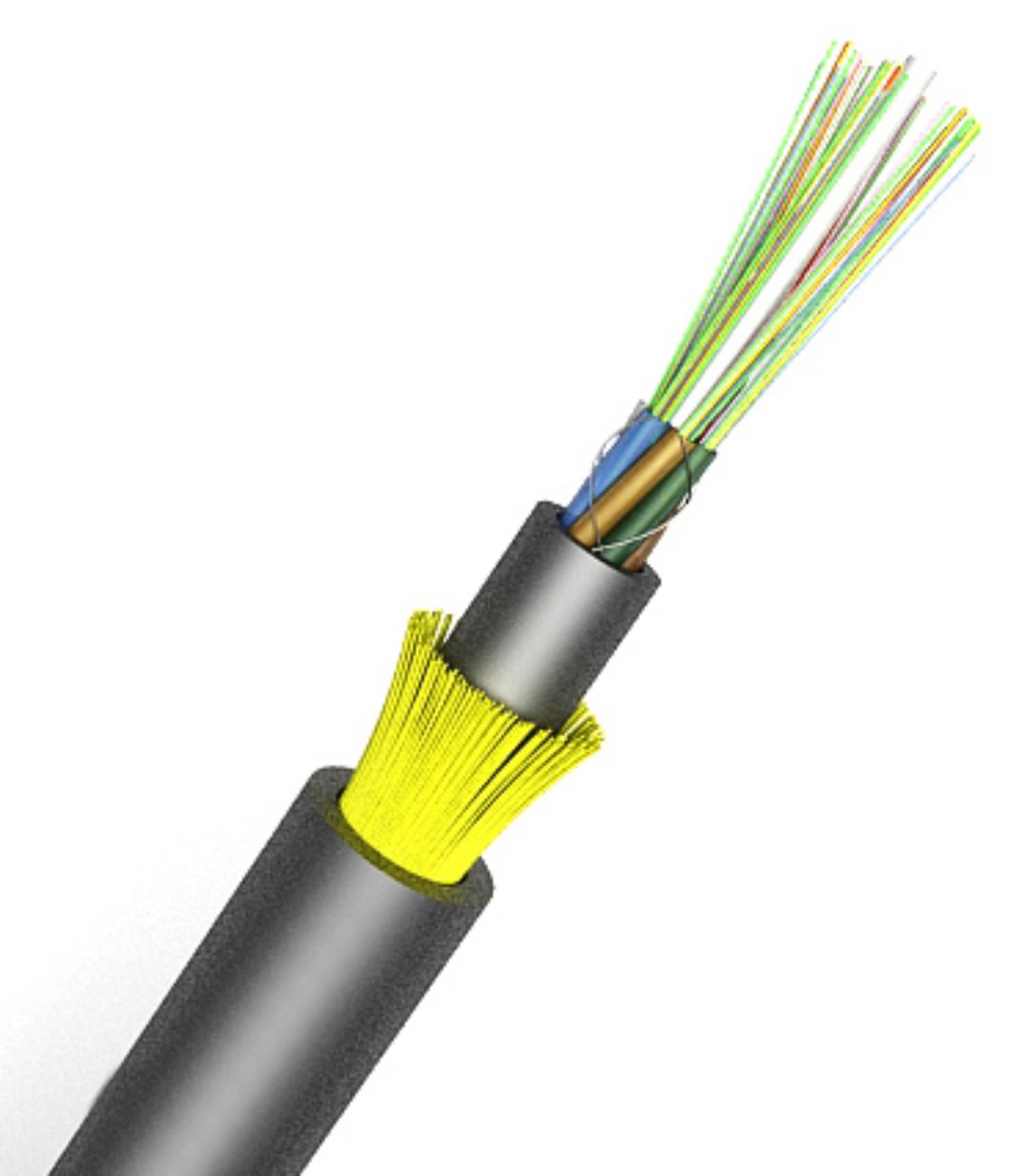
ADSS stands for All-Dielectric Self-Supporting. It is a type of fiber optic cable that contains no metallic components and is strong enough to support itself between structures (such as utility poles or transmission towers) without needing a supportive metal messenger wire.
Yes. Because the cable uses an all-dielectric construction (non-conductive materials only), it can be installed safely near high-voltage lines without shutting down the power, minimizing downtime and maintaining electrical service continuity.
A PE (polyethylene) outer sheath is applied for overhead power lines under 110kV. For power lines operating at 110kV or above, an AT (Anti-Tracking) outer sheath is required to withstand the high electrical fields and prevent electrical tracking damage, supporting operating points up to 25kV.
ADSS cables are engineered to handle diverse span lengths ranging from standard distances (80m, 100m, 150m, 200m, 300m, and 500m) to maximum specialized span capabilities that exceed 1000 meters depending on environmental loads.
The cable features a lightweight design and small external diameter, which significantly minimizes the physical load caused by wind and ice accumulation. This design reduces mechanical stress on support towers and structures.