Engineered to standards meeting strict insertion loss limitations, optimizing signal integrity across local networks.
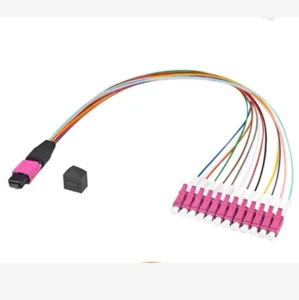
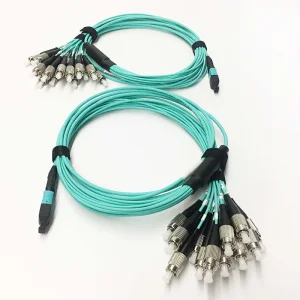
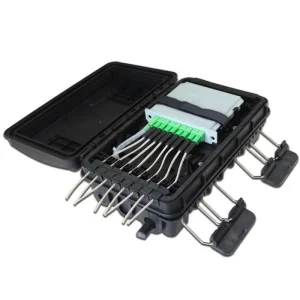
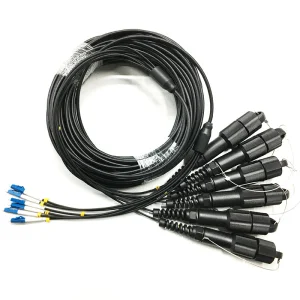
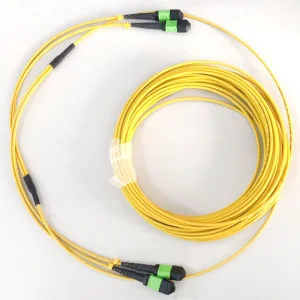
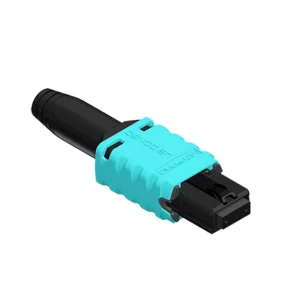
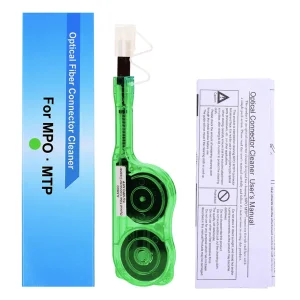
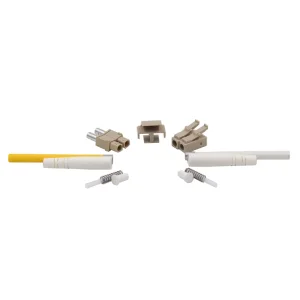
Kocent Optec Limited, established in 2012 in Hong Kong as a high-tech communication enterprise, stands as one of China's premier fiber optic termination product manufacturers and complete solution providers. We are deeply committed to the engineering, development, and high-volume manufacture of fiber optic communication components, spanning both passive and active categories, specifically optimized for high-capacity telecommunication networks, mission-critical enterprise systems, and ultra-scale data centers.
By leveraging our extensive engineering experience and manufacturing capacities developed over years of dedicated service, we optimize deployment outcomes for our global customers. We focus on enhancing their core competencies, helping them build robust physical layers that outperform standard industry benchmarks. Our philosophy centers on intensive customer collaboration, defining ourselves not merely as a component manufacturer, but as your trusted partner in fiber optic connectivity solutions.

An architectural overview of transmission media, core parameters, and paths to high-bandwidth optical infrastructure.
In modern optical networking, 10 Gigabit Ethernet (10GbE) serves as a foundational baseline. While speeds have scaled to 40G, 100G, 400G, and even 800G in hyper-scale backbones, 10G optical cables (using OM3, OM4, or OS2 single-mode media) remain the critical access, aggregation, and interconnect standard for enterprise networks and edge computing. Building a low-latency, reliable 10G physical layer requires balancing wavelength-dependent attenuation, modal dispersion, and connection point degradation.
| Fiber Type / Standard | Core/Cladding Diameter | Light Source Wavelength | Minimum Modal Bandwidth (Overfilled Launch) | Maximum 10G Transmission Distance | Typical Applications |
|---|---|---|---|---|---|
| OM3 (Multimode) | 50 / 125 µm | 850 nm VCSEL | 2000 MHz·km | 300 Meters | Horizontal LAN & Short-distance Data Centers |
| OM4 (Multimode) | 50 / 125 µm | 850 nm VCSEL | 4700 MHz·km | 400 Meters (550m under optimized conditions) | High-Density Switch-to-Switch Interconnects |
| OM5 (Wideband MMF) | 50 / 125 µm | 850 nm to 953 nm | 4700 MHz·km (at 850nm) | 440 Meters | SWDM (Shortwavelength Wavelength Division Multiplexing) |
| OS2 (Singlemode) | 9 / 125 µm | 1310 nm / 1550 nm Lasers | N/A (Unlimited Dispersion Limit at 10G) | 10 km (10GBASE-LR) up to 40 km (10GBASE-ER) | Metropolitan Area Networks (MAN) & FTTH Backhaul |
In multimode 10G systems, light travels in multiple paths (modes) down the fiber. OM3 and OM4 laser-optimized fibers employ graded-index profiles to ensure all optical paths arrive at the receiver simultaneously, minimizing jitter and bit-error-rates (BER).
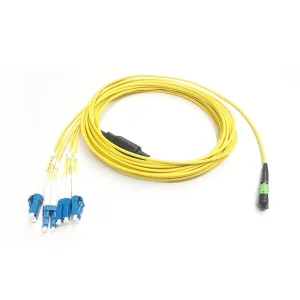
To scale past 10G to 40G/100G, parallel optics are used. Combining MTP/MPO multi-fiber connectors with LC breakout systems allows direct patching of 10G devices into next-generation core switches without swapping the underlying fiber cabling.
Using bend-insensitive single-mode (G.657.A1/A2) and multimode glass ensures that tight wraps in routing trays and high-density patch panels do not cause macrobending losses that disrupt optical budgets.
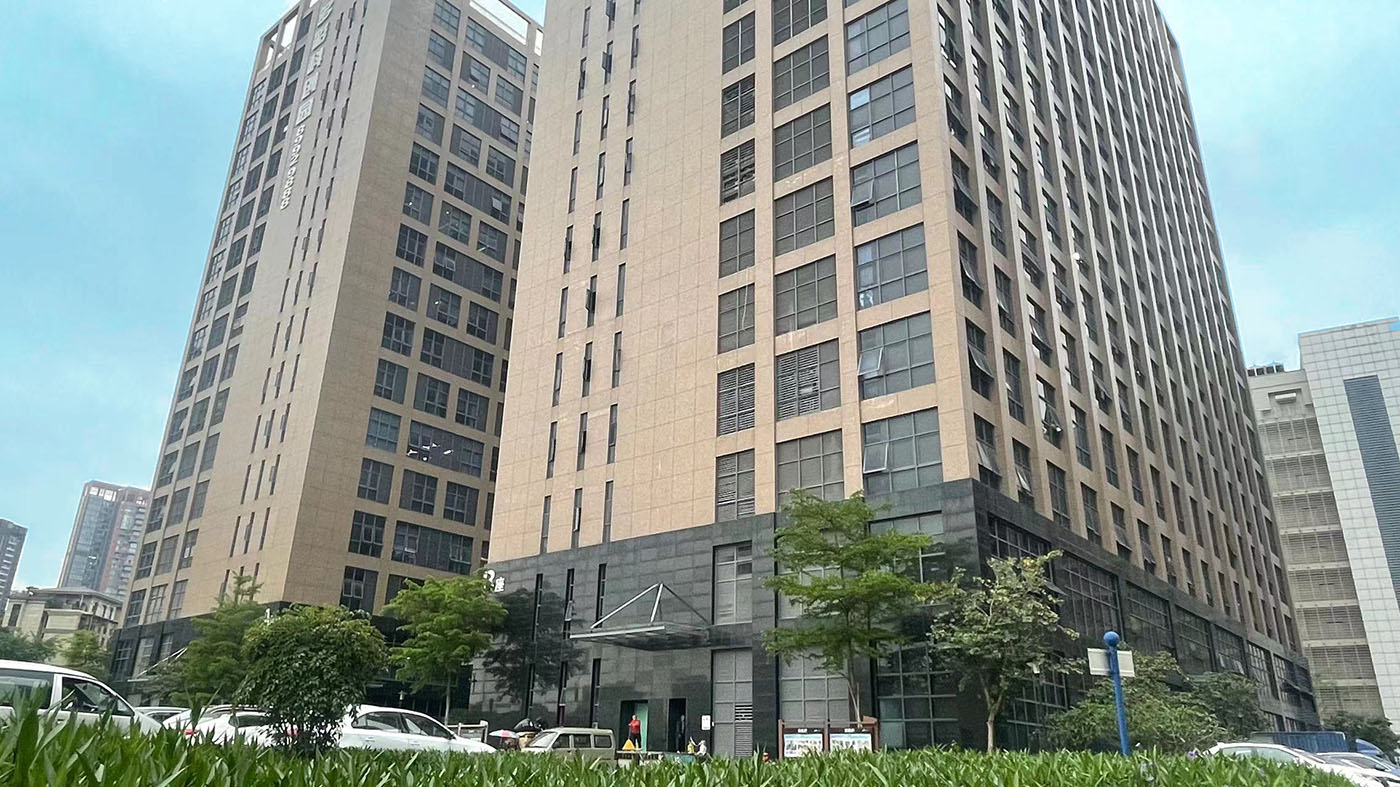
With over 13 years of specialized experience in manufacturing telecommunication-grade fiber optic products, we enforce strict fiber optic industry standards (including Telcordia GR-326-CORE). We utilize scientific manufacturing and testing methodologies to deliver on-time shipments, guaranteeing that 100% of products are fully tested and inspected prior to leaving our facility.
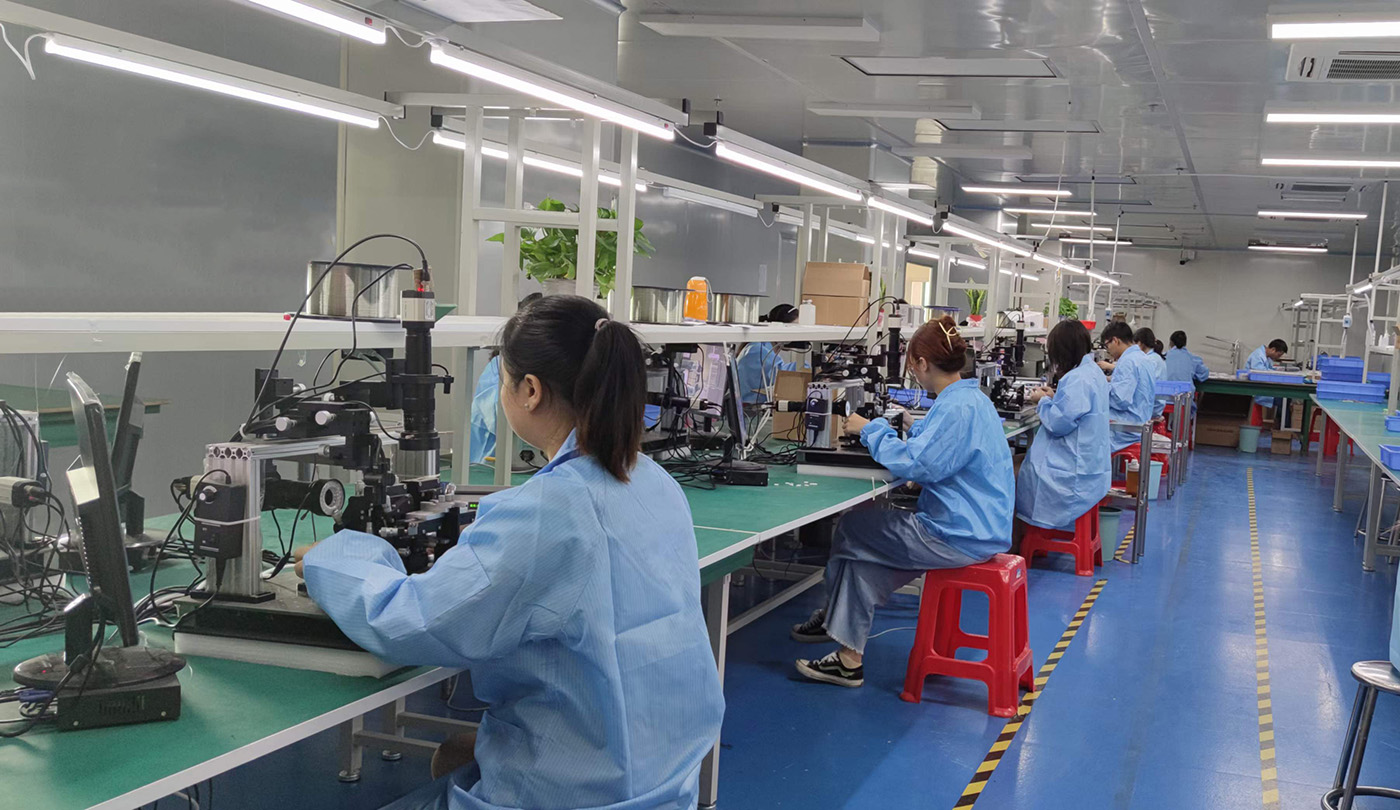
Our production environment integrates automated polishing machinery, high-precision curing ovens, and real-time 3D interferometer testing. We verify physical geometry parameters: radius of curvature, apex offset, and fiber height. This ensures that every LC, SC, FC, and MTP/MPO connector termination resists optical degradation and maintains stability over decades of thermal cycles.
Our sales and service infrastructure has established long-term client relationships across major regions. Today, Kocent Optec products support networks in East Asia, Southeast Asia, the Middle East, Eastern Europe, Western Europe, Northern Europe, South America, North America, North Africa, and South Africa.
Our goal remains win-win cooperation. Many of our OEM and ODM products have been deployed in Telecom Operator tenders, meeting rigorous international compliance and quality standards. Our main terminal telecom operator deployments include: SingTel, Vodafone, America Movil, Telefonica, Bharti Airtel, Orange, Telenor, VimpelCom, TeliaSonera, Saudi Telecom, MTN, Viettel, Bitel, VNPT, Laos Telecom, MYTEL, Telkom, Telekom, Entel, FiberTel, StarFiber, Ooredoo, Beeline, and Azercell.
This operational footprint demonstrates our capability to meet diverse international regulatory frameworks (RoHS, REACH, CPR flame retardant ratings) and adapt our fiber termination solutions to regional environmental and architectural constraints.
How we address latency, logistics, and total cost of ownership for international network builds.
From non-standard breakout lengths to custom fiber polarity structures, our R&D team designs mechanical drawings and prototypes to match specific patch panel chassis configurations.
Through strategic partnerships with connector brands like US Conec and premium raw glass suppliers, we maintain safety stock buffers to shield our clients from global supply chain shocks.
Our raw materials, outer jackets (LSZH, Plenum, Riser, outdoor PE), and assemblies carry full CE, RoHS, and REACH certifications. CPR-rated cables (B2ca, Cca) are available for EU network deployments.
Detailed architectural and physical layer answers to assist network designers and engineering teams.
Components for terminal management, field testing, and optical transceivers.
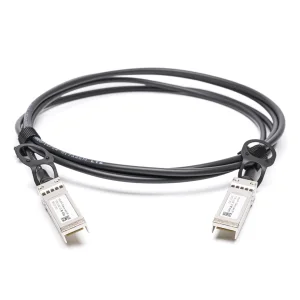
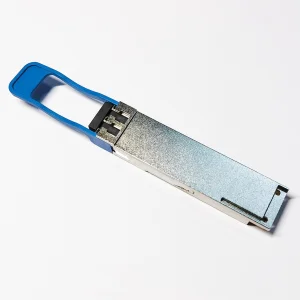
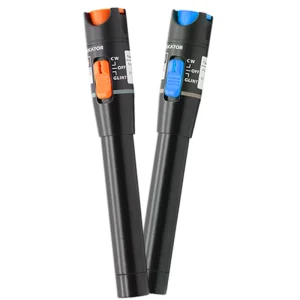
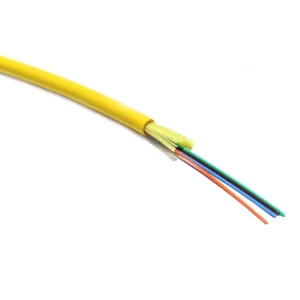
 KOCENT OPTEC