Industry-standard, high-compatibility interconnect solutions engineered for enterprise backbones and multi-vendor networking environments.
Why Direct Attach Copper (DAC) technology remains the foundation of high-frequency transmission in modern network architectures.
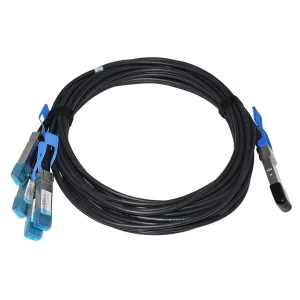
Unlike Active Optical Cables (AOC) or optical transceivers, passive QSFP DACs bypass the need for optical-to-electrical converters. This eliminates signal conversion latency, providing instantaneous, wire-speed data transfers crucial for high-frequency trading and AI computing clusters.
Passive copper interconnects draw zero electrical power, meaning negligible thermal dissipation. Data centers can drastically cut both their energy footprints and cooling infrastructure costs, resulting in a significantly lower Total Cost of Ownership (TCO).
Manufactured using high-grade shielded twinaxial copper lines, premium QSFP28 DAC assemblies are built to keep crosstalk, electromagnetic interference (EMI), and insertion loss to a bare minimum, exceeding IEEE 802.3bj standard parameters.
Established in 2012 in Hong Kong as a high-tech communication enterprise, Kocent Optec Limited has grown into one of China's premier fiber optic termination and high-speed cabling product manufacturers. We specialize in producing both passive and active networking solutions optimized for major telecommunication frameworks, enterprise core networks, and high-density cloud data centers globally.
By leveraging our extensive manufacturing experience and high-capacity engineering capabilities, we ensure our global partners remain ahead of the curve. We prioritize collaboration, custom OEM/ODM development, and comprehensive technical compliance to turn client challenges into market differentiators.

In global telecom procurement, ensuring multi-vendor hardware compatibility is a major operational challenge. Enterprise networks often deploy switches, routers, and host channel adapters (HCAs) from a mix of vendors like Cisco, Arista, Juniper, Dell, and Nokia.
Typically, strict system firmware checks block generic cables. As an experienced ODM manufacturer, Kocent Optec solves this through custom EEPROM coding. We match the specific memory maps of major brands, allowing our DAC cables to integrate into complex networks without triggering port-blocking alarms.
Additionally, we offer customized options like custom cable lengths, color-coded pull tabs for cable management, and variable AWG sizes. These options help optimize space and airflow in high-density server racks.
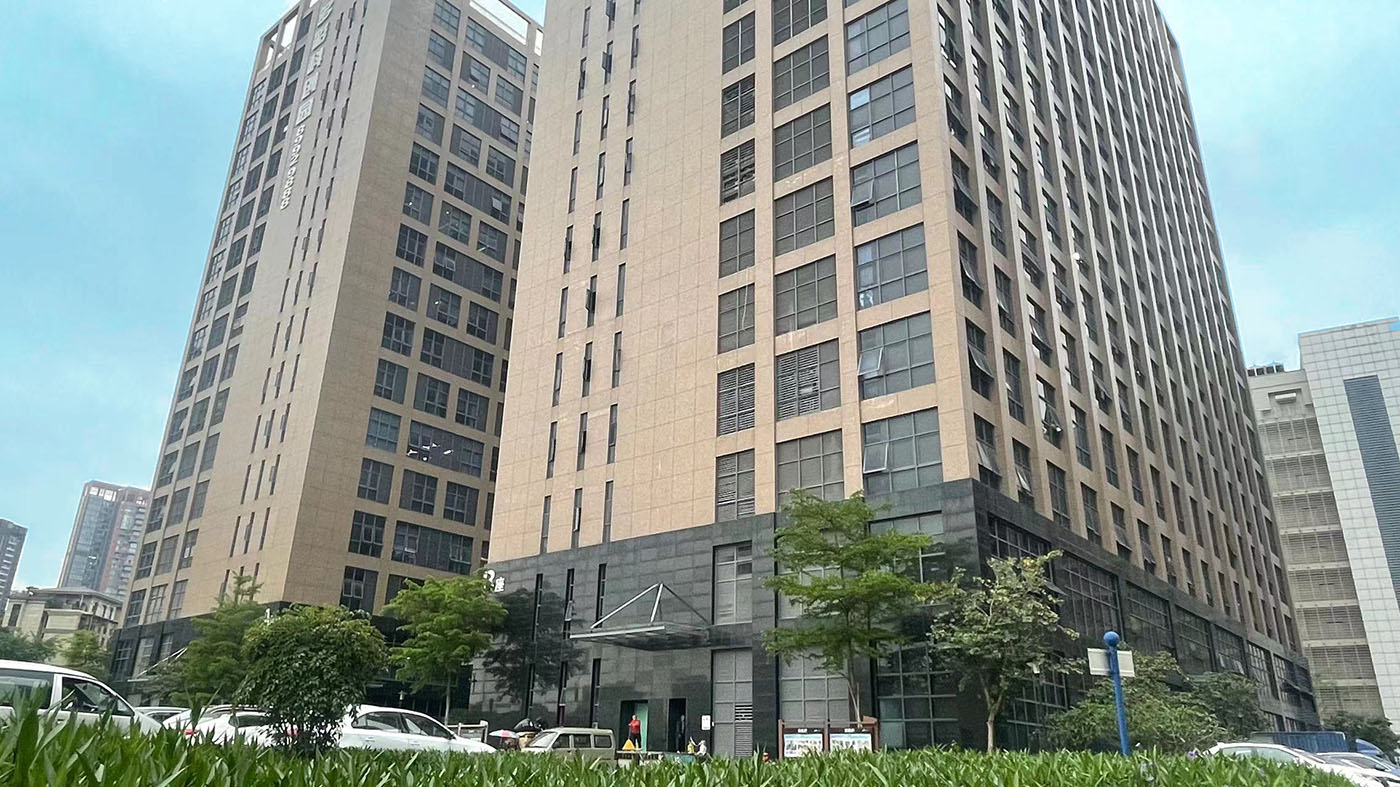
Modern data centers rely on a mix of technologies, choosing copper or fiber depending on distance, budget, and bandwidth requirements. Within the server rack (under 5 meters), QSFP28 DAC copper cables provide high cost-efficiency and performance.
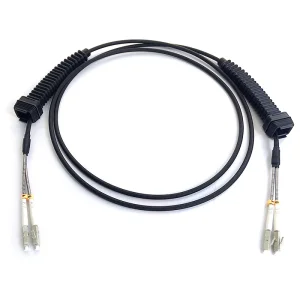
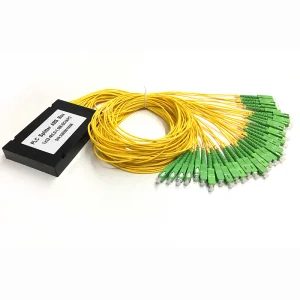
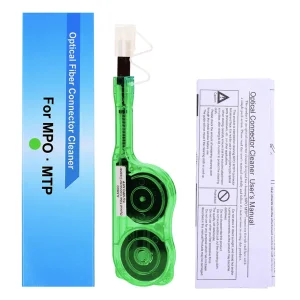
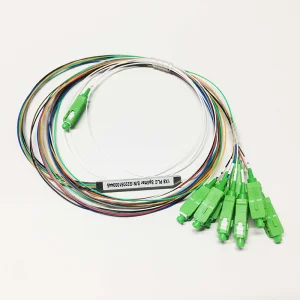
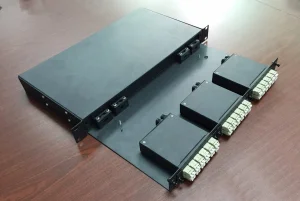
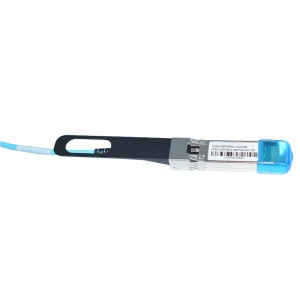
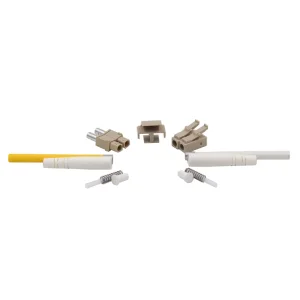
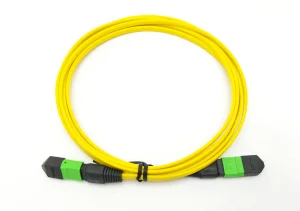
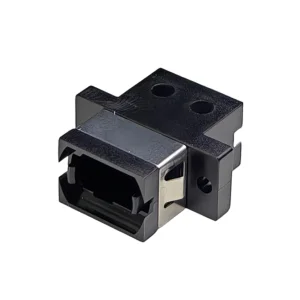
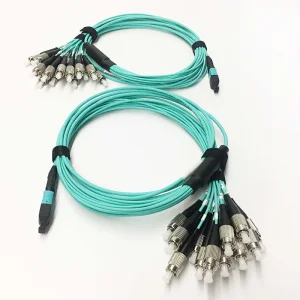
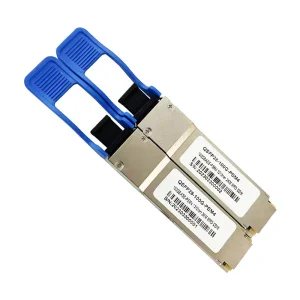
For longer runs, like leaf-to-spine connections, networks transition to active optical cables (AOCs) and high-density MTP/MPO fiber assemblies. Kocent Optec manufactures a complete range of interconnect products, ensuring seamless compatibility across the physical layer.
Our solutions help operators build unified, reliable networking fabrics. We use mature scientific methods to deliver orders on time, ensuring all passive and active products are tested to meet the high standards of global telecommunication systems.
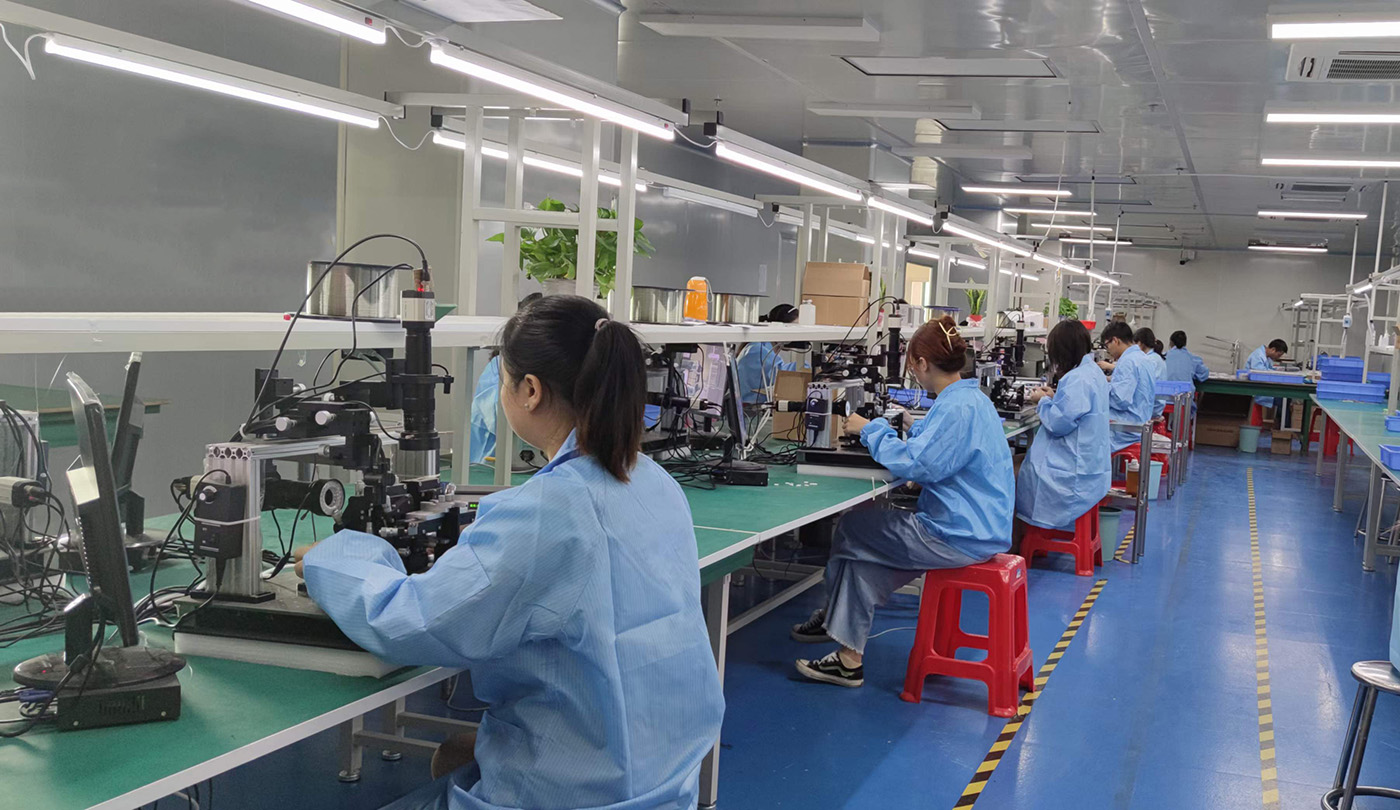
Meeting the strict technical criteria of top telecom networks to ensure reliable performance on a global scale.
Our OEM and ODM products are designed to meet the strict standards required for telecom operator tenders. We supply networks across East Asia, Southeast Asia, the Middle East, Europe, South America, North America, and Africa.
Our active terminal telecom operator footprint includes: SingTel, Vodafone, America Movil, Telefonica, Bharti Airtel, Orange, Telenor, VimpelCom, TeliaSonera, Saudi Telecom, MTN, Viettel, Bitel, VNPT, Laos Telecom, MYTEL, Telkom, Telekom, Entel, FiberTel, StarFiber, Ooredoo, Beeline, Azercell, and more.
We test every production run for return loss, insertion loss, physical durability, and compatibility to ensure stable performance upon installation.
All products are manufactured to meet RoHS, REACH, CE, and FCC standards, ensuring safety, environmental compliance, and reliability.
Based in Hong Kong and Shenzhen, we maintain an efficient supply chain that ensures stable, timely delivery of components for large-scale network upgrades.
How physical media is evolving to meet the demands of high-bandwidth AI computing and cloud infrastructures.
The networking industry is moving quickly beyond 100G architectures toward 400G and 800G standards. This transition requires significant upgrades to physical cabling. In 100G links (QSFP28), standard NRZ modulation at 25Gbps per channel is sufficient. However, 400G (QSFP-DD) and 800G architectures rely on PAM4 (Pulse Amplitude Modulation 4-Level) signaling to double the data rate per lane.
This increased speed makes signals more vulnerable to attenuation and noise. To support these higher frequencies, modern DAC cabling uses high-purity copper twinaxial conductors with advanced shielding. We also optimize our PCB designs at the connector ends to minimize signal loss and reflection.
For longer lengths where passive copper reaches its physical limits, Active Electrical Cables (AEC) and Active Copper Cables (ACC) are becoming popular alternatives. These technologies incorporate signal-boosting linear equalizers directly into the connectors, extending the usable range of copper cables while keeping power consumption lower than optical alternatives.
Technical guidance for infrastructure engineers and procurement managers.
High-speed copper interconnects and supporting optical distribution components for enterprise data centers.
 KOCENT OPTEC