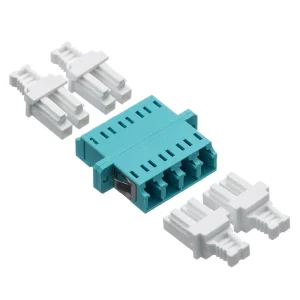
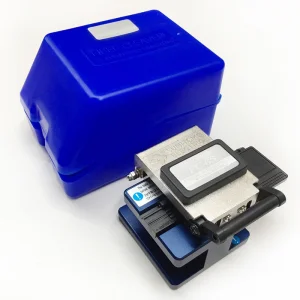
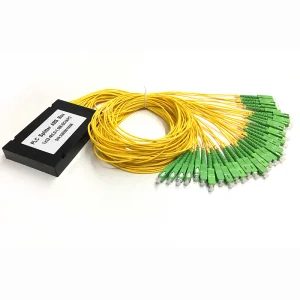
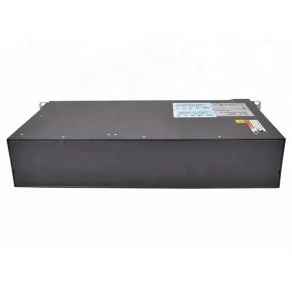
Premium active and passive fiber optic transmission equipment engineered for high-density telecommunication deployments.
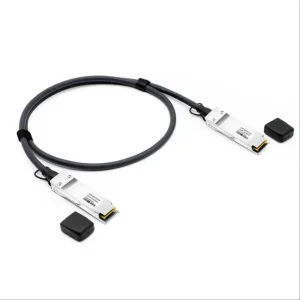
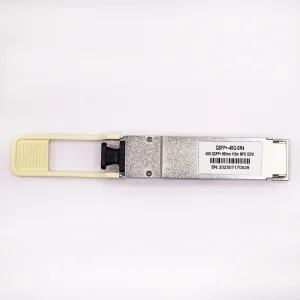
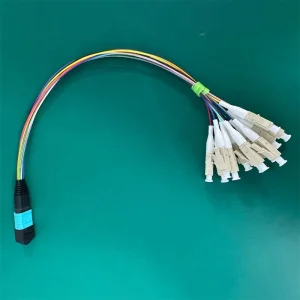
In modern high-speed communication infrastructure, the 24-core fiber optic cable serves as the critical backbone for Metropolitan Area Networks (MANs), Local Area Networks (LANs), data center interconnects (DCIs), and Fiber-To-The-Home (FTTH) terminal networks. Selecting a certified manufacturer that optimizes raw material overhead without compromising physical durability or optical attenuation is paramount for long-term network survivability.
As a key tier-one manufacturer, Kocent Optec Limited provides cost-effective manufacturing techniques combined with rigorous testing protocols to deliver enterprise-grade 24 Core Fiber Cables globally. Our integration of precision optical drawing towers, advanced loose-tube jacket insulation, and Automated Test Equipments (ATE) guarantees premium-quality physical interfaces at highly competitive price points.

How micro-structural advancements and scale optimizations are shifting the performance-to-cost curve for 24-core fiber cabling.
Modern deployments demand micro-cables with minimized diameters. By reducing the thickness of buffer gel and high-density polyethylene (HDPE) tubing, manufacturers pack 24 cores in diameters under 6.0mm, allowing seamless blowing through congested micro-ducts.
With standard single-mode fibers prone to macro-bend losses in confined spaces, the industry is shifting to ITU-T G.657.A1 and G.657.A2 standards. This ensures low loss signals (under 0.2dB/km at 1550nm) even during tight-radius wrapping inside joint closures.
To comply with global fire safety and environmental guidelines, 24-core cables are structured using Low Smoke Zero Halogen (LSZH) compounds and rodent-proof corrugated steel tape armoring, providing reliable performance in diverse environments.
Expert Dynamic: Choosing direct factory channels cuts intermediate logistics markups by up to 35%. Our bulk procurement of raw polymers, aramid yarns (Kevlar), and silicon dioxide glass rods from direct primary producers optimizes manufacturing costs without sacrificing the mechanical and physical performance parameters specified by major global telecommunication authorities.
Comprehensive engineering benchmarks detailing mechanical tolerance, thermal performance, and optical physical parameters.
| Parameter / Metric | Single-Mode (G.652.D / G.657.A1) | Multi-Mode (OM3 / OM4) | Test Standard Compliance |
|---|---|---|---|
| Fiber Core Count | 24 Cores (Color Coded, TIA-598-A) | 24 Cores (Color Coded, TIA-598-A) | ITU-T / EIA/TIA |
| Attenuation Coefficient | ≤ 0.35 dB/km @ 1310nm | ≤ 0.20 dB/km @ 1550nm | ≤ 2.5 dB/km @ 850nm | ≤ 0.6 dB/km @ 1300nm | IEC 60793-1-40 |
| Max Tensile Strength | Long term: 600N | Short term: 1500N | Long term: 600N | Short term: 1500N | IEC 60794-1-2-E1 |
| Crush Resistance | Long term: 1000N/10cm | Short term: 3000N/10cm | Long term: 1000N/10cm | Short term: 3000N/10cm | IEC 60794-1-2-E3 |
| Bending Radius (Static / Dynamic) | 10 x Cable O.D. / 20 x Cable O.D. | 10 x Cable O.D. / 20 x Cable O.D. | IEC 60794-1-2-E11 |
| Outer Sheath Material Options | HDPE (Double Jacketed) / LSZH (Low Smoke) | Plenum (OFNP) / Riser (OFNR) / LSZH | UL 1666 / IEC 60332-3 |
| Operating Temperature Range | -40°C to +70°C | -20°C to +70°C | IEC 60794-1-2-F1 |
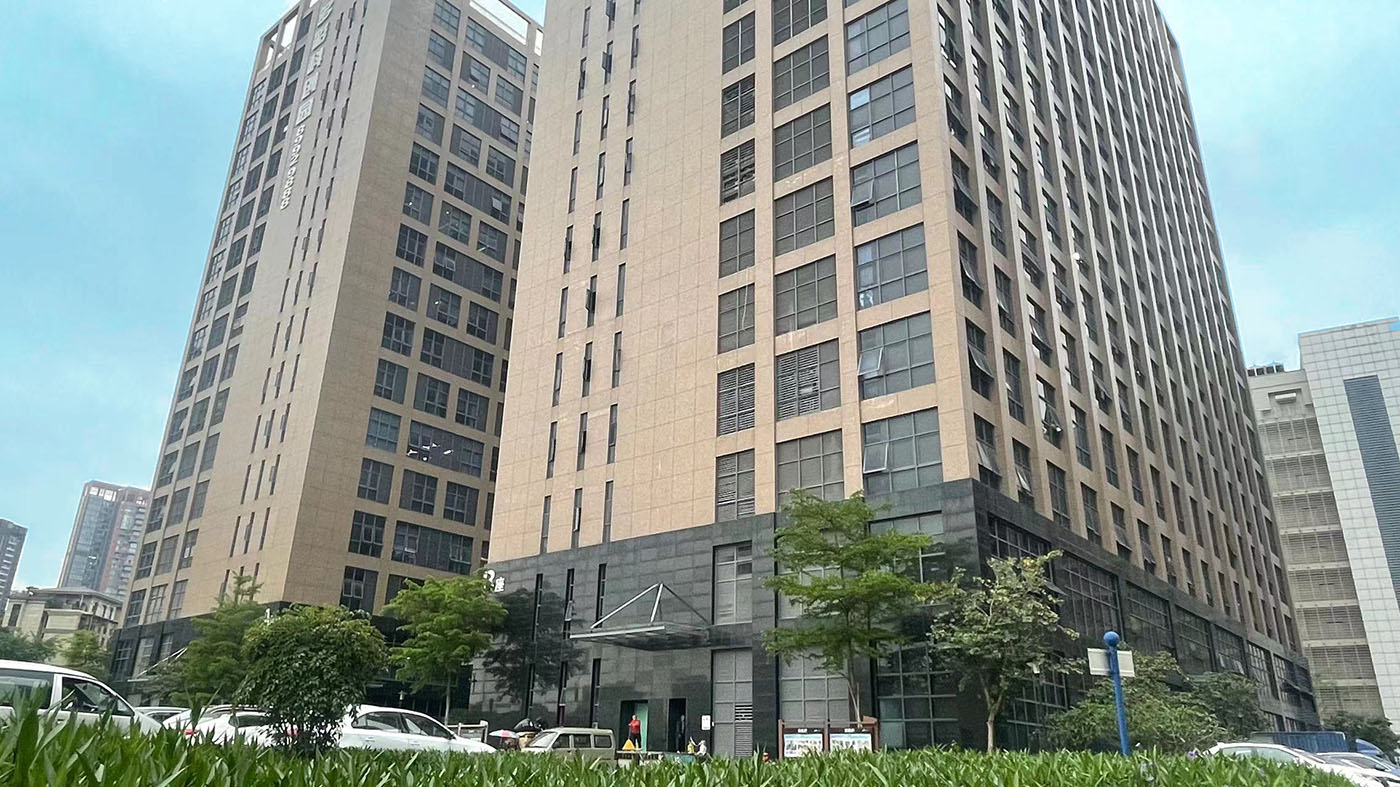
Factory Integration: Real-time mechanical and physical testing ensuring raw fiber materials meet critical elongation, tensile load, and environment cycling constraints prior to assembly.
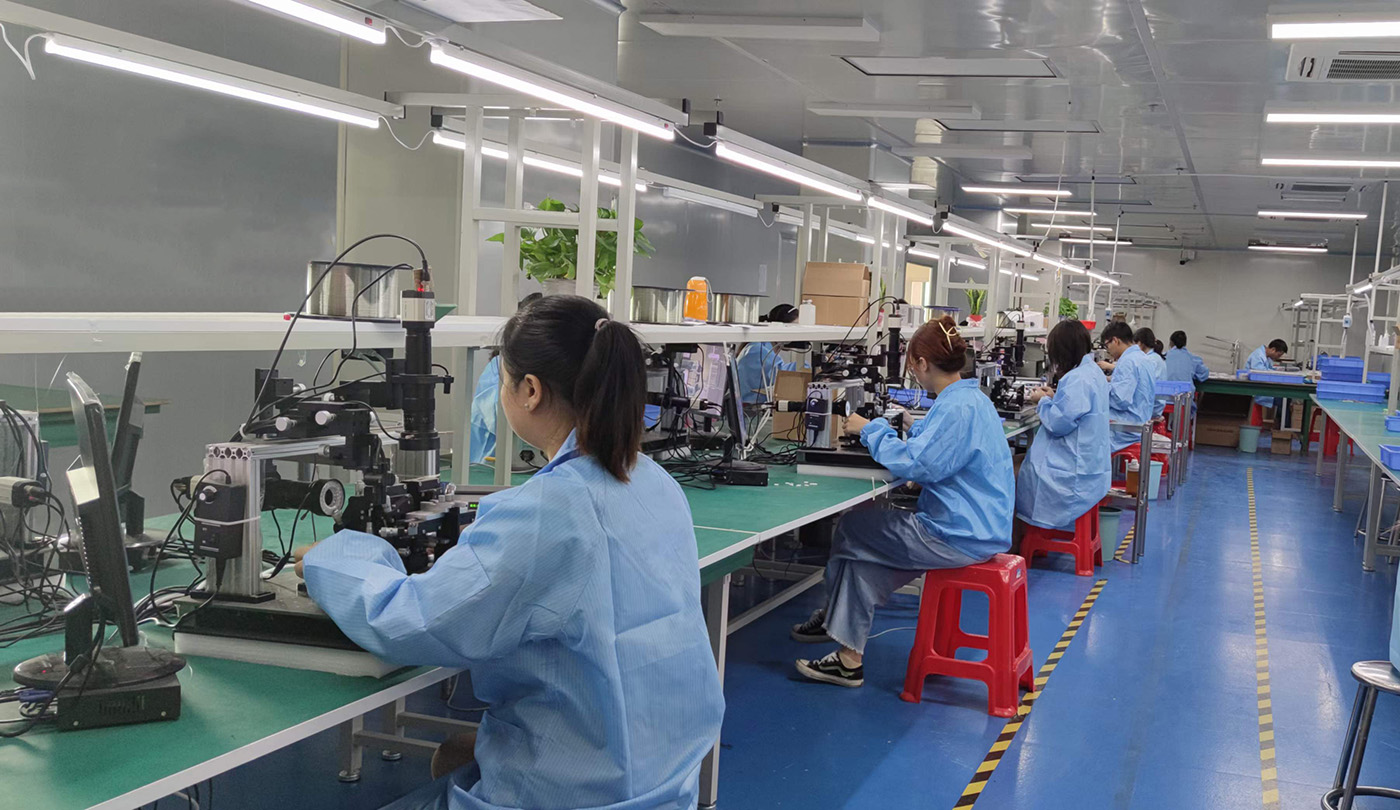
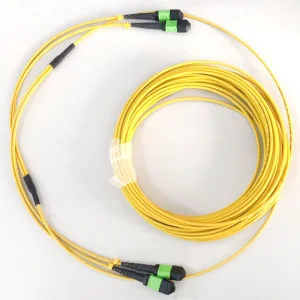
Dust-Free Cleanrooms: High-density terminations (MTP/MPO fanouts and patch panel assemblies) are constructed in ISO 7 class cleanrooms to guarantee minimal back reflection and return loss.
How purchasing agents and EPC contractors can structure requests for quotes (RFQs) to secure maximum longevity per channel.
Ensure your manufacturer utilizes premium glass preforms. Lower-cost vendors often deploy low-grade glass cores, leading to micro-cracks under tensile stress. Our direct traceability reports verify the origin of all glass fiber reels used.
Specify standard PE (Polyethylene) jackets for outdoor duct applications. For direct burial, specify corrugated steel tape armoring (GYTS/GYTA) to block water ingress and prevent rodent attacks. For indoor installations, request certified LSZH compounds.
Verify that 100% of manufactured fibers undergo OTDR (Optical Time Domain Reflectometer) trace testing and geometry measurement. Many factories skip bulk testing, passing the risk of dark-core failures to field installation teams.
Our solutions are deployed across multiple regions and satisfy the strict standards of leading global telecom operators.
Years of sales and service experience have enabled us to win customers from different regions. Today, we have customers from East Asia, Southeast Asia, Middle East, Eastern Europe, Western Europe, Northern Europe, South America, North America, North Africa, and South Africa.
Win-win cooperation is our constant goal. Many our OEM and ODM products won the Telecom Operator tender and satisfy end-user request.
SingTel, Vodafone, America Movil, Telefonica, Bharti Airtel, Orange, Telenor, VimpelCom, TeliaSonera, Saudi Telecom, MTN, Viettel, Bitel, VNPT, Laos Telecom, MYTEL, Telkom, Telekom, Entel, FiberTel, StarFiber, Ooredoo, Beeline, Azercell.
Direct answers to core mechanical, optical, and logistical questions from network architects and procurement leads.
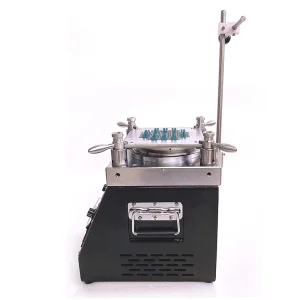
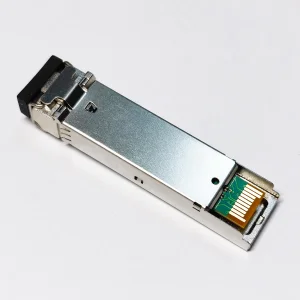
Premium adapters, termination tools, and automated polishing systems to ensure zero-loss connectivity at every junction.
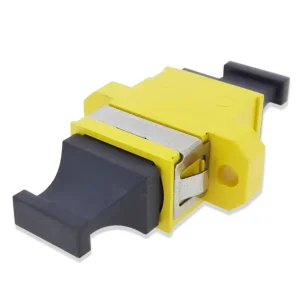
 KOCENT OPTEC