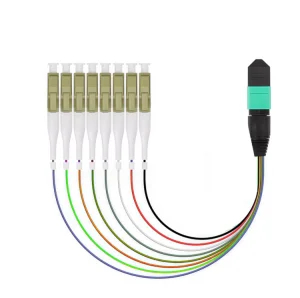
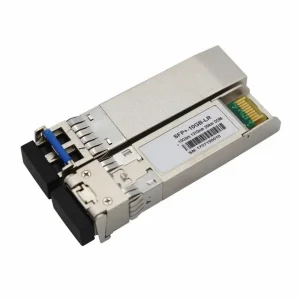
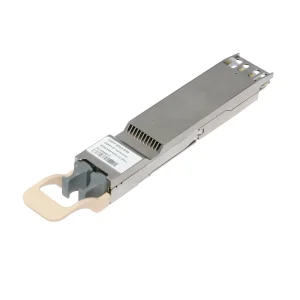
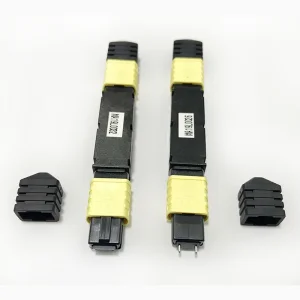
Explore our field-proven fiber optic connectors, transceivers, and cable assemblies optimized for Base-8 architectures and enterprise networks.
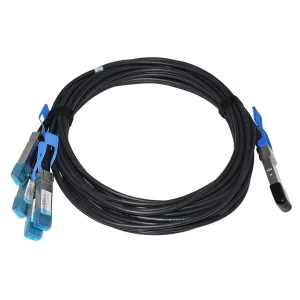
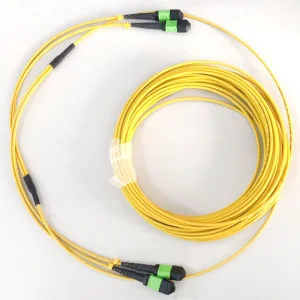

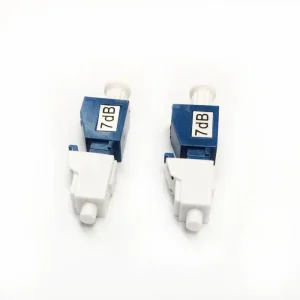
An In-Depth Technical Guide to Procurement Optimization, Architecture Design, and Manufacturing Standards in Global Telecommunication Ecosystems.
Strict performance verification using industry-standard interferometer and insertion loss testing protocols before distribution.
Fully compliant with Telecordia GR-326-CORE, RoHS, REACH, and UL flammability standards to ensure system longevity.
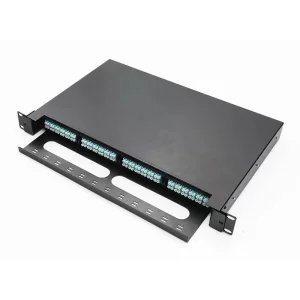
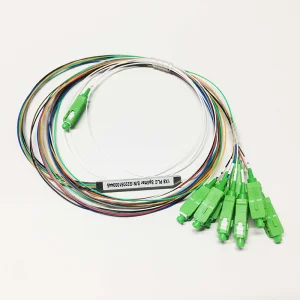
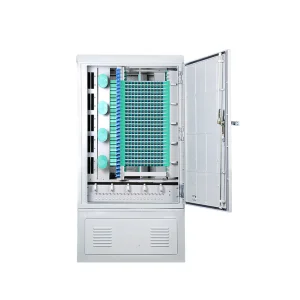
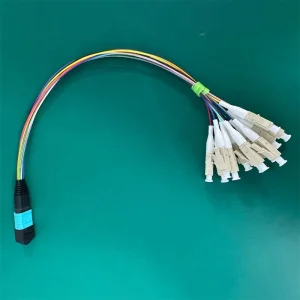
Flexible architectural design services from fanout configurations to high-density patch panel termination systems.
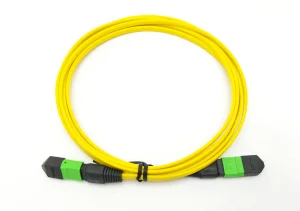
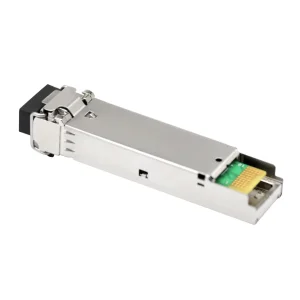
Within hyperscale architectures, the 8-core optical profile (commonly known as Base-8) has transitioned from an niche configuration into the cornerstone of transmission media layouts. Historically, 12-fiber (Base-12) systems were standard for backbone setups. However, modern QSFP-based transceivers (40GBASE-SR4, 100GBASE-SR4, and newer 400G and 800G standard modules) utilize a 4-channel parallel transmission scheme. Using 4 channels to transmit and 4 to receive leaves 4 fibers inactive in a standard 12-core run. By designing infrastructure around an optimized 8-core standard, installers achieve 100% fiber utilization without the cost or complexity of conversion modules.
Procuring through direct factory contracts reduces structural costs while maintaining strict technical criteria. Cost-effective sourcing does not demand lower-grade components; rather, it highlights optimization in the assembly supply chain, raw material integration, and precise physical geometry control. Direct sourcing from specialized factories allows engineering teams to deploy G.657.A1 and G.657.A2 bend-insensitive optical fibers that minimize microbending loss within congested patch cabinets, while managing limited insertion loss budgets.
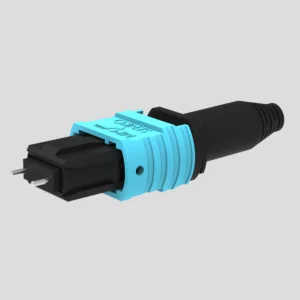
Strategic Insight from Kocent Optec: "Minimizing Link Loss Budget in modern networks is critical. When planning high-density trunk routes, a standard MPO/MTP connection must fall below 0.35dB (Elite low-loss version) or 0.7dB (Standard) insertion loss. Working directly with optical termination manufacturers guarantees exact compliance with performance specs across production batches."
Large scale procurement of fiber infrastructure demands a balanced approach to Total Cost of Ownership (TCO) and long-term deployment reliability. Purchasing managers must verify that manufacturers can consistently meet mechanical, environmental, and transmission specifications across large production volumes. Strategic vendor evaluation focuses on structural cost advantages and supply chain resilience:
| Performance Metric | Singlemode (SM) G.652.D / G.657.A1 | Multimode (MM) OM3 / OM4 | Testing Standards & Procedures |
|---|---|---|---|
| Insertion Loss (IL) | ≤ 0.20dB (Elite); ≤ 0.30dB (Typical) | ≤ 0.15dB (Elite); ≤ 0.25dB (Typical) | IEC 61300-3-4 Method B |
| Return Loss (RL) | ≥ 60dB (APC); ≥ 50dB (UPC) | ≥ 30dB (PC) | IEC 61300-3-6 |
| Ferrule End-Face Geometry | Compliance with IEC 61755-3-1 | Compliance with IEC 61755-3-2 | 3D Interferometer Geometry Control |
| Operational Temperatures | -40°C to +85°C | -20°C to +70°C | IEC 61300-2-22 (Temperature Cycling) |
8-core fiber arrays serve as the structural framework across several key telecommunication sectors:
As 5G base stations deploy globally, remote radio heads (RRH) and baseband units (BBU) require robust, weather-resistant optical links. Outdoor rated 8-core fiber drops, terminated with harsh-environment connectors, support the capacity demands of CPRI/eCPRI interfaces over extended distances.
To scale bandwidth without expanding physical layouts, operators are shifting to spine-leaf networking topologies. High-density patch panels, coupled with 8-core fanout patch cords, direct parallel signals from transceivers directly into high-throughput switches.
Deploying municipal fiber networks requires flexible cable profiles that scale over time. 8-core micro-cables can be blown into existing micro-duct networks, providing path redundancy and future-proofing public access points with minimal construction overhead.
Producing carrier-grade optical cabling relies on strict process control. The path from raw fiber spools to completed patch cords is heavily monitored at each stage:
Established in 2012 in Hong Kong as a high-tech communication enterprise, Kocent Optec Limited is one of China's leading fiber optic termination product manufacturers and solution providers.
We are dedicated to developing and manufacturing a broad range of fiber optic communication products spanning passive and active categories for telecommunication systems, enterprise networks, and cloud data centers.
By leveraging our extensive production capacity and technical experience, we deliver tailored, high-performance solutions for our global clients, helping them lower operational costs and improve project margins.

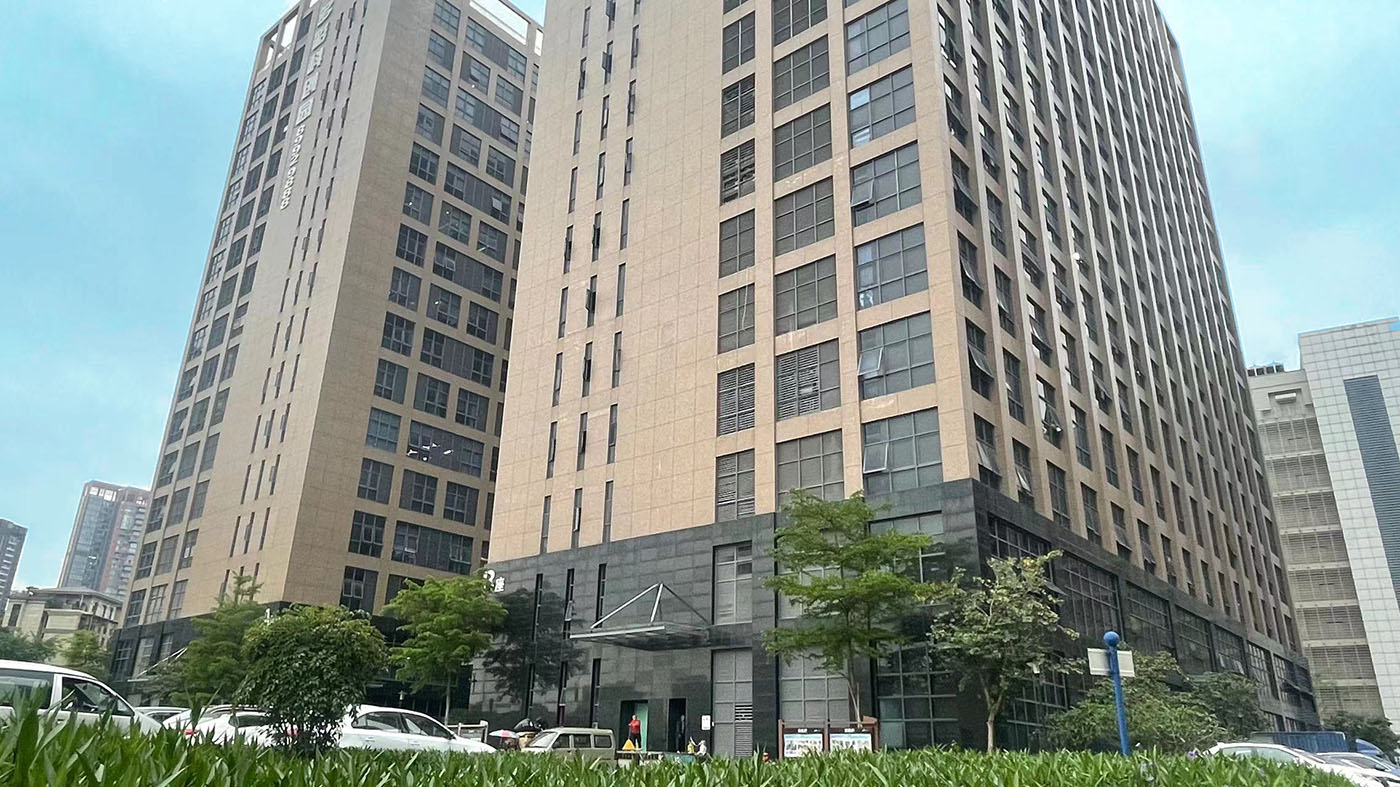
Over our history, we have continuously improved our production workflows to maximize output and quality for our customers. We focus on active engineering collaboration, acting as a direct manufacturing partner for your network infrastructure requirements.
We strictly follow international industry standards (including Telcordia, IEC, and ITU-T), using calibrated test instrumentation to guarantee that all assemblies perform as specified. Our direct-to-factory model eliminates intermediary markups, providing cost-effective solutions for large infrastructure deployments.
With more than 13 years of manufacturing experience, we utilize mature scientific methods to deliver orders on time, ensuring 100% of finished goods are verified and documented before dispatch.
Years of client service have helped us earn supply contracts across diverse markets, including East Asia, Southeast Asia, the Middle East, Eastern Europe, Western Europe, Northern Europe, South America, North America, North Africa, and South Africa.
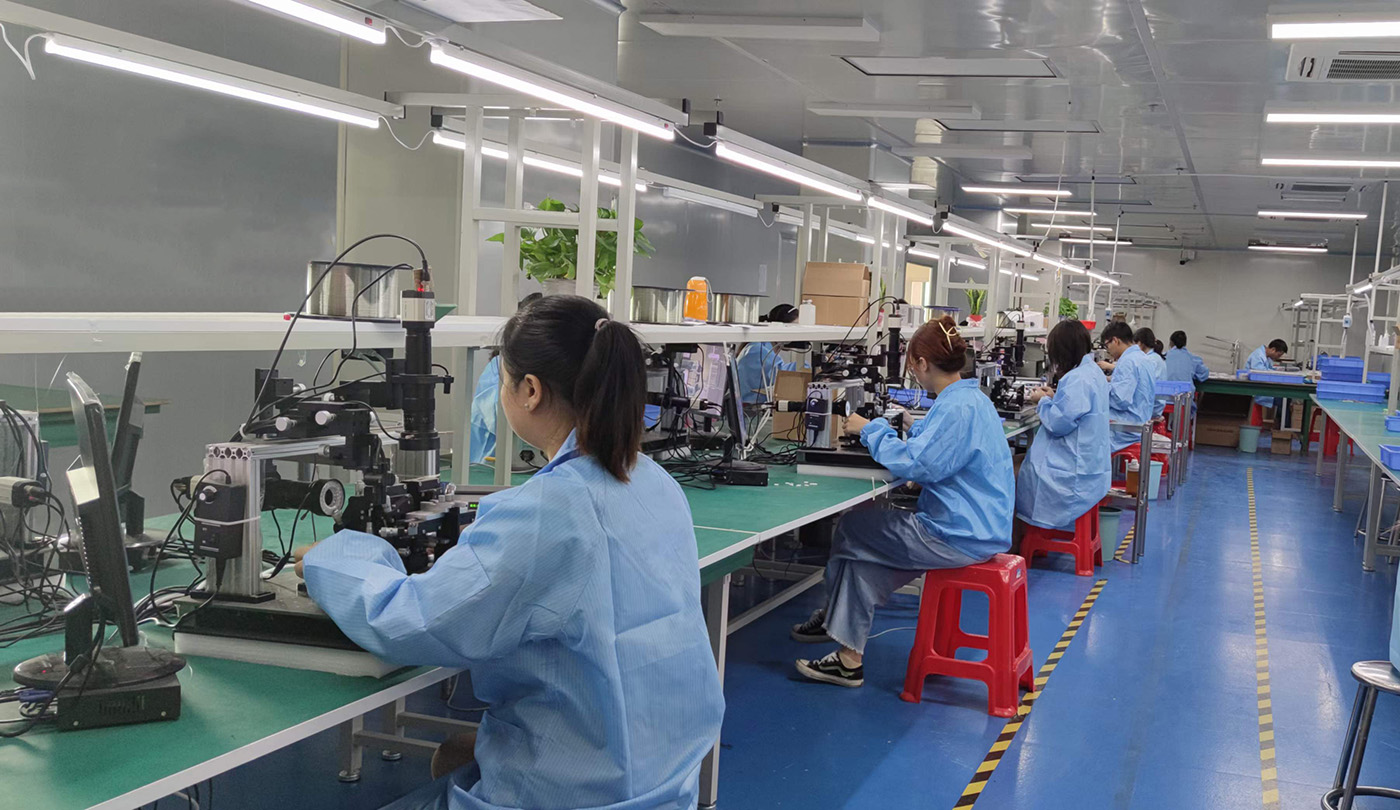
Our OEM and ODM assemblies are regularly selected in competitive public tenders, meeting the standards of leading operators worldwide:
Approved Operator Networks: SingTel • Vodafone • America Movil • Telefonica • Bharti Airtel • Orange • Telenor • VimpelCom • TeliaSonera • Saudi Telecom • MTN • Viettel • Bitel • VNPT • Laos Telecom • MYTEL • Telkom • Telekom • Entel • FiberTel • StarFiber • Ooredoo • Beeline • Azercell.
Answers to common structural, testing, and deployment questions for 8-core optical systems.
Explore our field-proven fiber optic connectors, transceivers, and cable assemblies optimized for Base-8 architectures and enterprise networks.
 KOCENT OPTEC