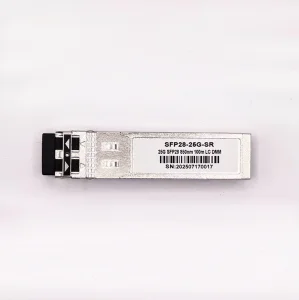
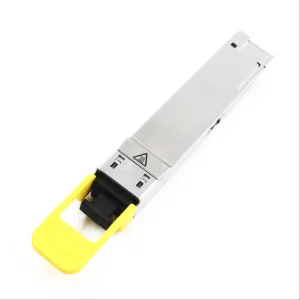
In modern optical networking, optical efficiency acts as the bedrock for scalable data architectures. The 10G SFP+ BiDi (Bidirectional) optical transceiver represents a massive leap in maximizing fiber plant capacity. By using Wavelength Division Multiplexing (WDM) technologies—typically deploying different transmitting and receiving wavelengths on a single strand of fiber (such as Tx1270nm/Rx1330nm paired with Tx1330nm/Rx1270nm)—network operators can double their physical bandwidth capacity without installing new physical fiber cables.
For globally active procurement directors, network architects, and system integrators, selecting the ideal 10G SFP+ BiDi manufacturer in China involves looking closely at product stability, production capacity, multi-vendor firmware compatibility, and end-to-end supply chain resilience. This whitepaper analyzes the market trends, engineering nuances, and quality assurance processes that set leading manufacturers like Kocent Optec Limited apart.

Conventional transceivers require two separate optical fiber strands to support a single bidirectional communication channel (Tx and Rx). 10G BiDi transceivers utilize a single fiber patch cord by splitting signal directions via different wavelengths, immediately reducing patch cabling requirements by 50% across links up to 80km.
Data centers operate with mixed routing environments. Global enterprise buyers require that 10G SFP+ BiDi transceivers include highly customizable EEPROM codings, ensuring complete compatibility with Cisco, Juniper, Huawei, Arista, and HPE network gear.
Modern network diagnostics require real-time monitoring. Standard SFF-8472 compliant DDM (Digital Diagnostics Monitoring) implementation tracks optical output power, input power, laser bias current, temperature, and supply voltage to prevent system downtime.
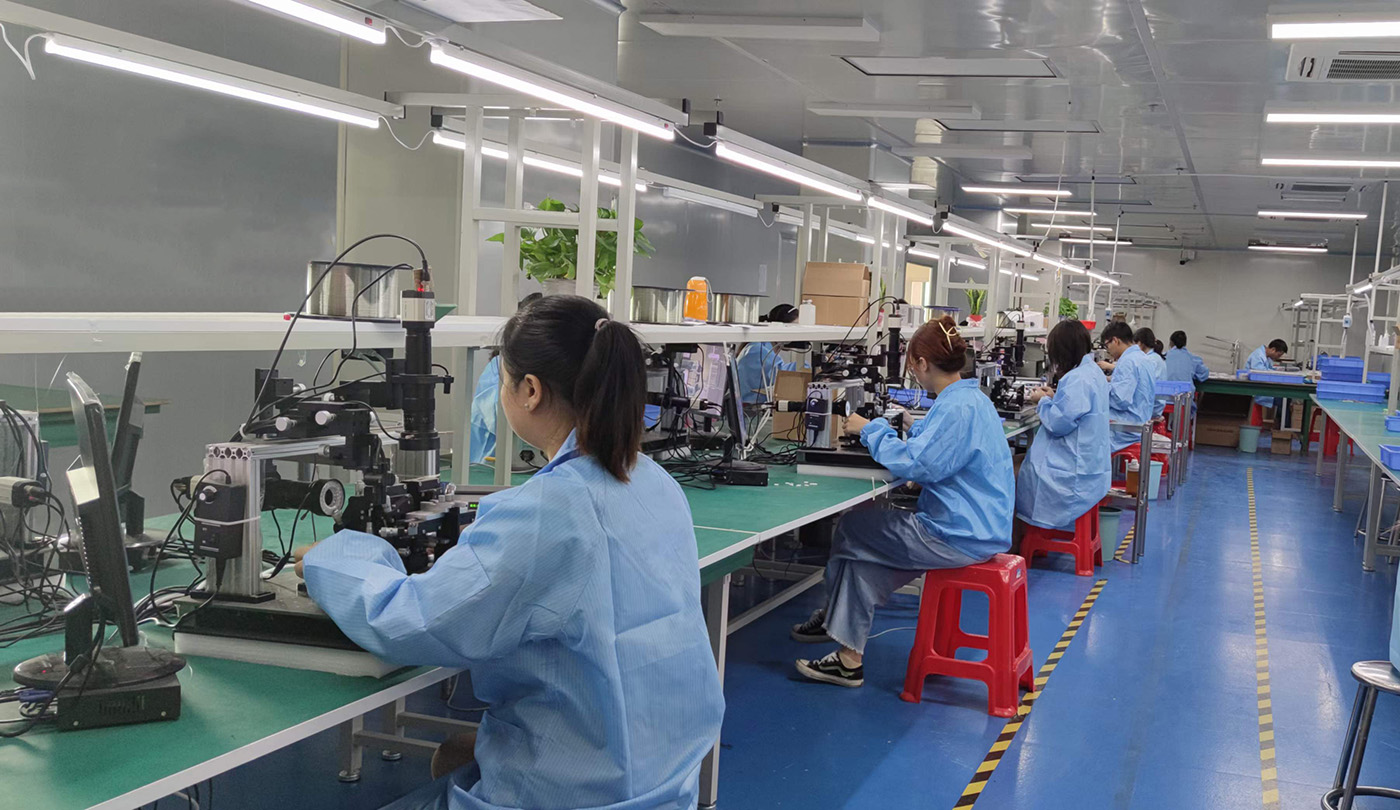
The manufacturing landscape for fiber optical products in China has shifted from simple assembly to Industry 4.0 automation. Modern production facilities leverage high-precision automated optical alignment machinery and automated test suites to maintain zero-defect standards for active and passive network gear.
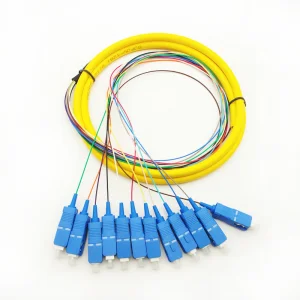
Kocent Optec Limited exemplifies this evolution. By implementing strict quality management systems (QMS), we make sure our fiber optic termination products and active transceivers are built under mature, scientific protocols. Testing goes beyond basic functionality: we conduct comprehensive insertion loss testing, optical back-reflection measurements, environmental temperature cycling, and rigorous compatibility testing across multiple network platforms.
This systematic focus on reliability helps prevent common optical connection problems such as wavelength drift, signal loss over long distances, and physical interface mismatching.
Established in 2012 in Hong Kong as a high-tech communication enterprise, Kocent Optec Limited has grown into one of China's leading fiber optic termination product manufacturers and solution providers. We are dedicated to developing and manufacturing high-quality fiber optic communication components, ranging from passive components to active optical transceivers for modern telecommunications networks, enterprise campuses, and hyperscale data centers.
Leveraging our extensive experience and scalable production capacity, we help our clients expand their core capabilities, reduce network construction costs, and secure tenders in competitive markets. We position ourselves not just as a components vendor, but as a long-term engineering partner for reliable fiber optic connection solutions.
With over 13 years of manufacturing expertise, we closely follow international telecommunication standards (ITU-T, IEEE, Telcordia) and ensure that 100% of our products undergo thorough inspection and testing before shipment.
Our sales and service network spans across East Asia, Southeast Asia, the Middle East, Eastern and Western Europe, Northern Europe, North and South America, and across Africa. We deliver reliable OEM and ODM products that consistently win telecommunication operator tenders and meet rigid commercial service level agreements (SLAs).
Our components and transceiver solutions support major international telecom networks, including:
5G base stations require dense optical interconnect networks. Deploying 10G SFP+ BiDi transceivers helps mobile operators maximize their fiber links to remote radio heads (RRH), cutting installation and maintenance costs while maintaining low-latency data streams.
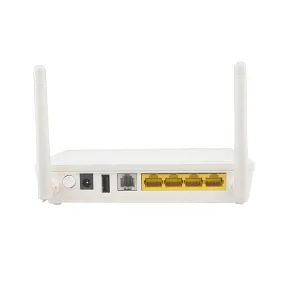
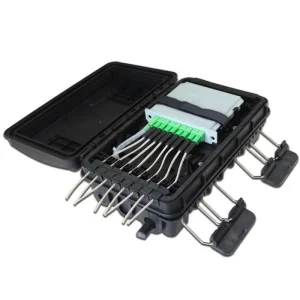
As internet providers expand fiber-to-the-home (FTTH) services, regional central offices use 10G BiDi modules to handle high-bandwidth backhaul traffic. The single-fiber design frees up valuable distribution box slots and terminal rack space.
Modern campuses often run into fiber duct capacity limits. Rather than digging new trenches or running new cables, IT directors swap out dual-fiber optics for 10G BiDi modules to double campus network speeds across legacy single-mode runs.
Data centers require high-density, low-power interconnects. 10G BiDi SFP+ transceivers offer a cost-effective, high-density alternative to dual-fiber runs, maintaining low power consumption and high system reliability.
 KOCENT OPTEC