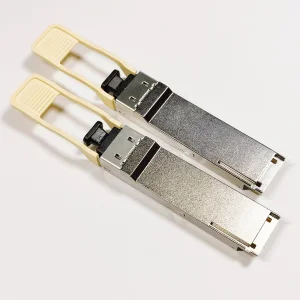
In the rapidly changing landscape of enterprise networking, the 10G SFP+ (Small Form-factor Pluggable) transceiver remains the workhorse of modern local area networks (LANs), storage area networks (SANs), and edge data centers. Selecting the right optical transceivers involves looking beyond basic unit costs. Global procurement managers look closely at compatibility, quality control, long-term operational costs, and supply chain reliability. China's manufacturing clusters, particularly in optical hubs like Shenzhen and Wuhan, supply over 60% of the world's transceiver modules. This makes choosing the right partner essential for long-term network performance.
For tier-1 telecom operators and high-density data centers, quality is paramount. When purchasing in bulk, even a 0.5% failure rate can disrupt operations and increase maintenance costs. This guide details the technical specifications, testing protocols, and cost factors you need to know when sourcing 10G SFP+ modules from China.
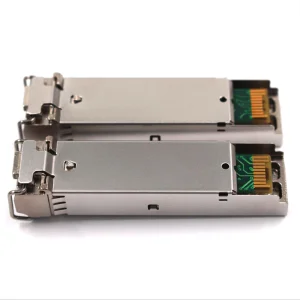
Modern 10G SFP+ modules must comply with the SFF-8431 and SFF-8472 multi-source agreements (MSA). These standards outline the electrical, mechanical, and diagnostics specifications to ensure interoperability across various network switches and routers.
| Transceiver Type | Wavelength (nm) | Fiber Type | Max Distance | Tx Power (dBm) | Rx Sensitivity (dBm) |
|---|---|---|---|---|---|
| 10G SFP+ SR | 850nm (VCSEL) | OM3 / OM4 Multimode | 300m / 400m | -6 to -1 | < -11.1 |
| 10G SFP+ LR | 1310nm (DFB) | OS2 Singlemode | 10km | -8.2 to 0.5 | < -14.4 |
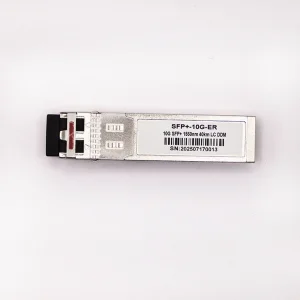
| 10G SFP+ ER | 1550nm (EML) | OS2 Singlemode | 40km | -4.7 to 4.0 | < -15.8 |
| 10G SFP+ ZR | 1550nm (cooled EML) | OS2 Singlemode | 80km | 0 to 4.0 | < -24.0 |
| 10G BIDI SFP+ | Tx1270/Rx1330 (Simplex) | OS2 Singlemode | 10km - 80km | Varies by model | Varies by model |
Digital Diagnostics Monitoring (DDM), also known as Digital Optical Monitoring (DOM) under the SFF-8472 standard, is essential for monitoring transceiver health in real time. It tracks key operating parameters, including:
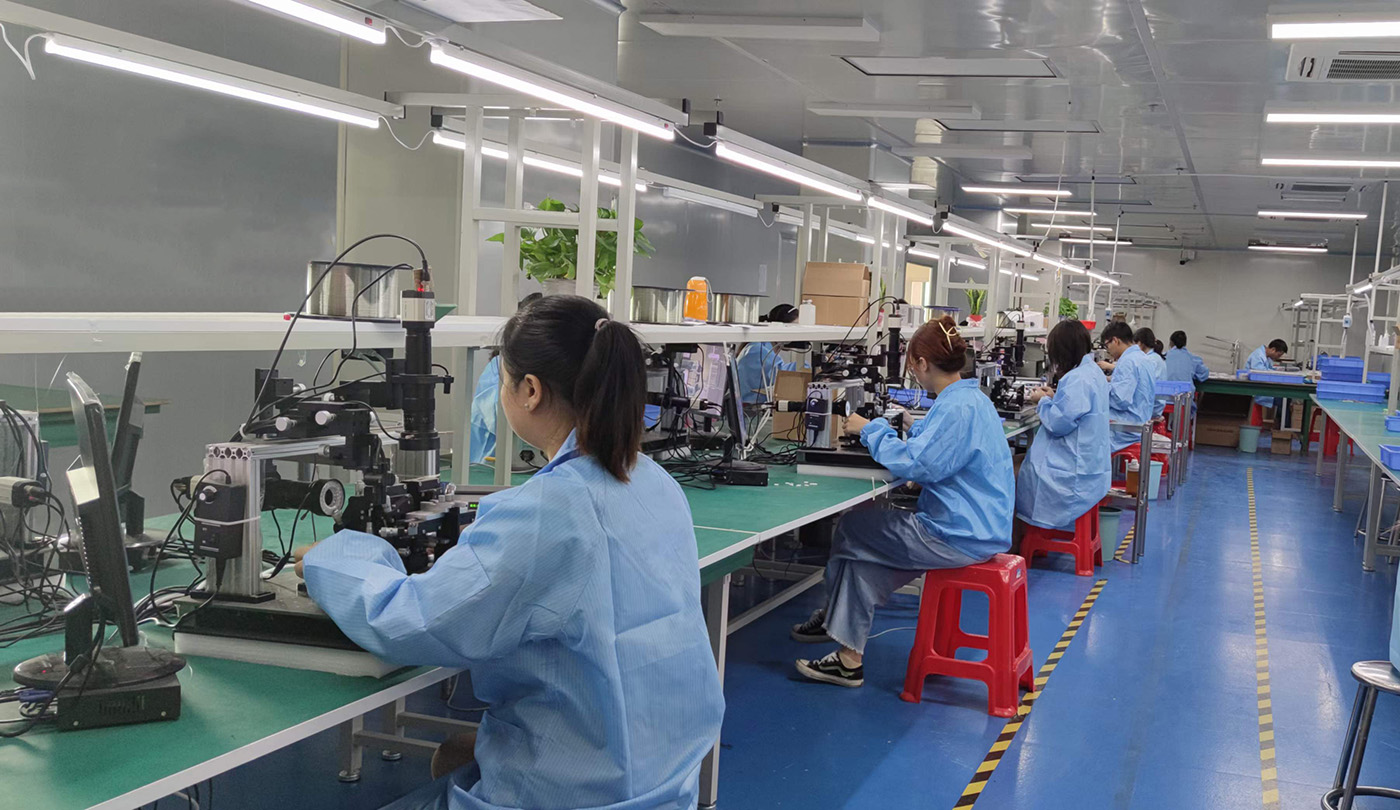
Established in 2012 in Hong Kong as a high-tech communication enterprise, Kocent Optec Limited has grown to become one of China's leading manufacturers and solution providers of fiber optic termination products. We develop and manufacture a wide range of passive and active fiber optic communication products designed for telecommunication networks, enterprise infrastructure, and modern data centers.
By leveraging our industry experience and production capacity, we help our clients optimize their network efficiency and build a competitive advantage. We focus on close customer collaboration, positioning ourselves as a trusted partner in fiber optic connectivity.


With more than 13 years of manufacturing experience, we follow strict industry standards and use advanced scientific testing methods to deliver orders on time. Every product undergoes 100% inspection and testing before shipment to guarantee reliability and field performance.
Our commitment to quality has earned us a global customer base across East Asia, Southeast Asia, the Middle East, Europe, North and South America, and Africa.
Our OEM and ODM products are designed to meet the strict requirements of major telecom tenders and end-users. We work with leading international operators to support key infrastructure projects, including:
SingTel, Vodafone, America Movil, Telefonica, Bharti Airtel, Orange, Telenor, VimpelCom, TeliaSonera, Saudi Telecom, MTN, Viettel, Bitel, VNPT, Laos Telecom, MYTEL, Telkom, Telekom, Entel, FiberTel, StarFiber, Ooredoo, Beeline, Azercell.
As data center traffic grows, networking infrastructure must scale accordingly. While 10G SFP+ remains a reliable option for access layers and enterprise campus networks, many organizations are planning paths to 25G, 100G, and 200G/400G architectures.
Ideal for enterprise access, industrial control networks, and standard server-to-switch links. Offers cost-effective, proven performance with low power consumption.
Uses the same physical footprint as SFP+ but delivers 2.5x the bandwidth. An efficient upgrade path for next-generation servers and 5G fronthaul networks.
Designed for data center spines and high-capacity telecom backbones. Features advanced modulation, such as PAM4, to maximize data throughput.
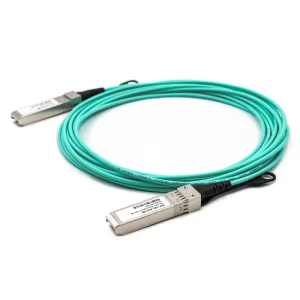
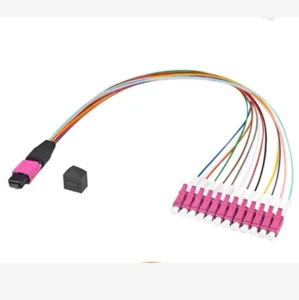
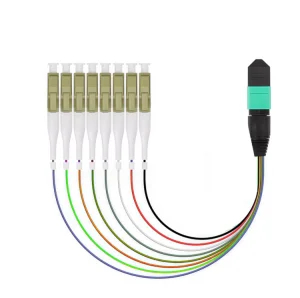
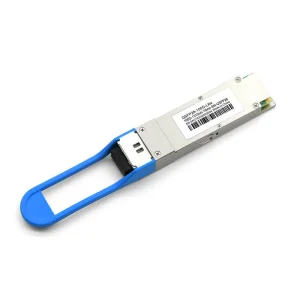
To assist with this transition, we offer hybrid products like Active Optical Cables (AOCs) and custom breakouts (e.g., QSFP+ to 4x SFP+). This allows operators to run older 10G hardware alongside newer 40G/100G platforms without requiring a complete network overhaul.
Compatibility is a key concern when sourcing third-party optical transceivers. Many major network equipment brands use host-side software encryption to block third-party modules. A quality manufacturer must ensure compatibility by writing correct EEPROM codes and verifying they match the host hardware.
At Kocent Optec, our testing process includes coding and hardware checks on a wide range of networking platforms. Our lab tests compatibility with systems from leading manufacturers, including:
Every transceiver is coded with the correct vendor ID, serial number, and checksums. We write custom vendor profiles (e.g., Cisco compatible, Arista compatible, Juniper compatible) to make sure the modules are recognized and function without warnings on host systems.
All modules undergo rigorous temperature cycling, optical eye-diagram analysis, and bit-error-rate (BER) testing. We verify that our transceivers deliver low insertion loss (IL) and high return loss (RL) across their full operating temperature range.
When requesting quotes for 10G SFP+ transceivers, providing clear specifications helps ensure an accurate price estimate. We recommend including the following details in your request:
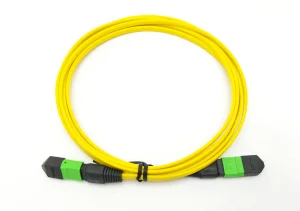
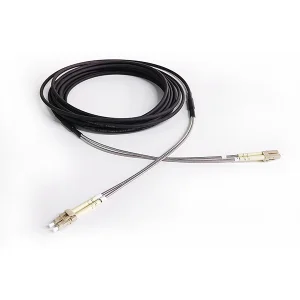
Specify the required distance (e.g., 300m, 10km, 40km), fiber type (Singlemode or Multimode), and connector type (LC duplex, LC simplex, or MPO/MTP).
List the brand and model of your target switches, routers, or firewalls (e.g., Cisco Nexus 9000, Juniper EX Series, Huawei CloudEngine).
Specify any regional standards, such as RoHS, CE, FCC, or REACH, required for import and deployment in your market.
 KOCENT OPTEC
![Cheap [SENKO] Optical Fiber MPO-PLUS Premium Mini Connector Single-mode Housing Set](https://site.cdnfile.io/59c8deaa9fdec6072c4782dc4754000c300_300.webp)