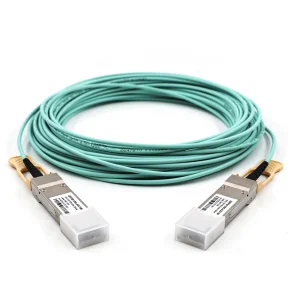
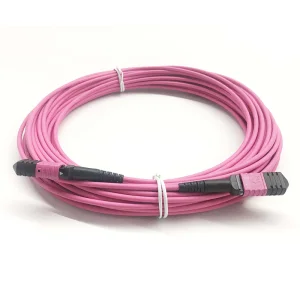
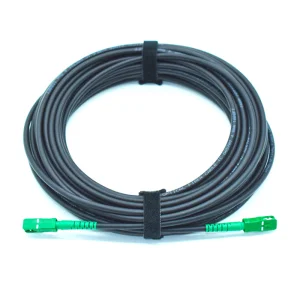
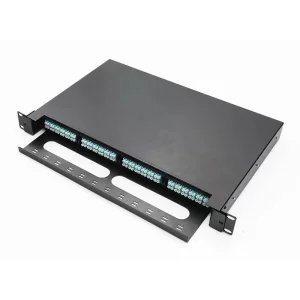
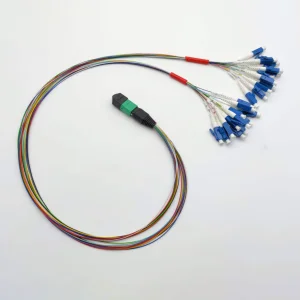
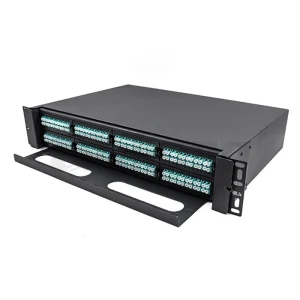
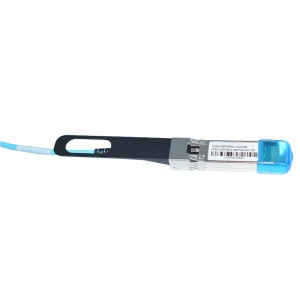
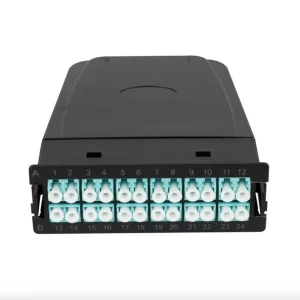
Explore our elite inventory of industry-leading active optical assemblies, fiber management enclosures, and high-density termination hardware designed for modern datacenter deployments.
As modern hyper-scale networks continue their inevitable trajectory toward high-density computing and rapid cloud adoption, the foundational hardware elements supporting global bandwidth demand have undergone critical shifts. The 10G LR SFP+ optical transceiver (Long Range, 10 Gigabit Small Form-factor Pluggable Plus) remains a cornerstone profile in telecommunication grids. Operating at a nominal wavelength of 1310nm over single-mode fiber (SMF), this interface is explicitly designed to handle long-distance transmissions up to 10 kilometers with superior signal integrity.
While industry pioneers continuously investigate higher bandwidth options (such as 40G, 100G, and 400G), 10G LR links remain essential. The optimization of current IT network budgets, combined with the extreme reliability and low power footprint of the SFP+ format, has prolonged the lifecycle of 10G architectures. In metropolitan area network (MAN) rings, campus backbones, and optical-to-the-premise terminations, 10G LR links provide a balanced ratio of latency, heat dissipation, and spectral efficiency.
Real-time telemetry monitoring for TX/RX power levels, internal operational temperatures, operating currents, and supply voltages to optimize preventative maintenance scheduling.
Full conformance to MSA standards (SFF-8431, SFF-8472) guarantees multi-vendor hardware compatibility across diverse enterprise networking switches, routers, and firewalls.
Engineered for high-density switches, featuring power consumption well below 1.0W per port to lower overall cooling requirements in hyper-scale server rooms.
Moreover, modern 10G LR SFP+ modules have integrated advanced Digital Diagnostics Monitoring (DDM/DOM) according to SFF-8472 standards. This structural protocol layer empowers network administrators with real-time measurement capabilities of parameters such as optical output power, receiver input power, laser bias current, module temperature, and transceiver supply voltage. Consequently, system engineers can proactively diagnose fiber link degradations before actual downtime strikes the operational environment.
Modern global enterprise procurement involves navigating complex compliance networks, interoperability challenges, and cost optimization initiatives. Strategic sourcing agents do not simply purchase hardware; they source system resilience. For a product category like 10G LR SFP+ transceivers, standard datasheets require thorough verification to guarantee long-term network operational uptime.
Key indicators, such as Mean Time Between Failures (MTBF), laser classification type (typically 1310nm Distributed Feedback - DFB laser diode), PIN photodetector sensitivity thresholds, and optical link budgets (which must exceed 6.2 dB to maintain performance over 10km spans), serve as baseline qualifiers. Additionally, procurement protocols require strict compliance with regulatory environmental initiatives like RoHS, CE, FCC, and UL certifications.
Furthermore, vendor neutrality has become a core procurement policy. Large-scale networks often employ multi-brand environments where Cisco, Juniper, Arista, and HPE devices operate within the same physical framework. Procuring transceivers that feature customizable EEPROM coding ensures the SFP+ modules run seamlessly across diverse hardware vendor platforms, eliminating vendor-lock cost penalties.
The global optic fiber infrastructure supply chain relies heavily on advanced manufacturing facilities in China. Driven by China's Industrial "Factory 4.0" automation initiatives, manufacturing facilities have transitioned from simple manual assembly shops into automated, high-precision manufacturing centers. This shift ensures the structural integrity, geometric precision, and performance stability of transceivers, fiber connectors, and optical cables.
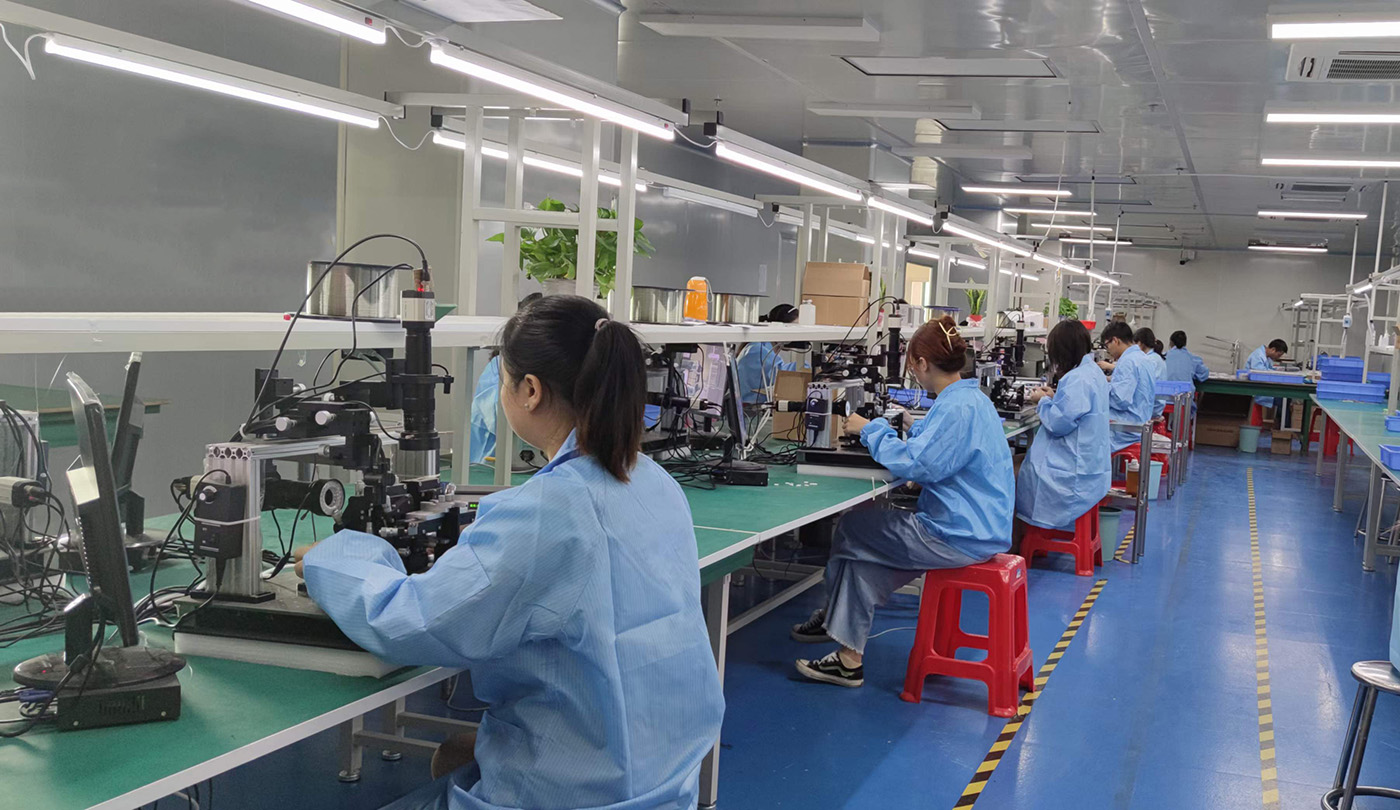
Advanced production methods incorporate automatic robotic testing arrays, environmental simulation chambers for thermal endurance profiling, and automated optical inspection systems (AOI). For opto-electronic components like 10G LR SFP+ transceivers, automated alignment systems adjust the laser diode and photodiode arrays to sub-micron tolerances, ensuring high optical coupling efficiency and extremely low return loss. Additionally, centralized raw material sourcing and end-to-end supply chain integration help neutralize global price volatility.
This systematic manufacturing approach ensures consistent compliance with international telecommunication standards. From raw glass preform fabrication to final product packaging, the integration of automation and strict quality management systems (such as ISO9001 and TL9000) guarantees that high-volume production runs meet strict, zero-defect quality thresholds.
Understanding deployment architectures is critical to selecting the appropriate fiber optic components. The 10G LR SFP+ module serves as the primary transmission interface across several key applications, demonstrating high adaptability in challenging physical environments.
Connecting distributed campus buildings over single-mode fiber runs. Prevents electromagnetic interference while providing stable gigabit backhaul bandwidth.
Enabling regional telecommunication providers to build ring-topologies. Provides robust 10km link budgets for reliable node-to-node transport.
Connecting Leaf-Spine architectures across multiple server halls. Ensures low latency, minimal jitter, and steady data throughput under load.
Whether bridging core switches in cloud data centers, serving as the high-speed link in optical-to-the-business (FTTB) frameworks, or running in harsh outdoor cabinets for industrial utility systems, 10G LR transceivers provide highly reliable performance. By using single-mode fiber patch cords and advanced distribution enclosures, enterprises can scale their communication backbones cost-effectively.
A premier manufacturer and provider of high-grade telecommunication components and optical fiber integration solutions.
Kocent Optec Limited establish in 2012 in Hongkong as a hi-tech communication enterprise, is one of China's leading fiber optic termination product manufacturer and solution provider.
We're dedicated to developing and manufacturing fiber optic communication products ranging from passive to active categories for telecommunication networks, enterprise networks and data centers.

By leveraging our extensive experience and excellent production capacity we gained over the years, we magnify the outcome for our valuable customers, which ultimately expands their core competencies and helps them outperform competitors. We place emphasis on customer collaboration, and we define ourselves as your valuable partner in fiber optic connection solutions. We believe our differentiators are your perceived advantages.
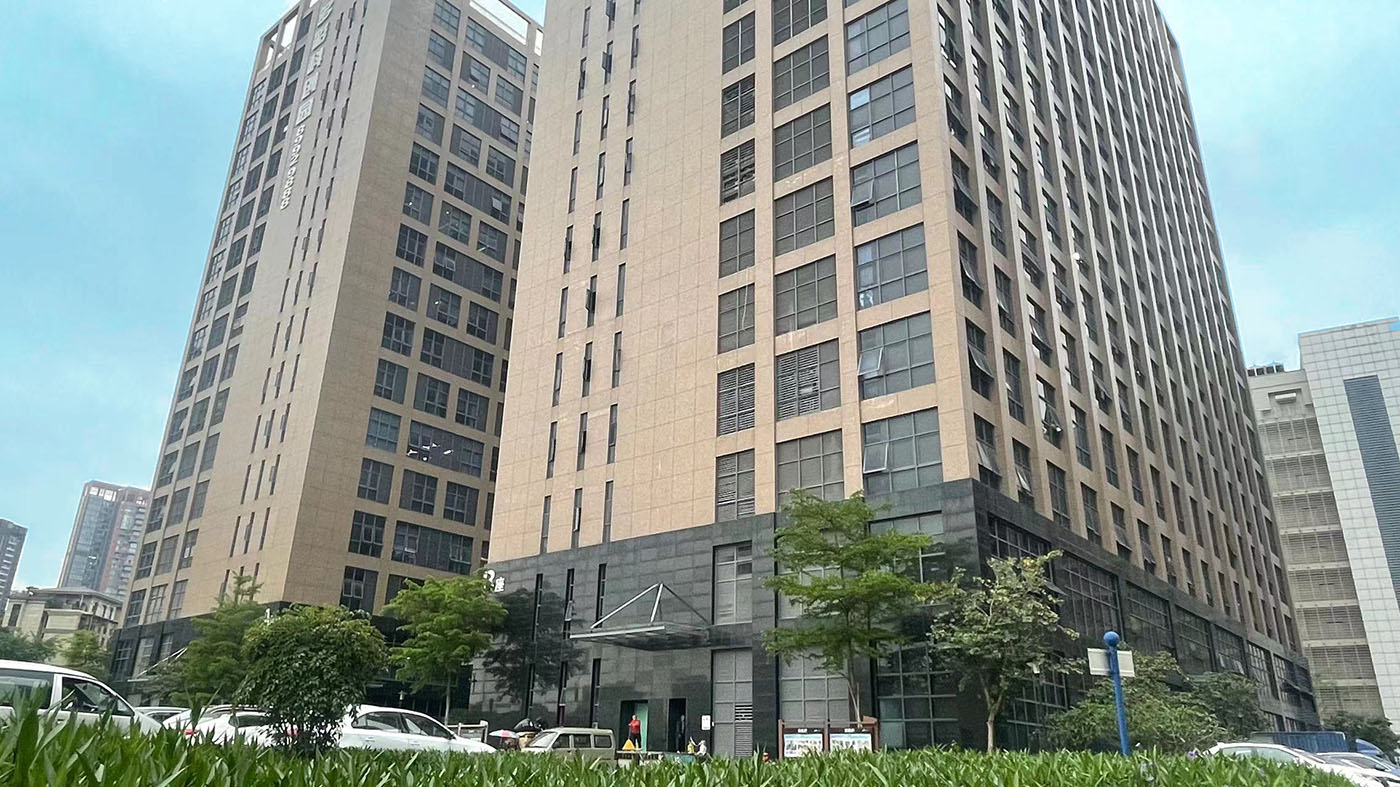
With more than 13 years of experience in manufacturing telecommunication fiber optic products, we follow strictly fiber optic industry standards by using mature scientific methods to deliver your products on time and ensure that 100% products are tested and inspected before shipment.
Years of sales and service experience have enabled us to win customers from different regions. Today, we have customers from East Asia, Southeast Asia, Middle East, Eastern Europe, Western Europe, Northern Europe, South America, North America, North Africa, and South Africa.
Win-win cooperation is our constant goal. Many our OEM and ODM products won the Telecom Operator tender and satisfy end-user request.
Our main terminal telecom operators include: SingTel, Vodafone, America Movil, Telefonica, Bharti Airtel, Orange, Telenor, VimpelCom, TeliaSonera, Saudi Telecom, MTN, Viettel, Bitel, VNPT, Laos Telecom, MYTEL, Telkom, Telekom, Entel, FiberTel, StarFiber, Ooredoo, Beeline, Azercell.
Technical and procurement answers regarding 10G LR SFP+ modules, high-speed fiber patch cables, and compatibility protocols.
Select high-quality termination kits, optical adapters, drop cables, and loopbacks to maintain clean and reliable fiber networks.
 KOCENT OPTEC