Features & Benefits
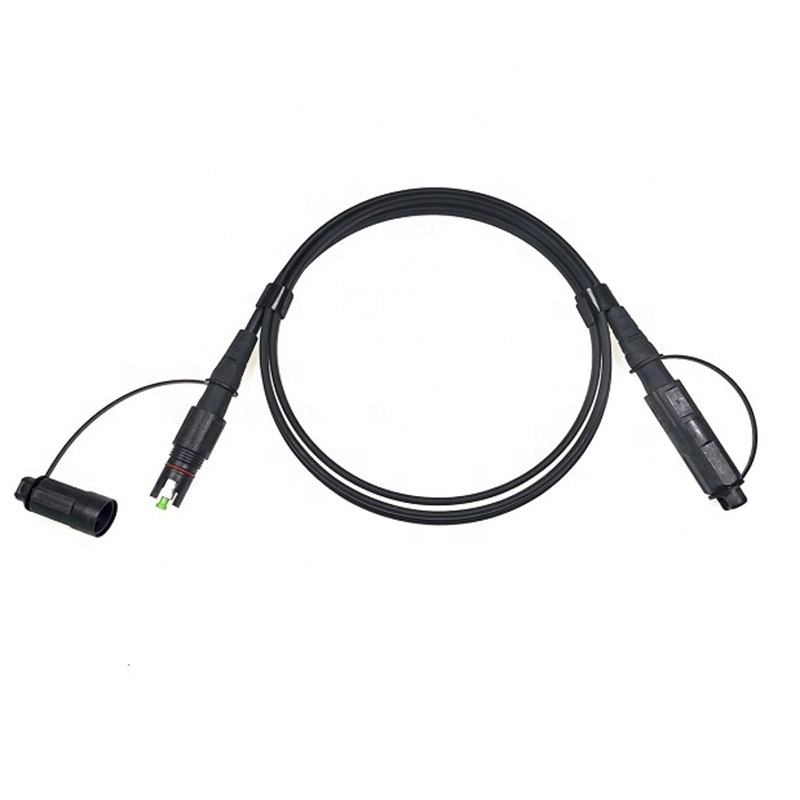
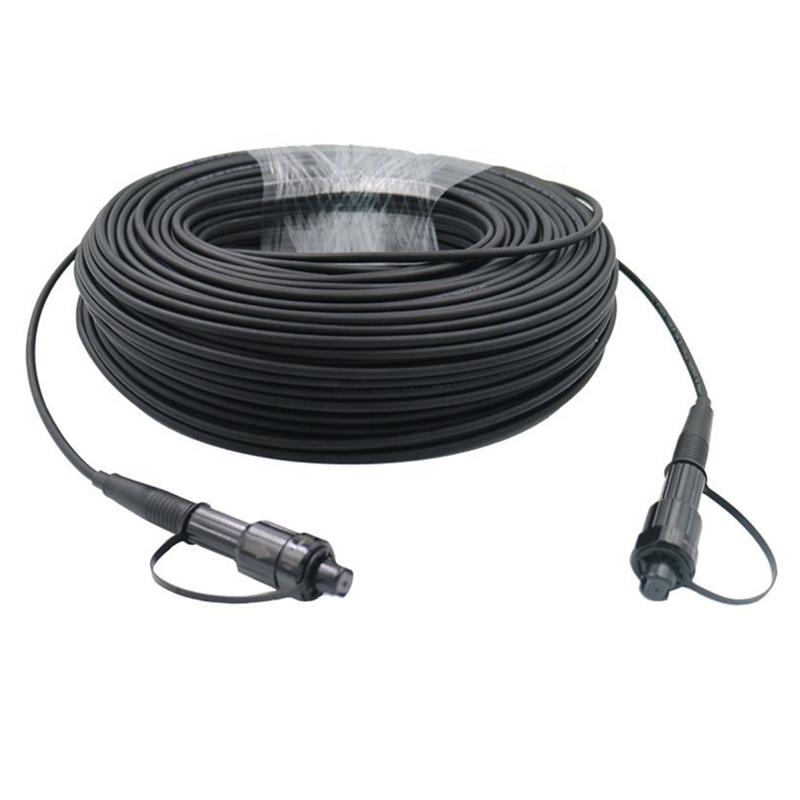
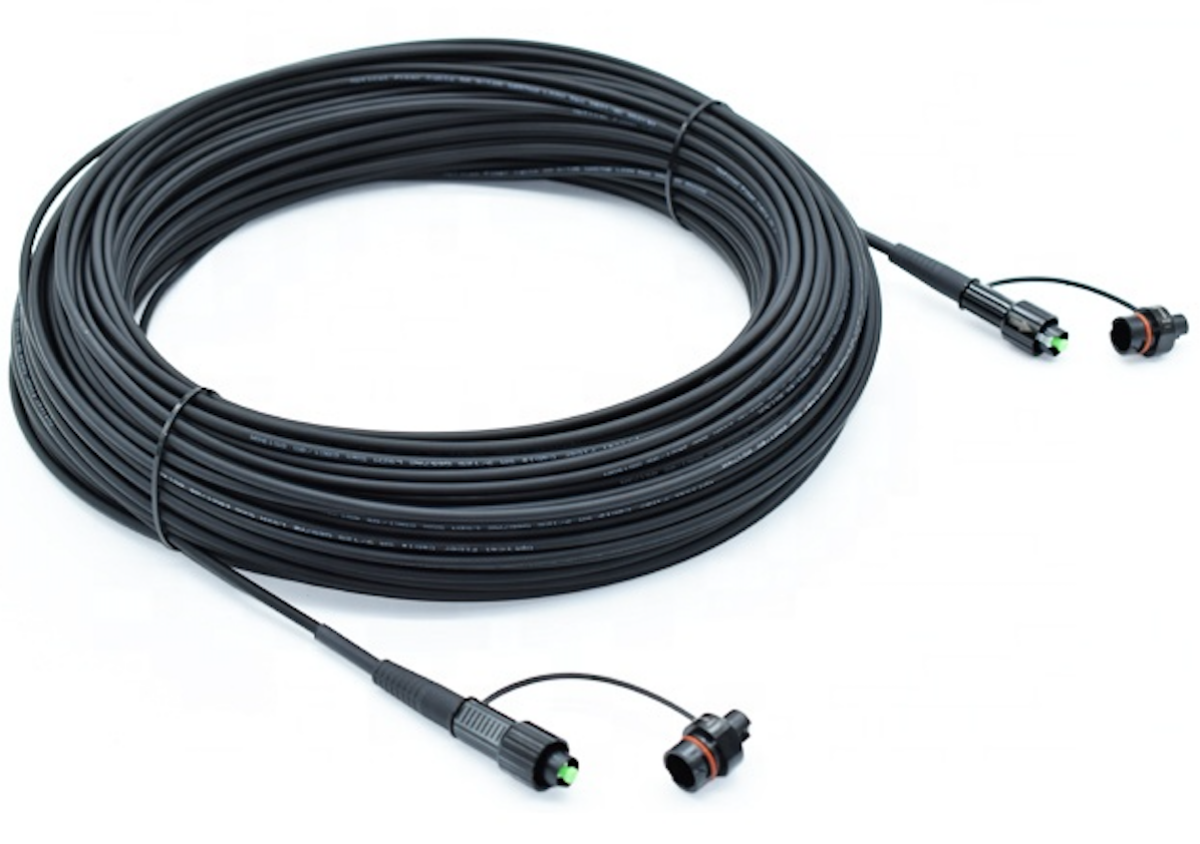
Provides superior weather resistance for FTTA and other outdoor applications.
Allows flexibility to use factory terminated assemblies or pre-terminated or field installed assemblies.
Suitable for FTTA and outdoor temperature extremes Ensures functionality in harsh weather environments.
Can be installs without special tooling.
Threaded style coupling.
Provides bend protection for installation and long term use.
Faster network roll out and customer installations.
100% tested assemblies built in a controlled environment.
Lower cost deployment by utilizing plug and play solutions.
Custom built solutions with quick turnaround times.
Frequently Asked Questions (FAQ)
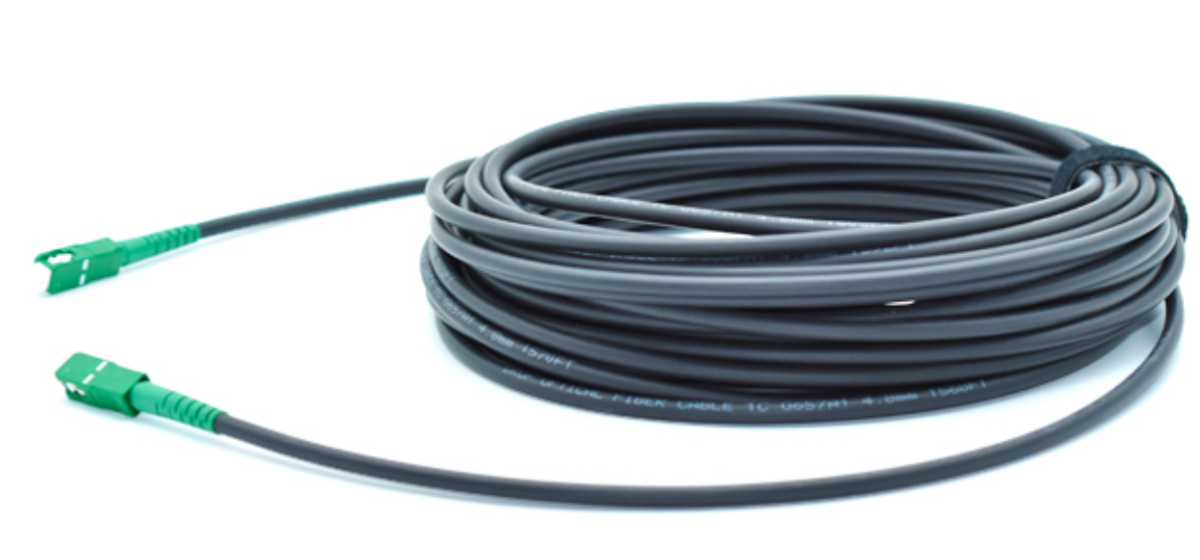
What is a round FTTH drop cable patch cord?
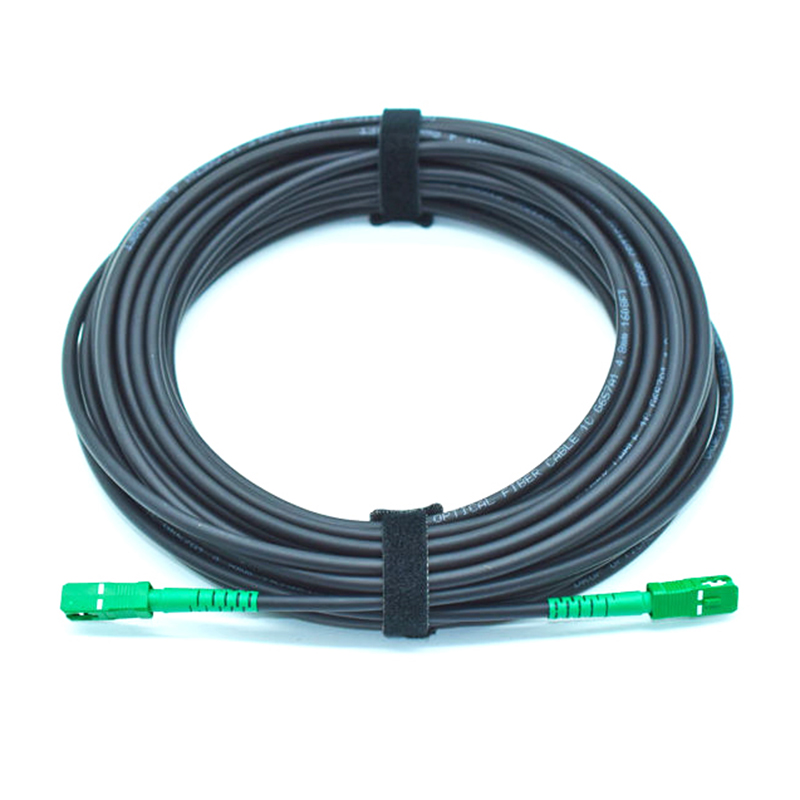
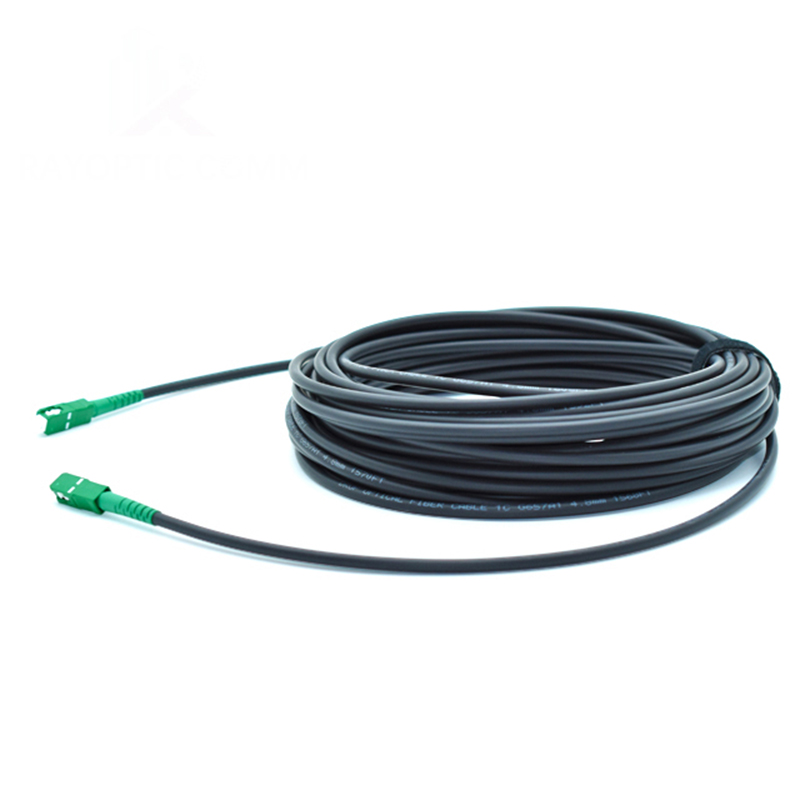
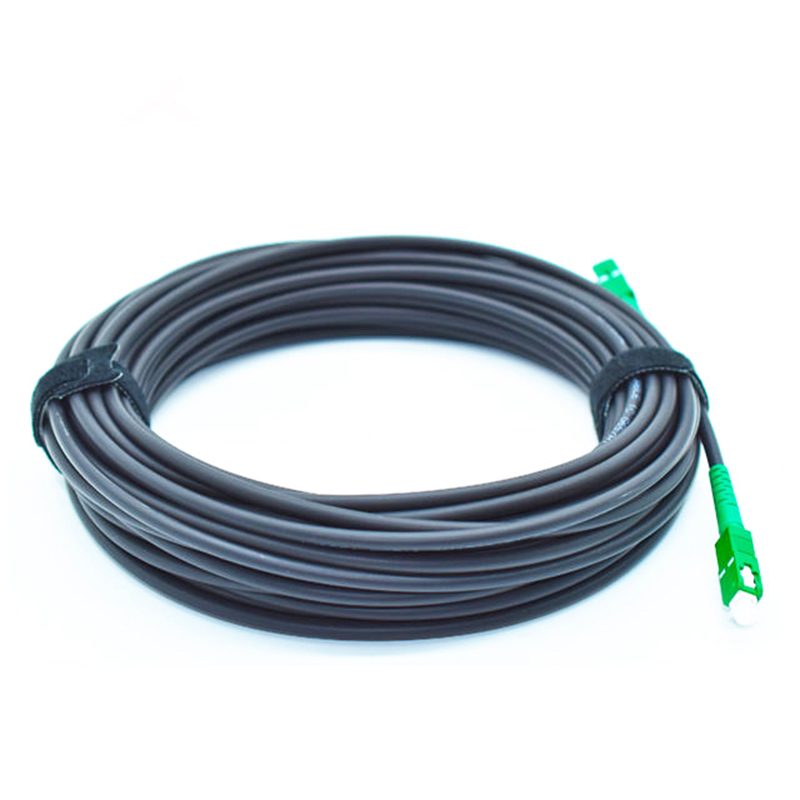
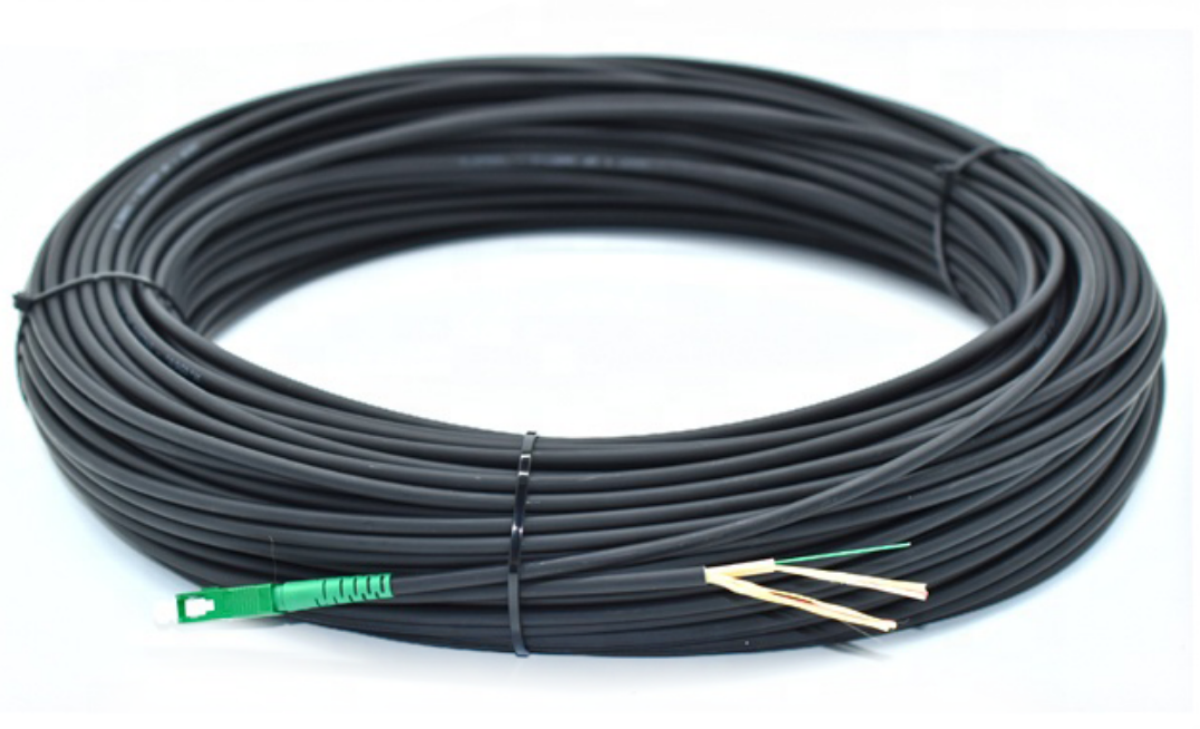
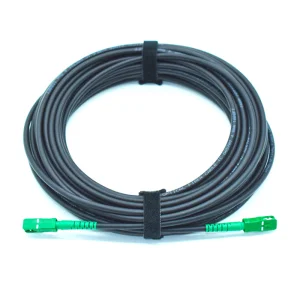
It is a fiber optic patch cord terminated with connectors (typically SC/UPC or SC/APC) at both ends, utilizing a round type FTTH drop cable designed for convenient and rapid connections in optical networks.
What jacket materials and diameters are available for these patch cords?
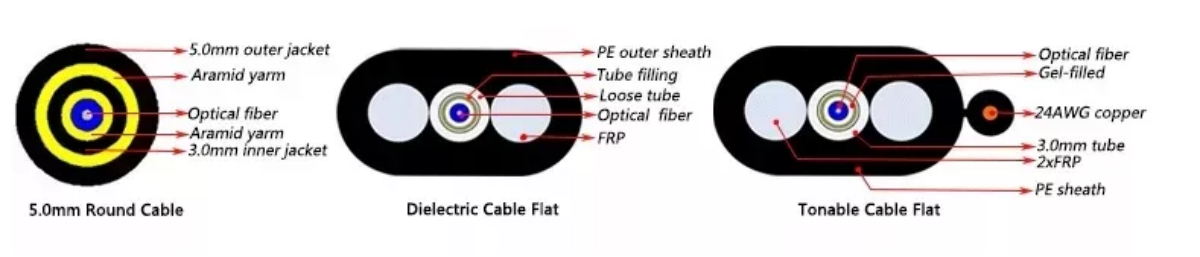
The cable outer sheath can be customized using PVC, LSZH, or TPU materials, with standard cable diameters available in 3.5mm, 4.8mm, 5.0mm, or customized sizes to meet specific application needs.
Where are round FTTH drop cable patch cords typically applied?
They are ideal for both indoor and outdoor environments, commonly used in CATV networks, FTTx (FTTA, FTTB, FTTH) applications, telecommunication towers, PON & GPON networks, and fiber optic testing.
What are the mechanical and structural features of the cable?
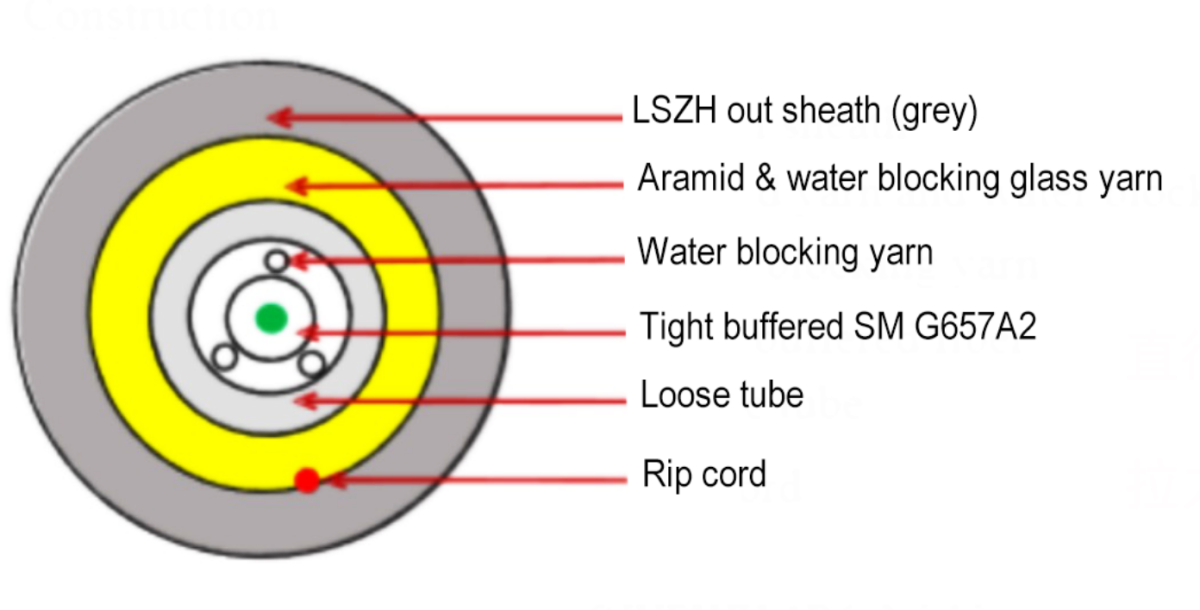
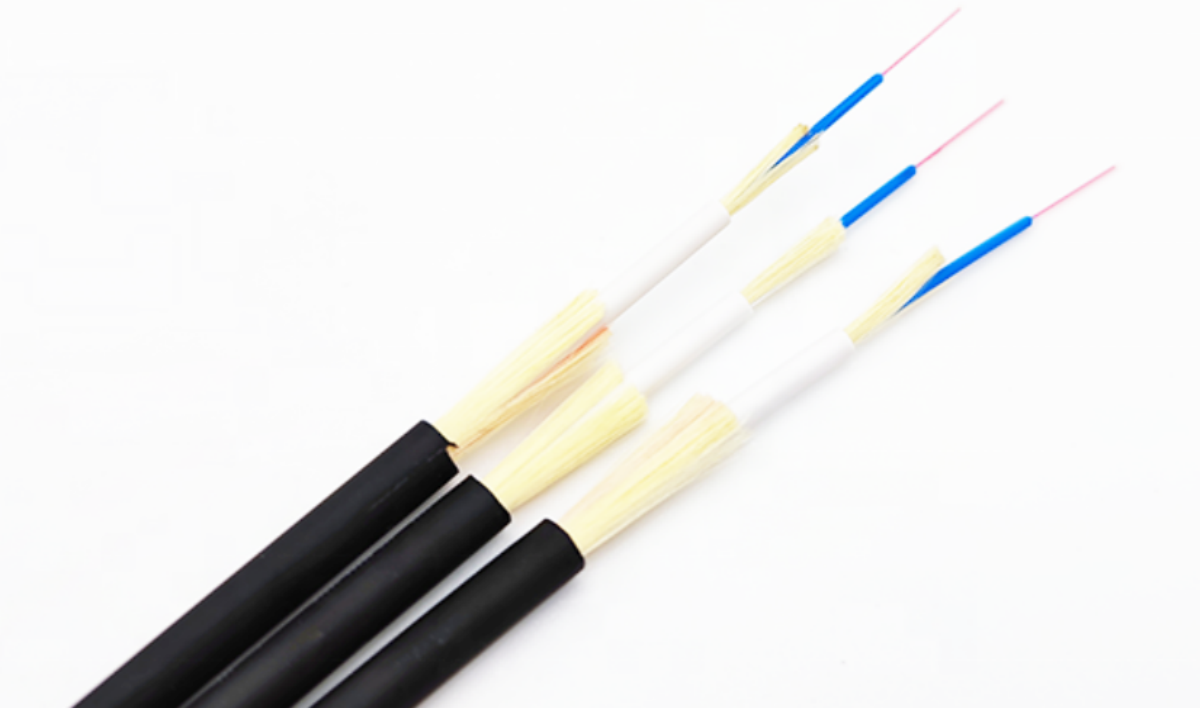
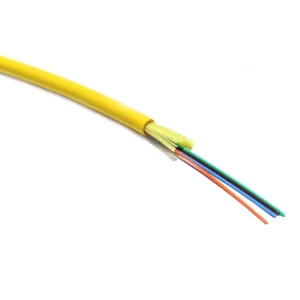
The cable features a tight buffer fiber for easy stripping, a protective loose tube, aramid yarn for superior tensile strength, water-blocking glass yarn for moisture protection, and a UV-resistant LSZH outer jacket.
What are the operating and storage temperature ranges for these cables?
These fiber optic cables are designed to operate and be stored reliably within a temperature range of -20°C to +60°C, ensuring stability in various weather conditions.
Do these patch cords support plug-and-play installation?
Yes. They utilize pre-terminated, factory-tested assemblies that allow for fast field installation without the need for special tools, lowering overall deployment costs.
 KOCENT OPTEC