Explore our leading deployment-ready SFP+, QSFP28, MPO, and outdoor network termination interfaces certified for enterprise and data center networks.
How physical and semantic shifts in high-speed optical systems shape modern industrial data distribution.
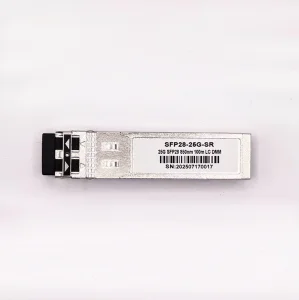
As enterprise storage areas networks (SAN) and cloud-centric hyper-converged architectures scale, the transition to 10G Ethernet (10GbE) via the SFP+ (Small Form-factor Pluggable Plus) form factor has cemented itself as the cornerstone of contemporary bandwidth scaling. Historically, legacy copper-based infrastructures like 10GBASE-T presented high operational overhead due to high thermal emissions and massive power requirements. SFP+ alleviates these bottlenecks by operating at an average of less than 1W per port, introducing a paradigm shift in energy utilization and interface densities.
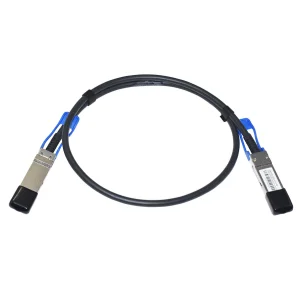
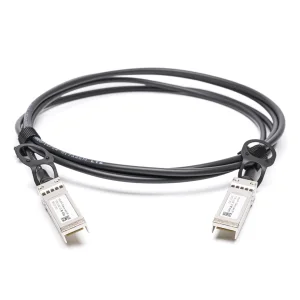
Through optical transceivers, active optical cables (AOCs), and direct-attach twinax copper cables (DACs), SFP+ interfaces bridge the latency gap between core switches, network interface cards (NICs), and dense server arrays. By engineering custom impedance-matched media components, factories ensure minimal jitter, low insertion loss, and maximum electromagnetic interference (EMI) protection, laying down the structural foundation for dependable packet delivery across modern high-frequency trading networks and AI clusters.

Translating decades of deep technical expertise into robust, highly-compatible optical networking modules.
Kocent Optec Limited establish in 2012 in Hongkong as a hi-tech communication enterprise, is one of China's leading fiber optic termination product manufacturer and solution provider.
We're dedicated to developing and manufacturing fiber optic communication products ranging from passive to active categories for telecommunication networks, enterprise networks and data centers.
By leveraging our extensive experience and excellent production capacity we gained over the years, we magnify the outcome for our valuable customers, which ultimately expands their core competencies and helps them outperform competitors. We place emphasis on customer collaboration, and we define ourselves as your valuable partner in fiber optic connection solutions. We believe our differentiators are your perceived advantages.
With more than 13 years of experience in manufacturing telecommunication fiber optic products, we follow strictly fiber optic industry standards by using mature scientific methods to deliver your products on time and ensure that 100% products are tested and inspected before shipment.

Addressing the complex requirements of multi-vendor compatibility, lead times, and regulatory compliance.
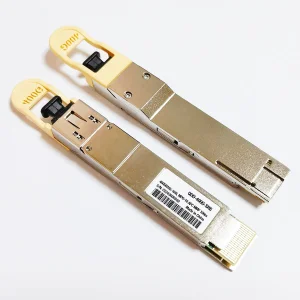
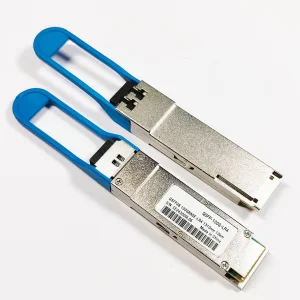
Global systems integrators demand transceivers coded to bypass restrictive OEM firmware blocks. Our SFP+ transceivers support custom EEPROM configuration, ensuring seamless operation in switches from Cisco, Juniper, Arista, and HPE.
Procuring for cellular towers and industrial edge deployments requires components that can withstand extreme shifts in temperature. Standard transceivers fail under excessive heat, making industrial-grade components (-40°C to 85°C) a mandatory requirement.
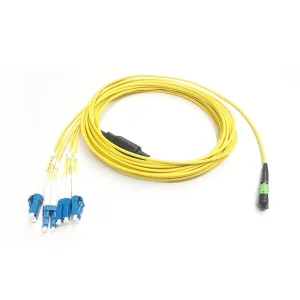
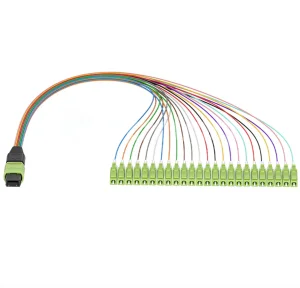
For data-intensive architectures, even microsecond-level delay overheads degrade database synchronization rates. Selecting high-density MTP/MPO systems alongside 10G SFP+ copper twinax cables eliminates active processing delays.
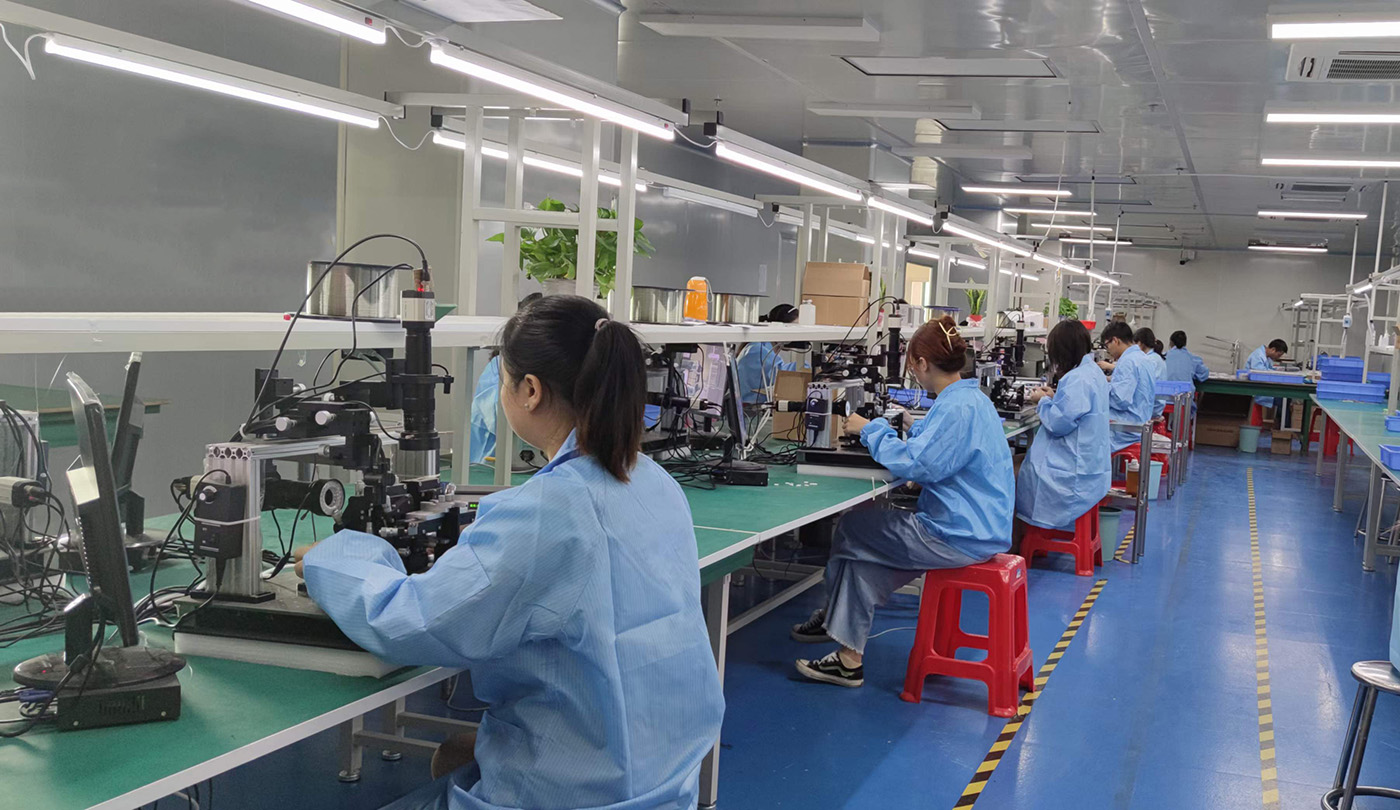
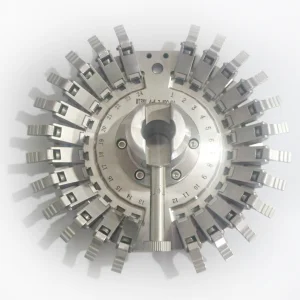
China's telecommunication manufacturing sector has transitioned from manual assembly to the highly automated Industry 4.0 standard. By integrating intelligent robotic fiber alignment machines, high-precision polishers, and real-time automated optical inspection (AOI), Kocent Optec ensures micro-precision alignment for every manufactured SFP+ interface and PLC splitter.
Furthermore, local raw material supply loops reduce turnaround times on key components like laser diodes, high-grade photodetectors, and heavy-duty IP67 housing connectors. With rigorous quality testing protocols that involve environmental chamber cycling, insertion loss verification, and real-world system simulation tests, every unit shipped is guaranteed to perform reliably.
Our global operations are structured to mitigate volatile raw material costs and logistical delays, giving international buyers a significant price and timing advantage.
Aligning structural specifications with custom operational requirements across various network architectures.
Inside high-density server racks, top-of-rack (ToR) switches connect to local node interfaces via SFP+ passive copper twinax cables. This setup delivers sub-microsecond round-trip times and eliminates active cooling requirements, keeping rack operating costs down.
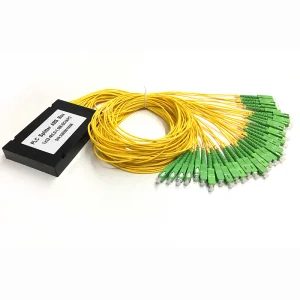
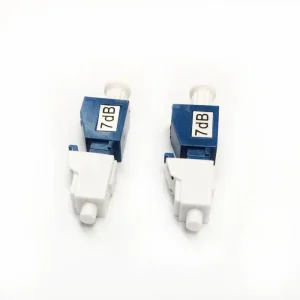
We supply central offices and distribution points with high-grade optical splitters, attenuators, and optical transceivers. These components allow telecommunication systems to multiplex signal routes over miles of fiber without compromising signal integrity.
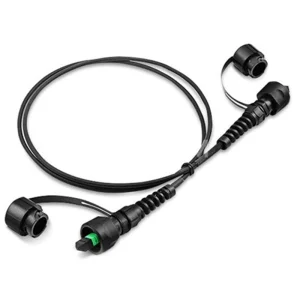
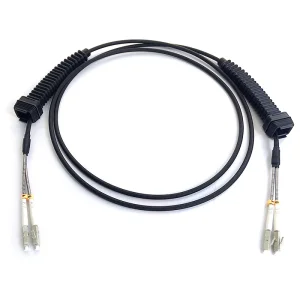
Outdoor cell towers and municipal security monitors require IP67 rating protection to withstand moisture, UV exposure, and dust. Our rugged ODVA MPO assemblies provide robust, water-sealed optical interfaces that ensure steady link performance in tough outdoor environments.
Years of sales and service experience have enabled us to win customers from different regions. Today, we have customers from East Asia, Southeast Asia, Middle East, Eastern Europe, Western Europe, Northern Europe, South America, North America, North Africa, and South Africa. Many our OEM and ODM products won the Telecom Operator tender and satisfy end-user request. Our main terminal telecom operators include:
Crucial industry considerations for network architects and procurement teams.
Explore our catalog of high-capacity transceiver modules, termination products, and polishing instruments.
 KOCENT OPTEC