Explore our premium lineup of high-density patch cables, adapters, transceivers, and distribution solutions.
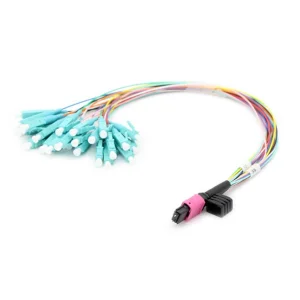
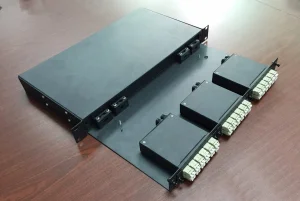
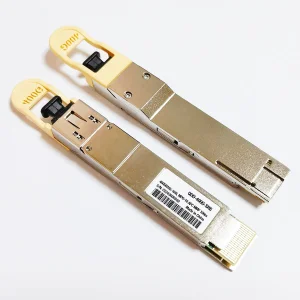
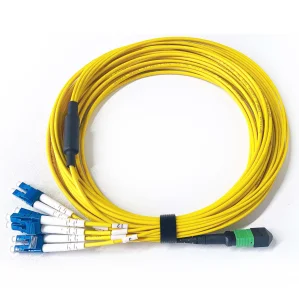
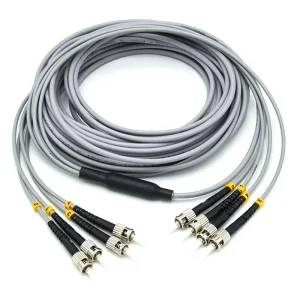
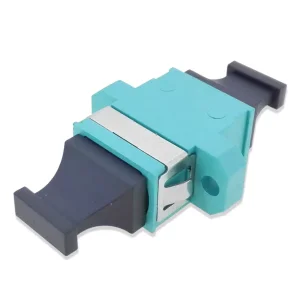
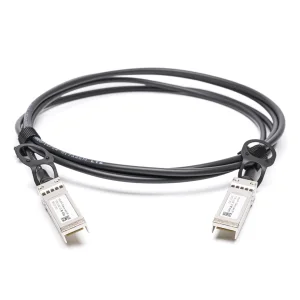
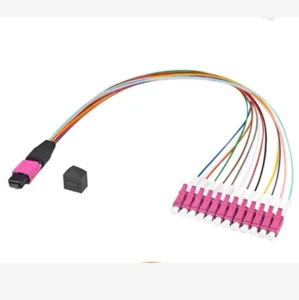
Established in 2012 in Hong Kong as a high-tech communications enterprise, Kocent Optec Limited has emerged as one of China's premier fiber optic termination product manufacturers and end-to-end solution providers. Over the past decade, we have dedicated ourselves to engineering, manufacturing, and perfecting fiber optic communication infrastructure. Our portfolio spans the complete spectrum of passive and active network components designed for modern telecommunication networks, hyperscale enterprise setups, and next-generation data centers.
By combining deep technical expertise with advanced manufacturing processes, we enhance performance parameters for our global clientele. This focus on reliability and custom design enables our partners to build resilient networks and outpace shifting market demands. Rather than viewing ourselves merely as a component manufacturer, we act as a strategic engineering partner in optical connection systems, recognizing that our structural and material refinements translate directly into network reliability.
E-E-A-T Pillar: With over 13 years of rigorous field experience in active and passive component validation, Kocent Optec designs fiber solutions that consistently exceed Telcordia, IEC, and RoHS specifications.

Years Manufacturing Experience
Optical Testing & Inspection
Max Insertion Loss Standards
Tier-1 Telecom Operators Served
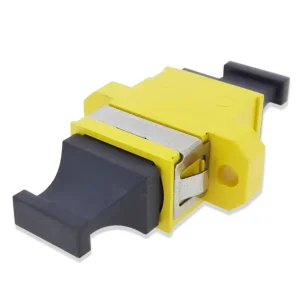
A deep look into the structural design, materials, and engineering tolerances of high-performance fiber adapters.
We use injection-molded, high-grade engineering polymers (polyetherimide/PEI or PBT) with high thermal stability to prevent mechanical creep under high operating temperatures inside modern switches and servers.
High-precision ceramic split alignment sleeves ensure sub-micron concentricity. This design holds physical contact interfaces stable across thousands of insertion and withdrawal cycles, keeping insertion loss below 0.1dB in Ultra Low Loss (ULL) configurations.
Integrated latch mechanisms provide clear audible and haptic feedback when connectors are fully mated. This reduces installation errors in tight, high-density patch panels where visibility is limited.
In single-mode optical networks, core alignment tolerances are critical. The core of a standard single-mode G.652.D fiber is approximately 9 microns in diameter. A misaligning lateral displacement of even 1 micron can cause an insertion loss penalty of nearly 0.5 dB.
To prevent this, our production facility utilizes automated precision polishing and interference inspection systems. This ensures that every adapter housing holds the optical ferrules along a shared geometric axis. This structural stability minimizes air gaps and tilt angles, ensuring consistent return loss metrics (exceeding 60dB for APC connections).
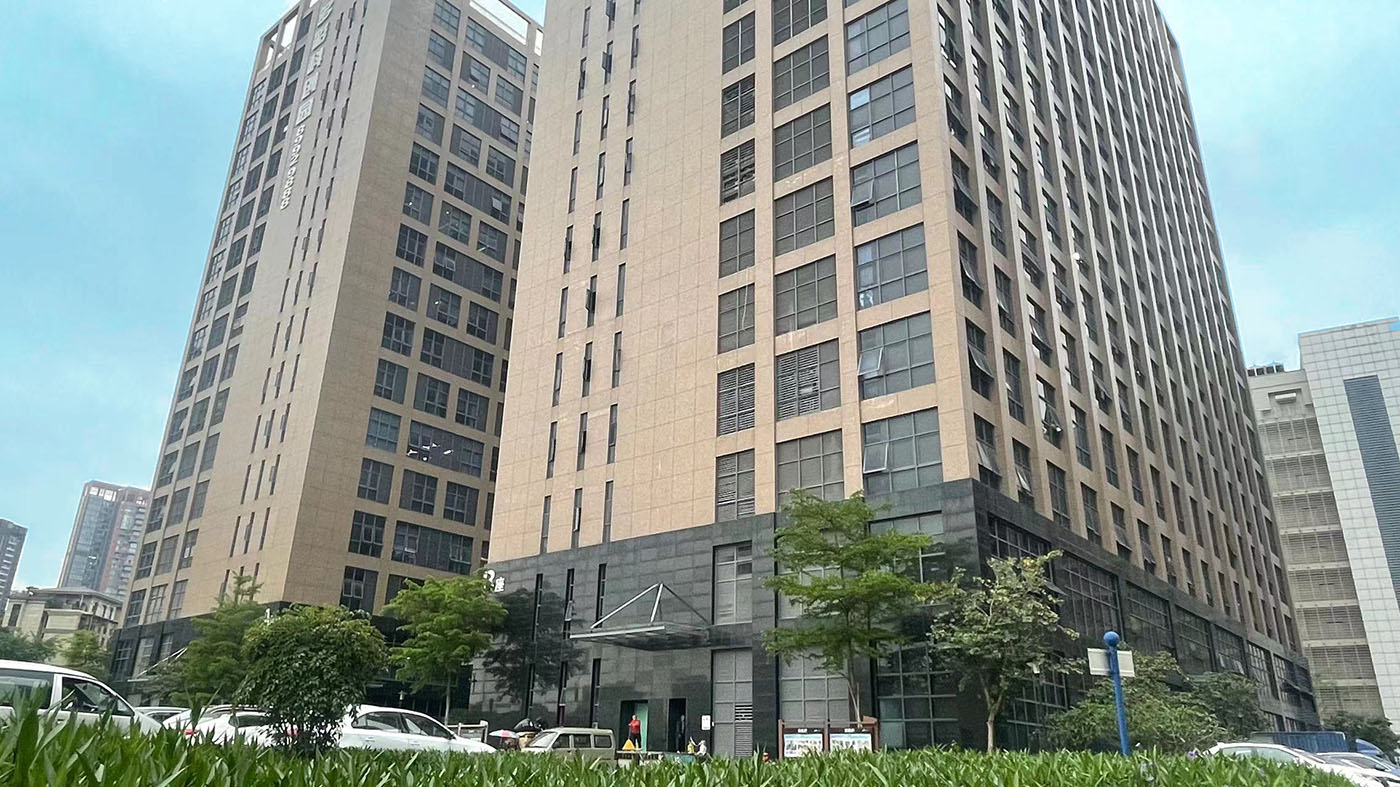
Analyzing the deployment requirements across varied geographic, regulatory, and industrial environments.
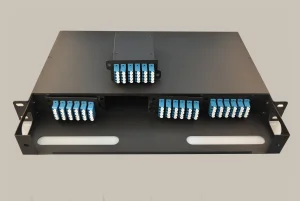
Modern facilities hosting high-density computing clusters require rapid optical cross-connects. In these environments, MTP/MPO adapters with precise physical spacing are mounted inside 1U and 2U patch panels. Using high-density configurations (up to 144 fibers per rack unit) demands high mechanical stability, fire-retardant polymer housings (UL 94 V-0 rated), and consistent insertion loss across high-density fiber arrays.
FTTH distribution points require passive components that can withstand high moisture, humidity, and temperature shifts. Street cabinets and drop enclosures in regions like Southeast Asia use SC/APC or LC/APC duplex adapters housed inside IP65 or IP67 sealed boxes. The alignment sleeves must resist corrosion and structural expansion in these varying climatic conditions.
High-voltage substations, wind farms, and factories present challenging electromagnetic environments. In these settings, fiber optic links serve as EMI-immune communication paths. Industrial ST and FC metal adapters are commonly used here, utilizing secure threaded and bayonet locking structures to maintain alignment despite structural vibrations and mechanical shock.
Technical Insight: Selecting fiber adapters requires matching the housing material and sleeve tolerance to the environmental demands of the deployment area. While phosphor bronze sleeves work well for cost-sensitive multimode local networks, outdoor telecom networks require zirconia sleeves to ensure long-term physical alignment stability.
Detailed performance parameters for our standard and Ultra-Low Loss (ULL) fiber optic adapter families.
| Adapter Type | Sleeve Material | Typical Insertion Loss | Max Insertion Loss | Mating Durability | Operating Temp |
|---|---|---|---|---|---|
| LC Duplex / Quad | Zirconia Ceramic | 0.08 dB | 0.15 dB | > 500 Matings | -40°C to +85°C |
| SC Simplex / Duplex | Zirconia Ceramic | 0.10 dB | 0.20 dB | > 500 Matings | -40°C to +80°C |
| MTP / MPO (Standard) | Composite Alignment | 0.15 dB | 0.30 dB | > 1000 Matings | -25°C to +75°C |
| MTP / MPO (Premium ULL) | Composite Alignment | 0.05 dB | 0.15 dB | > 1200 Matings | -25°C to +75°C |
| FC / ST Metal Threaded | Phosphor Bronze | 0.15 dB | 0.25 dB | > 500 Matings | -45°C to +85°C |
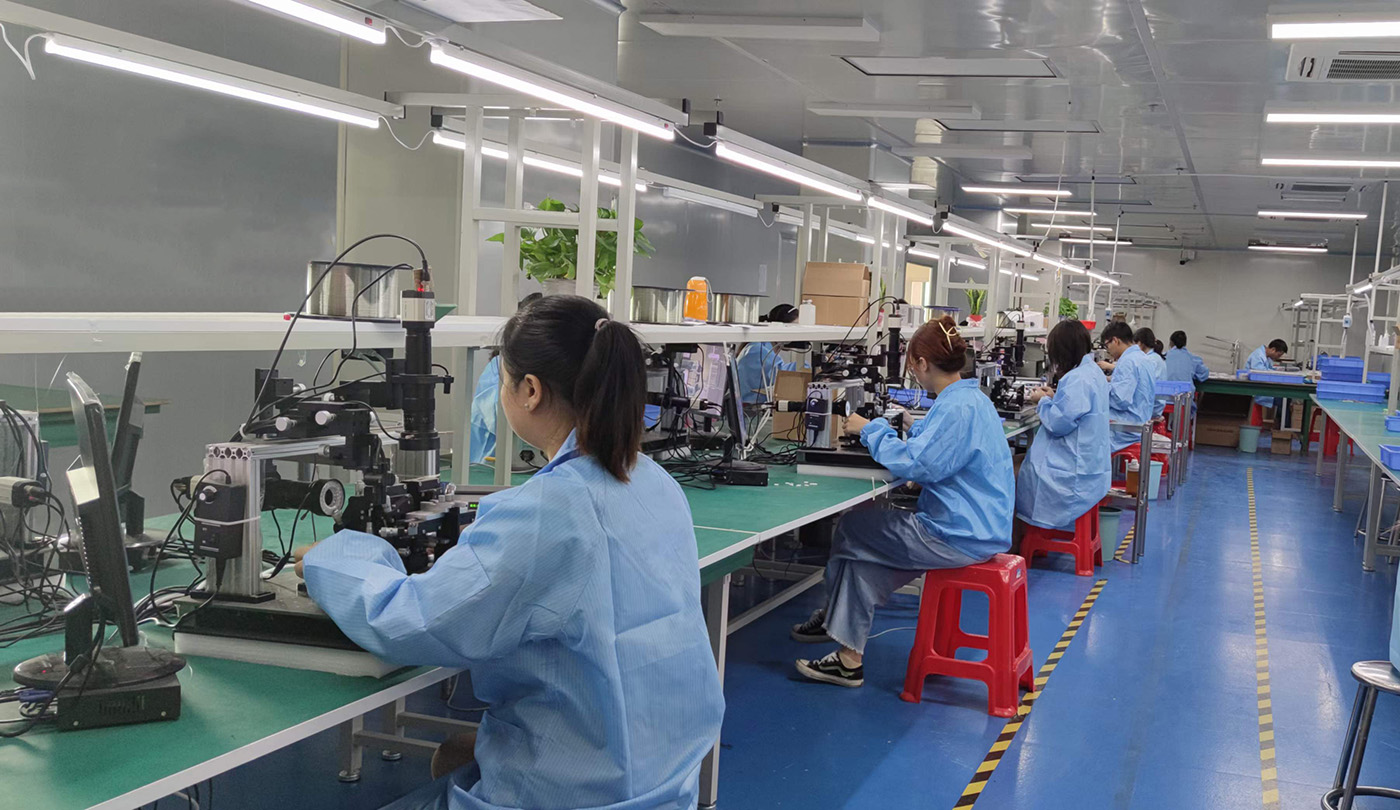
China's telecommunications manufacturing sector offers key benefits in material sourcing, industrial scale, and cluster efficiency. At Kocent Optec, we leverage this localized ecosystem to streamline production from raw component level to final validation testing. By concentrating raw material sourcing, precision tooling, and injection molding nearby, we minimize logisitcal delays and protect our production timelines from external market volatility.
Our manufacturing processes integrate automated assembly with optical quality controls. Using robotic assembly lines for multi-port adapters ensures consistent insertion and retention forces, while eliminating human handling errors. Consequently, our high production capacity allows us to manage large orders for international carrier deployments without compromising manufacturing tolerances.
In addition to high volume output, this clustered supply chain enables rapid prototyping and customization. Whether a customer requires specialized housing colors for network segmentation, custom mounting flanges, or integrated shutter mechanisms to protect technicians from laser exposure, our internal design team can transition concepts into production-ready molds within short timelines.
Anticipating the next steps in fiber alignment technology as data rates transition to 800G, 1.6T, and beyond.
As switches pack more ports into less space, standard LC connectors can become density bottlenecks. Modern data centers are transitioning to VSFF structures using SN, CS, and MDC couplers. These adapters support up to 3x or 4x the density of standard LC connectors, doubling the density of patch panels to support high-throughput transceivers.
The transition to 1.6T and 3.2T switching speeds will bring optical engines closer to the switch ASIC. This shifting architecture relies on optical blind-mate couplers and specialized physical-contact adapters to route laser light from external sources directly to the chip substrate, requiring strict tolerances for insertion loss and back-reflection.
Next-generation long-haul and low-latency networks are beginning to deploy multi-core and hollow-core fibers. Adapting to these technologies requires coupling interfaces with rotational alignment features, rather than standard lateral alignment, to match the multi-core profiles of connecting fibers.
Serving major telecommunication networks and meeting international standards for long-term field deployments.
Compliance & Quality Standards: Every batch of fiber optic adapters and patch assemblies undergoes 100% geometric and optical inspection. Our manufacturing lines run under an ISO 9001:2015 quality management system, and all passive hardware complies with RoHS, REACH, and UL 94 V-0 requirements to meet international safety and environmental regulations.
Common questions from network architects and procurement specialists regarding fiber adapter deployment.
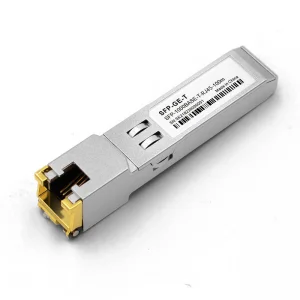
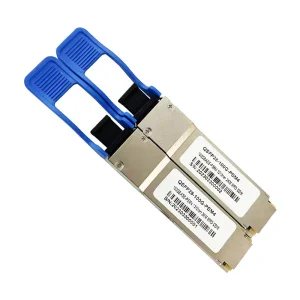
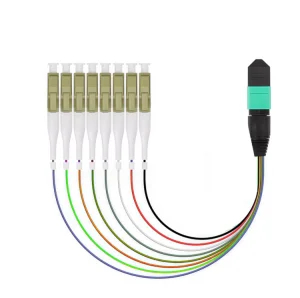
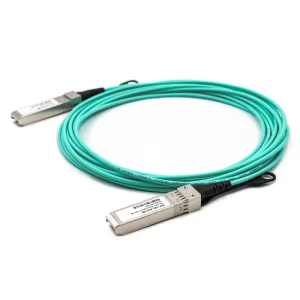
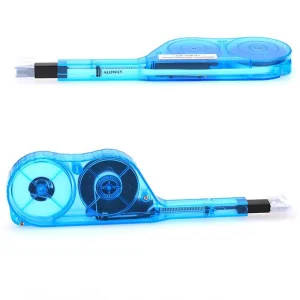
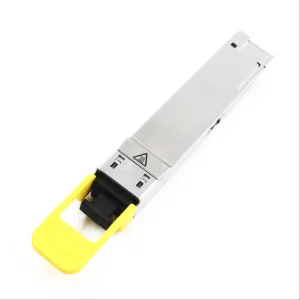
Explore our additional optical networking solutions, ranging from high-density transceivers to cleaning accessories.
 KOCENT OPTEC