High-integrity high-speed transmission modules engineered for multi-vendor hardware deployments.
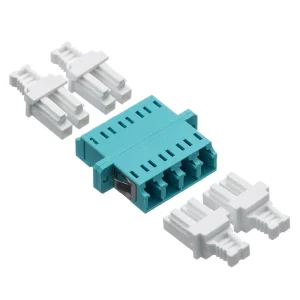
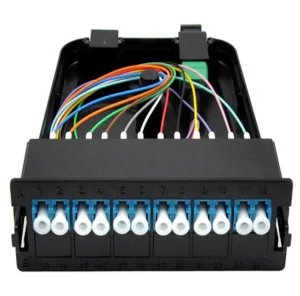
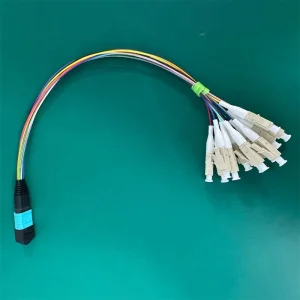
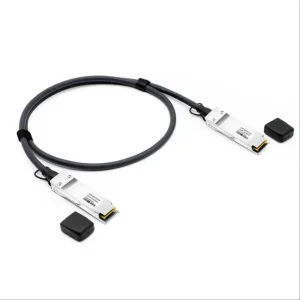
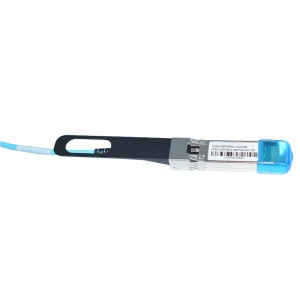
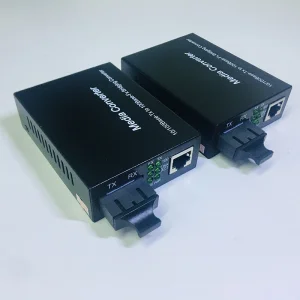
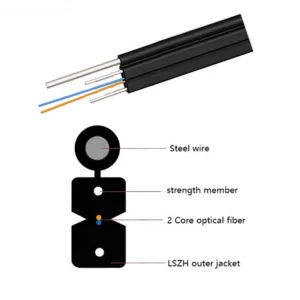
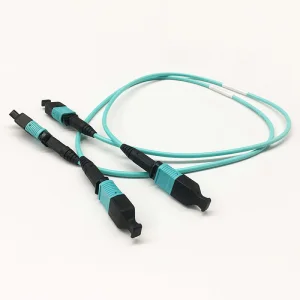
Within modern scale-out compute topologies, the physics of the physical layer directly governs architectural latency, heat generation, and hardware acquisition cost. Direct Attach Copper (DAC) cables, integrating either SFP+, SFP28, QSFP+, or QSFP28 form factors, present an optimal solution for short-range Top-of-Rack (ToR) interconnects. Operating passively over twinaxial copper, these assemblies interface directly with the high-speed SerDes (Serializer/Deserializer) of host ports without active media conversion.
By eliminating transceivers' internal laser diodes and optical-to-electrical (O-E) conversion circuitry, passive DAC assemblies operate at a near-zero latency profile (under 0.1 nanoseconds) and draw virtually zero power (<0.1W per link). Compared to Active Optical Cables (AOC) or discrete optical transceivers which demand between 1.5W and 4.5W per port, utilizing DACs across a high-density 10,000-node cluster yields substantial savings in thermal dissipation overhead and power distribution network constraints.

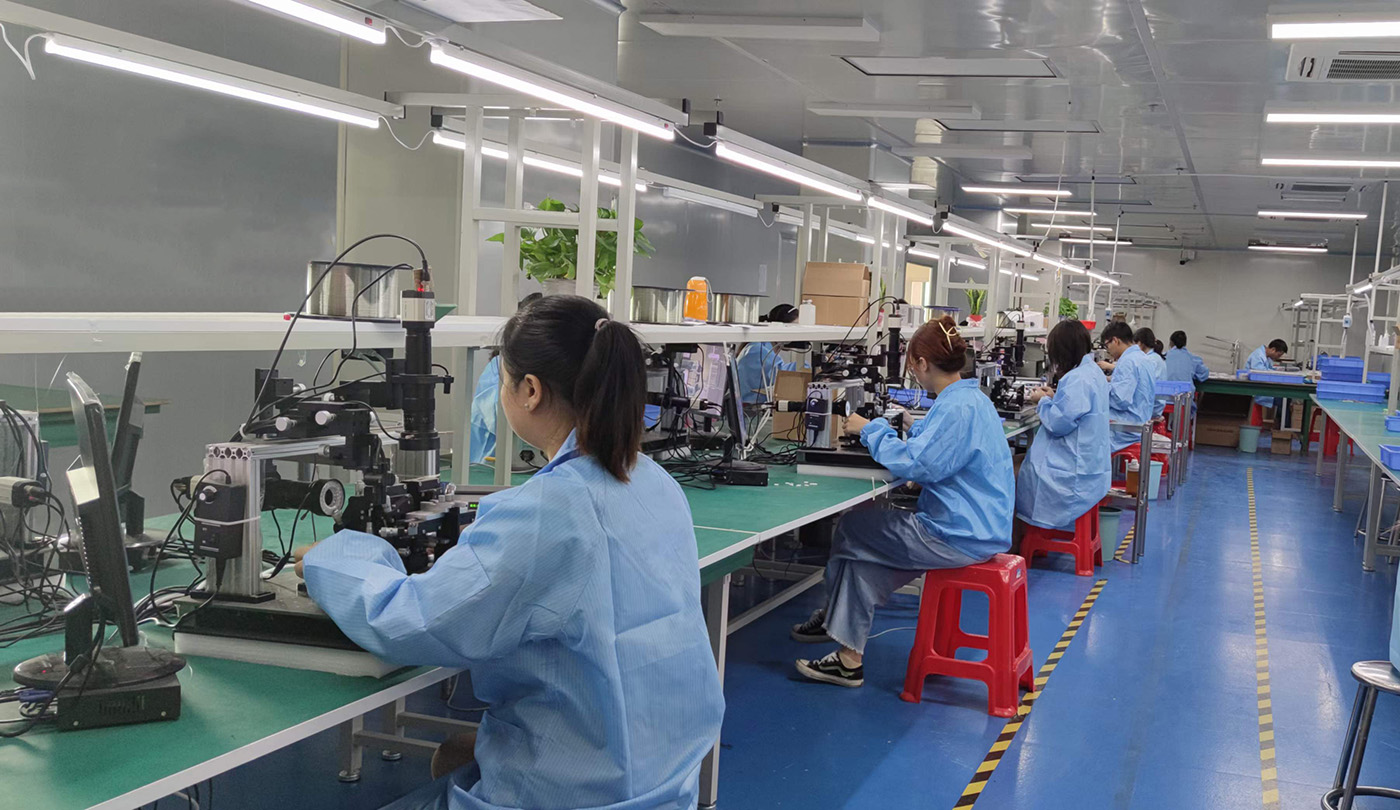
How raw material vertical integration, micro-optics assembly lines, and automated testing rigs translate to pricing advantages and reliability.
By centering manufacturing inside Shenzhen and Hong Kong networks, our procurement of copper cores (ranging from 24AWG to 30AWG), internal PCBA components, and metal shielding cages is streamlined to reduce lead times and maximize cost efficiencies.
Every DAC copper assembly and active transceiver module undergoes rigorous verification on Keysight and Anritsu hardware. Automated BERT (Bit Error Rate) tests, eye diagrams, and environmental chambers ensure zero-error physical layer operation.
By customizing EEPROM register configuration space, we deliver seamless compatibility for OEM brands including Cisco, Juniper, Arista, Dell, and HPE. Avoid vendor lock-in by executing drop-in network upgrades.
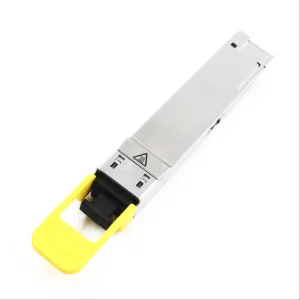
The global networking landscape is undergoing a paradigm shift driven by AI training clusters, large language models (LLMs), and decentralized high-frequency trading platforms. These applications require massive bandwidth scaling, forcing data centers to transition from legacy 10G and 25G architectures to 100G (QSFP28), 400G (QSFP-DD), and 800G (OSFP) topologies.
As transmission frequencies increase, electrical attenuation rises sharply. At 112G PAM4 signaling rates (common in 800G systems), passive copper cabling encounters severe physical length limitations, often restricting functional distances to less than 1.5 meters. To solve this, industry engineers utilize three key physical configurations:
In response to environmental goals and carbon limits, hardware architects favor passive copper solutions whenever possible. As a result, optimization of raw copper purity and high-speed PCB fabrication remains a key focus for advanced OEM suppliers.

Engineered to address high-bandwidth challenges in cloud, telecom, and enterprise core infrastructures.
Supporting high-density leaf-spine architectures with low-latency DAC cabling. By implementing customized lengths, we minimize wire slack in hot aisles, optimize airflow dynamics, and limit spatial congestion inside server cabinets.
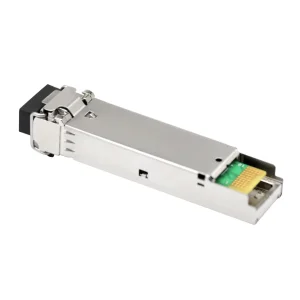
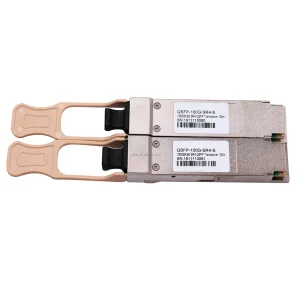
Our transceivers and media converters are engineered to meet strict carrier-grade standards. We supply multi-rate SFP, SFP+, and QSFP28 modules designed to withstand wide operating temperature ranges in outdoor cabinets and remote base stations.
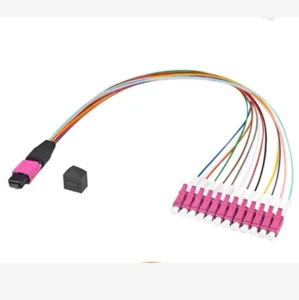
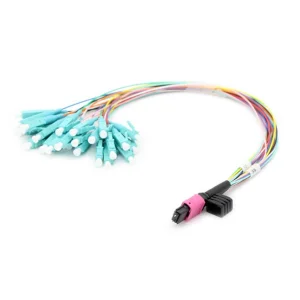
Delivering reliable, high-speed connections for storage arrays and backup servers using high-quality multimode optical fiber cords (OM3/OM4/OM5) and reliable copper breakout configurations.
Established in 2012 in Hong Kong as a high-tech communication enterprise, Kocent Optec Limited has grown into one of China's premier fiber optic termination product manufacturers and solution providers.
We specialize in developing and manufacturing high-performance fiber optic communication products. Our comprehensive portfolio ranges from passive components to active optical transceivers, serving telecommunications networks, enterprise systems, and hyperscale data centers worldwide.
With over 13 years of manufacturing experience, we follow strict industry standards, utilizing advanced scientific testing methods to ensure 100% of our products are thoroughly inspected and tested before shipment. Our commitment to quality, timely delivery, and competitive pricing makes us a trusted OEM/ODM partner for telecom operator tenders and complex enterprise deployments globally.
Our OEM and ODM components are deployed in national infrastructure projects and carrier tender panels across the globe. We collaborate closely with top-tier operators, including:
Procurement departments sourcing DAC cables and optical modules must balance hardware reliability, software compatibility, and total cost of ownership (TCO). High-speed interconnect pricing is driven by three main variables:
Understanding these variables helps procurement teams design flexible, cost-effective infrastructure that meets both performance requirements and budget constraints.
Technical answers to key structural questions regarding high-speed interconnect deployments.
DAC assemblies transmit electrical signals directly over twinaxial copper wire, offering near-zero latency, low power draw, and cost-efficient installation for short links up to 7 meters (depending on speed). AOCs convert electrical signals to optical pulses, utilizing multimode fiber to achieve longer distances (up to 100 meters), lighter weight, and immunity to electromagnetic interference (EMI).
Yes. Kocent Optec Limited programs every transceiver and DAC module's internal EEPROM to match the specific coding requirements of the target host hardware. We support compatibility configurations for Cisco, Arista, Juniper, Dell, HPE, and others, ensuring seamless plug-and-play installation.
Wire gauge refers to the thickness of the copper conductors inside the cable. Thicker wire (like 26AWG or 28AWG) reduces signal attenuation, allowing data to travel reliably over longer distances (up to 3-5 meters at high frequencies). Thinner wire (such as 30AWG) is more flexible and lightweight, making it ideal for short intra-rack links up to 1-1.5 meters.
All fiber patch cables, active optical modules, and copper assemblies undergo strict testing prior to shipping. This includes insertion loss and return loss measurements, eye-pattern tests on high-speed oscilloscopes, Bit Error Rate (BERT) validation, and compatibility tests in target switch hardware.
Industry-standard network cabling, media distribution modules, and high-speed optical transceivers.
 KOCENT OPTEC