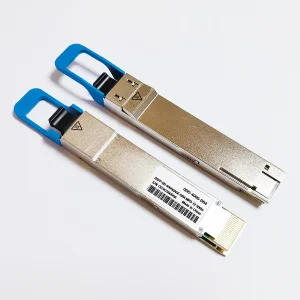
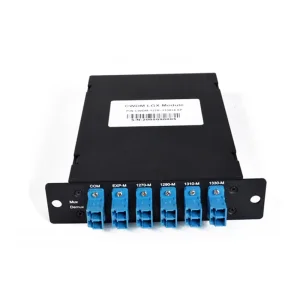
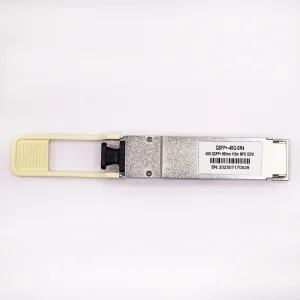
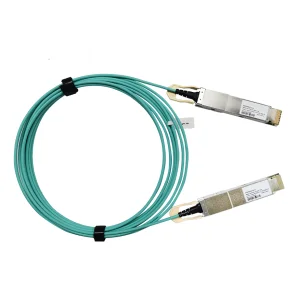
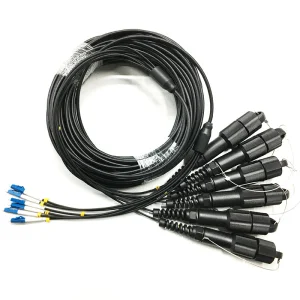
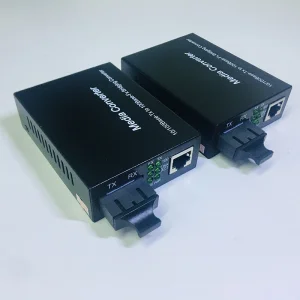
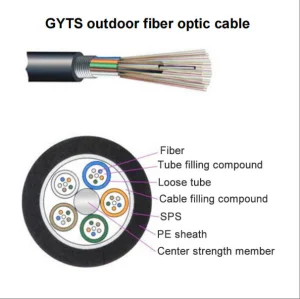
Explore our premium fiber optic transceivers, multiplexers, and distribution solutions engineered for structural telecommunication grids.
Technical deep-dive on single-mode optical transceivers, link loss budgets, and MSA compatibility matrix.
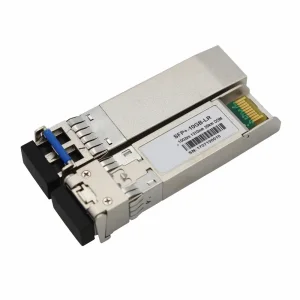
The 10GBASE-LR (Long Reach) specification is defined under the IEEE 802.3ae standard, representing one of the most reliable and widely deployed optical configurations for medium-haul network backbones. Utilizing a nominal wavelength of 1310nm over standard G.652 single-mode fiber (SMF), 10GBASE-LR SFP+ transceivers support linkage lengths up to 10 kilometers. This range makes the technology a structural choice for telecommunication links, metropolitan area networks (MANs), and major enterprise campus connections.
At the center of a 10GBASE-LR module is the DFB (Distributed Feedback) laser transmitter paired with a highly sensitive PIN photodiode receiver. Unlike multimode solutions that struggle with modal dispersion over long distances, single-mode fiber allows a single spatial mode of light to propagate. This virtually eliminates modal dispersion, ensuring low signal degradation and high data integrity over the 10km link span. Combined with Digital Diagnostics Monitoring (DDM / DOM), modern 10GBASE-LR SFP+ modules empower network operators to track operational factors like optical output power, receiver input power, temperature, and supply voltage in real time.
Engineering robust transmission topologies requires strict adherence to standardized parameters. The table below represents the performance baseline of our wholesale-grade 10GBASE-LR SFP+ optical transceivers manufactured in our Shenzhen facilities:
| Operational Metric | Min Specification | Typical Performance | Max Specification | Unit |
|---|---|---|---|---|
| Data Rate | 9.95 | 10.31 | 11.3 | Gb/s | Optical Transmitter Wavelength | 1260 | 1310 | 1355 | nm |
| Average Launch Power | -8.2 | -3.0 | +0.5 | dBm |
| Receiver Sensitivity (OMA) | - | -14.4 | -12.6 | dBm |
| Receiver Overload | +0.5 | - | - | dBm |
| Max Transmission Distance | - | 10 | 12 | km |
| Operating Case Temperature | 0 (Commercial) | - | 70 (Commercial) / 85 (Industrial) | °C |
Deploying 10GBASE-LR technology across critical network topologies, transport nodes, and enterprise infrastructure.
Providing the physical transport link layer for spine-leaf switches across geographically separated data cabinets. Perfect for establishing resilient, low-latency point-to-point connections within campus clusters up to 10km.
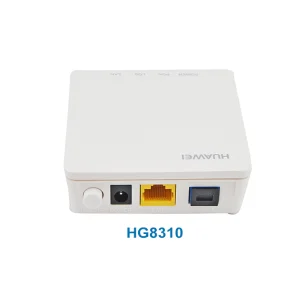
Assisting telecom operators in linking central offices (CO) to remote terminals and cellular base stations (BBU/RRU). Compliant with high-density aggregation designs for GPON/EPON infrastructure.
Utilizing industrial temperature SFP+ transceivers (-40°C to 85°C) to secure communications in high-electromagnetic interference environments like power substations, wind farms, and manufacturing plants.
In municipal deployments, transmission runs are rarely straight lines. Optical signals encounter passive components such as patch panels, outdoor splice trays, and coarse/dense wavelength division multiplexers (CWDM/DWDM). A typical patch panel connector introduces 0.2 to 0.5 dB of insertion loss, while a single fusion splice introduces around 0.05 dB.
When calculating link budgets, it is vital to account for these system margins. Choosing our high-specification 10GBASE-LR modules guarantees that your optical budget is supported by premium optoelectronic chips, reducing Bit Error Rates (BER) and extending hardware lifespans under varying operational conditions.
How current supply chain shifts, localized standards, and international regulations shape optical transceiver procurement.
The global demand for reliable optical communication infrastructure is surging. From East Asia to Western Europe, businesses are transitioning to high-speed fiber backbones. Our manufacturing facility in Shenzhen leverages advanced optical packaging processes, helping partners navigate these market shifts. In areas undergoing massive digital transitions, such as Latin America, Southeast Asia, and the Middle East, high-quality, cost-effective 10G components remain essential for optical access layers and municipal digital grids.
Our global shipping framework addresses common import challenges. In North America and Europe, strict compliance with environmental and electrical directives is mandatory. We verify that all shipped batches contain the necessary certifications, minimizing customs friction and compliance holdups at ports of entry.


Operating a global data distribution network requires meeting strict regulatory guidelines. Compliance is a key part of our product development cycle, not an afterthought. Our 10GBASE-LR modules comply with several major global frameworks:
Transitioning from legacy 10G ports to silicon photonics, 25G/100G architectures, and co-packaged optical modules.
While 10GBASE-LR remains a highly cost-effective option for enterprise networks and telecom edge access, optical design is rapidly evolving. The adoption of 25G Ethernet (25GBASE-LR) is increasing in data centers because it allows straight-line upgrades from 10G SFP+ form factors without rewriting fiber cabling. This migration path offers a 2.5x throughput boost over identical physical fiber topologies.
Further along, high-speed interfaces like 100G (QSFP28/PAM4), 400G (QSFP-DD), and 800G modules are standardizing in core networks. For wholesale buyers, understanding these technology transitions is essential for planning future network layouts. By selecting multi-rate optical interfaces and high-quality passive optical distribution panels today, you ensure your networks are prepared for high-speed upgrades tomorrow.
HK-based high-tech communications developer and premier provider of active and passive fiber optic products.
Established in 2012 in Hong Kong as a high-tech communication enterprise, Kocent Optec Limited has grown into one of China's leading fiber optic termination product manufacturers and solution providers. We specialize in design, raw materials sourcing, production, and quality control of fiber optic communication products. Our offerings range from passive network products to high-speed active optical transceivers, serving telecommunication carriers, enterprise systems, and global data centers.
Leveraging our extensive experience and production capabilities built over the years, we focus on driving outcomes for our customers. We emphasize collaboration and view ourselves as your dedicated partner in fiber optic connectivity solutions. We believe our technical standards and attention to detail are your competitive advantages.
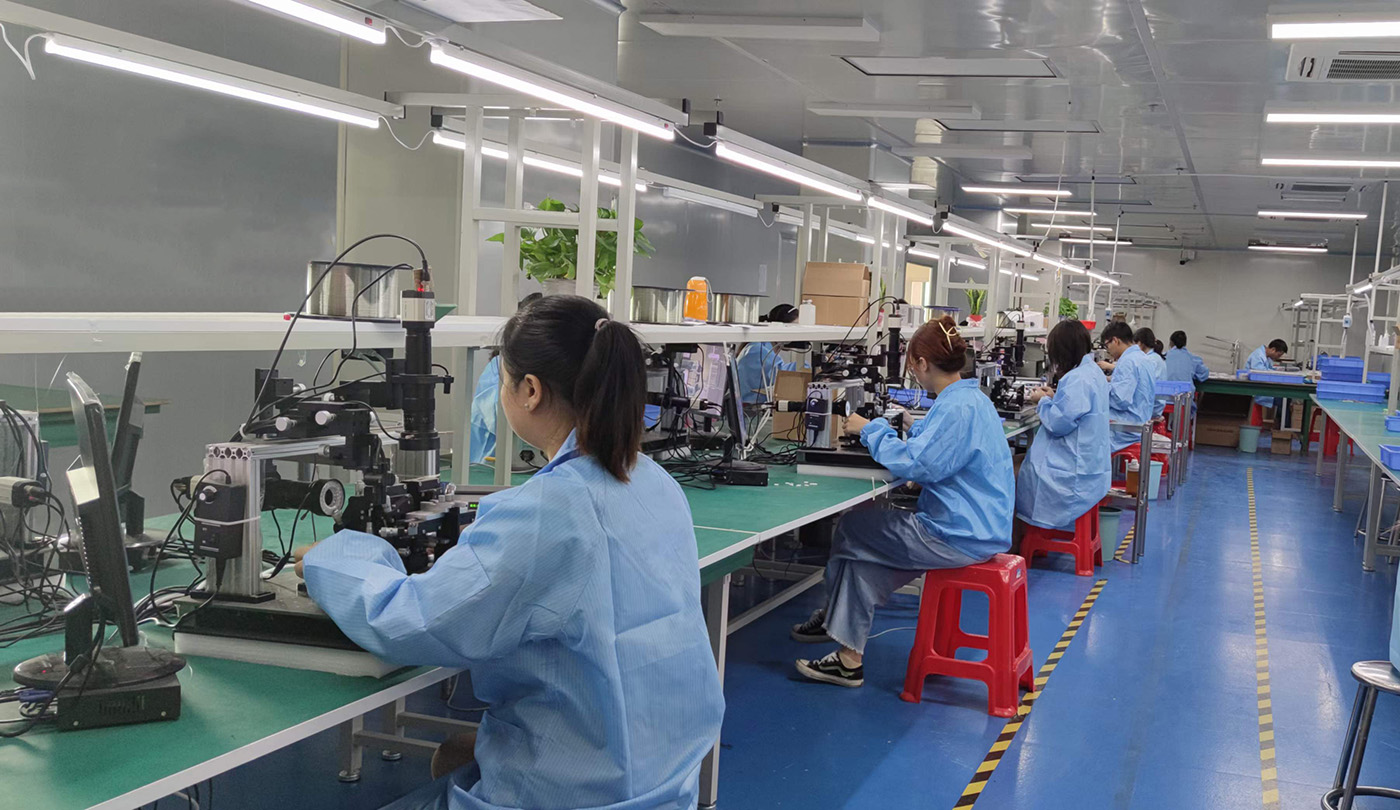
With more than 13 years of experience in manufacturing telecommunication fiber optic products, we strictly follow global fiber standards. Using proven testing procedures, we ensure all orders are delivered on time and that 100% of products are tested and inspected before shipment.
Our sales and service operations help us support customers in East Asia, Southeast Asia, the Middle East, Eastern Europe, Western Europe, Northern Europe, South America, North America, North Africa, and South Africa. Our goal is win-win cooperation, and many of our OEM and ODM products have won telecommunication operator tenders globally.
Our products are deployed in networks managed by major global telecommunication operators, including:
Detailed answers to help network architects, purchasing leads, and engineers with optical network planning.
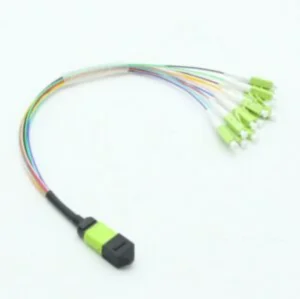
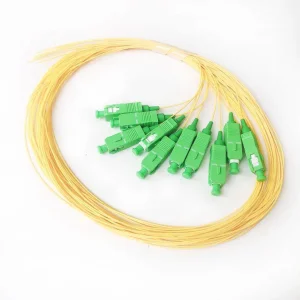
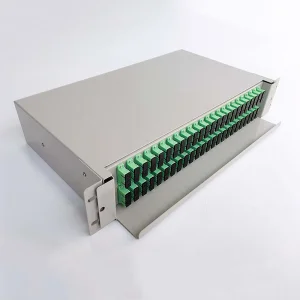
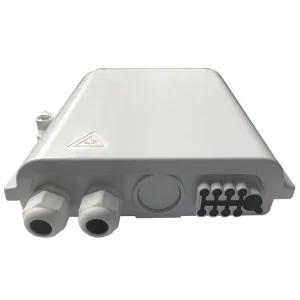
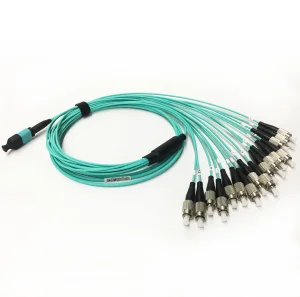
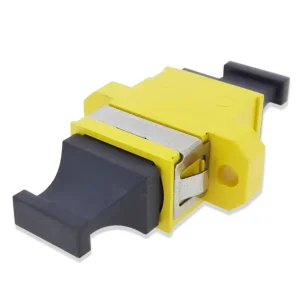
Complete your deployment with our range of fiber patch cables, patch panels, distribution boxes, and active network units.
 KOCENT OPTEC