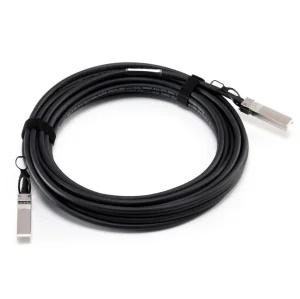
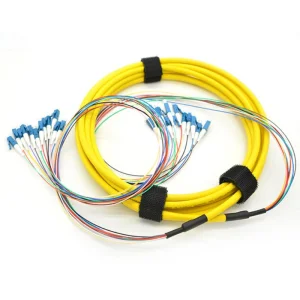
Featuring the top-tier Direct Attach Copper Breakout & Twinax cables engineered to handle 25G, 40G, and 100G Ethernet links with ultra-low latency.
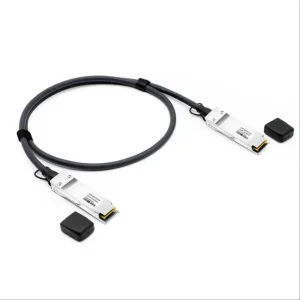
As the digital capital of South Korea, the Seoul Metropolitan Area (including Pangyo Techno Valley and Gasan Digital Complex) is home to one of the most sophisticated telecom ecosystems in the world. Leading domestic players like KT, SK Broadband, LG U+, and international giants like AWS, Microsoft Azure, and Google Cloud are driving hyperscale datacenter builds to cope with the surge in high-frequency trading (HFT), generative AI applications, and 5G network integration.
Within these ultra-dense server environments, transmission latency, heat dissipation, and cabling congestion are critical operational pain points. Active Optical Cables (AOC) and Direct Attach Copper (DAC) assemblies have become the cornerstone of Top-of-Rack (ToR) switch-to-server interconnect topologies. Seoul's digital infrastructure requires cabling that satisfies strict standards for signal integrity, EMI/EMC compliance, and energy savings.
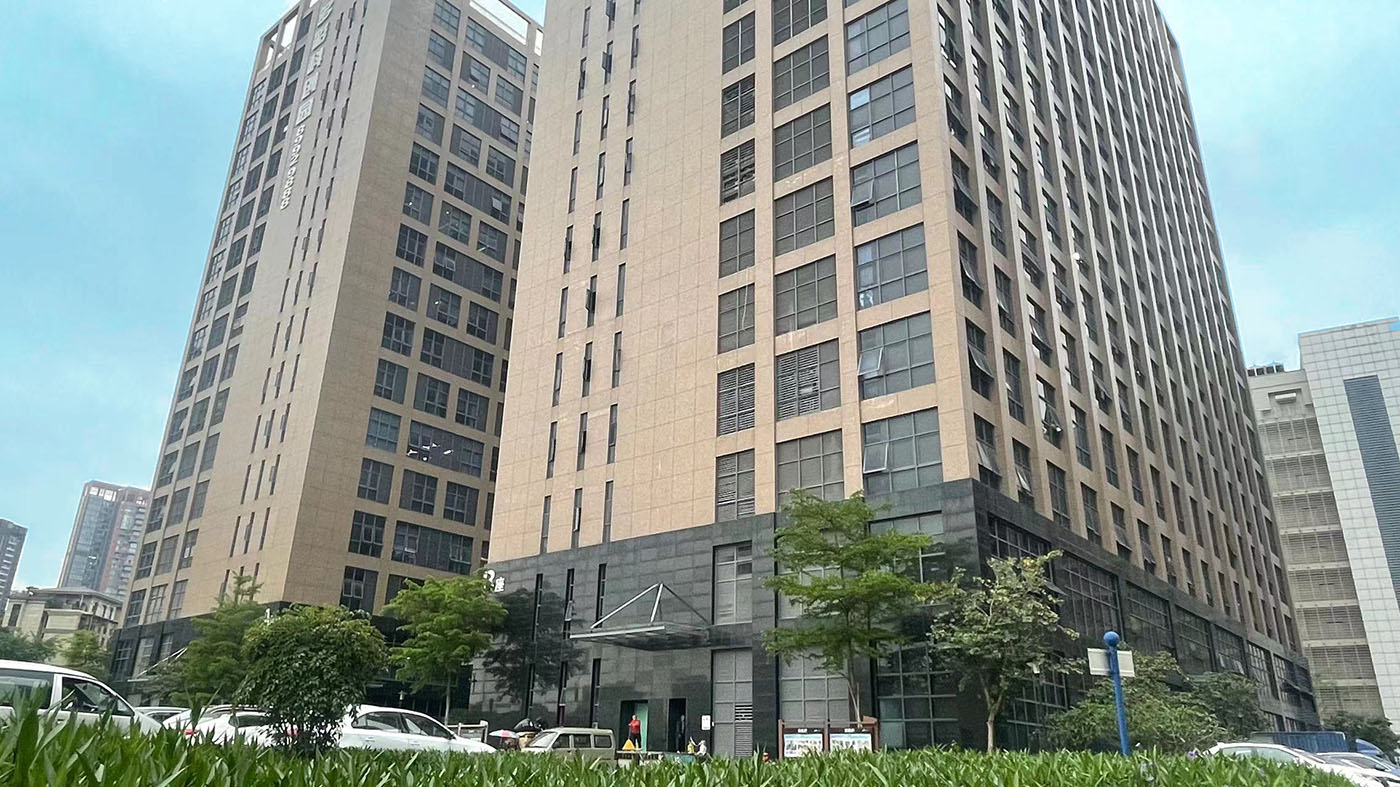
Deciding between copper twinax and active optical fibers requires a deep understanding of reach, power constraints, and budget dynamics.
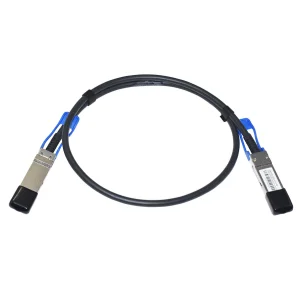
Best for ultra-short reaches (up to 7 meters). Passive DACs consume virtually zero power (less than 0.1W per port) and introduce zero latency. They are perfect for connection paths within the same rack.
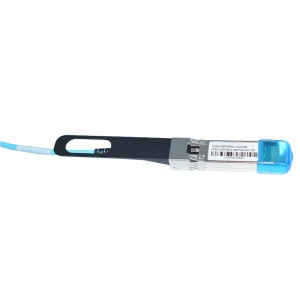
Ideal for distances from 5m up to 100m. AOC utilizes OM3 or OM4 multimode fiber to carry signals over long spans, ensuring lightweight routing, immunity to electromagnetic interference (EMI), and maximum signal integrity.
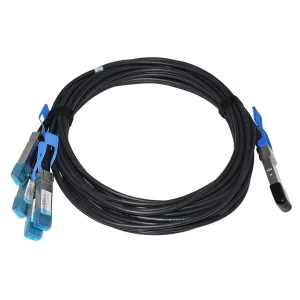
Breakout cables like the QSFP28 to 4xSFP28 allow high-speed ports (100G) to bridge to legacy 25G ports, optimizing switch density and minimizing unnecessary upgrade costs across hyperscale networks.

Established in 2012 in Hong Kong as a hi-tech communication enterprise, Kocent Optec Limited is one of China's leading fiber optic termination product manufacturers and solution providers. Operating high-capacity manufacturing hubs in mainland China, we deliver global supply chain resilience, absolute cost control, and rapid lead times to tech hubs like Seoul.
Our manufacturing and logistical workflows provide competitive edges including:
A globally trusted manufacturer, supporting telecom operators, ISPs, and modern data center environments.
Optimizing physical layers for specific regional requirements in Seoul's commercial and tech zones.
Low-Latency High-Frequency Trading (HFT) Nodes: Utilizing short-reach passive twinax copper DACs to link edge servers directly to switches, eliminating transceiver conversion latency for high-speed brokerage platforms.
AI & Deep Learning Computing Clusters: Employing 100G/400G AOC and DAC breakout solutions to support multi-GPU pipelines (such as NVIDIA DGX systems) requiring high-throughput, low-crosstalk interconnects.
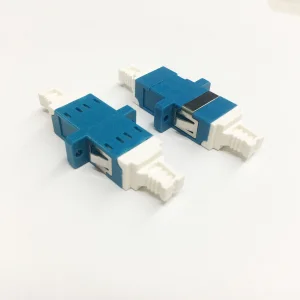
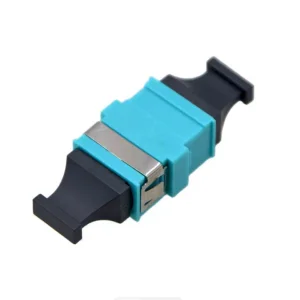
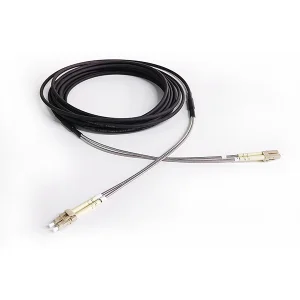
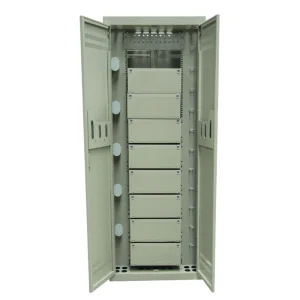
Multi-tenant Carrier Neutral Datacenters: Installing fiber optic distribution frames, patch panels, and OM4 adapters to route interconnect lines cleanly and reduce structural clutter.
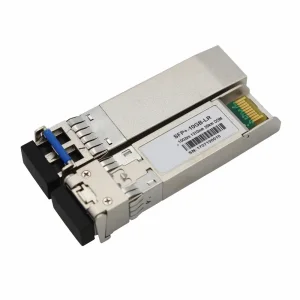
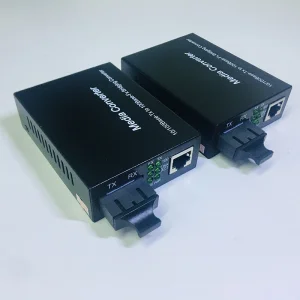
Explore our full catalog of high-performance DACs, AOCs, optical transceivers, adapters, and distribution frameworks designed for the Seoul market.
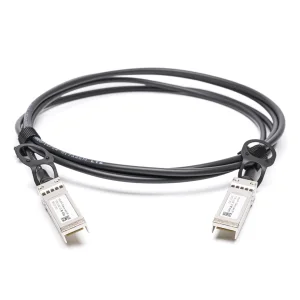
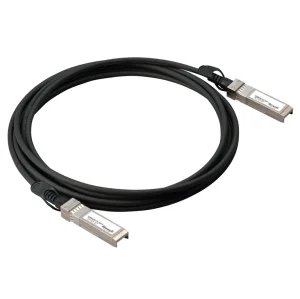
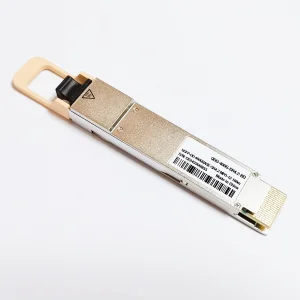
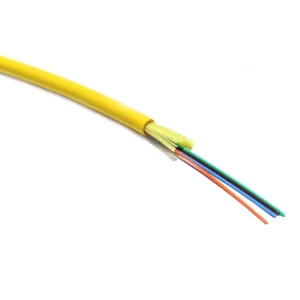
Modern data centers are undergoing a paradigm shift. High-performance computing nodes, storage arrays, and neural network engines demand aggregate link bandwidth exceeding 400Gbps. Moving into 800Gbps interfaces, PAM4 modulation schemes have replaced traditional NRZ signaling, introducing stricter constraints on signal-to-noise ratios, jitter, and link margins.
Additionally, green computing requires datacenter managers to optimize energy consumption. When scaling to tens of thousands of links per data center facility, selecting a passive DAC over an active transceiver module can save megawatts of power annually. Kocent Optec is at the forefront of this evolution, engineering the physical layer products that enable scalable, reliable, and energy-conscious transitions to higher speeds.
Our Global Footprint: Leveraging years of service, our products have won major carrier tenders globally. Partnering with top-tier global operators like SingTel, Vodafone, America Movil, Telefonica, Bharti Airtel, Orange, Telenor, Saudi Telecom, MTN, Viettel, and local networks ensures our standards conform to the highest industry expectations.
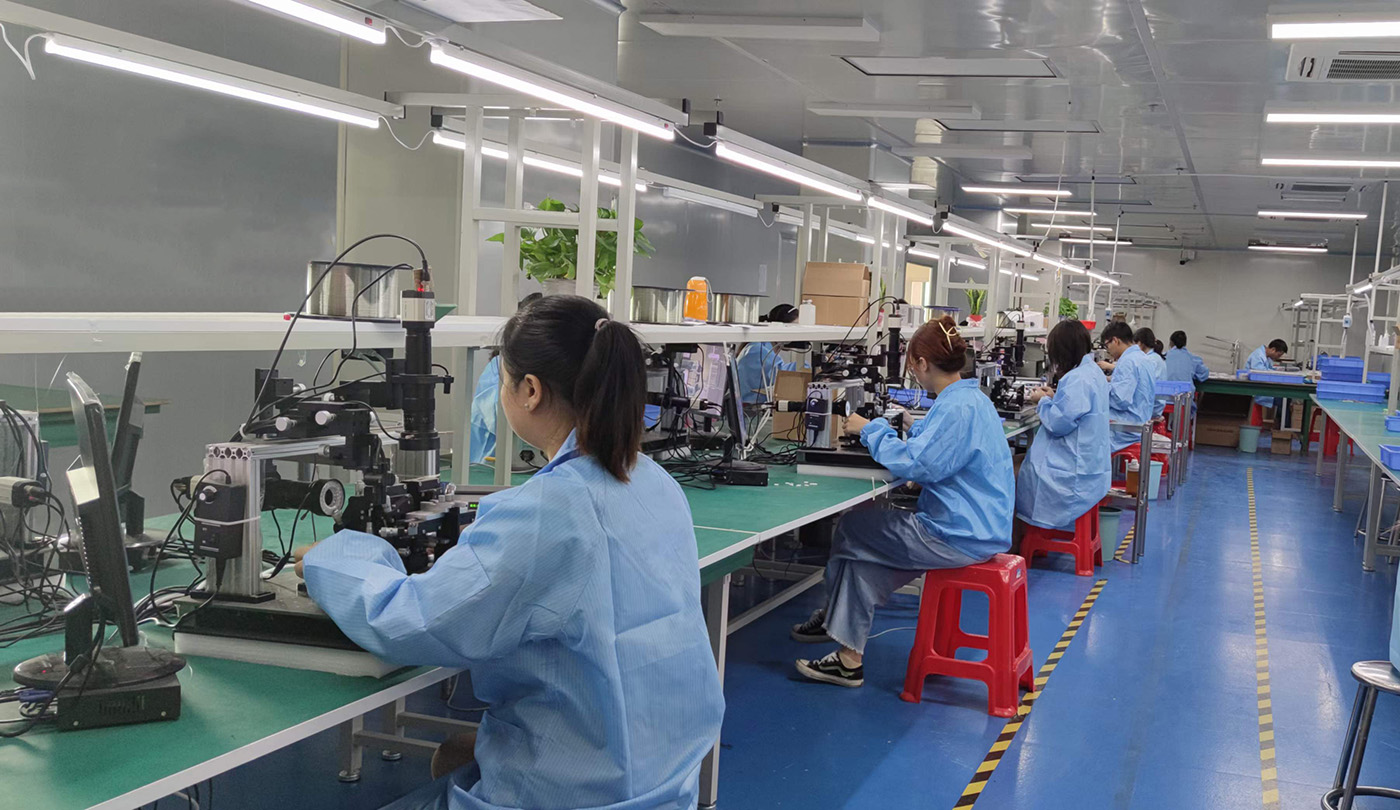
Your Trusted Partner in Fiber Optic Connection and High-Speed Cabling Solutions
Kocent Optec Limited established in 2012 in Hong Kong as a hi-tech communication enterprise, is one of China's leading fiber optic termination product manufacturers and solution providers.
We are dedicated to developing and manufacturing fiber optic communication products ranging from passive to active categories for telecommunication networks, enterprise networks, and data centers. By leveraging our extensive experience and excellent production capacity we gained over the years, we magnify the outcome for our valuable customers, which ultimately expands their core competencies and helps them outperform competitors.
We place emphasis on customer collaboration, and we define ourselves as your valuable partner in fiber optic connection solutions. We believe our differentiators are your perceived advantages. With more than 13 years of experience in manufacturing telecommunication fiber optic products, we strictly follow fiber optic industry standards by using mature scientific methods to deliver your products on time and ensure that 100% of products are tested and inspected before shipment.
Years of sales and service experience have enabled us to win customers from different regions. Today, we have customers from East Asia, Southeast Asia, Middle East, Eastern Europe, Western Europe, Northern Europe, South America, North America, North Africa, and South Africa.
Win-win cooperation is our constant goal. Many of our OEM and ODM products have won Telecom Operator tenders and satisfy demanding end-user requests. Our main terminal telecom operators include: SingTel, Vodafone, America Movil, Telefonica, Bharti Airtel, Orange, Telenor, VimpelCom, TeliaSonera, Saudi Telecom, MTN, Viettel, Bitel, VNPT, Laos Telecom, MYTEL, Telkom, Telekom, Entel, FiberTel, StarFiber, Ooredoo, Beeline, Azercell, and more.
Technical Insights into AOC & DAC Cabling Deployments in Modern Networks
 KOCENT OPTEC