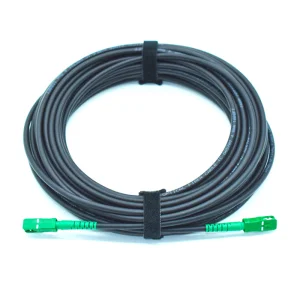
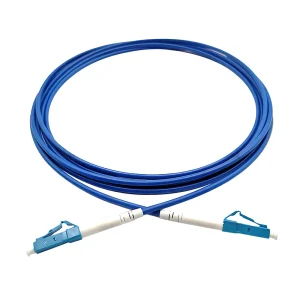
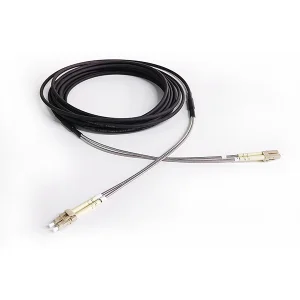
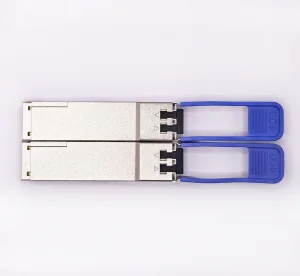
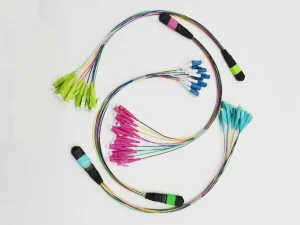
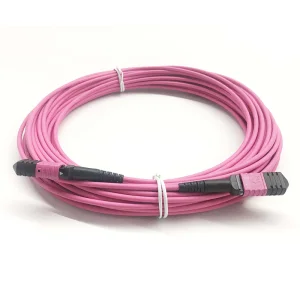
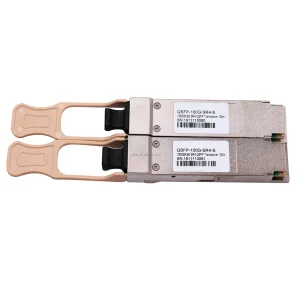
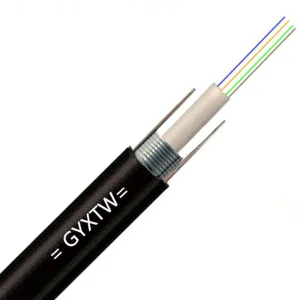
Discover our selected optical fiber assemblies designed for high-density FTTA deployments, baseband-to-remote radio unit connections, and extreme outdoor environments across the Malaysian peninsula and East Malaysia.
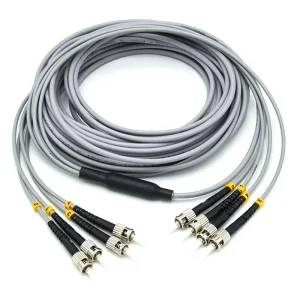
Malaysia's telecommunications sector is undergoing a rapid, multi-phased digital transformation. Driven by the MCMC (Malaysian Communications and Multimedia Commission) and the strategic rollout of the national 5G network under Digital Nasional Berhad (DNB), Tier-1 mobile network operators (MNOs)—including CelcomDigi, Maxis, and U Mobile—are aggressively expanding their Fiber-To-The-Antenna (FTTA) architectures.
At the heart of this physical deployment is the Common Public Radio Interface (CPRI) standard. Serving as the primary interface protocols between the Baseband Units (BBU) and Remote Radio Heads (RRH), CPRI links require robust, low-latency, and low-loss optical fiber networks. As cellular frequencies move higher, path loss increases, making the deployment of RRHs on elevated tower structures mandatory. This transition elevates the physical fiber patch cord from a basic accessory to a critical, mission-essential component determining cellular uptime.
The Tropical Environment Challenge: Deploying optical cables in Malaysia demands deep engineering customization. With constant high relative humidity exceeding 85%, torrential monsoons, and extreme UV radiation, non-optimized outdoor cabling deteriorates rapidly. Standard PVC-jacketed patch cords fail due to moisture ingress and cracking. To ensure a 25-year telecom lifecycle, suppliers must design cables featuring Low Smoke Zero Halogen (LSZH) or UV-resistant polyethylene (PE) outers, armored cores to prevent rodent/pest interference, and IP67/IP68 waterproof connectors (such as FullAXS, ODVA, or PDLC).
Connectors must adhere to IP67 or IP68 ingress protection standards to survive the heavy tropical monsoon downpours typical of Kuala Lumpur and East Malaysian territories.
Insertion Loss (IL) must remain under ≤0.2dB (max 0.3dB) with a Return Loss (RL) ≥50dB (UPC) or ≥60dB (APC) to eliminate back-reflection issues in high-frequency links.
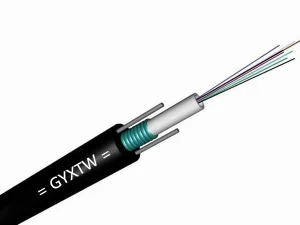
Corrugated steel tape or spiral steel armor shielding provides indispensable protection against pests (rodents, termites) and physical stress during vertical tower installations.
Fronthaul deployment cost structure is heavily dependent on technical specifications, cable structure (armored vs unarmored), connector systems, and length configurations. Below is an administrative pricing table outlining estimated rates for standard FTTA / CPRI assemblies sourced for major infrastructure projects in Malaysia.
| Cable Type & Core Count | Connector Interfaces | Standard Lengths (Meters) | Environmental Protection | Est. Unit Price (USD) |
|---|---|---|---|---|
| Single-mode G.657.A2 (2 Cores) | FullAXS Duplex LC to LC | 10m / 30m / 50m | LSZH Jacket, IP68 Waterproof | $12.50 - $28.00 |
| Single-mode G.657.A2 (2 Cores) | PDLC Duplex LC to Standard LC | 20m / 50m / 100m | LSZH Outer Jacket, IP67 | $15.00 - $42.00 |
| Multi-mode OM3 (2 Cores) | ODVA LC to LC Jumper | 10m / 30m / 50m | TPU Jacket, Corrosion Resistant | $18.50 - $38.50 |
| Armored Tactical SM G.657A1 (4 Cores) | NSN Boot LC to Standard LC | 50m / 80m / 100m | Stainless Steel Spiral Armor | $35.00 - $78.00 |
| Single-mode G.652D Direct Bury | SC/APC to SC/APC Duplex | 30m / 50m / 150m | Double PE Outer Jacket with Steel Tape | $22.00 - $95.00 |
*Disclaimer: The above figures are reference price indicators based on bulk OEM/ODM manufacturing contracts. Volume breaks, market material fluctuations, and customized fiber structures will affect final quotes. Contact our procurement desk for active project bidding pricing.
Kocent Optec Limited, established in 2012 in Hong Kong as a premier hi-tech communication enterprise, stands as one of China's leading fiber optic termination product manufacturers and bespoke network solution providers. We are dedicated to developing and manufacturing advanced fiber optic communication systems ranging from passive components to active network transceivers. Our product portfolio is fully optimized to serve critical telecommunications networks, high-density enterprise networks, and cloud-scale data centers.

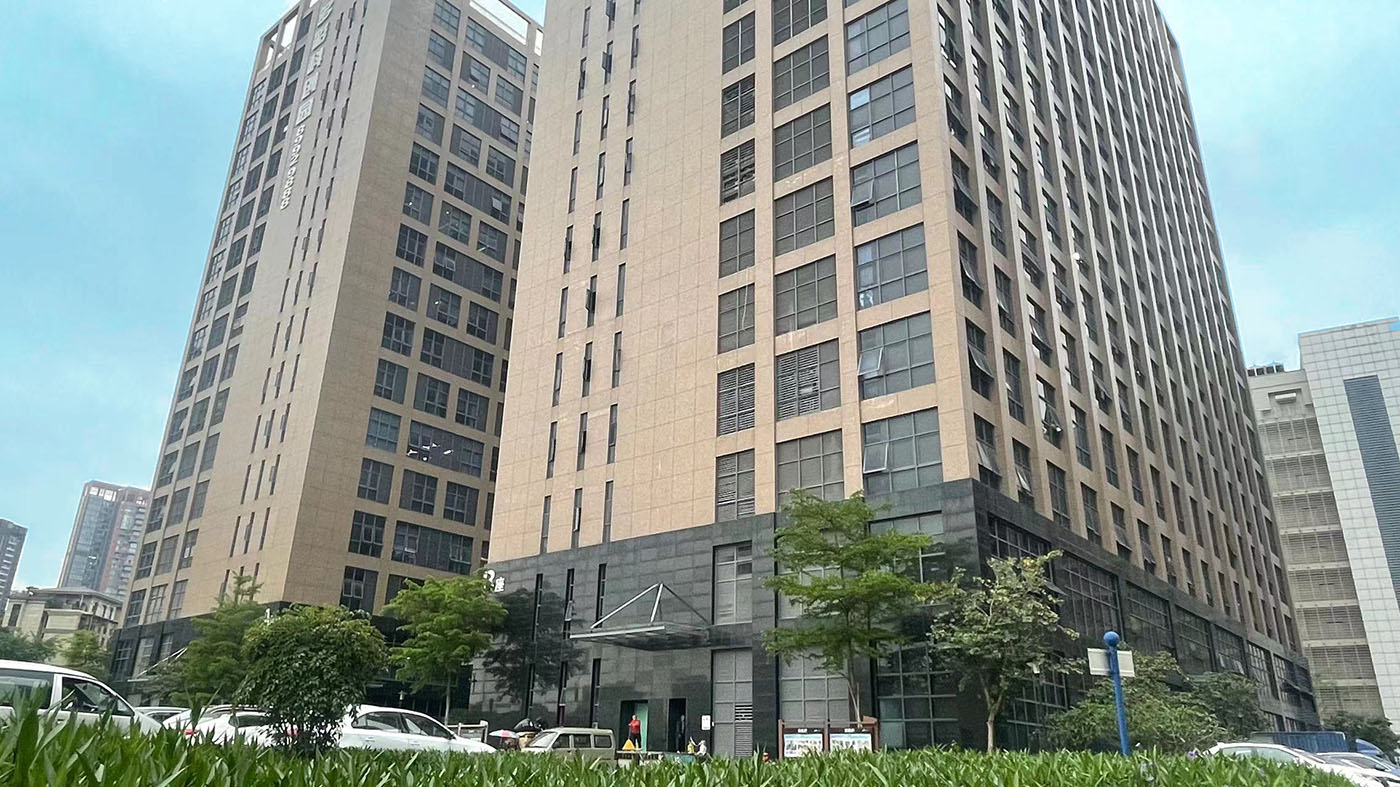
By leveraging our extensive engineering experience and deep manufacturing capacity developed over more than a decade, we magnify operational efficiencies for our clients. Ultimately, this helps expand their core competence to outperform market competitors in modern 5G turnkeys. We prioritize deep client collaboration, aligning ourselves as a strategic partner rather than just an equipment supplier. We believe our strict adherence to quality and reliability serves as your long-term competitive advantage.
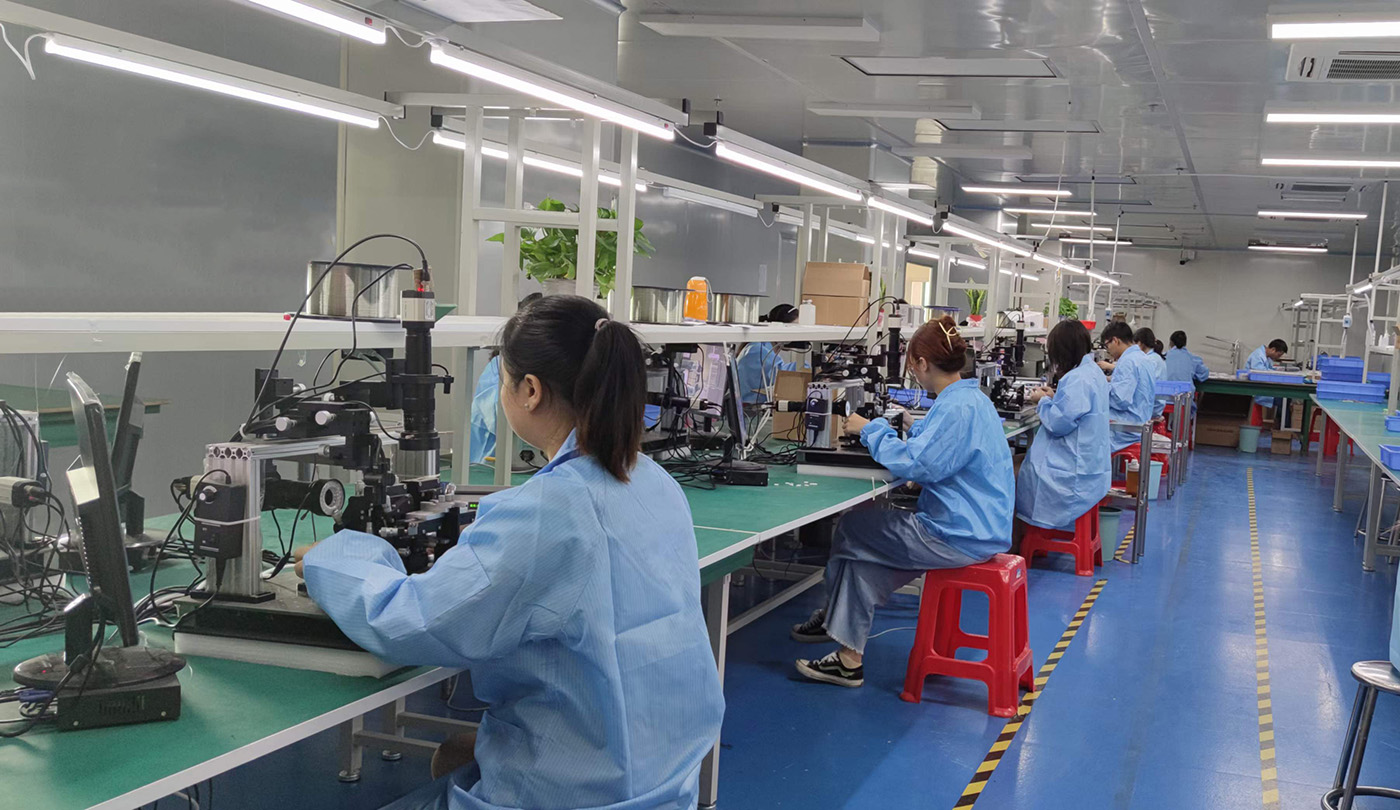
With over 13 years of manufacturing legacy in high-performance optical products, we adhere strictly to international fiber optic standards. We employ advanced statistical process control (SPC) and scientific methods to guarantee on-time deliveries and verify that 100% of products are tested, certified, and inspected before final dispatch.
Years of international trade and service experience have enabled us to win trusted clientele globally. Today, our footprint spans East Asia, Southeast Asia, the Middle East, Eastern and Western Europe, Northern Europe, South America, North America, North Africa, and South Africa.
Our core commercial strategy centers around mutual success. Our ODM/OEM configurations have repeatedly secured major telecom operator tenders worldwide, satisfying strict structural design and optical margin requirements.
Our main terminal telecom operator clients and project end-users include: SingTel, Vodafone, America Movil, Telefonica, Bharti Airtel, Orange, Telenor, VimpelCom, TeliaSonera, Saudi Telecom, MTN, Viettel, Bitel, VNPT, Laos Telecom, MYTEL, Telkom, Telekom (Malaysia), Entel, FiberTel, StarFiber, Ooredoo, Beeline, and Azercell.
Outdoor deployment in tropical microclimates requires deep consideration of materials engineering. Malaysia experiences regular tropical monsoons, leading to sudden temperature shifts and high relative humidity. These fluctuations cause stress inside optical assemblies.
Water ingress is a primary failure vector for outdoor optical cables. If moisture enters the cable jacket, temperature fluctuations can cause micro-bending losses that degrade the optical budget. Kocent Optec CPRI assemblies utilize advanced super-absorbent water-blocking yarns and tapes combined with dry-core structures to prevent water migration. The outer sheath resists water absorption, preventing structural swelling under high-humidity conditions.
Malaysia's diverse ecology presents rodent challenges for outdoor and aerial fiber deployments. Standard plastic sheathing can be breached by pests, leading to micro-cracks and fiber breaks. Our armored CPRI patch cords feature a layer of corrugated steel tape (CST) or high-tensile stainless steel spiral armor. This layer provides high crush resistance (up to 3000N/100mm) without compromising the cable’s flexibility during installation.
Modern networks are transitioning from CPRI to eCPRI (Enhanced CPRI) interfaces. While legacy CPRI relied on point-to-point physical links with fixed bit rates, eCPRI utilizes packet-based Ethernet to transport digitized RF signals. This shift increases bandwidth requirements, moving links from 10G to 25G and 50G speeds. Kocent Optec’s high-precision terminations support OM4/OM5 multi-mode and G.657.A2 single-mode fibers, providing the low-latency parameters required for eCPRI protocols.
Consult with our structural engineering team today to receive a customized configuration sheet and project-specific pricing.
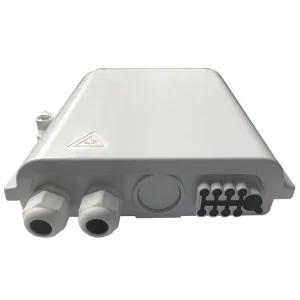
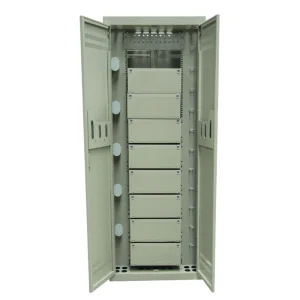
Send Inquiry NowExplore our broader range of transceivers, high-capacity outdoor distribution boxes, distribution frames, and optical jumpers optimized for high-bandwidth carrier networks and enterprise cloud upgrades across Malaysia.
 KOCENT OPTEC