Premium optical splitters engineered for massive scalability, low insertion loss, and stable polarization performance under extreme environments.
The San Francisco Bay Area stands as the epicentre of global artificial intelligence development, cloud architecture, and hyperscale data deployments. As high-frequency trading platforms in the Financial District interface with massive data center campuses across Silicon Valley, South San Francisco, and the East Bay, the requirement for zero-latency, high-bandwidth communication links has reached unprecedented heights.
Optical physical layer infrastructure is the unsung backbone of this growth. Standard single-mode fibers are no longer sufficient on their own; modern infrastructure calls for ultra-precise Planar Lightwave Circuit (PLC) splitters, high-density Wavelength Division Multiplexing (CWDM/DWDM), and low-loss connector solutions. These components guarantee that petabytes of AI training telemetry can bypass local traffic bottlenecks, maintaining optimal spectral efficiency across metropolitan ring systems.
Whether routing 100G, 400G, or next-generation 800G optical signals, the physical connections must exhibit near-zero return loss and robust thermal stability. Given the coastal climate variations of the Peninsula, components deployed in exterior cabinets must adhere to strict environmental resilience standards, notably Telcordia GR-1209-CORE and GR-1221-CORE.


Established in 2012 in Hong Kong as a high-tech communication enterprise, Kocent Optec Limited has emerged as one of China's premier fiber optic termination product manufacturers and key solution providers. Our commitment is rooted in research, design, and systematic manufacturing of passive and active fiber optic communication components for metropolitan telecommunication networks, enterprise structured cabling, and hyperscale cloud data centers.
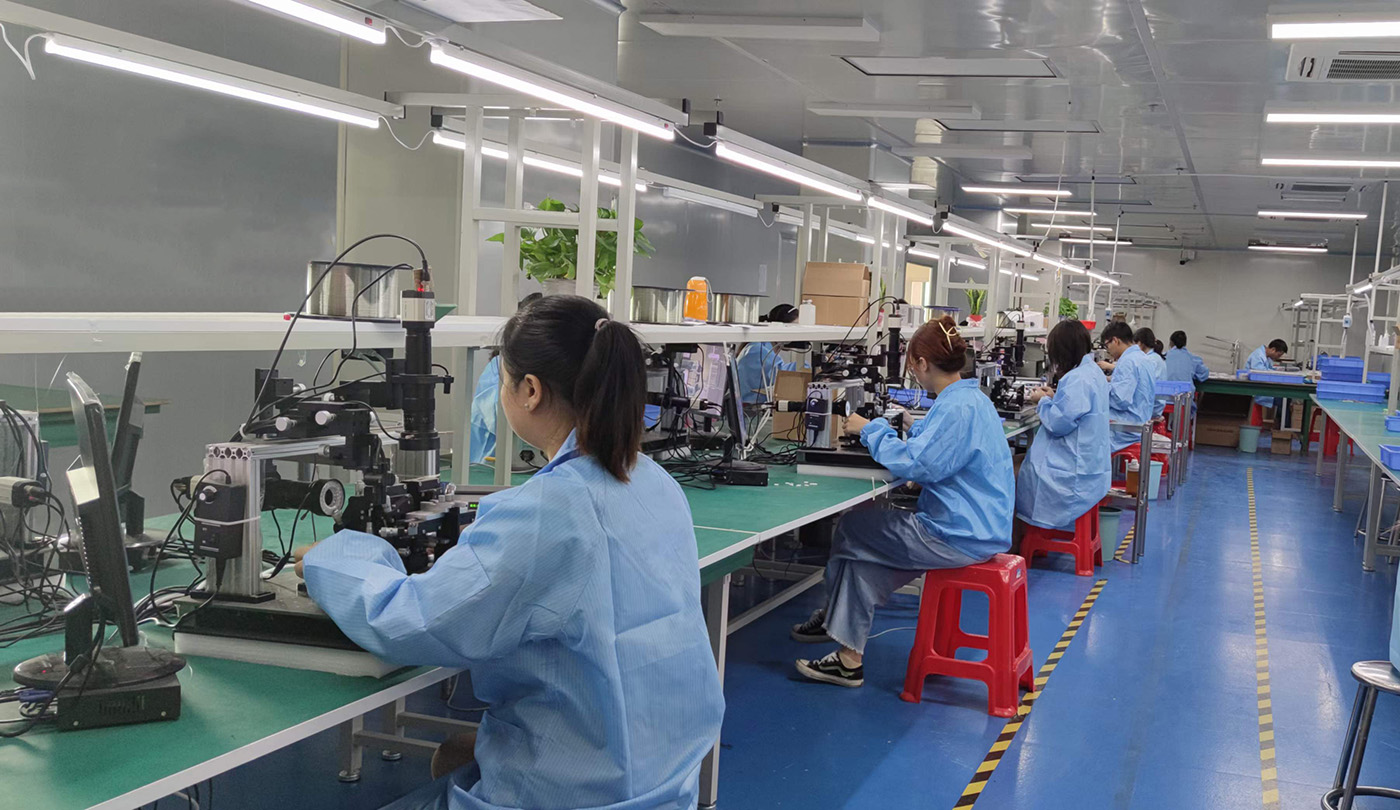
Leveraging our extensive manufacturing facility and refined quality management workflows, we assist our global client base in scaling their physical network topologies. We focus on true engineering collaboration, transforming standard supplier-buyer links into long-term technology partnerships. Our core differentiators rest in automated production processes, rigid raw material selection, and rigorous environmental testing protocols.
With over 13 years of field-tested manufacturing experience, our output complies strictly with international ITU-T, IEC, and Telcordia standards. Every single component—from patch cords and pigtails to advanced 40-channel DWDM multiplexers—is subjected to thorough testing, ensuring zero defective units arrive at your site.
Analyzing the performance characteristics of splitters, wavelength division multiplexers, and high-density fiber patch assemblies.
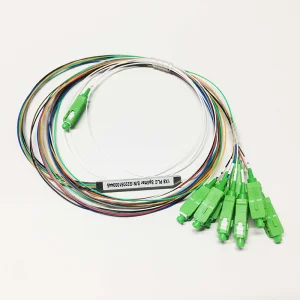
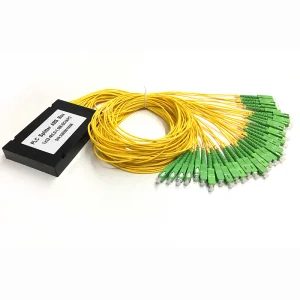
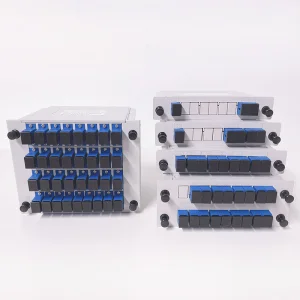
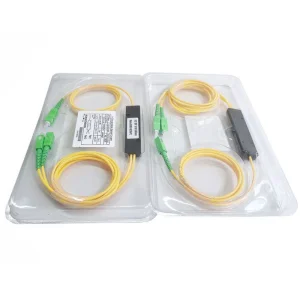
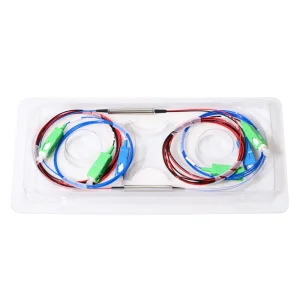
Engineered using silica glass waveguide circuits, our PLC splitters distribute optical signals uniformly with minimal polarization-dependent loss (PDL). Available in Mini Tube, ABS Box, and LGX cassette configurations, they provide highly reliable routing across FTTx and GPON network hubs.
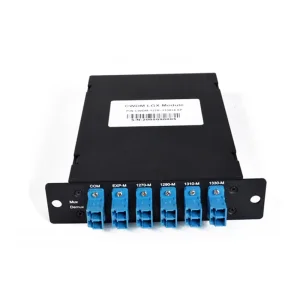
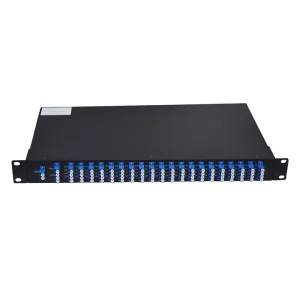
To maximize existing fiber infrastructure capacity in high-cost metro rings like San Francisco, our CWDM and DWDM modules multiplex multiple channels onto a single fiber pair. Features thin-film filter technology, low temperature-dependent loss, and superior isolation characteristics.
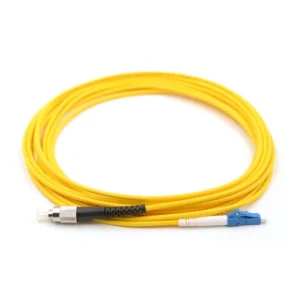
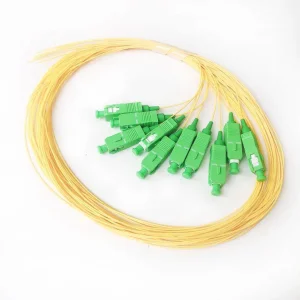
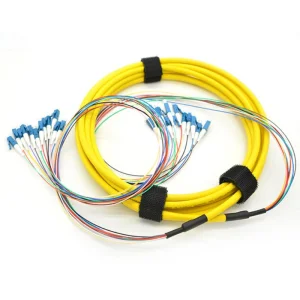
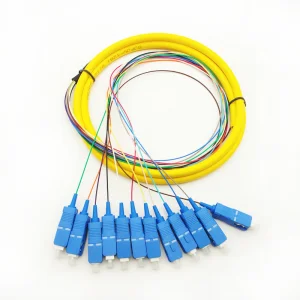
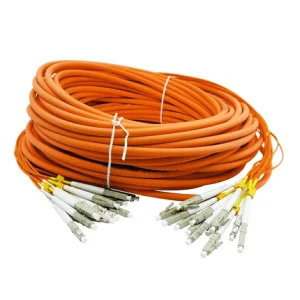
Our G657A2 single-mode patch assemblies, including fanout configurations with up to 144 cores, feature a reduced bending radius to fit congested cable trays, ODFs, and patch panels. Terminations are fully polished and tested to exceed industry return-loss benchmarks.
Sourcing optical passive components requires navigating strict technical compliance and quality assurance measures. Kocent Optec Limited has built a stellar reputation by successfully passing multiple operator tenders and fulfilling demanding engineering criteria around the world.
Our passive optical network (PON) components, PLC splitters, and patch cables are trusted by leading global telecommunication carriers and service providers, including:
Whether managing urban network modernization in downtown San Francisco or rolling out FTTx deployments in metropolitan suburbs, our components comply with global standards, ensuring seamless interoperability with legacy transceivers and active switches.
Looking for custom splitting ratios, unique housing types, or high-density CWDM/DWDM configurations? Our technical sales engineers are ready to provide custom CAD layouts, return-loss telemetry data, and competitive wholesale pricing structures.
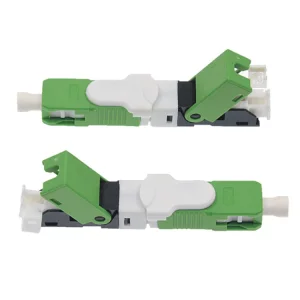
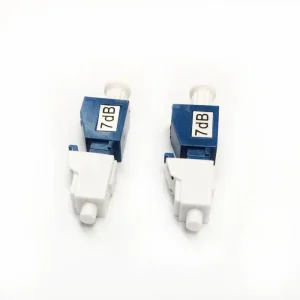
Send Inquiry NowExplore our wide array of active-compatible passive devices, attenuators, fast connectors, and high-core-count optical breakout cables.
Designing modern optical networks requires selecting appropriate optical components to maintain signal integrity over long transmission paths. For system designers, understanding the technical differences between PLC and FBT splitters, and implementing proper Wavelength Division Multiplexing (WDM) schemes, is essential for optimized optical link budgeting.
When dividing light signals across multiple pathways, network engineers must choose between PLC and FBT splitters. The decision depends on the operating wavelengths, channel splitting ratio uniformity, and physical installation requirements:
As lease rates for fiber pairs rise in congested metro areas, maximizing spectral density is key. Wavelength Division Multiplexing (WDM) allows operators to run multiple parallel networks over a single fiber pair:
CWDM (Coarse Wavelength Division Multiplexing): Uses wider channel spacing (20nm) from 1270nm to 1610nm. Ideal for municipal networks and regional loops up to 80km. Since it requires less precise temperature stabilization, it uses cheaper uncooled lasers, lowering initial deployment costs.
DWDM (Dense Wavelength Division Multiplexing): Employs tight channel spacing (100GHz or 50GHz grids on the ITU C-band). This allows up to 40 channels or more on a single fiber. DWDM systems are crucial for long-haul networks and connecting major data centers where maximum fiber capacity is needed.
Answering common technical questions about product selection, global compliance, and optical deployment.
 KOCENT OPTEC