Engineered for Kuwaiti mobile operators demanding IP67 ingress protection, thermal stability, and low optical loss in harsh environments.
In alignment with the Kuwait Vision 2035 ("New Kuwait") developmental roadmap, the state’s digital backbone is undergoing massive transformation. Telecommunications regulators and operators are rapidly transitioning from legacy copper and microwave links to high-density optical fiber infrastructure. As Kuwait targets over 99% coverage for 5G standalone networks, Fiber-To-The-Antenna (FTTA) architectures have shifted from a specialized option to the default industrial standard for macro base stations, microcells, and Centralized Radio Access Network (C-RAN) deployments.
Leading telecommunications operators in Kuwait, including Zain, Ooredoo, and stc Kuwait, are building out physical infrastructure capable of handling high bandwidth, ultra-low latencies, and high data density. The shift to virtualized basebands and remote radio heads (RRU) on tower masts has placed heavy reliance on high-durability fiber patch leads and hybrid optical-power cables. Without robust fiber trunks running up towers, the true capabilities of sub-6GHz and millimeter-wave (mmWave) frequencies cannot be realized in the Kuwaiti metropolitan and industrial sectors.

Deploying telecom infrastructure in Kuwait presents some of the most demanding environmental challenges in the world. The regional climate requires optical components to survive extreme outdoor realities that would instantly degrade standard telecommunication systems. For instance, outdoor summer temperatures routinely exceed +50°C, with solar radiation raising local temperatures within metal tower enclosures and cable conduits up to +85°C. Standard PVC-jacketed fiber cables cannot withstand such intense heat without suffering rapid polymer degradation, loss of core alignment, and microbending losses.
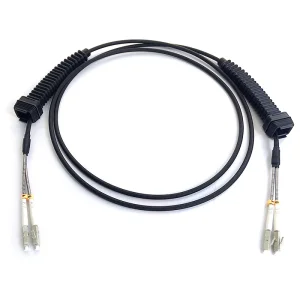
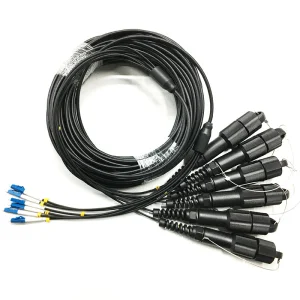
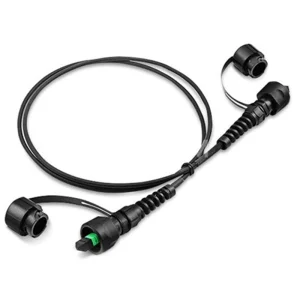
Additionally, Kuwait's frequent dust and sandstorms carry fine silica particulate matter that can easily breach poorly sealed connections. If dust penetrates a fiber optic connector interface, it scatters the light signal, resulting in high Insertion Loss (IL) and low Return Loss (RL). Kocent Optec’s FTTA solutions incorporate specialized waterproof and dustproof connectors (IP67/IP68 rated) such as ODVA, PDLC, and Nokia NSN compatible DLC designs. These connectors feature rigid physical interlocking sleeves, high-durability fluoropolymer seals, and UV-stabilized polyurethane or LSZH jackets that ensure 20+ year lifetimes under constant exposure to desert ultraviolet rays and wind-borne sand abrasion.
Materials rated to withstand continuous temperatures ranging from -40°C up to +85°C. Avoids jacket contraction and fiber stress during extreme GCC hot seasons.
LSZH and polyurethane armored jacketing prevents degradation caused by intense ultraviolet light and high-velocity windblown sand abrasion.
Hermetically sealed connector assemblies block humidity, water spray, and fine sand particulate intrusion at the Remote Radio Head (RRH) port.
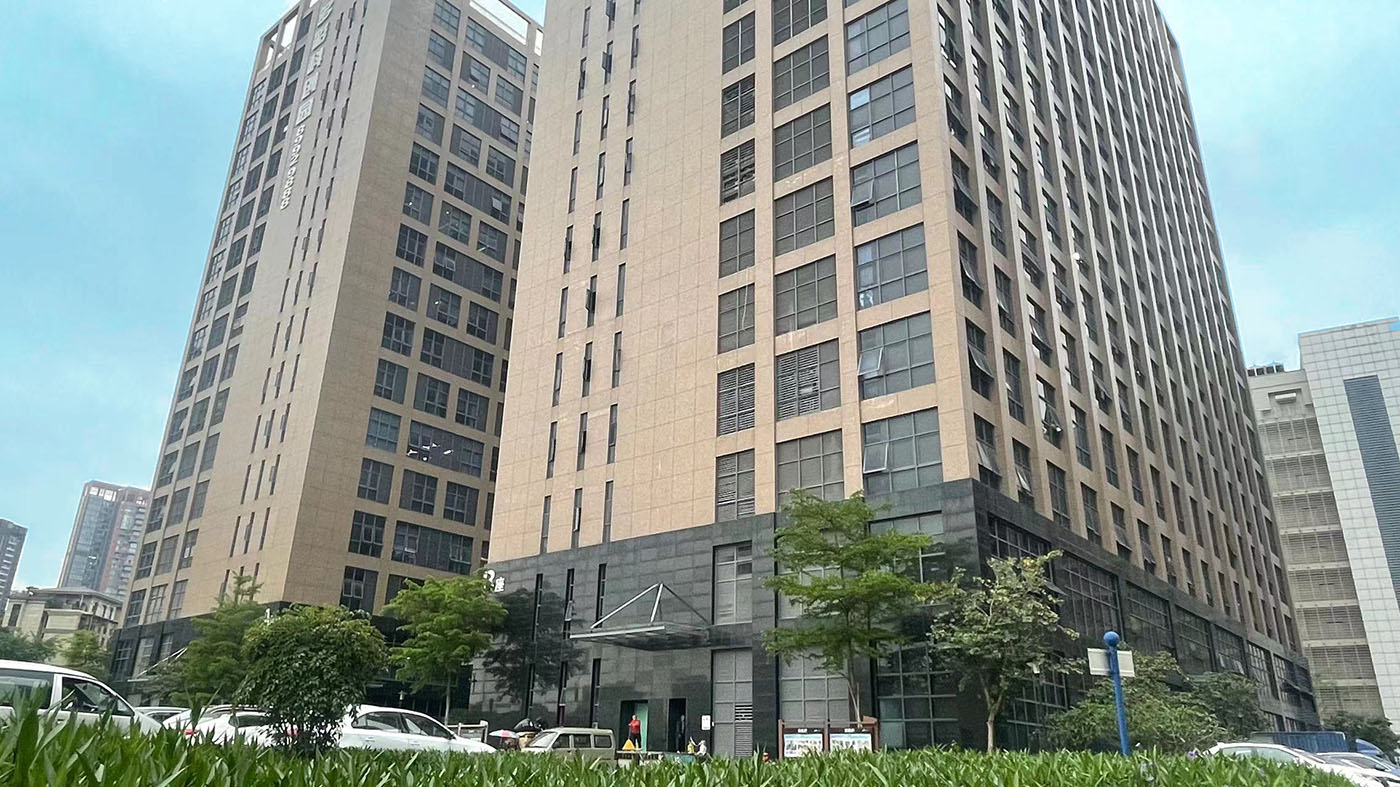
Established in 2012 in Hong Kong as a high-tech communication enterprise, Kocent Optec Limited has grown into one of China's leading fiber optic termination product manufacturers and solution providers. We are dedicated to developing and manufacturing premier passive and active optical fiber communication products. Our portfolio spans across telecommunication networks, enterprise networks, data centers, and specialty harsh-environment industrial fields.
By leveraging our extensive production experience and highly optimized manufacturing processes, we enhance project outcomes for our global clientele. This support expands their core network competencies and helps them outperform key competitors. We define ourselves not merely as an OEM manufacturer, but as a strategic partner in fiber optic connection solutions. We believe our technical differentiators are your real-world advantages in deployment speed and network uptime.
With more than 13 years of dedicated manufacturing experience, we strictly follow regional and international telecommunication industry standards (such as Telcordia GR-326-CORE and IEC standards). Using mature scientific test methods, we ensure that 100% of our products are tested and inspected before shipment. Every single patch cord is verified for insertion loss, return loss, and end-face geometry using modern interferometry equipment.
Our years of international sales and logistics service enable us to supply operators and contractors worldwide. Today, Kocent Optec products are deployed across East Asia, Southeast Asia, the Middle East, Eastern/Western Europe, South America, North America, and parts of Africa. Our ODM and OEM fiber assemblies regularly win telecom operator tenders, providing lasting performance in networks operated by SingTel, Vodafone, America Movil, Telefonica, Bharti Airtel, Orange, Telenor, Saudi Telecom (STC), Ooredoo, MTN, and Zain.
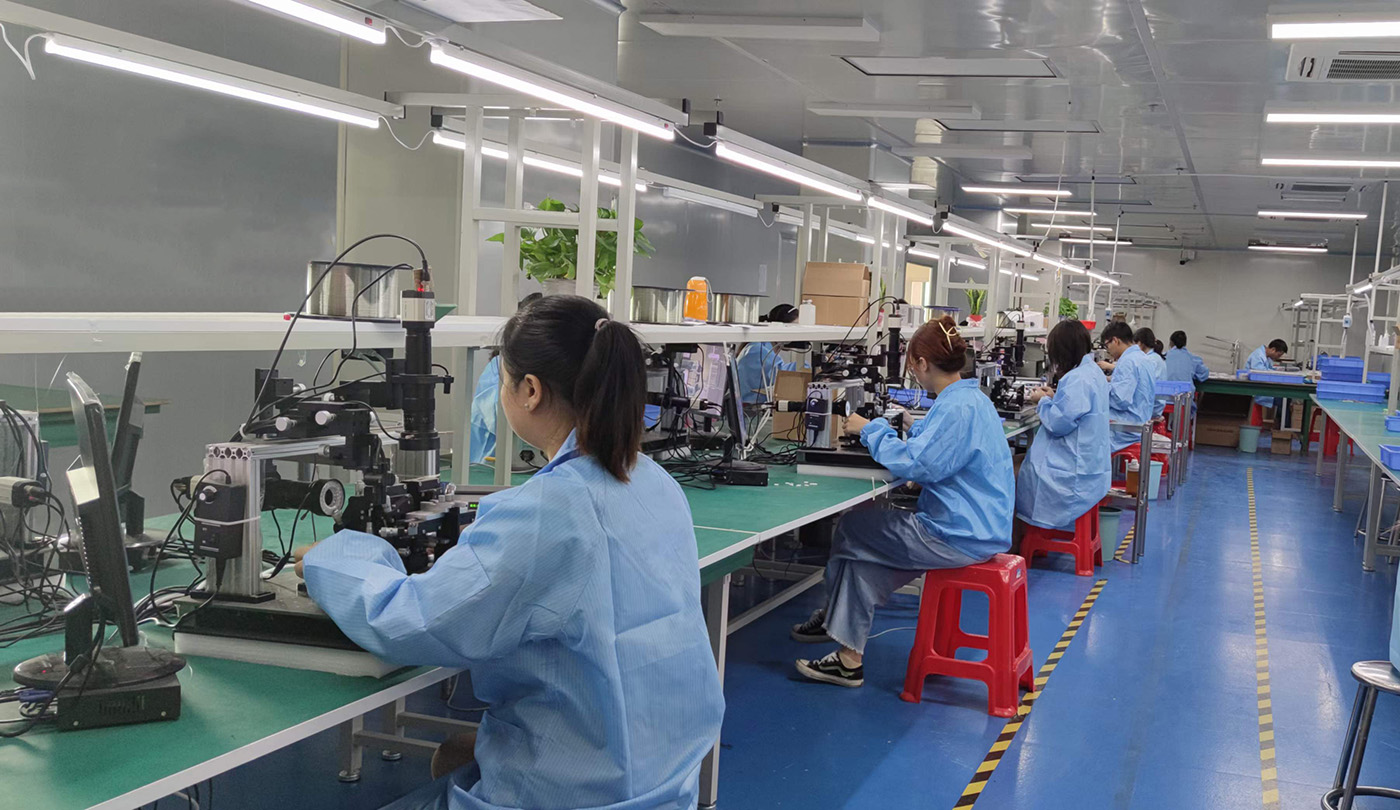
Our components are built to meet the rigorous specifications required by major telecommunication operators in Kuwait, the GCC, and globally:
1. Urban High-Density 5G Small Cell Deployment: In Kuwait City's high-traffic commercial areas like Sharq and Mirqab, space on utility poles and building facades is restricted. Using multi-core IP67 ODVA MPO cable assemblies allows operators to route up to 12 or 24 fibers in a single compact run, feeding cluster antenna arrays with minimal visual impact and physical footprint.
2. Desert Base Stations & Remote Terminals: Deep in the oil fields of Jahra and Ahmadi, remote communication towers are surrounded by soft sand dunes and endure constant winds. Armored outdoor fiber patch cords with PDLC/NSN connections ensure high pulling resistance and dust isolation at connection points, avoiding link dropouts in critical remote SCADA and industrial network systems.
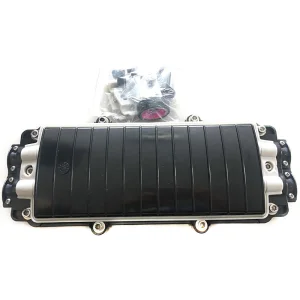
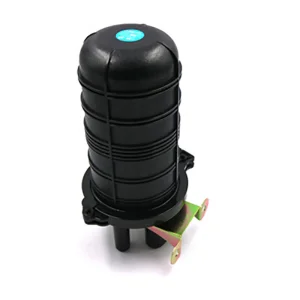
3. Marine & Port Telecommunications: Along the Arabian Gulf coastlines (Shuaiba Port, Shuwaikh Port), salt spray and heavy humidity corrode typical metal hardware. Utilizing fiber distribution closures with non-metallic chemical-resistant polymer shells (such as Kocent's vertical and horizontal FOSC series) prevents galvanic corrosion and maintains link integrity.
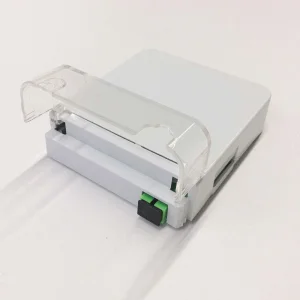
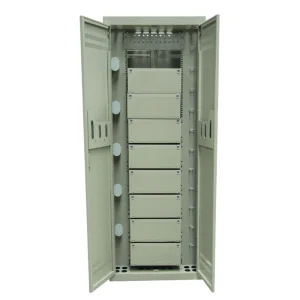
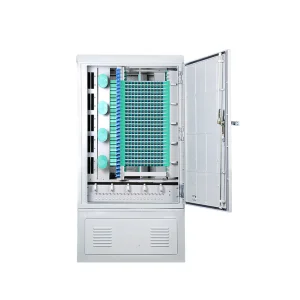
Direct supply of premium fiber distribution boxes, splice closures, high-speed optical transceivers, and accessories certified for Kuwait utility and telecom use.
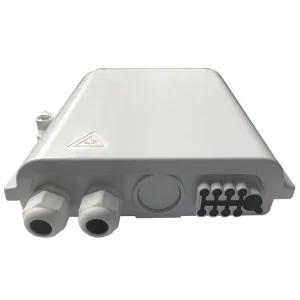
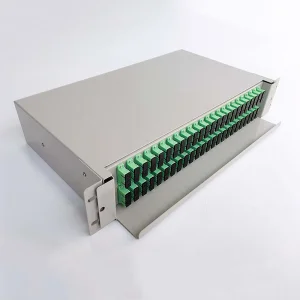
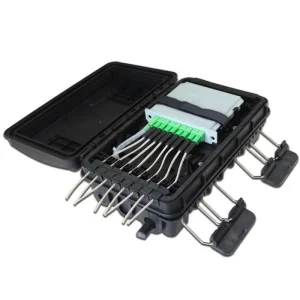
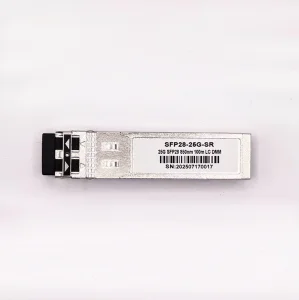
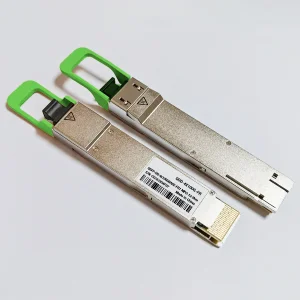
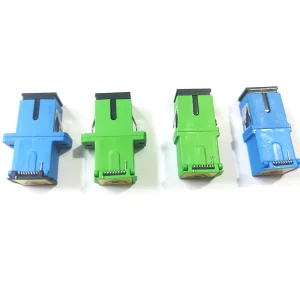
Deployment of telecommunication passive fiber optic elements in Kuwait is strictly audited under the regulatory oversight of the Communication and Information Technology Regulatory Authority (CITRA) and the Ministry of Communications (MoC). Infrastructure products must demonstrate compliance with the highest standards of reliability and safety. Kocent Optec ensures its optical fibers, patch cords, enclosures, and transceivers satisfy the parameters required by local regulators and engineering panels.
Our manufacturing processes comply with ISO 9001:2015 quality management systems. All optical connectors feature premium-grade zirconia ceramic ferrules to prevent micro-cracks and misalignment during mating cycles. For outdoor assemblies, we perform severe thermal cycling tests from -45°C to +85°C to simulate desert day-to-night temperature changes, ensuring insertion loss variation remains strictly within the <0.2dB limit defined by IEC 61753-1.
Below is the standardized compliance matrix that our FTTA solutions maintain for major Middle Eastern operator frameworks:
| Component Category | International Standard | Tested Parameters | Kuwait Market Compliance |
|---|---|---|---|
| FTTA Patch Cords (DLC/PDLC) | IEC 61754-20, Telcordia GR-326 | IL < 0.3dB, RL > 55dB (UPC) / 65dB (APC) | Approved for Zain and stc RRH installs |
| Outdoor Splice Closures (FOSC) | Telcordia GR-771-CORE, IEC 60529 | IP68 Ingress, salt-fog corrosion (168 hours) | MoC trunk network approved |
| Optical Transceivers (SFP28/QDD) | SFF-8431, IEEE 802.3bm, MSA | BER < 10^-12, TX optical power, I2C DDM | CITRA network equipment type-approved |
| Fiber Distribution Cabinets | IEC 60950, EN 62208 | IK10 mechanical impact, UL94 V-0 flame rating | Suitable for municipal FTTX street cabinets |
As Kuwait advances toward 5G-Advanced and initiates preparatory discussions for the deployment of early 6G frameworks, the demand for optical fiber densities on cell sites will scale dramatically. Today's standard FTTA installations, which run 2 to 4 fibers per RRU, will soon require transition to MPO/MTP trunk systems capable of supplying 12 to 24 fibers over a single cable path. This evolution optimizes tower loads and simplifies installation procedures.
Additionally, with C-RAN and Open RAN (O-RAN) architectures growing in popularity, baseband units are being consolidated into central baseband hotels situated miles away from active cell towers. This setup places high requirements on low-latency transceivers and reliable fiber trunks. Kocent Optec is proactively engineering hybrid fiber-power cable assemblies and high-performance 25G SFP28/100G transceivers capable of running with minimal thermal dissipation under GCC climatic loads. Our development pipeline focus includes:
Expert answers regarding FTTA selection, deployment, and customization for Kuwait networks.
Connect directly with our engineering and sales offices in Hong Kong and China. We provide fast quotes, engineering design validation, and customized sample packages built to survive extreme conditions.
Send Inquiry Now KOCENT OPTEC