Explore our high-performance transceivers, adapters, and patch cords engineered to exceed MSA and IEEE specification baselines.
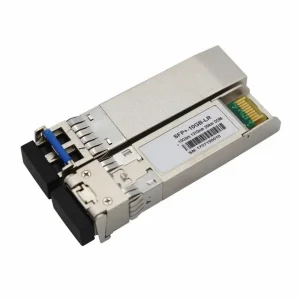
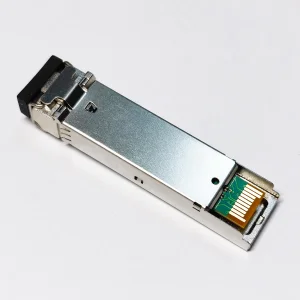
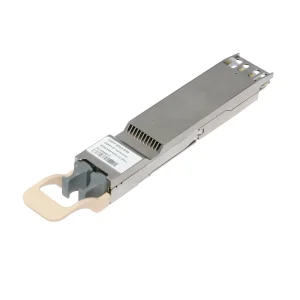
In high-speed data transmission, the Small Form-Factor Pluggable Plus (SFP+) transceiver represents the ultimate balance between thermal performance, cost, and physical density. The 10 Gbps SFP+ standard, defined by the Multi-Source Agreement (MSA) SFF-8431, optimizes board layout efficiency for switches, routers, and host channel adapters (HCAs).
By extracting the clock and data recovery (CDR) functions from the transceiver module and placing them on the host board, 10G SFP+ modules achieve significant power and spatial reduction compared to earlier XFP formats. This structural shift allows network operators to construct ultra-dense 48-port, 1RU switch layouts with optimized heat dispersal mechanics.

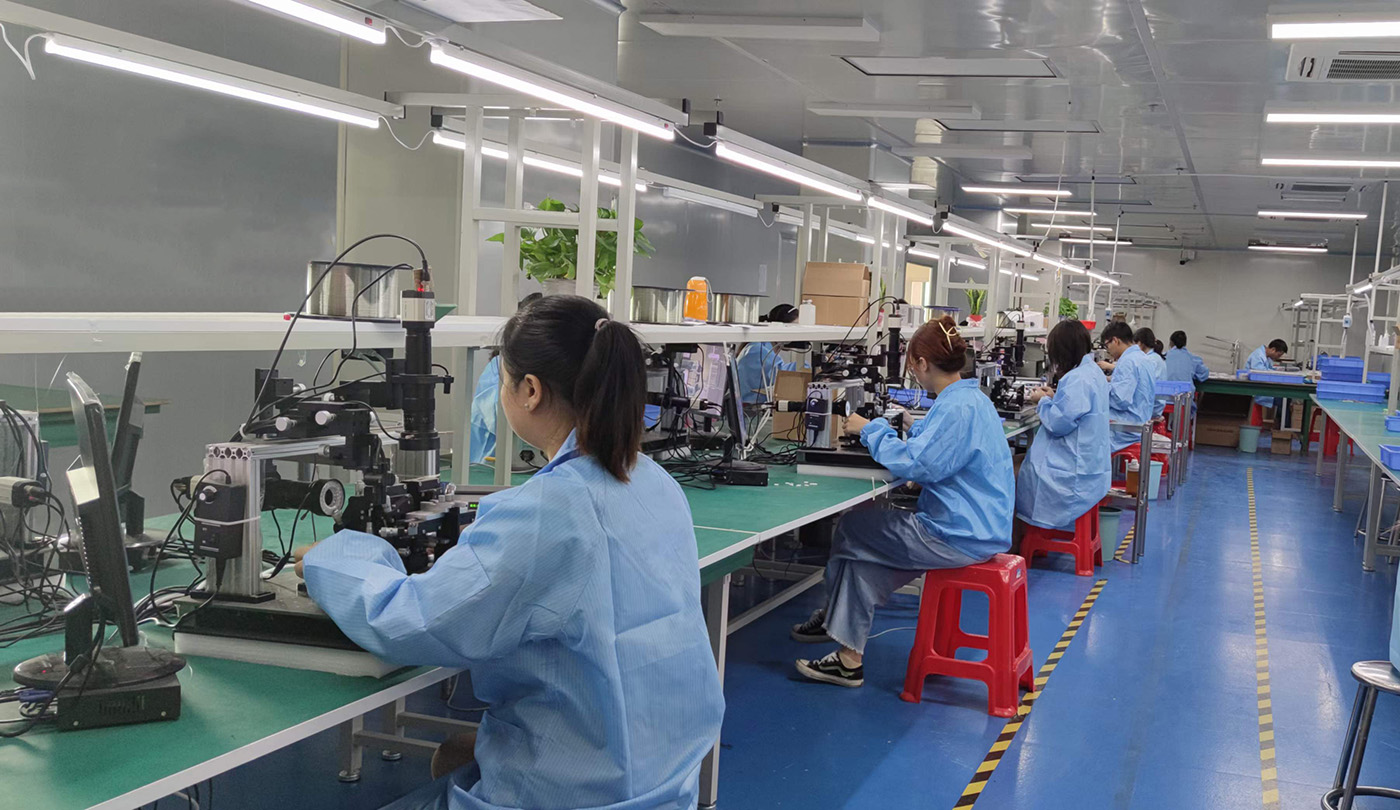
Operating with precision controls, our high-density optical manufacturing delivers scalable capacities globally.
Uncovering the supply chain mechanics that allow KOCENT OPTEC LIMITED to deliver exceptional cost performance without compromising quality.
By leveraging regional chip production, automated sub-component packaging (TOSA/ROSA encapsulation), and vertical scale, we reduce BOM (Bill of Materials) expenses by 30-40% compared to Western assembly lines.
Manual testing introduces variance. Our factory integrates automated testing arrays running automated programming rigs. Every module is verified inside proprietary software chambers testing compatibility across CISCO, Juniper, Arista, and HP switches.
Need custom EEPROM coding or unique hardware adaptations? With localized PCB layouts and custom-molded enclosures, our engineers can prototype, manufacture, test, and ship custom transceivers within 7 business days.
A comprehensive procurement guide detailing technical segments, baseline specs, and estimated volume pricing.
| Transceiver Category | Wavelength & Fiber Type | Max Transmission Distance | Estimated Factory Unit Price (USD) | Primary Industrial Use Cases |
|---|---|---|---|---|
| 10G SFP+ SR (Short Range) | 850nm Multimode (OM3/OM4) | Up to 300m (OM3) / 400m (OM4) | $4.80 - $8.50 | Data center server-to-switch leaf-spine connections, intra-cabinet patching. |
| 10G SFP+ LR (Long Range) | 1310nm Singlemode (OS2) | Up to 10km | $7.50 - $12.00 | Campus backbone, metropolitan area networks, inter-facility telco links. |
| 10G SFP+ ER (Extended Range) | 1550nm Singlemode (OS2) | Up to 40km | $22.00 - $35.00 | Regional service provider distribution, backhaul networks, railway monitoring. |
| 10G SFP+ ZR (Ultra Long Range) | 1550nm Cooled EML SMF | Up to 80km | $55.00 - $80.00 | Long-haul transport rings, regional point-to-point connections. |
| 10G BiDi SFP+ (Bidirectional) | Tx1270/Rx1330nm (Simplex SMF) | 10km to 40km options | $12.50 - $28.00 | Fiber-constrained links, optimization of municipal trunk routes. |
*Disclaimer: The above table reflects baseline wholesale volume pricing. Custom programming, special packaging, and volatile component pricing can influence final quotation parameters. Please contact Kocent Optec sales for formal contract pricelists.

One of the primary concerns for global enterprises procuring third-party transceivers is brand lock-in. Many tier-1 networking brands deploy software checks to reject non-OEM transceivers, outputting "Non-Supported Transceiver" errors.
At KOCENT OPTEC, we operate a sophisticated hardware testing laboratory holding physical host switches from major brands (including Cisco, Arista, Juniper, Dell, HP, Huawei, and Mikrotik). Our engineers analyze host-to-module digital handshakes to customize the EEPROM data registers (including Vendor Name, OUI, Serial Numbers, and checksums) ensuring our transceivers match target equipment logic natively.
Deploying 10 Gbps SFP+ across diverse networks, from hyperscale data centers to rugged outdoor base stations.
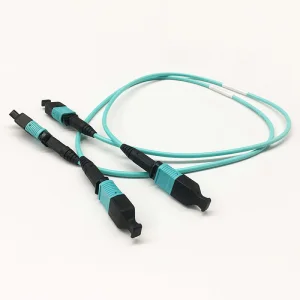
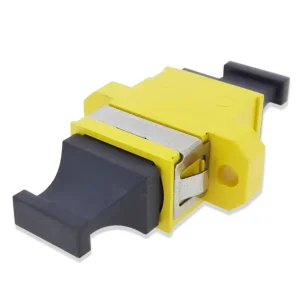
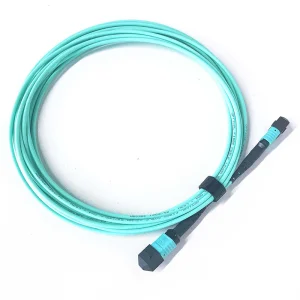
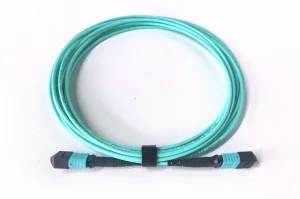
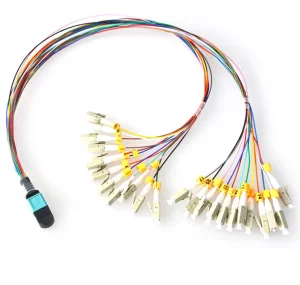
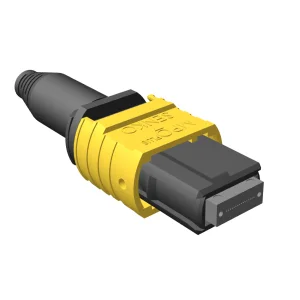
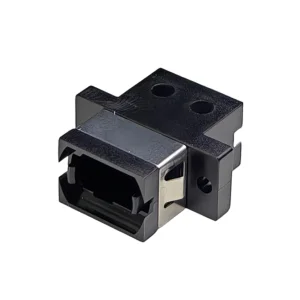
In high-density Top-of-Rack (ToR) and Spine-Leaf switching configurations, managing fiber pathways and power loads is key. High-quality 10G SFP+ transceivers connected with MTP/MPO infrastructure optimize space, simplify routing, and maintain high thermal efficiency.
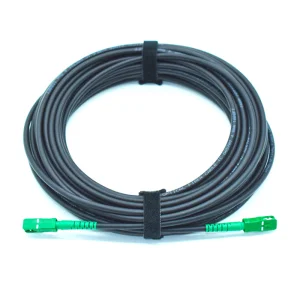
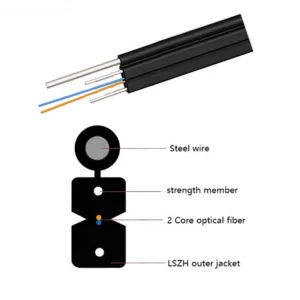
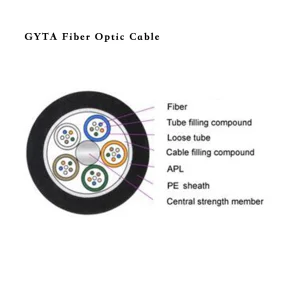
For municipal fiber deployments, FTTH drop networks require stable connections. Our single-mode transceivers, paired with SC/APC and LC drop cables, ensure signal integrity over long outdoor paths, tolerating moisture, dust, and temperature swings.
Mining, maritime, and utility installations require resilient hardware. Standard transceivers can degrade under thermal stress. Our industrial-grade 10G SFP+ transceivers support a wide operating temperature range (-40°C to 85°C) to prevent network drops in harsh environments.
Established in 2012 in Hong Kong as a high-tech communications enterprise, KOCENT OPTEC LIMITED has grown into a leading manufacturer of fiber optic components and a dedicated optical interconnect solution provider.
With over 13 years of manufacturing experience, we follow industry standards using mature scientific methods. Our goal is 100% compliance: ensuring all shipments are tested and inspected before dispatch, maintaining reliable delivery schedules, and supporting our clients' core market competencies.
Today, our OEM and ODM products serve network deployments globally. We are proud to partner with telecom operators and enterprise networks across East Asia, Europe, North America, South America, and Africa.
Our transceivers and passive components are qualified, deployed, and trusted within the infrastructure of major telecom operators globally.
Technical answers to common questions about transceiver procurement, compatibility, and standards.
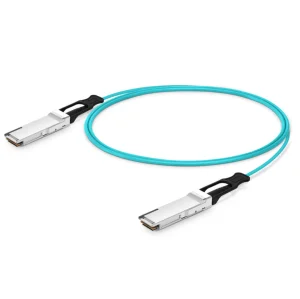
Complete your deployment with our range of rugged patch cables, transceivers, and adapters.
 KOCENT OPTEC