 KOCENT OPTEC
1 / 5
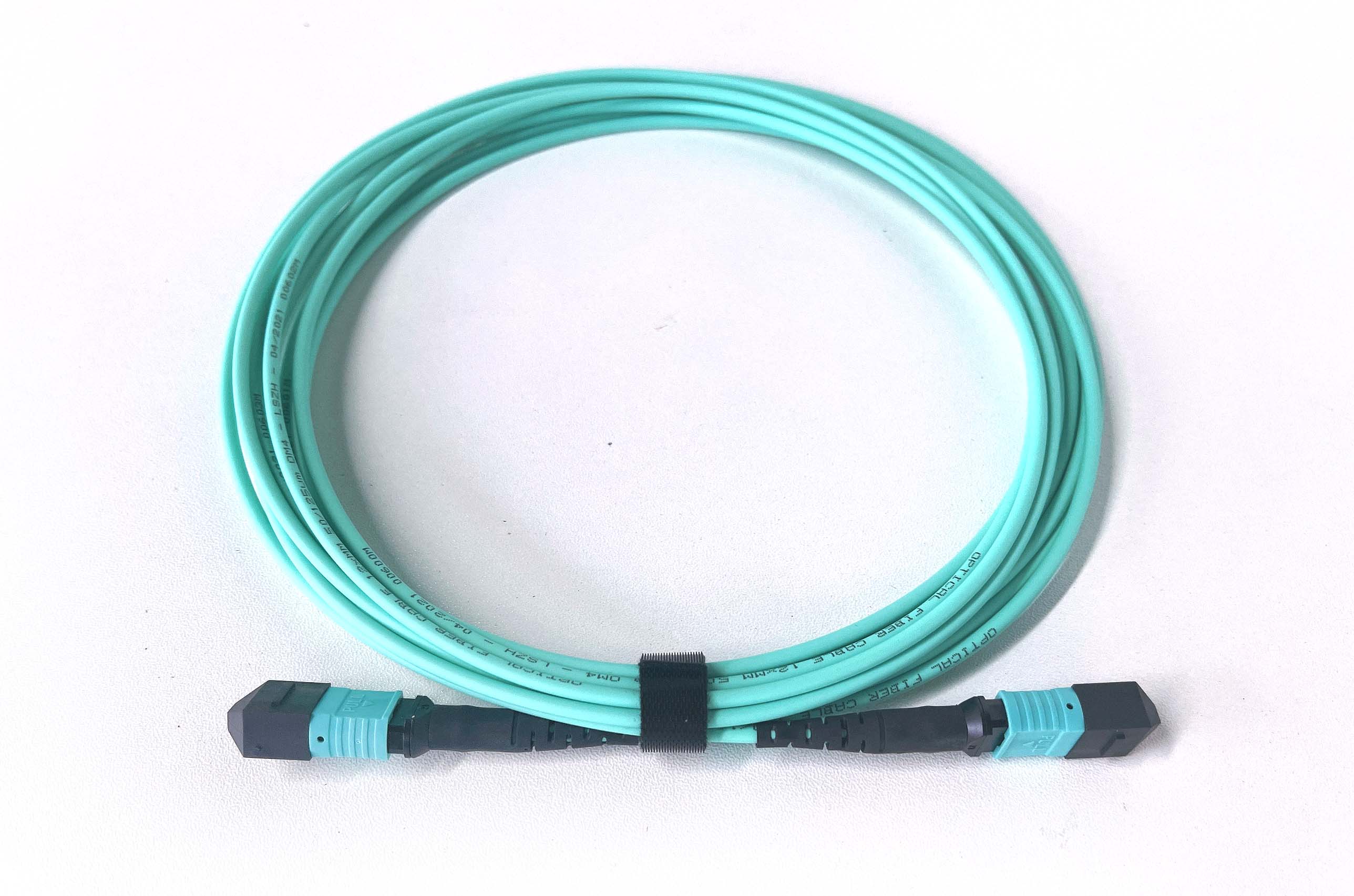
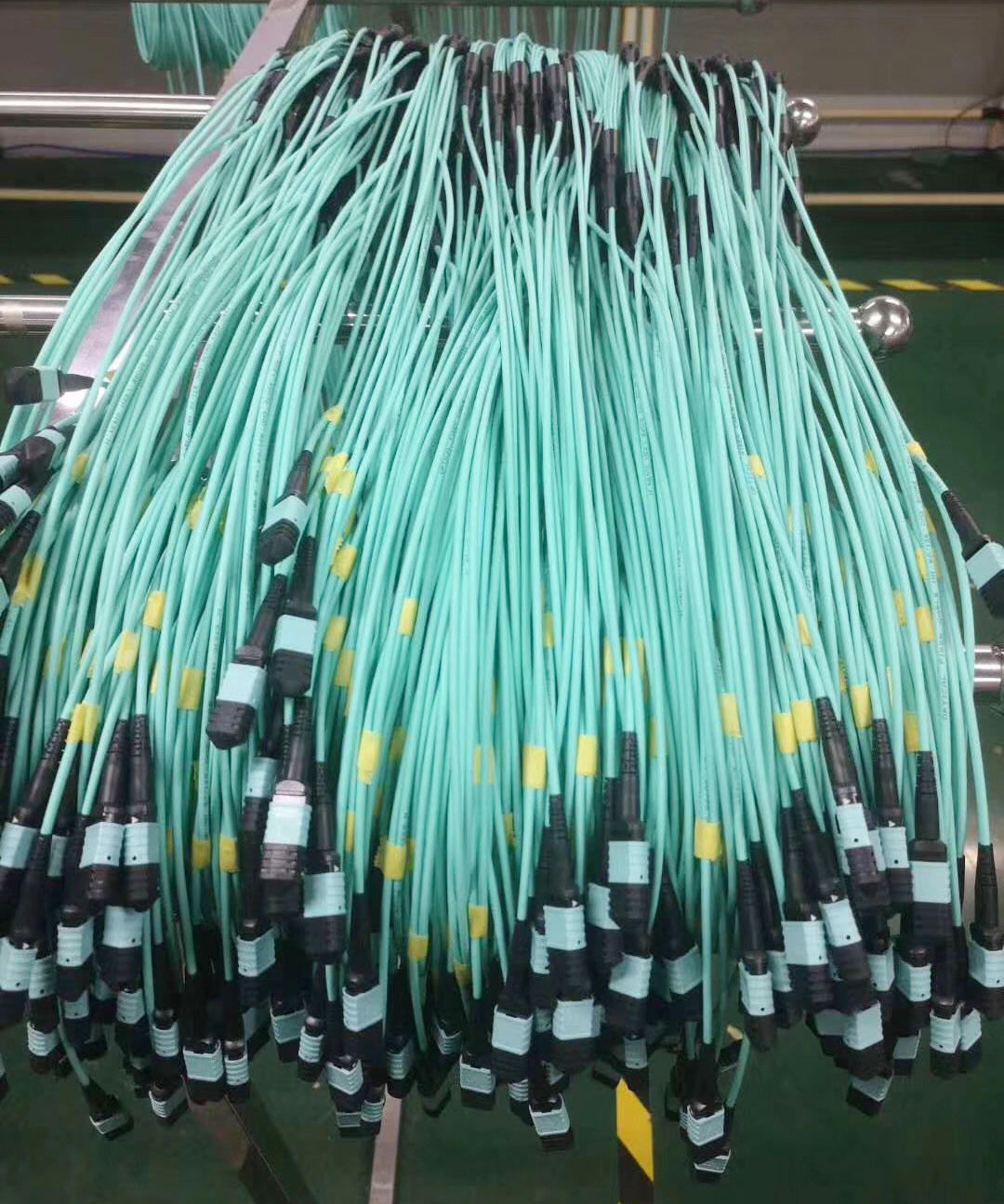
MTP MPO (Multi-fiber Push On) is a type of optical connector that has been the primary multiple fiber connector for high-speed telecom and data communications networks. This connector and cabling system first supported telecommunications systems especially in the Central and Branch offices. Later it became the primary connectivity used in HPC or high-performance computing labs and enterprise datacenters. MPO connectors increase your data capacity with a highly efficient use of space. But users have faced challenges such as extra complexities and time required for testing and troubleshooting multi-fiber networks.
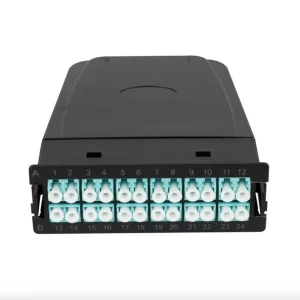
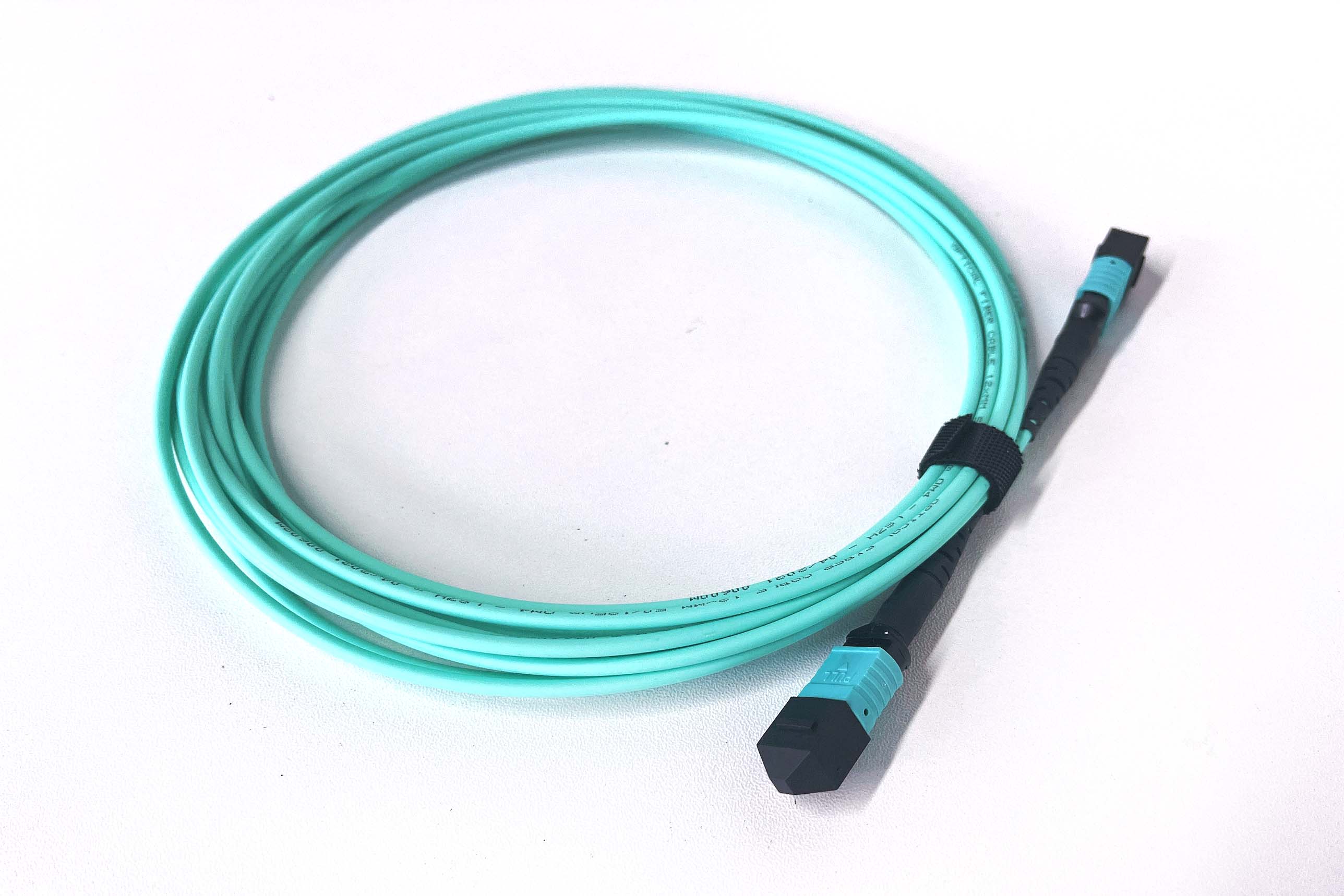
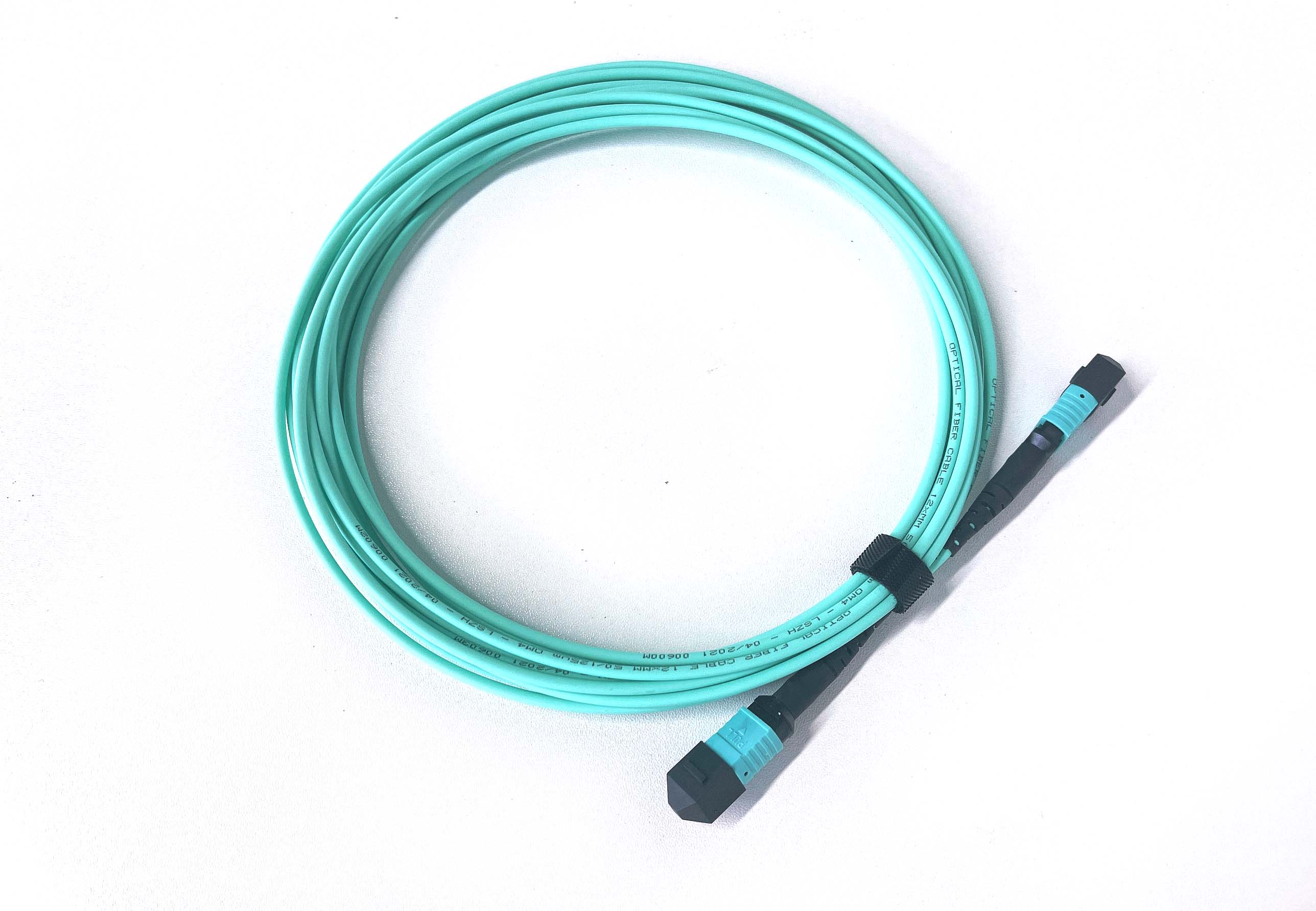
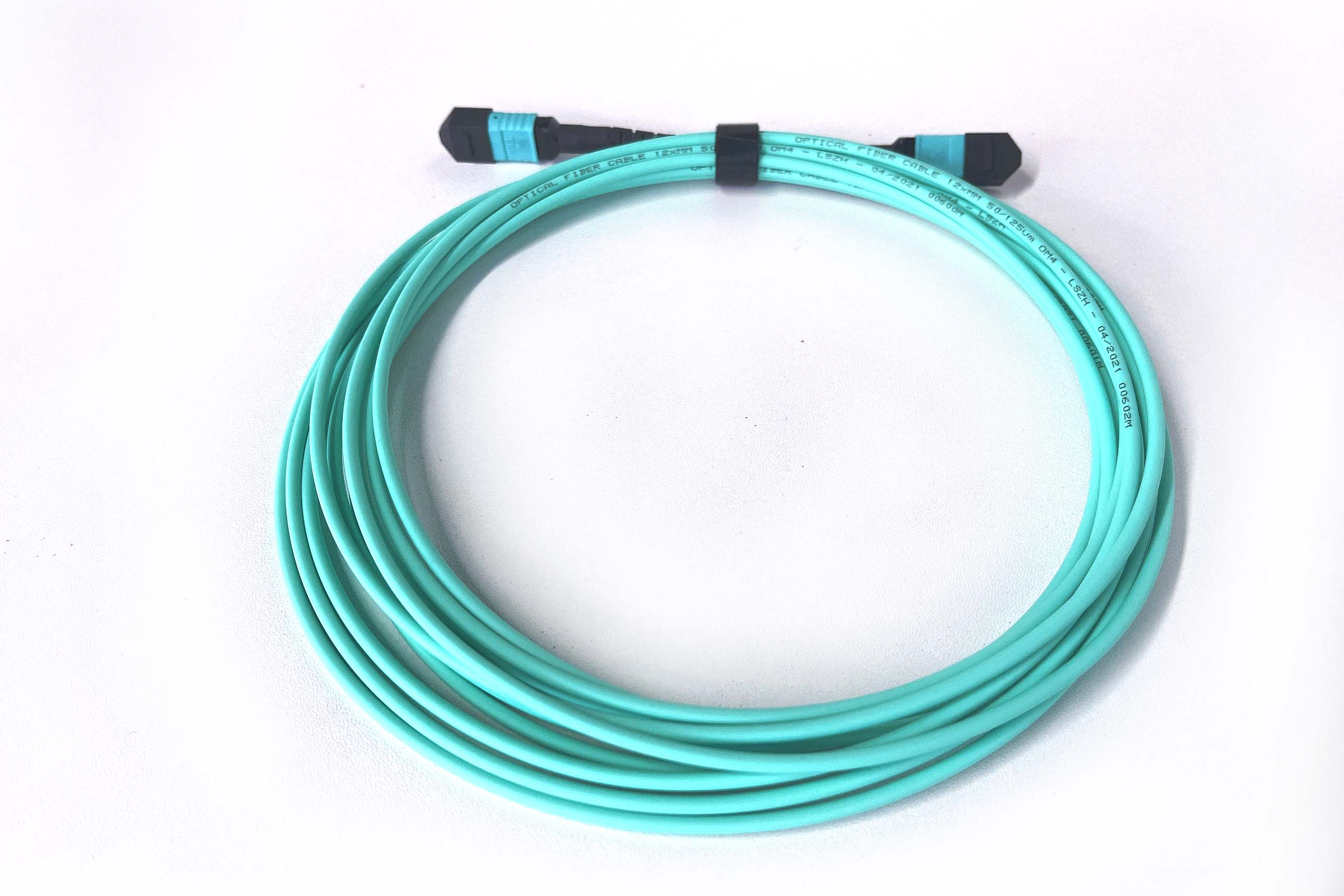
The MTP-24 MPO-24 connector offers a cost-effective solution for deploying both parallel and duplex fiber optic applications. With 24 fibers housed in a single connector, it provides greater density compared to using three MPO-8 connectors or two MPO-12 connectors.
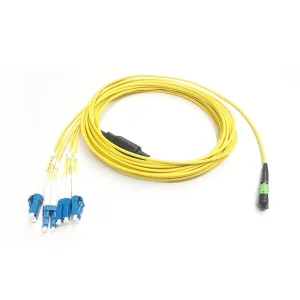
MTP-24 MPO-24 Fiber Optic Trunk Cables are primarily employed to create robust backend trunk connections between fiber patch panels and various networking devices. These cables excel at handling high-performance data transmission. MTP 24 / MPO 24 fiber optic trunk cable is one of the most common types of MPO trunk cable, and it comes with two termination sides using MTP MPO connectors. One side can use MTP 24 / MPO 24, and the other side can use MTP 24 / MPO 24, 2 pcs of MTP 12 / MPO 12, or 3 pcs of MTP 8 / MPO 8.
The MTP 24 / MPO 24 connector has a strong function that can assemble 24 fibers in 1 connector, saving more installation space with faster transmission speeds. MTP 24 / MPO 24 OM3 fiber optic cables can use 2 types of OM3 fiber. For short transmission distances less than 100m, OM3-150 can be used to save cost. For longer transmission distances, OM3-300 can be used to ensure transmission quality.
Multimode fiber optic cable has a large diametral core that allows multiple modes of light to propagate. Because of this, the number of light reflections created as the light passes through the core increases, creating the ability for more data to pass through at a given time. Due to the high dispersion and attenuation rate with this type of fiber, the quality of the signal is reduced over long distances.
Multimode fibers are described by their core and cladding diameters. Usually, the diameter of the multi-mode fiber is either 50/125 µm or 62.5/125 µm. At present, there are four kinds of multi-mode fibers: OM1 (62.5/125), OM2 (50/125), OM3-150 (50/125), OM3-300 (50/125), OM4 (50/125), and OM5 (50/125). OM3-150 fiber and OM3-300 fiber have a suggested jacket color of aqua. Like OM2, its core size is 50µm. OM3-300 supports 10 Gigabit Ethernet at lengths up to 300 meters.
| Type | Multi Mode (PC Polish) | |
| Fiber Count | 24 fibers | |
| Fiber Type | OM3-150 & OM3-300 | |
| Max. Insertion Loss | Elite (Low Loss) | Standard |
| ≤ 0.35 dB | ≤ 0.60 dB | |
| Return Loss | NA | |
| Durability | ≥ 500 times | |
| Operating Temperature | -40°C ~ +80°C | |
| Test Wavelength | 850/1300nm | |
| Insert-pull test | 1000 times < 0.5 dB | |
| Interchange | < 0.5 dB | |
| Anti-tensile force | 15kgf | |