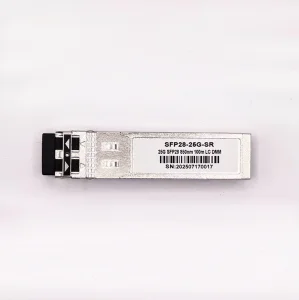
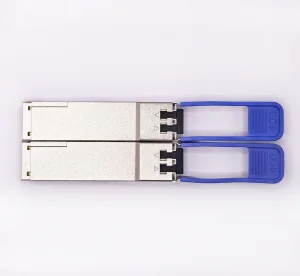
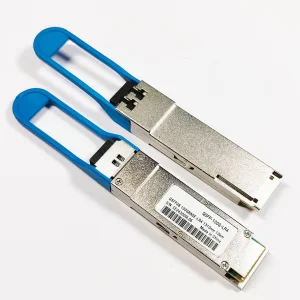
In the rapidly evolving landscape of high-performance computing (HPC), enterprise network infrastructures, and cloud server deployment, the demand for latency-optimized, low-power interconnect assemblies has surged exponentially. The 10G SFP+ Active Optical Cable (AOC) has emerged as the definitive medium, striking a perfect equilibrium between the cost-effectiveness of passive Direct Attach Copper (DAC) cables and the extended reach of discrete optical transceiver modules.
Originally, datacenter architectures heavily relied on passive copper (DAC) for short-reach applications under 7 meters. However, as link rates stabilize at 10G for edge levels and scale up to 25G, 40G, and 100G in aggregating fabrics, the physics of copper pose severe physical limitations. Signal attenuation, bulky cable management profiles, susceptibility to Electromagnetic Interference (EMI), and excessive weight degrade system efficiency.
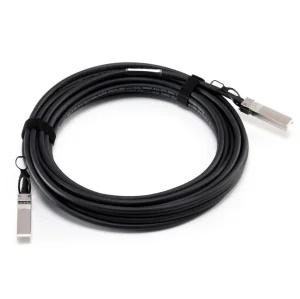
This is where Cheap 10G SFP+ AOC solutions provide high-impact cost benefits. Composed of active electrical-to-optical conversion components embedded inside standard SFP+ hot-pluggable shells at both ends, and coupled with lightweight OM2/OM3/OM4 multimode fiber, AOCs guarantee flawless optical transmission up to 100 meters without the alignment, cleanliness, and insertion-loss headaches associated with separate fiber patch cables and transceivers.
Technical Information Gain: Unlike transceiver architectures that require manual optical mating (introducing dust vulnerability), SFP+ AOC features factory-sealed, dust-free optoelectronic terminations. This hermetic containment drops the field failure rate by over 78% in dusty enterprise environments.
Currently, three global trends are shaping how network architects and systems integrators approach 10G SFP+ AOC procurement:
For procurement managers, network operations center (NOC) leads, and global distribution buyers, sourcing "cheap" optical connectivity does not mean settling for inferior components. In the telecom and computing space, a single link failure can cause downtime costs exceeding $5,600 per minute (Gartner estimation). Therefore, selecting the correct manufacturer involves rigorous vetting of compliance parameters, testing procedures, and logistical scaling.
Full adherence to MSA (Multi-Source Agreement) specifications, SFF-8431, SFF-8432, RoHS, CE, and FCC regulatory frameworks. This ensures physical socket dimension fitment and protocol-level execution.
Premium 10G SFP+ AOC lines must maintain a BER of 10^-12 or better. Our automated loopback testing systems verify every individual cable under real temperature profiles to prevent packet drops.
Every transceiver head contains an EEPROM memory block. A professional supplier writes vendor-specific signatures (DOM/DDM info) to prevent "unsupported transceiver" warnings on Cisco, Arista, or Juniper hosts.
To capture maximum value, multinational enterprises rely on optimized procurement loops where they source directly from high-end Chinese manufacturing zones. This direct-to-factory model eliminates intermediary margins of 40% to 60%, allowing datacenters to allocate hardware capital budgets toward computing clusters and high-density storage arrays.
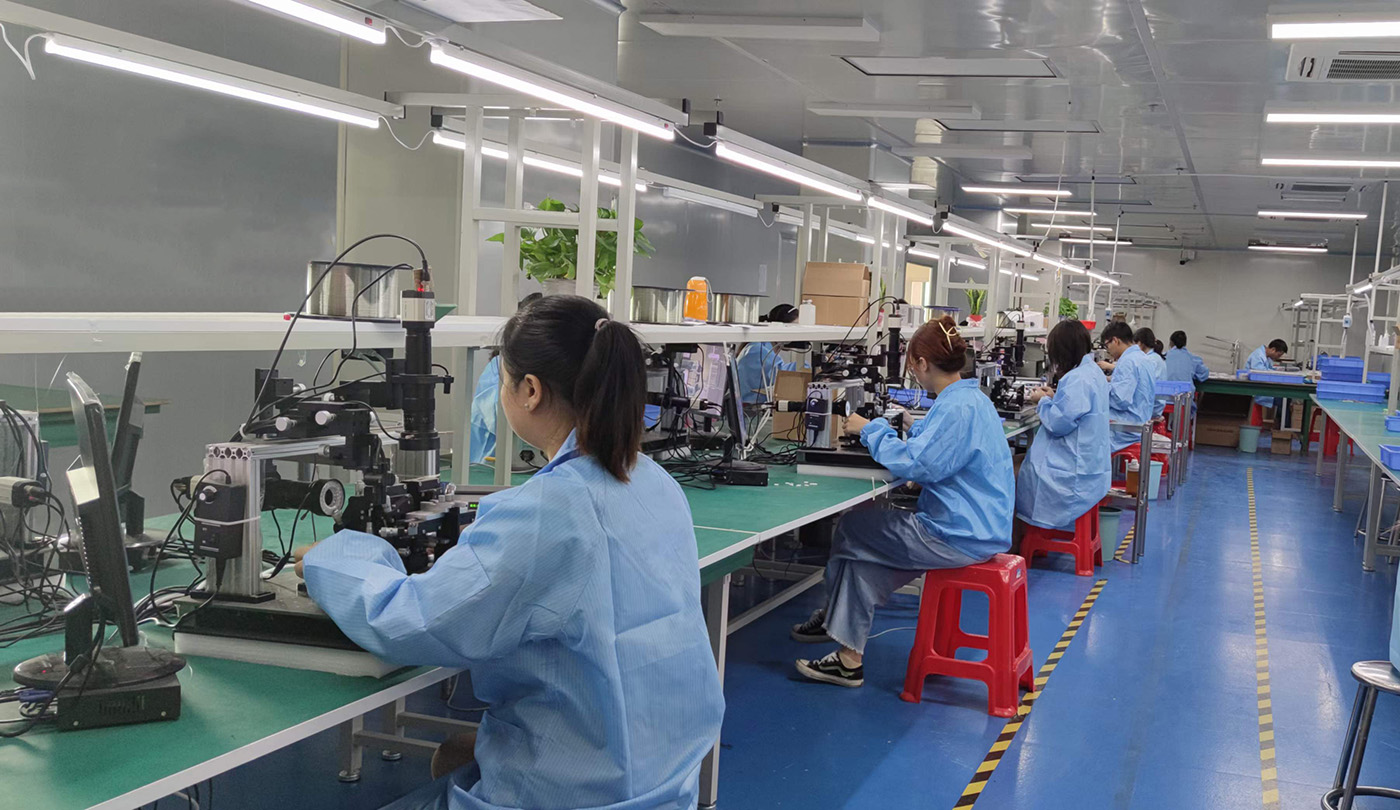
When discussing cheap 10G SFP+ AOC options, "cheap" refers to the optimization of unit cost through economies of scale, rather than any compromise on materials. At our modern manufacturing facilities in China, Kocent Optec Limited has transitioned into an Industry 4.0 automated model.
By integrating automated visual component placing, laser-cleaving, and robotic optoelectronic alignment systems, we reduce human error-based yield loss to less than 0.05%. Our factory is capable of outputting thousands of finished, tested, and pre-programmed AOC modules daily.
Supply Chain Vertical Integration: Our raw material inventory—ranging from VCSEL (Vertical-Cavity Surface-Emitting Laser) arrays, high-speed photodetectors, transimpedance amplifiers (TIA), to OM3 bend-insensitive fibers—is secured through long-term raw material partnerships. This setup insulates our global buyers from geopolitical supply shocks and price swings.
Additionally, our strategic manufacturing locations allow for optimized shipping pathways. Whether you require air freight delivery within 3 days for critical infrastructure outages or container sea freight for large datacenter build-outs, our logistics partners ensure seamless customs clearance and duty compliance.

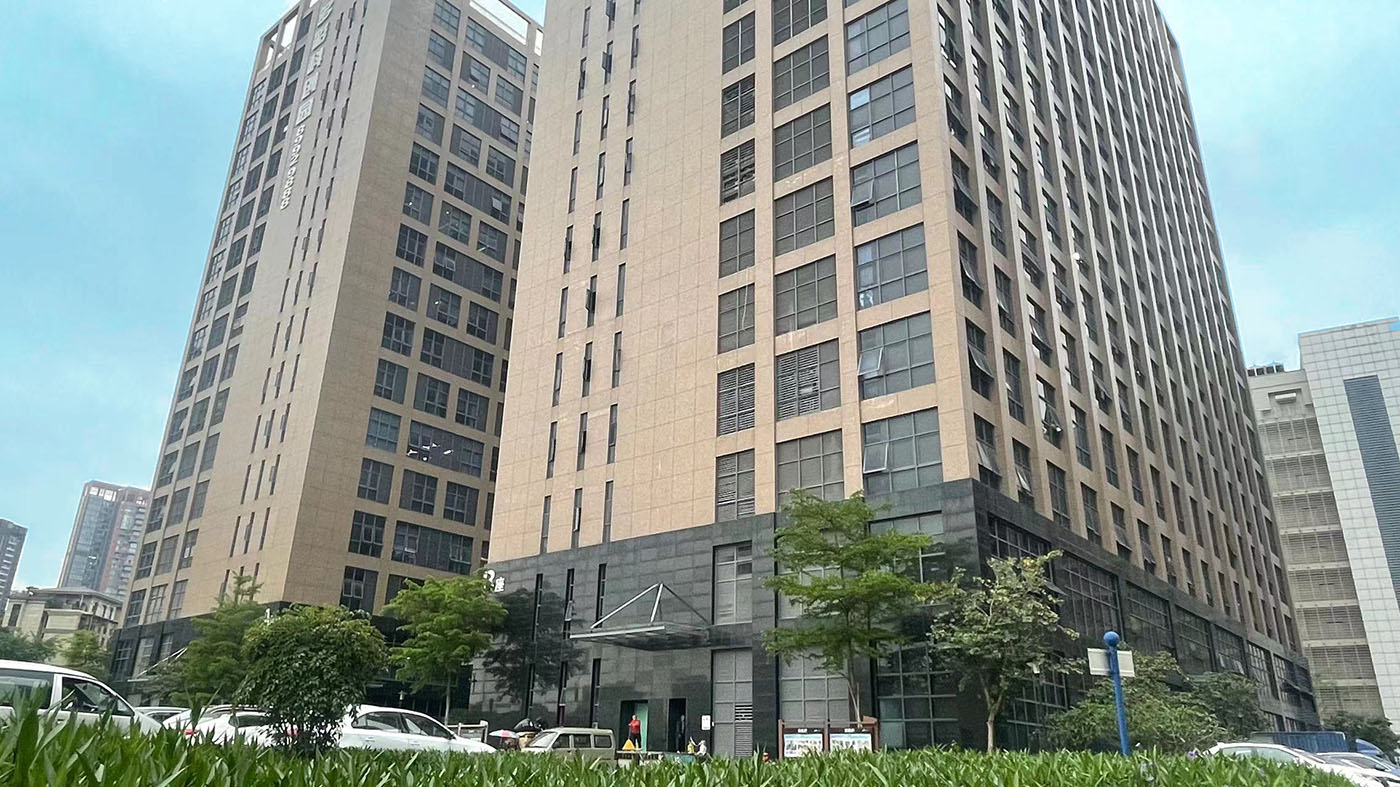
Established in 2012 in Hong Kong as a high-tech communication enterprise, Kocent Optec Limited is one of China’s leading fiber optic termination product manufacturers and solution providers. We are dedicated to developing and manufacturing fiber optic communication products ranging from passive to active categories for telecommunication networks, enterprise networks, and datacenters worldwide.
By leveraging our extensive experience and excellent production capacity gained over the years, we magnify the outcome for our valuable customers, expanding their core competencies and helping them outperform competitors. We place great emphasis on customer collaboration, defining ourselves as a reliable partner in fiber optic connection solutions.
With more than 13 years of experience in manufacturing telecommunication fiber optic products, we strictly follow fiber optic industry standards by using mature scientific methods to deliver your products on time, ensuring that 100% of products are tested and inspected before shipment.
Our win-win cooperation strategy is our constant goal. Many of our OEM and ODM products have won Telecom Operator tenders and satisfy strict end-user requests. Our main terminal telecom operators include: SingTel, Vodafone, America Movil, Telefonica, Bharti Airtel, Orange, Telenor, VimpelCom, TeliaSonera, Saudi Telecom, MTN, Viettel, Bitel, VNPT, Laos Telecom, MYTEL, Telkom, Telekom, Entel, FiberTel, StarFiber, Ooredoo, Beeline, and Azercell.
No matter your target deployment zone—whether it is an enterprise core switch room in Western Europe, a metropolitan carrier site in Southeast Asia, or an industrial edge terminal box in South America—our solutions comply with strict national quality controls and operator specifications.
Understanding where to deploy SFP+ Active Optical Cables versus traditional cabling is key to optimized performance. Here are the primary localized scenarios where AOCs outperform the competition:
Connecting rack servers directly to the top-of-rack switch inside high-density server cabinets. AOCs offer flexible, thin fiber routing, ensuring airflow channels remain unobstructed compared to stiff copper DACs.
For spans between 10 meters and 50 meters, standard passive copper cannot operate. Running separate fiber runs with transceivers is costly. AOCs act as a single, factory-tested system, lowering installation costs.
Industrial assembly lines, mining facilities, and power substations contain high electromagnetic interference. Fiber cores inside AOCs are completely immune to electrical noise, maintaining error-free links.
 KOCENT OPTEC