High-performance telecommunication terminal network units, optical transceivers, and rugged outdoor patch cords manufactured for optimal link performance.
The transition of telecommunications networks from traditional copper-based infrastructures to centralized radio systems has elevated the importance of the physical interface layer. The CPRI (Common Public Radio Interface) patch cord serves as the vital transmission bridge between the Baseband Unit (BBU) and the Remote Radio Unit (RRU) in Fiber-to-the-Antenna (FTTA) installations.
By shifting to an optical interface, network operators can significantly reduce signal attenuation, solve electromagnetic interference (EMI) problems, and handle massive data rates required by LTE, LTE-Advanced, and early-stage 5G architectures. When seeking a cheap CPRI patch cord manufacturer, industry professionals must not confuse cost-competitiveness with a reduction in performance. Rather, the goal is structural optimization, high yield, and vertical integration that deliver carrier-grade patch cords at competitive wholesale pricing.
A standard CPRI optical assembly features specialized robust housing (such as FullAXS, NSN, PDLC, or ODVA outer connectors) wrapped around standard single-mode or multi-mode fiber structures. This design protects the sensitive optical cores from extreme humidity, ultraviolet radiation, and temperature fluctuations, while offering low insertion loss and high return loss characteristics.
Understanding the physical metrics and standardizations required for carrier-approved optical fronthaul infrastructure deployments.
CPRI patch cords are designed with IP67 or IP68 dust and water ingress protection. The outer jacket is compounded with Low Smoke Zero Halogen (LSZH) or Polyurethane (PU) to resist UV degradation and chemical exposure.
Maintains typical Insertion Loss (IL) ≤ 0.2dB and Return Loss (RL) ≥ 50dB (UPC) or ≥ 60dB (APC). Strict compliance prevents reflection problems that degrade CPRI data frame synchronization.
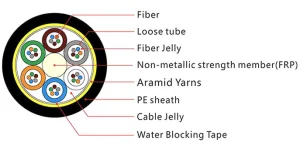
Spiral steel armored layers inside the cable protect the optical core from rodent damage and crush forces, sustaining short-term tensile loads of up to 800N without altering attenuation values.
| Parameter / Specification Metric | Single-Mode (SMF) G.657.A2 | Multi-Mode (MMF) OM3 / OM4 | Testing Reference Standard |
|---|---|---|---|
| Operating Wavelength | 1310nm, 1550nm | 850nm, 1300nm | IEC 60793-2-50 |
| Insertion Loss (Typical / Max) | 0.15 dB / 0.30 dB | 0.20 dB / 0.35 dB | IEC 61300-3-4 (Method B) |
| Return Loss (UPC / APC) | ≥ 50 dB / ≥ 60 dB | ≥ 30 dB / ≥ 35 dB | IEC 61300-3-6 |
| Min. Bend Radius (Dynamic / Static) | 20D / 10D (D=Cable Diameter) | 20D / 10D | ITU-T G.657 Recommendation |
| Operating Temperature Range | -40°C to +85°C | -40°C to +80°C | IEC 60068-2-1 / IEC 60068-2-2 |
| Ingress Protection Grade | IP67 / IP68 (Mated) | IP67 | IEC 60529 |

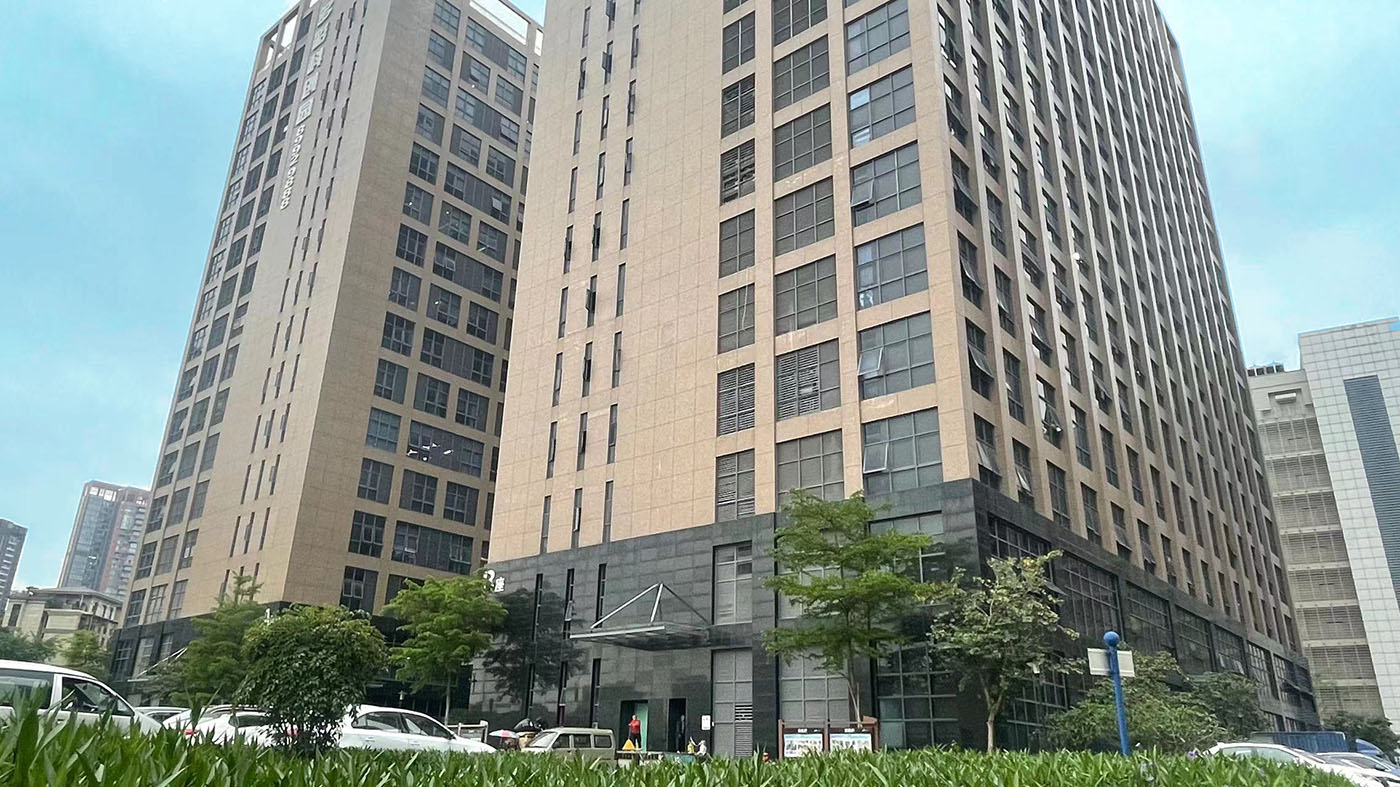
Kocent Optec Limited, established in 2012 in Hong Kong as a high-tech communication enterprise, is one of China's leading fiber optic termination product manufacturers and solution providers.
We are dedicated to developing and manufacturing fiber optic communication products ranging from passive to active categories for telecommunication networks, enterprise networks, and data centers. By leveraging our extensive experience and excellent production capacity we have gained over the years, we magnify the outcome for our valuable customers, which ultimately expands their core competencies and helps them outperform competitors. We place emphasis on customer collaboration, and we define ourselves as your valuable partner in fiber optic connection solutions. We believe our differentiators are your perceived advantages.
With more than 13 years of experience in manufacturing telecommunication fiber optic products, we follow strictly fiber optic industry standards by using mature scientific methods to deliver your products on time and ensure that 100% of products are tested and inspected before shipment.
Our OEM and ODM products have won international tenders and serve critical network infrastructure for leading carriers worldwide:
Analyzing custom implementations of CPRI cabling across various geographic regions and environmental conditions.
Deployed in metropolitan areas where space is constrained and high capacity is required. Multi-core CPRI patch cords are bundled inside a single jacket to simplify tower routing, reduce wind load profiles, and optimize installation efficiency.
Utilized by major telecom operators in regions such as Southeast Asia and coastal South America. These environments demand salted mist resistance and anti-corrosion properties. Stainless steel connectors and salt-resistant outer jackets prevent signal loss over years of exposure.
Engineered for deployments in Northern Europe, North America, and high-altitude regions. Our custom-compounded PU jackets maintain flexibility down to -40°C, ensuring that structural stress does not induce micro-bending attenuation in the fiber cores.
Years of sales and service experience have enabled us to win customers from different regions. Today, we have customers from East Asia, Southeast Asia, Middle East, Eastern Europe, Western Europe, Northern Europe, South America, North America, North Africa, and South Africa.
Win-win cooperation is our constant goal. Many of our OEM and ODM products have won Telecom Operator tenders and satisfy demanding end-user requests. We maintain strict control over our raw material suppliers, selecting only premium optical glass and precision ceramic ferrules to guarantee long-term alignment stability.
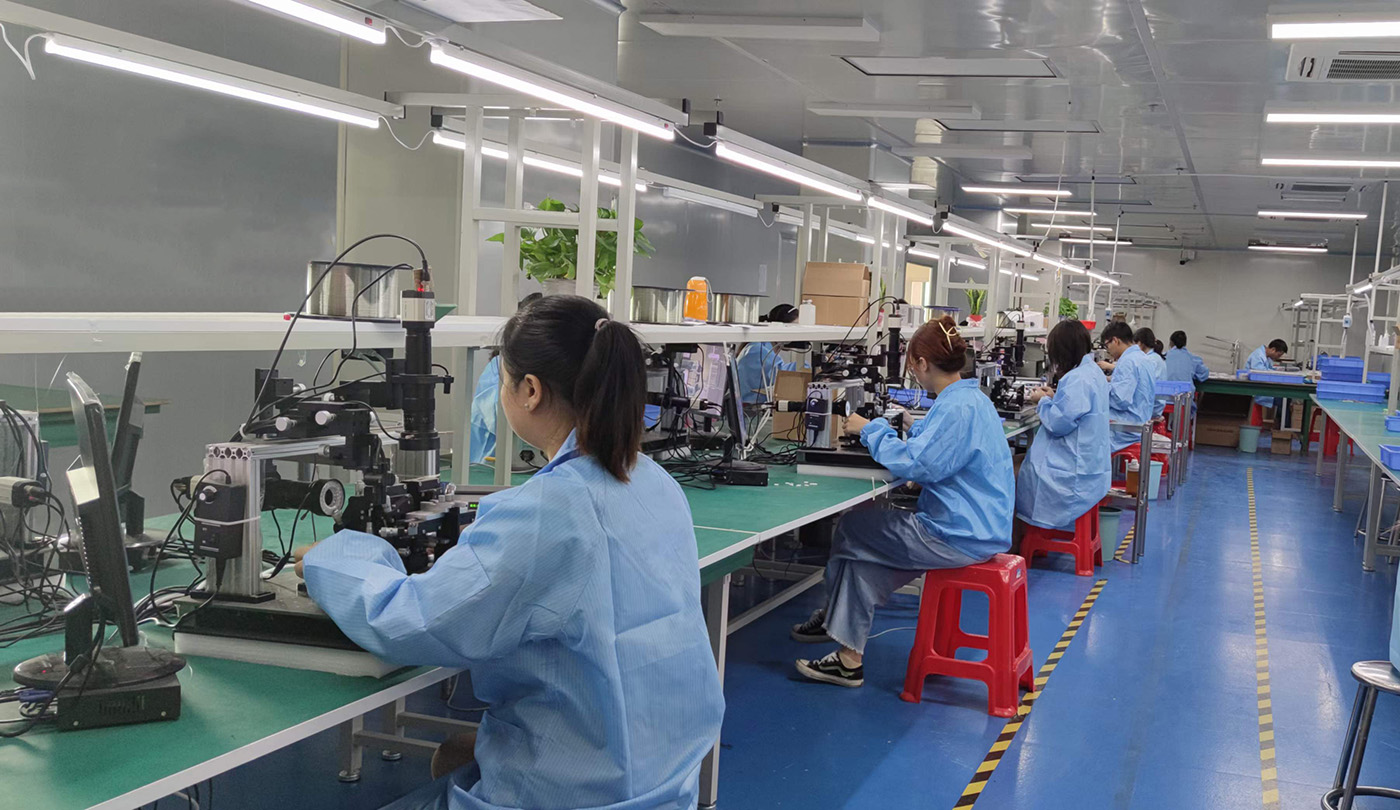
Furthermore, by optimizing automated optical polishing lines and high-throughput optical testing systems at our manufacturing site, we successfully reduce production overheads. This structural efficiency allows Kocent Optec to deliver cost-effective pricing to global buyers while outperforming industry standards for return loss and visual endface quality.
As network operators upgrade from 4G LTE to 5G NR and beyond, the transmission requirements of the fronthaul link undergo significant shifts.
The standard CPRI protocol was originally designed to transmit digitized radio frequency (IQ) data, requiring a constant transmission capacity proportional to the system's bandwidth and antenna configuration. This created a high bandwidth demand on the optical link. The emergence of eCPRI (Enhanced CPRI) changes this paradigm by shifting functional splits within the physical layer of the base station architecture.
By moving part of the physical layer processing to the Remote Radio Unit (now known as the O-RU or Active Antenna Unit - AAU), eCPRI reduces the required optical fronthaul bandwidth by up to ten times compared to legacy CPRI, while supporting advanced 5G features like Massive MIMO. This technological evolution updates the requirements for optical fiber components:
Kocent Optec continues to track these developments. Our manufacturing processes are set up to produce custom eCPRI-compliant fiber systems, supporting telecommunication service providers in transitioning to high-bandwidth, open-architecture networks.
Answering common technical questions about the selection, deployment, and optimization of optical CPRI patch cords.
A CPRI patch cord links the Baseband Unit (BBU) and the Remote Radio Unit (RRU) in wireless cell towers. It transmits high-speed optical digitized RF signals over Fiber-to-the-Antenna (FTTA) links with low latency and low attenuation.
Single-mode fiber is standard for macro-cell base stations due to its low attenuation and high bandwidth over long distances (typically from 100 meters up to 10-20 kilometers). Multi-mode fiber is usually restricted to short-distance setups under 150-300 meters.
An IP67 rating ensures the optical connector is protected against dust ingress and remains water-resistant when submerged in up to 1 meter of water for 30 minutes. This prevents moisture-induced reflection losses in variable outdoor conditions.
Yes, legacy CPRI optical cables can support eCPRI signals if they meet the necessary bandwidth and optical performance criteria. Upgrading to eCPRI often requires 25G optical transceivers, which demand high-quality single-mode fiber to minimize dispersion losses.
Common designs include FullAXS (compatible with TE Connectivity), NSN (compatible with Nokia), PDLC, and ODVA. These designs feature a rugged bayonet or slide-lock outer sleeve over a standard LC-Duplex connector, protecting the inner interface.
If manufactured with high-quality UV-stabilized jackets (such as LSZH or PU) and optical glass conforming to ITU-T standards, an armored outdoor CPRI cable is designed for a service life of 15 to 20 years under typical environmental conditions.
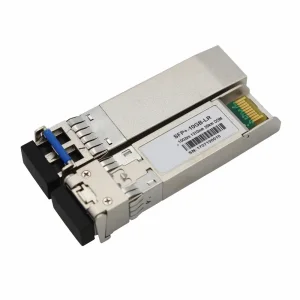
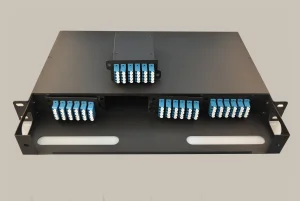
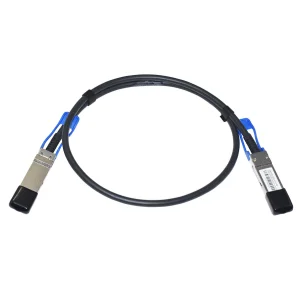
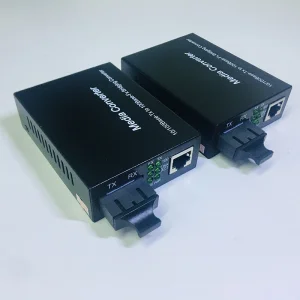
Select high-performance fiber interconnect components, passive attenuators, transceivers, and distribution patch solutions.
 KOCENT OPTEC