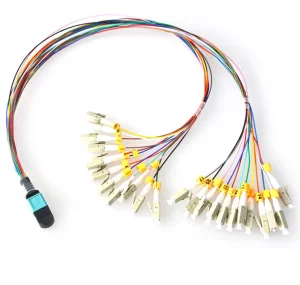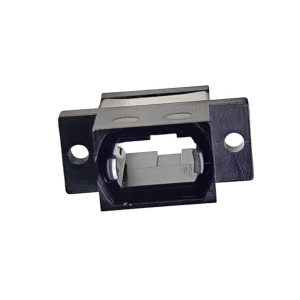
In modern optical distribution networks (ODN) and hyper-scale cloud data centers, the choice of fiber management infrastructure represents a crucial determinant of total cost of ownership (TCO) and long-term signal integrity. When searching for cheap fiber adapter panel quotes, engineering stakeholders must look beyond initial acquisition costs to analyze the long-term impact on optical insertion loss (IL), reliability, compatibility, and space utilization.
Fiber adapter panels act as the physical connection interfaces within patch panels, rack mounts, and enclosure cabinets. Selecting modular solutions that maximize port density while facilitating seamless maintenance reduces physical footprints, simplifies cabling pathways, and optimizes the return loss profile across massive network architectures.

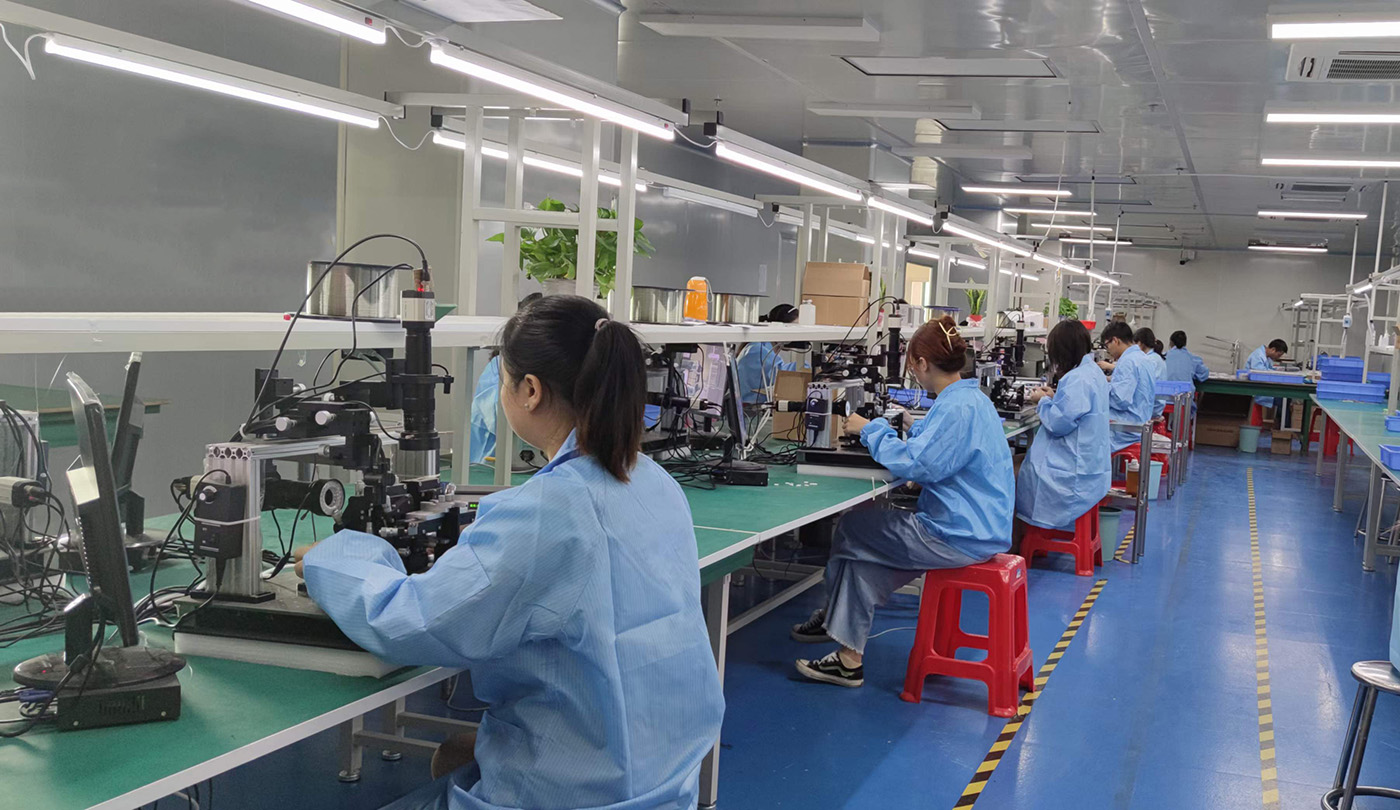
Established in 2012 in Hong Kong as a high-tech communication enterprise, Kocent Optec Limited has emerged as one of China's premier fiber optic termination product manufacturers and system solution providers. We specialize in designing, engineering, and fabricating cutting-edge passive and active components to drive critical telecommunication networks, enterprise infrastructures, and next-generation data centers globally.

By leveraging our extensive manufacturing expertise, advanced engineering methodologies, and scalable production capacity, we amplify the values and operational capacities of our global customers. We align ourselves not merely as a component supplier, but as a strategic partner in fiber optic connection solutions.
Our operational ethos guarantees that every fiber adapter panel, transceiver, patch cord, and splitter leaving our facility complies with international telecommunication standards. This relentless attention to detail ensures optimal insertion loss parameters, robust physical strain relief, and absolute interoperability.
For network engineers, structural integrity and optical performance are non-negotiable. Below is a detailed technical analysis of fiber adapter panels and their role in minimizing loss budgets.
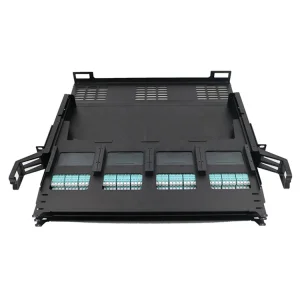
Adapter panels are standardized to fit 1U, 2U, or 4U rack mounts. Common footprints include LGX-compatible configurations, high-density (HD) slide-out formats, and ultra-high-density (UHD) cassettes. Port configurations range from 6-port, 12-port, 24-port LC Duplex to dense MTP/MPO interfaces that consolidate up to 144 fibers within a single rack unit.
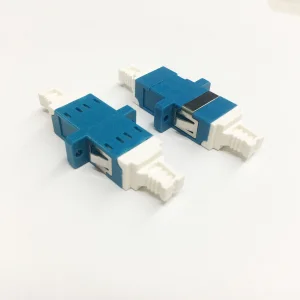
The central component of any fiber optic adapter is the alignment sleeve. Zirconia ceramic sleeves offer microscopic precision for single-mode fiber alignment, maintaining an average insertion loss below 0.1dB. Phosphor bronze sleeves are generally reserved for multimode applications where mechanical tolerances are slightly less demanding.
With modular OEM configurations, manufacturers offer customized blanking plates and modular adapter brackets (LC, SC, ST, FC, MPO). This elasticity allows field technicians to deploy hybrid singlemode and multimode networks, consolidating legacy equipment with advanced high-speed active links.
The global fiber optic infrastructure market is undergoing a seismic shift. Major operators, hyperscale cloud vendors, and telecom engineering firms face continuous cost pressure. However, sourcing cheap fiber adapter panels must never compromise physical reliability.
A proper procurement framework evaluates Total Cost of Ownership (TCO). Lower-quality adapters from unverified factories often suffer from:
By sourcing directly from certified Chinese manufacturers like Kocent Optec, global buyers secure wholesale price advantages while maintaining strict compliance with GR-326-CORE and RoHS standards, reducing risk and capital expenditure.
Fiber adapter panels are critical node elements. Different macro environments demand distinct operational configurations.
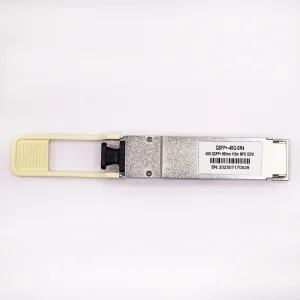
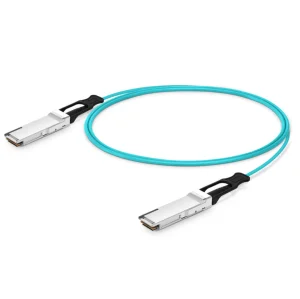
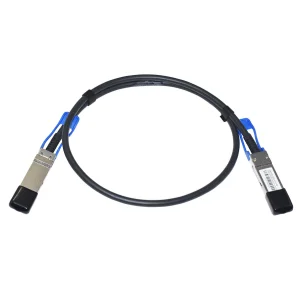
Hyperscale environments demand maximum space optimization. 1U chassis loaded with high-density MTP/MPO adapter panels streamline horizontal distribution. These setups interface directly with 40G/100G transceivers and active optical cables (AOC), minimizing cable congestion and easing airflow within server racks.
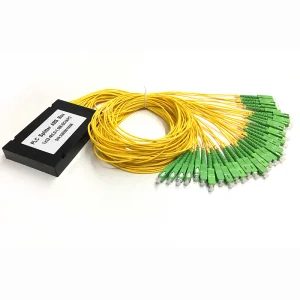
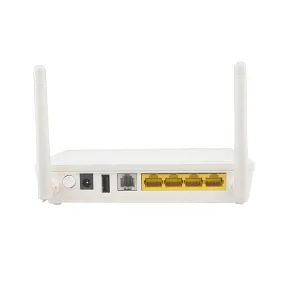
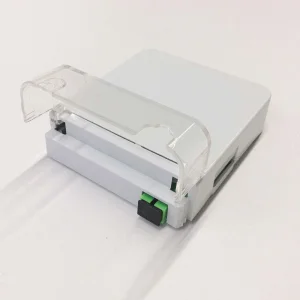
FTTH networks utilize optical splitters (such as PLC 1x32 ABS box configurations) to distribute bandwidth. Field-deployed outdoor distribution cabinets use robust, simplex SC or duplex LC adapter panels to ensure environmental resilience, easy subscriber provisioning, and simple diagnostic tracing.
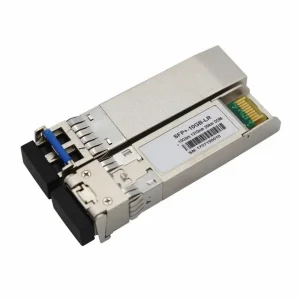
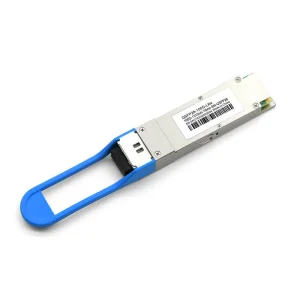
Global telecommunications links rely on long-haul singlemode fibers. Here, adapter panels must offer ultra-low insertion losses to support high-power transceivers (like 100G LR4 SMF and SFP+ 10G LR modules). Heavy-duty enclosure systems integrate splice trays directly with LC/UPC adapter panels.
A primary indicator of E-E-A-T (Expertise, Experience, Authoritativeness, Trustworthiness) is a manufacturer's capacity to pass strict regulatory audits and achieve localized compliance across different geographic regions. Kocent Optec Limited has built a supply ecosystem capable of servicing telecom networks globally.
Our products are successfully deployed in projects for major tier-1 telecom operators worldwide. Our client base spans East Asia, Southeast Asia, Middle East, Eastern Europe, Western Europe, Northern Europe, South America, North America, North Africa, and South Africa.
Our main terminal telecom operators include but are not limited to: SingTel, Vodafone, America Movil, Telefonica, Bharti Airtel, Orange, Telenor, VimpelCom, TeliaSonera, Saudi Telecom, MTN, Viettel, Bitel, VNPT, Laos Telecom, MYTEL, Telkom, Telekom, Entel, FiberTel, StarFiber, Ooredoo, Beeline, Azercell.
Achieving tender approvals for these telecom operators requires rigorous adherence to technical standards. We provide fully documented test reports for every batch, including mechanical pull tests, visual ferrule inspections, and insertion/return loss metrics.
As transmission rates evolve from 100G and 400G to 800G and 1.6T, physical layer fiber connectivity must adapt to avoid becoming a bandwidth bottleneck.
Traditional adapter specifications allow an insertion loss limit of 0.2dB to 0.3dB. Next-generation ULL adapters push this performance boundary down to ≤0.1dB. This optimization preserves the tight optical loss budgets required by advanced modulation formats like PAM4 in high-speed optical transceivers.
The industry is moving toward VSFF connectors, such as CS, MDC, and SN. These designs replace standard duplex LC interfaces to double or triple density within the patch panel. In this context, adapter panels must adapt to accommodate these miniaturized couplers while maintaining structural stability.
Smart patch panels are integrating optical sensors directly into the adapter matrix. These smart adapters detect physical connections in real-time, helping IT administrators map complex cross-connect routing and alert support teams of accidental fiber disconnections instantly.
 KOCENT OPTEC