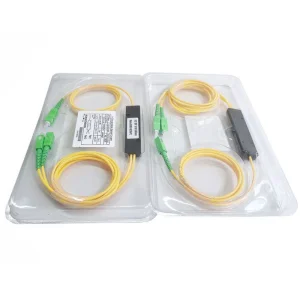
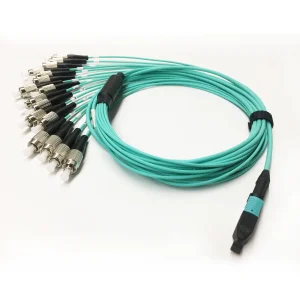
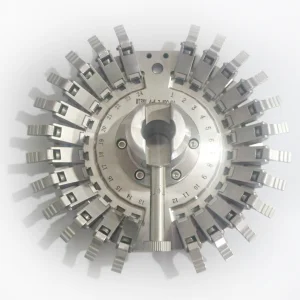
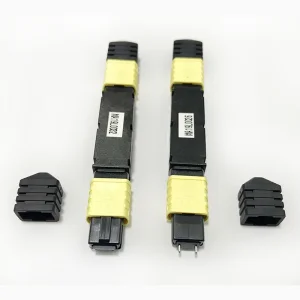
Explore our state-of-the-art range of passive and active optical components engineered for high-density architectures.
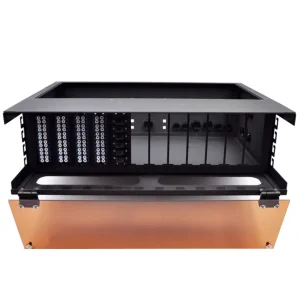
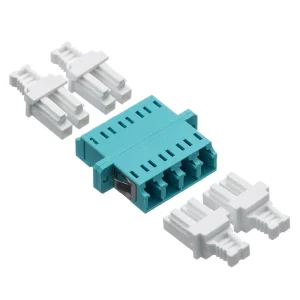
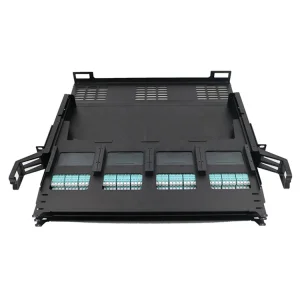
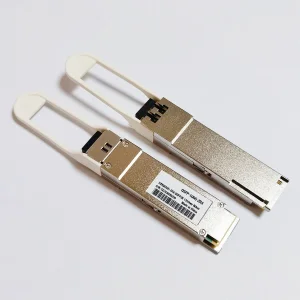
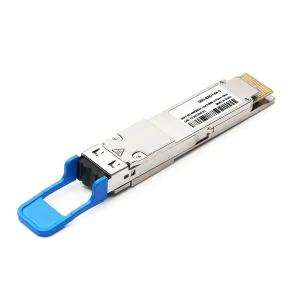
As artificial intelligence (AI), machine learning (ML) clusters, and cloud hyperscale architectures drive data traffic exponentially, the backbone networks connecting compute nodes require unprecedented data transmission capabilities. 400G QSFP-DD (Quad Small Form-factor Pluggable Double Density) has emerged as the definitive global standard to meet these throughput demands.
By implementing advanced PAM4 (Pulse Amplitude Modulation 4-level) signaling schemes and integrating Silicon Photonics or Electro-absorption Modulated Lasers (EML), 400G transceivers double the density of standard QSFP architectures. This allows network operators to optimize space, reduce thermal footprints, and lower the overall cost-per-bit in next-generation high-bandwidth applications.
In this high-performance computing paradigm, choosing the right manufacturer in China—the global powerhouse for optoelectronic assembly—is vital. Western companies, telecom operators, and cloud infrastructure developers must weigh factors including thermal design power (TDP), Bit Error Rate (BER) margins, and multi-source agreement (MSA) compliance when requesting 400G QSFP quotes.

Understanding the technical and commercial benchmarks that define modern optical network deployments.
Deciding between different optical interface standards is critical for minimizing capital expenditure and maximizing reach.
| Module Type | Wavelength (nm) | Connector Type | Max Reach | Laser Source / Modulation | Typical Application |
|---|---|---|---|---|---|
| 400G SR8 | 850nm | MPO-16 / MPO-12 | 100m (OM4) | VCSEL / PAM4 | Intra-rack, switch-to-switch in data centers |
| 400G DR4 | 1310nm | MPO-12 | 500m | Silicon Photonics / PAM4 | Hyperscale breakout connections to 100G DR |
| 400G FR4 | CWDM4 (1271-1331) | Duplex LC | 2km | EML / PAM4 | Inter-switch connection across halls |
| 400G LR4 | LWDM4 (1295-1309) | Duplex LC | 10km | EML / PAM4 | Metropolitan Area Networks (MAN) & campuses |
| 400G ZR / ZR+ | C-band Coherent | Duplex LC | 80km - 120km | Tunable Laser / DWDM QAM | IP-over-DWDM, Long-haul regional networks |
Understanding where the optical communication industry is heading in the next 3 to 5 years.
While 400G QSFP is currently the sweet spot for global deployments due to mature yields and cost efficiencies, leading hyperscalers are already testing 800G QSFP-DD and OSFP solutions. The manufacturing framework established for 400G PAM4 directly paves the way for 800G designs utilizing 112Gbps electrical lanes.
Power consumption is the single biggest operational challenge in modern datacenters. Industry innovators are focusing on Linear Pluggable Optics (LPO) and Co-Packaged Optics (CPO) to remove standard DSPs from the module, dramatically reducing power consumption and latency for clustering AI nodes.
Silicon Photonics integration enables manufacturers to print optical circuits directly on silicon wafers, replacing discrete EML and lenses. This reduces component counts, increases yields, and significantly improves the long-term reliability of high-speed transceivers.
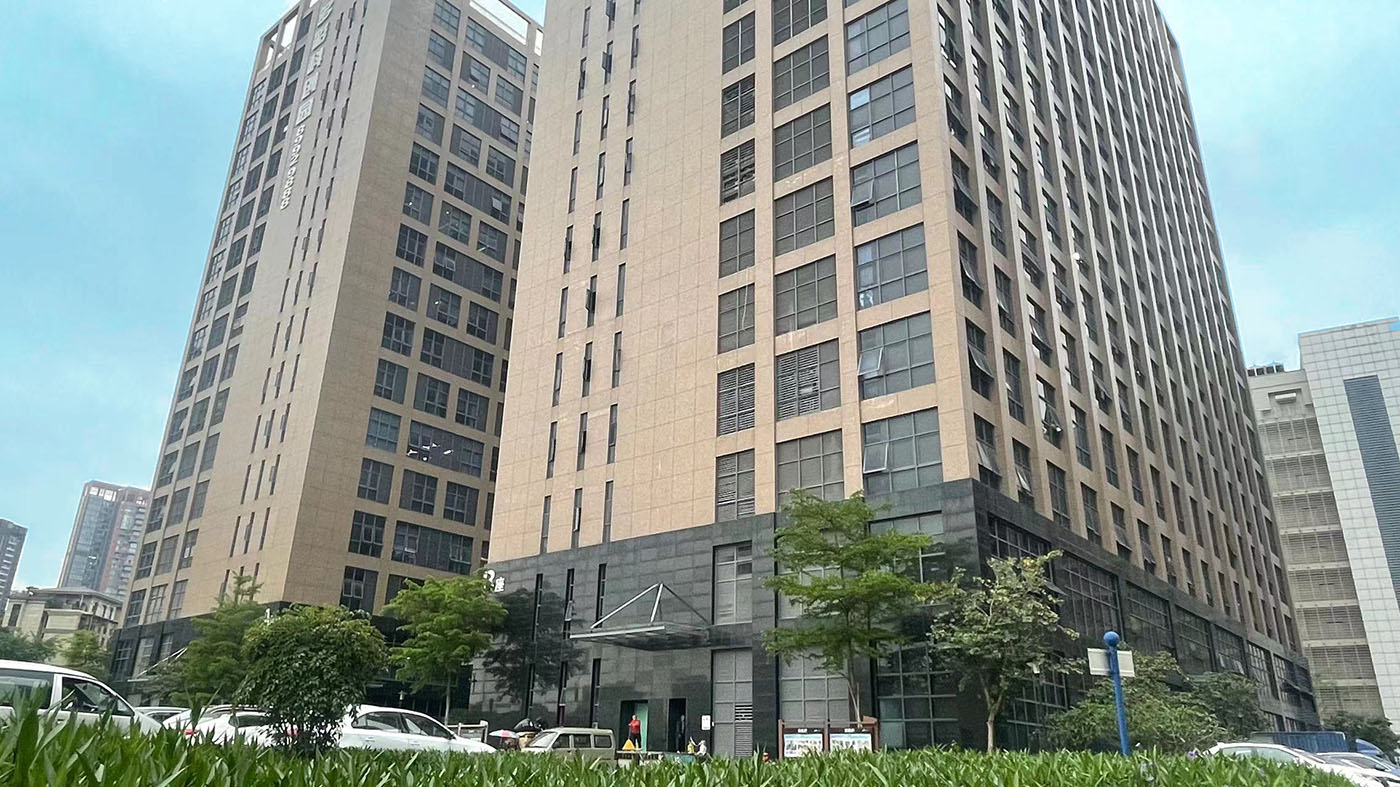
China is home to the most complete optoelectronic supply chain globally. From active laser chips and passive optical sub-assemblies (OSA) to automated testing hardware, the ecosystem in regions like Shenzhen and Wuhan offers unmatched cost efficiencies.
By leveraging advanced packaging automation, such as high-accuracy die bonders and automatic optical alignment systems, Chinese factories achieve scale economies that western suppliers cannot match. Crucially, this efficiency does not mean compromised quality. By adhering strictly to multi-source agreements (MSA) and Telcordia standards, top-tier vendors deliver identical performance matrices at significantly lower unit prices.
KOCENT OPTEC LIMITED, established in 2012 in Hong Kong as a high-tech communication enterprise, stands out as one of China's premier fiber optic termination product manufacturers and solution providers. We are dedicated to developing and manufacturing fiber optic communication products ranging from passive to active categories for telecommunication networks, enterprise networks, and data centers.
With more than 13 years of experience in manufacturing telecommunication fiber optic products, we strictly follow fiber optic industry standards by using mature scientific methods to deliver your products on time and ensure that 100% of our products are tested and inspected before shipment.
Our commitment to quality assurance involves rigorous testing of active components. Every single transceiver is run through advanced traffic testers to analyze real-world packet transmission. We test across temperature variations to guarantee stability in different datacenter configurations, ensuring thermal dissipation capabilities meet MSA specifications.
By leveraging our extensive experience and excellent production capacity we gained over the years, we magnify the outcome for our valuable customers, which ultimately expands their core competencies and helps them outperform competitors. We place emphasis on customer collaboration, and we define ourselves as your valuable partner in fiber optic connection solutions.
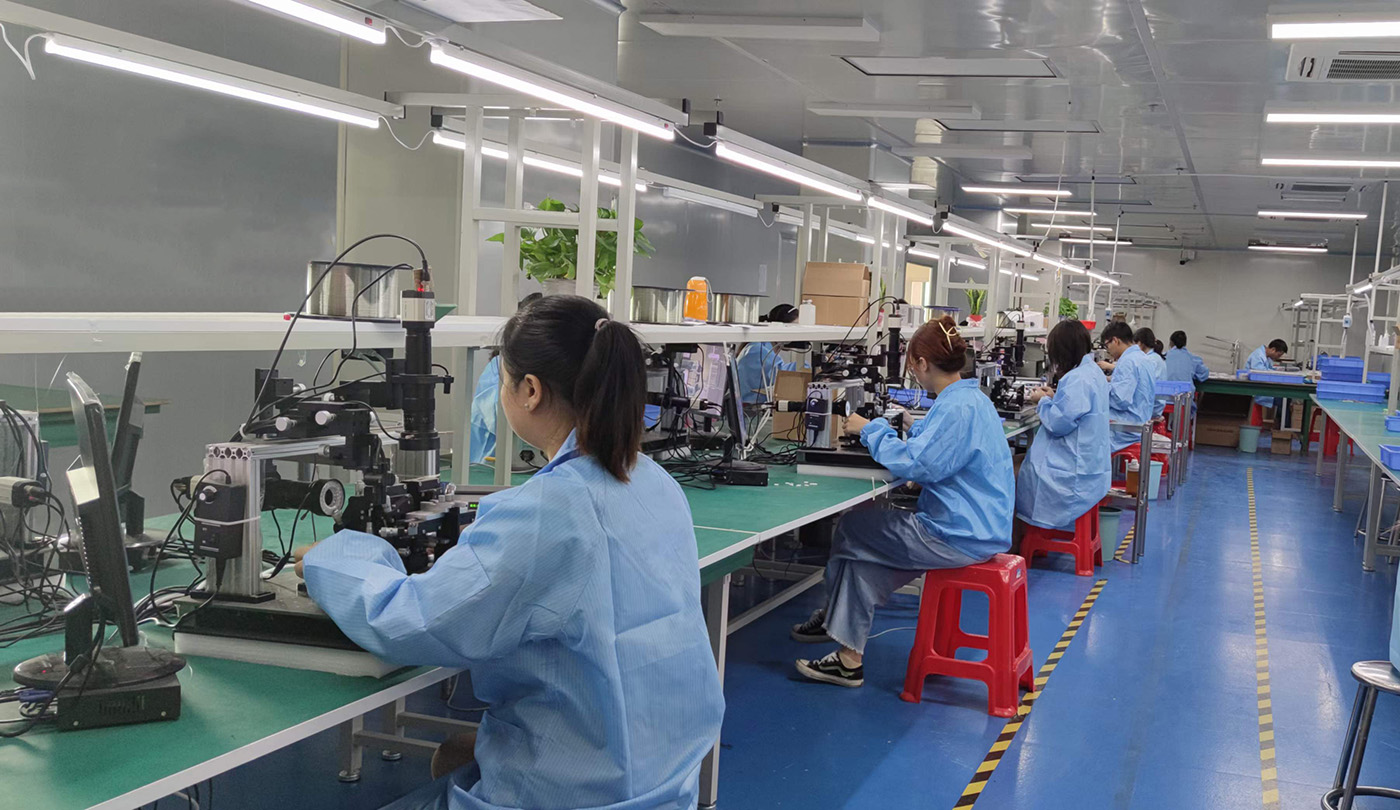
Years of sales and service experience have enabled us to win customers from East Asia, Southeast Asia, Middle East, Europe, and the Americas. Many of our OEM and ODM products have won Telecom Operator tenders globally.
Providing clear, technical answers to critical sourcing and architectural questions about 400G optical solutions.
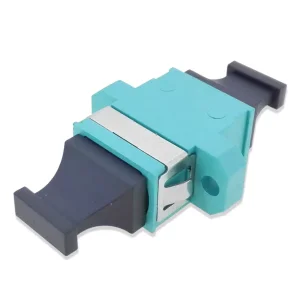
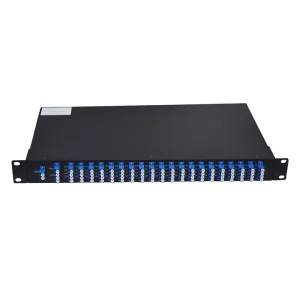
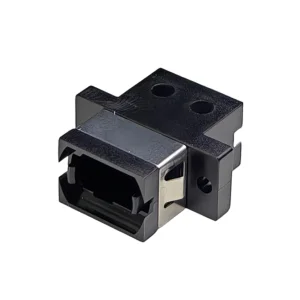
Ensure complete transmission reliability with our specialized adapters, DWDM multiplexers, transceivers, and cleaning solutions.
 KOCENT OPTEC