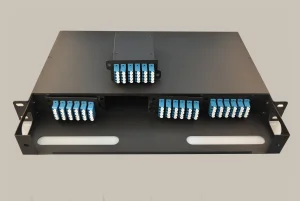
Explore our elite range of high-density optical fiber solutions and 100G/25G high-speed interconnect products built to demanding global standards.
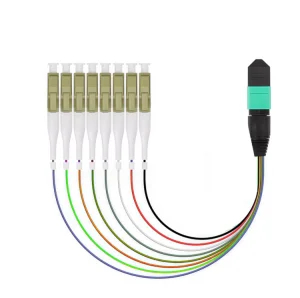
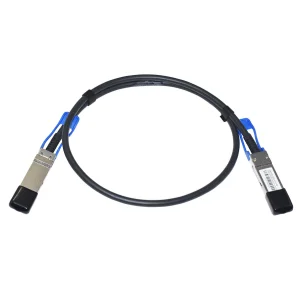
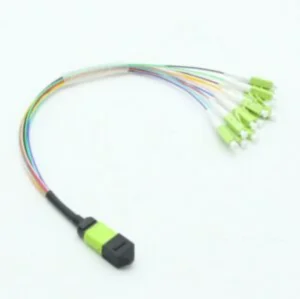
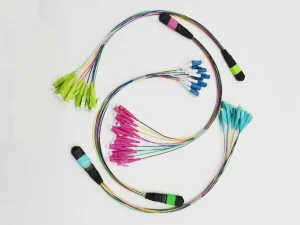
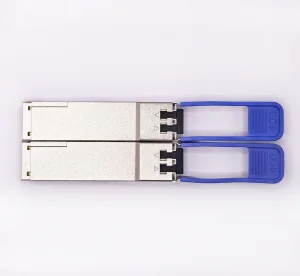
As international data requirements scale exponentially, global network architectures are transitioning from legacy 10G networks directly to 25G Ethernet. This strategic shift serves as the cornerstone for subsequent transitions to 100G, 400G, and 800G frameworks. Utilizing single-lane 25Gbps serializer/deserializer (SerDes) technology, 25G optical transceivers—specifically the SFP28 and 25G QSFP form factors—provide 2.5 times the bandwidth of traditional 10G SFP+ modules while maintaining matching space constraints and significantly lower operational expenses.
For cloud providers, Hyperscale data centers, and telecommunication carriers, 25G offers the most efficient cost-per-gigabit ratio. By reducing cabling complexity and minimizing system power draw, global operators are deploying 25G transceivers to resolve transmission bottlenecks between access switches and servers.
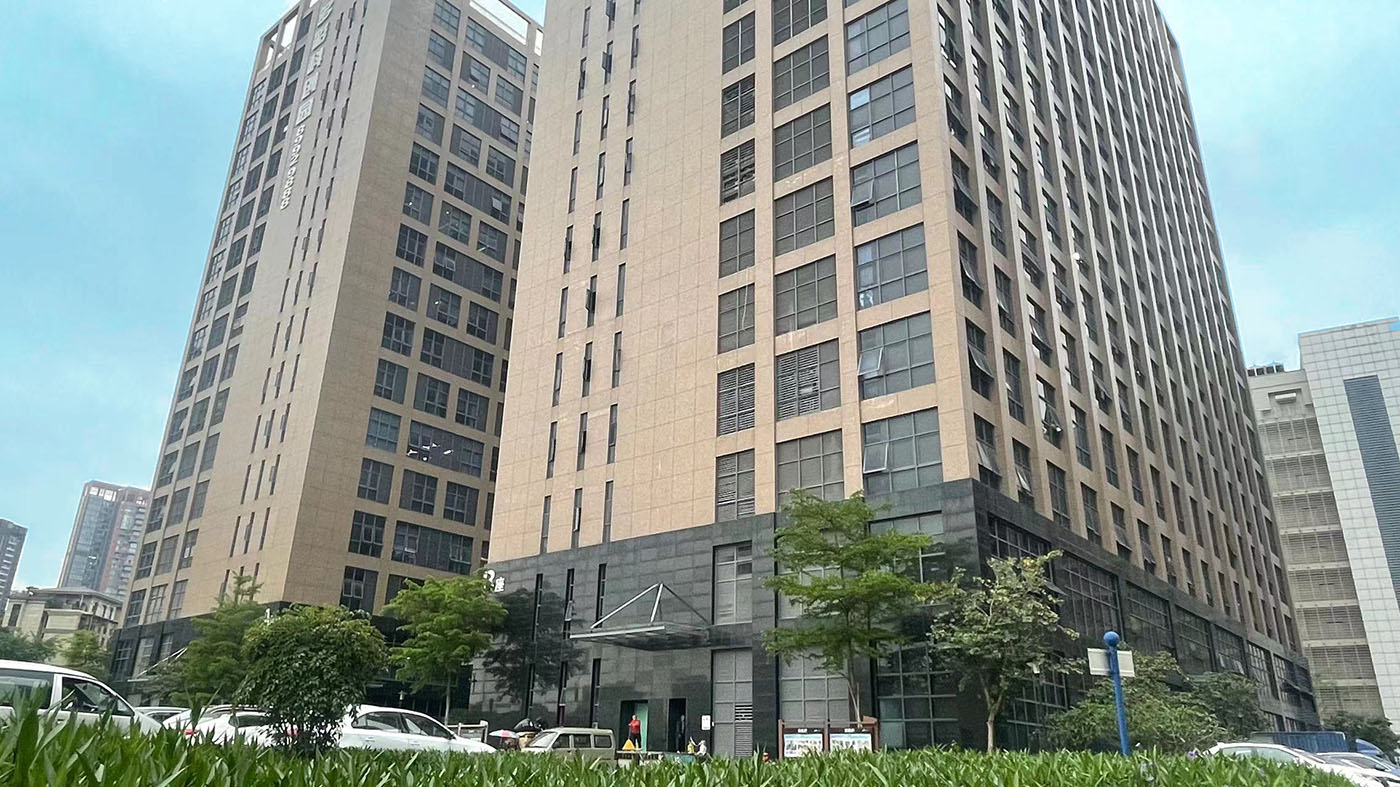
Understanding the massive deployment of 25G QSFP and SFP28 transceivers across multi-tier networks.
In modern 5G networks, the Common Public Radio Interface (eCPRI) relies heavily on 25G SFP28 and custom QSFP configurations to transport vast bandwidth between baseband units (BBUs) and remote radio heads (RRHs).
Enterprise environments are leveraging Top-of-Rack (ToR) architectures, moving away from 10G links toward 25G interfaces to prevent latency issues and support intensive virtualization workloads.
Standardization governed by IEEE 802.3by and the SFF-8402 multisource agreement (MSA) ensures that 25G QSFP family architectures deploy easily in mixed-vendor network environments.
Delivering high-quality optical components and customized OEM/ODM services globally.

Establish in 2012 in Hongkong as a hi-tech communication enterprise, Kocent Optec Limited is one of China's leading fiber optic termination product manufacturer and solution provider.
We're dedicated to developing and manufacturing fiber optic communication products ranging from passive to active categories for telecommunication networks, enterprise networks and data centers.
By leveraging our extensive experience and excellent production capacity we gained over the years, we magnify the outcome for our valuable customers, which ultimately expands their core competencies and helps them outperform competitors. We place emphasis on customer collaboration, and we define ourselves as your valuable partner in fiber optic connection solutions. We believe our differentiators are your perceived advantages.
China is the global heartland of optoelectronics. Factories in manufacturing clusters like Shenzhen and Wuhan optimize supply chains, securing immediate access to optical chips, TO-cans, and specialized ceramic ferrules. Our advanced facilities offer:
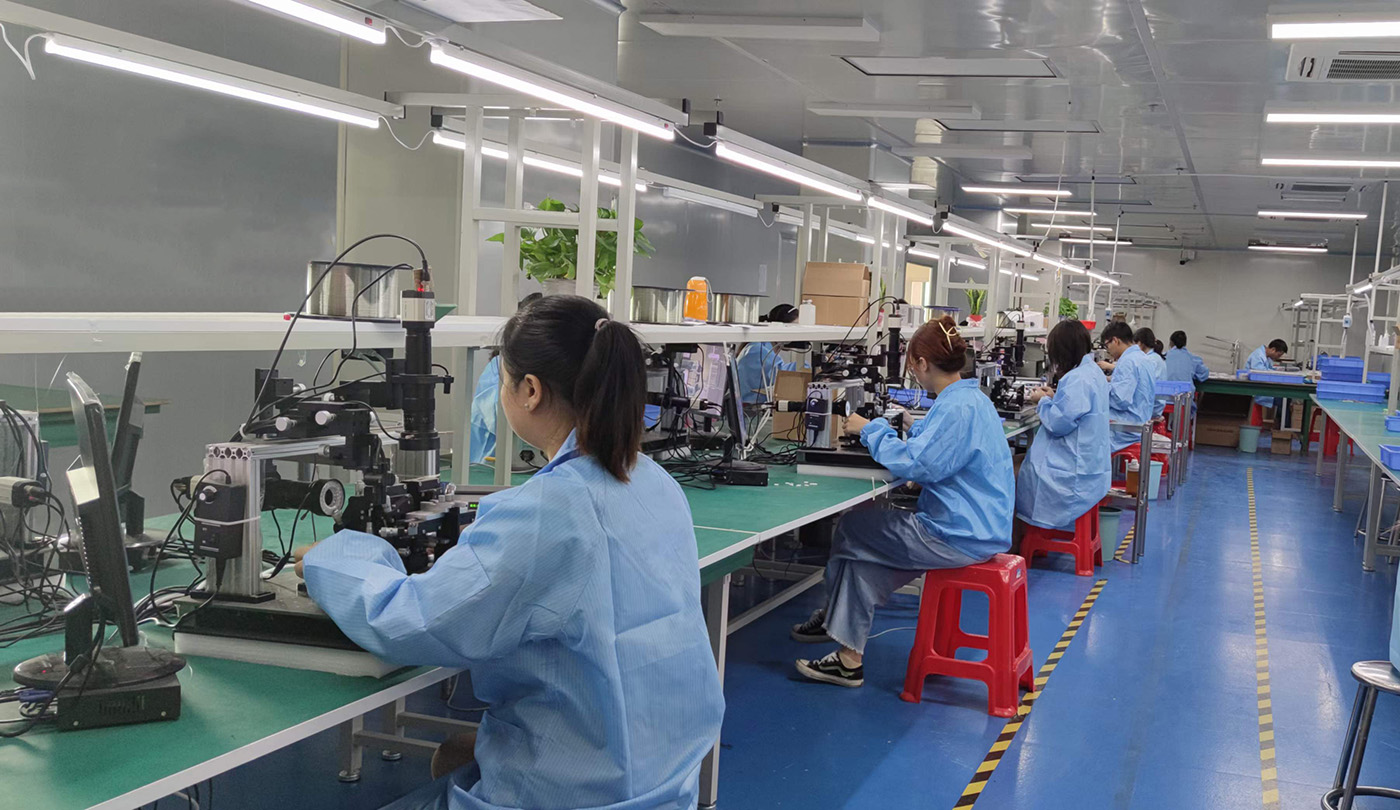
Years of sales and service experience have enabled us to win customers from different regions.
Today, we have customers from East Asia, Southeast Asia, Middle East, Eastern Europe, Western Europe, Northern Europe, South America, North America, North Africa, and South Africa. Win-win cooperation is our constant goal. Many of our OEM and ODM products won Telecom Operator tenders and satisfy strict end-user requests.
Our main terminal telecom operators include:
SingTel, Vodafone, America Movil, Telefonica, Bharti Airtel, Orange, Telenor, VimpelCom, TeliaSonera, Saudi Telecom, MTN, Viettel, Bitel, VNPT, Laos Telecom, MYTEL, Telkom, Telekom, Entel, FiberTel, StarFiber, Ooredoo, Beeline, Azercell.
A professional reference table for networking engineers selecting high-speed physical layer links.
| Transceiver Form Factor | Lane Configuration | Maximum Data Rate | Power Consumption (Typical) | Primary Physical Interface | Optimal Deployment Scenarios |
|---|---|---|---|---|---|
| 25G SFP28 | 1x 25 Gbps (Electrical & Optical) | 25.78 Gbps | < 1.5W | LC Duplex / MPO | 5G Fronthaul (eCPRI), Server-to-Switch links |
| 40G QSFP+ | 4x 10 Gbps | 41.25 Gbps | < 3.5W | MPO-12 / LC Duplex | Legacy Enterprise Core, Leaf-Spine distribution |
| 100G QSFP28 | 4x 25 Gbps | 103.1 Gbps | < 4.0W | MPO-12 / LC Duplex | Hyperscale Interconnects, Data Center Spine-to-Spine |
Integrating 25G links into telecommunication infrastructure requires balancing several critical elements. Operating at higher baud rates narrows tolerances for chromatic dispersion and signal attenuation:
Technical clarifications on 25G and high-density fiber deployments.
High-quality components for comprehensive end-to-end optical fiber distribution.
 KOCENT OPTEC