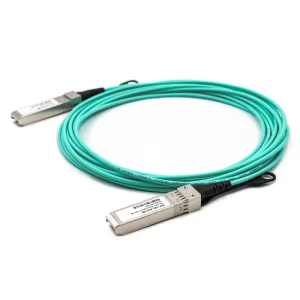
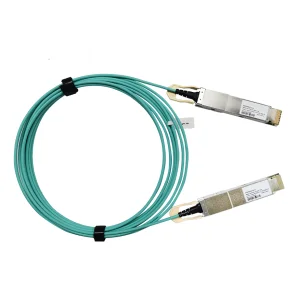
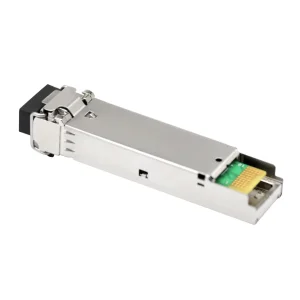
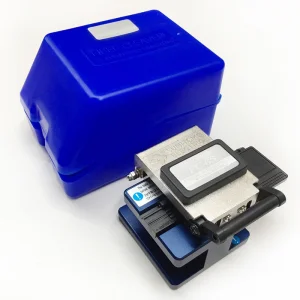
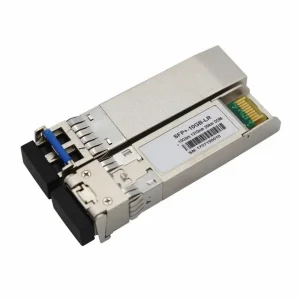
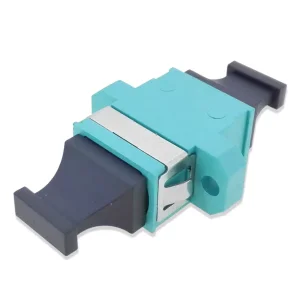
Explore our engineered line of high-performance passive fiber hardware, optical transceivers, and accessories.
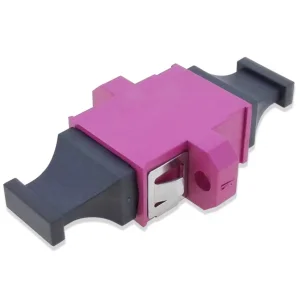
In modern enterprise networks and hyperscale datacenters, migration paths to 40G, 100G, 400G, and 800G optical Ethernet demand an architectural pivot from traditional Base-12 cabling systems to high-efficiency Base-8 fiber routing solutions. Using an 8 core fiber optic cable eliminates the physical media overhead common to older layouts where transceivers like QSFP+ and QSFP28 are implemented.
QSFP-based transceivers leverage four discrete channels for transmitting (Tx) and four for receiving (Rx). When mapped over a traditional 12-fiber MTP/MPO connector, the middle four fibers remain unused or "dark," introducing a 33% waste of structural glass investments. By implementing a standardized 8-core design, network architects utilize 100% of the fiber cores, maximizing physical conduit space, reducing trunk cable weight, and streamlining testing procedures.
From a physics standpoint, 8 core single-mode (OS2) and multi-mode (OM3/OM4/OM5) cables are optimized to balance tensile load characteristics and macrobend performance. By employing tight-buffered or loose-tube layouts with robust central strength members, our 8-core cables resist macrobending losses down to a minimal bending radius (G.657.A2 standards), ensuring signal integrity is sustained even under challenging installations.

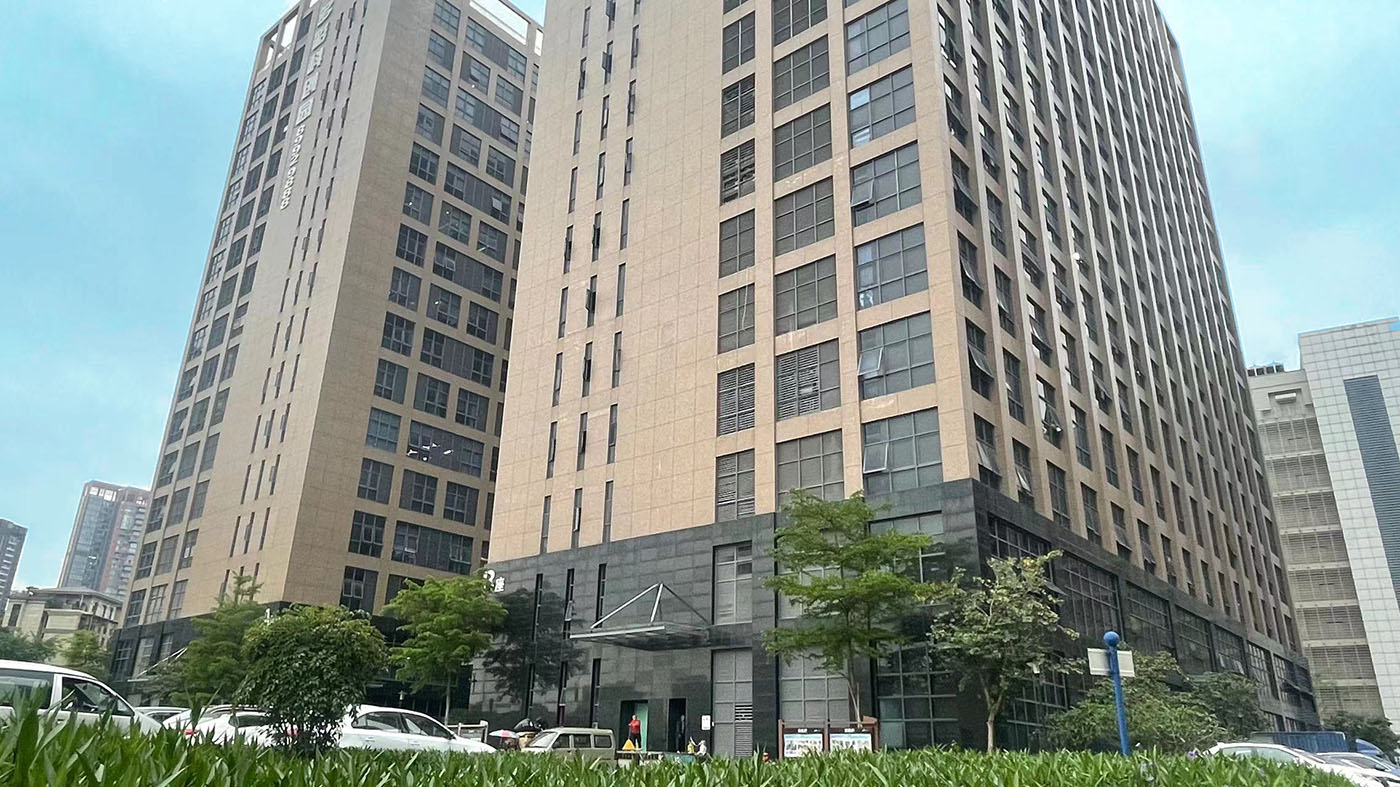
Established in 2012 in Hong Kong as a high-technology communication enterprise, Kocent Optec Limited has emerged as one of China's premier manufacturers and turnkey solution providers of fiber optic termination products. Over the course of 13+ years of dedicated engineering and production experience, we have built a diverse portfolio encompassing both passive and active categories—delivering components optimized for telecommunication grids, corporate enterprise networks, and cloud service datacenters.
Our operational model is built on long-term client collaboration. We do not view ourselves merely as an optical component factory; rather, we function as a strategic technology partner. By leveraging our deep manufacturing background and highly scalable production capacities, we enable global telecom operators and infrastructure installers to lower their Total Cost of Ownership (TCO) while improving service stability.
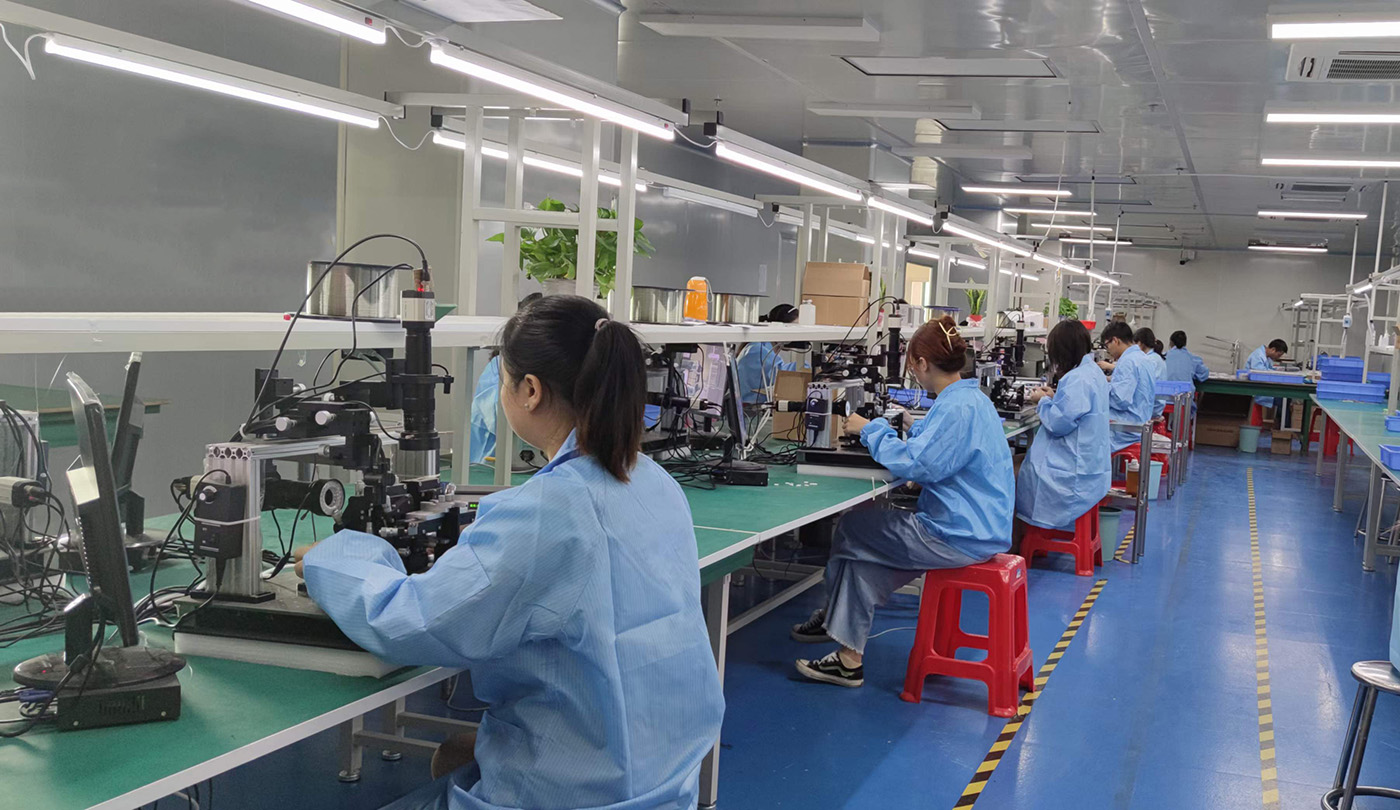
Our commitment to quality translates directly into field performance. By combining scientific manufacturing methodologies with stringent quality control gates, we ensure that every single patch cord, distribution box, transciever, and cable assembly is 100% inspected and documented prior to global dispatch.
How our integrated raw material channels and engineering gates deliver superior mechanical and optical performance.
We source only high-purity silica preforms, premium aramid yarns (Kevlar), and eco-friendly LSZH (Low Smoke Zero Halogen) compounding materials to ensure our 8-core cables satisfy absolute tensile stress limits and flame-retardant safety ratings.
Every cable termination undergoes strict optical evaluation. Utilizing state-of-the-art 3D interferometers and automated insertion/return loss test beds, we certify that every single connection surpasses Telcordia GR-326-CORE specifications.
Our centralized manufacturing base in Shenzhen allows us to scale production output seamlessly during major regional infrastructure rollouts, keeping lead times compact and global shipping schedules predictable.
Deploying fiber optic cables in diverse environmental conditions requires strict compliance with mechanical guidelines. At Kocent Optec, we conduct extreme environmental testing on all fiber series, verifying performance metrics under deep temperature cycles (-40°C to +75°C), crush testing up to 2000N/100mm, and structural tensile loads.
Our testing labs are equipped with high-resolution optical time-domain reflectometers (OTDR) and polarization mode dispersion (PMD) evaluation benches to guarantee that long-haul single-mode 8 core installations carry data over extended distances without dispersion-induced penalties.
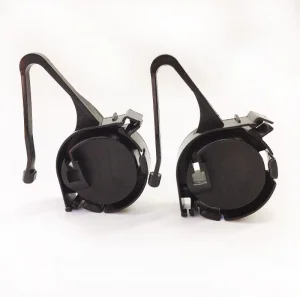
Additionally, for outdoor environments, our drop cables utilize premium jacket stabilizers (such as UV-resistant carbon black formulations) and corrosion-proof aerial accessories like the PA66 Nylon Drop Wire Clamps, extending physical grid lifespans to over 25 years.
Navigating international regulatory frameworks and logistics requirements for seamless multi-market deployments.
Our production facilities conform to ISO 9001:2015, ISO 14001, and OHSAS 18001 standards. To satisfy European procurement requisites, all fiber optic products are certified to conform to CPR (Construction Products Regulation) classifications (including Dca, Cca, B2ca fire ratings), alongside full CE, RoHS, and REACH compliance.
We provide localized customs clearings, bespoke packaging, customized label printings with integrated barcoding, and wooden drum options optimized for automated reel pay-offs, preventing micro-bending stress during field installations.
Where 8-core optical infrastructure serves as the primary backbone for modern network architectures.
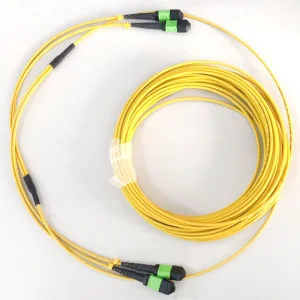
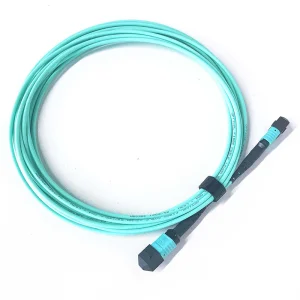
Optimized for high-density MPO patch panel trunks, enabling direct transceiver connections (QSFP+ to 4x SFP+ or QSFP28 to 4x SFP28 breakouts) without dark fibers or passive channel-conversion overhead.
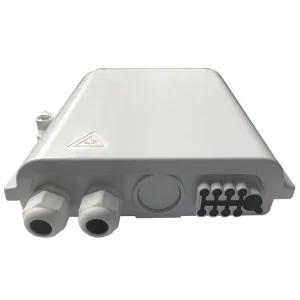
Serves as the primary distribution trunk feeding local fiber splitter boxes (like the FDB-08A). High tensile strength ensures survival in aerial layouts utilizing drop cable tension clamps.
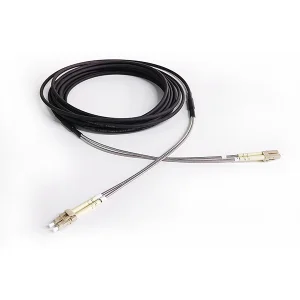
Specifically reinforced tactical cables designed with ruggedized TPU jackets, enabling field broadcast units and defense networks to establish quick communication trunks under rough terrains.
Our passive and active fiber technologies are deployed in networks spanning East Asia, the Americas, Europe, and Africa.
Through decades of sales execution and post-sales technical support, we have successfully qualified for and won major optical tenders with international telecommunication operators. Many of our OEM and ODM assemblies satisfy the stringent technical mandates of the following operators:
Understanding the technical trajectory of multi-fiber connections and high-density installations.
With artificial intelligence workloads growing, datacenters are moving towards parallel single-mode transceivers like DR8. 8-core and 16-core connector solutions represent the foundational physical layer for these low-latency links.
Faced with saturated duct space in metro areas, operators demand micro-cables with smaller diameters. Our latest designs use G.657.A2 fibers to reduce cable diameter by up to 35% without losing structural integrity.
Green construction mandates require zero toxic gas emission during fire events. The market is shifting towards LSZH and plenum-grade polymers, which are standard offerings in Kocent Optec's portfolio.
Detailed answers to direct questions regarding 8 core optical structures, termination methods, and mechanical safety.
Most QSFP-based transceivers (like 40G SR4/PSM4 and 100G SR4/PSM4) utilize 8 active fiber cores (4 transmitting and 4 receiving). Splicing a 12 core cable to these devices leaves the central 4 fibers dark, resulting in a 33% fiber loss. An 8 core cable matches the transceiver configuration perfectly, optimizing fiber usage and eliminating the cost of conversion modules.
We offer Standard Loss (IL ≤ 0.7dB) and Low Loss (IL ≤ 0.35dB) configurations. Our premium MPO/MTP terminations routinely achieve average insertion losses under 0.20dB, verified by interferometric testing to ensure minimal loss budgets.
Our aerial installation clamps are manufactured from high-grade Polyamide 66 (PA66) reinforced with UV stabilizers and fiberglass. This formulation resists solar UV decay, thermal expansion, and salt spray, maintaining mechanical tension on FTTH drop lines for decades in coastal or high-heat environments.
We provide jackets tailored for specific installation environments: LSZH (Low Smoke Zero Halogen) for standard indoor runs, OFNR (Riser) and OFNP (Plenum) for North American building codes, and double-jacketed armored layouts (with steel tape or corrugated steel armor) for direct burial and harsh outdoor conditions.
Yes, we support all three polarity standards (Type A Straight, Type B Cross, and Type C Pairwise Flipped) as defined by ANSI/TIA-568.3-D. Our engineering team helps clients match the right cable polarity to their existing switch and patch panel installations.
For standard configurations, production lead times are typically 7 to 10 working days. Because we maintain stocks of premium connector parts and fiber reels in our Chinese facilities, we can dispatch urgent, high-volume orders quickly.
Yes. Our tactical series features a specialized polyurethane (TPU) outer jacket that resists abrasion, oils, and chemicals. Combined with aramid strength members and tight-buffered fiber cores, these cables withstand repeated deployments in broadcasting, emergency routing, and field operations.
Yes, our adapters and connectors are built to international FOCIS standards, ensuring complete mechanical compatibility with premium housings and components from brands like SENKO, US Conec, and others.
Discover our active transceivers, premium modular sub-assemblies, and fiber preparation tools.
 KOCENT OPTEC