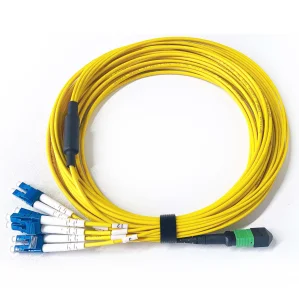
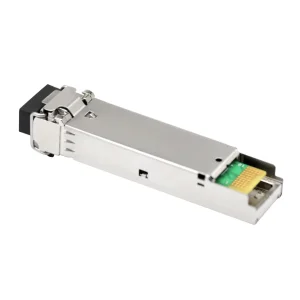
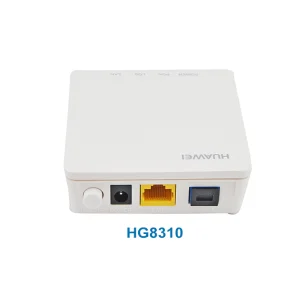
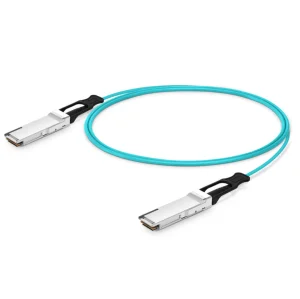
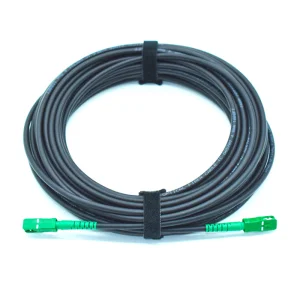
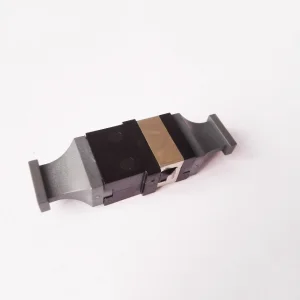
Deploying carrier-grade fiber systems requires seamless interoperability between passive infrastructure like ADSS cabling, active transceivers, and precise connectivity components. Explore our high-performance solutions.
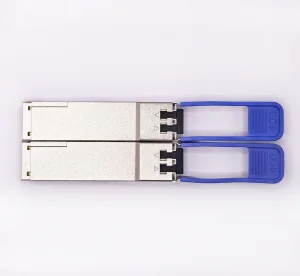
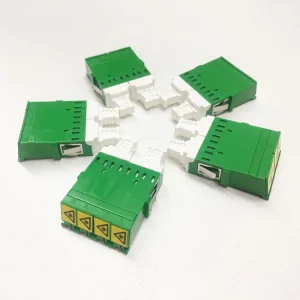
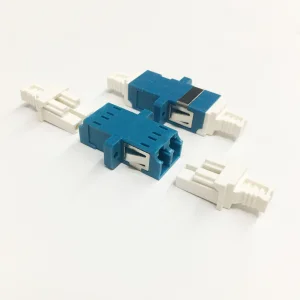
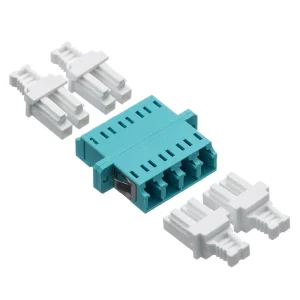
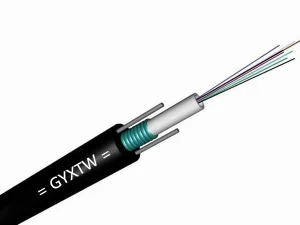
Established in 2012 in Hong Kong as a high-tech communications enterprise, Kocent Optec Limited has emerged as one of China's premier fiber optic termination product manufacturers and end-to-end optical transmission solution providers. We are systematically dedicated to research, engineering, and manufacturing fiber optic communication products spanning both passive componentry and active transceivers designed for optical utility corridors, hyper-scale data centers, enterprise networks, and metro telecommunication lines.
By utilizing our extensive vertical integration and excellent production capacities developed over more than 13 years of field-tested engineering, we design high-reliability ADSS (All-Dielectric Self-Supporting) optical cables and terminal gear. Our collaborative engineering approach ensures that our clients expand their core competencies, helping them consistently outperform operational KPIs and market competitors in reliability and deployment speeds.

Through continuous innovation and adherence to strict zero-defect manufacturing standards, we deliver robust solutions for critical communication links globally.
The global transition toward high-voltage grid digitalization and rural broadband expansion has positioned All-Dielectric Self-Supporting (ADSS) optical fiber cables at the center of critical utility assets. Unlike traditional underground fiber deployments, ADSS leverages existing overhead power transmission corridors. Because it contains no conductive metal elements, ADSS can be installed directly on energized high-voltage lines up to 500kV, reducing deployment costs by 45% compared to subterranean installations.
Market intelligence indicates that the global ADSS market is experiencing an annual growth rate exceeding 8.2% (CAGR), driven by the convergence of smart grids and clean energy. Power grids are converting standard power lines into smart telemetry channels. By integrating ADSS cables, operators obtain real-time monitoring capabilities for grid status, thermal limits, and fault prediction. At Kocent Optec, we build ADSS cables configured for high-stress zones, utilizing aramid yarn structural reinforcements that resist localized high winds, heavy ice loads, and environmental degradation.
To successfully survive decades exposed to UV rays, wind loads, and thermal expansion on power transmission towers, ADSS cables must adhere to rigorous architectural design principles. Below is an engineering review of ADSS configurations compared to standard fiber options.
For high-voltage transmission lines exceeding 110kV, the spatial electric field potential poses a risk of dry-band arcing, which can degrade standard polyethylene outer jackets. We employ specialized Tracking Resistant (AT) sheaths that prevent degradation from leakage currents.
The primary structural element supporting the cable's self-supporting layout is high-tensile aramid yarn. By modifying the volume and weave angles of our aramid configurations, we design spans from 100 meters up to 1200 meters, ensuring zero strain on the glass fibers.
Using PBT loose-tubes filled with dry-core swellable tape and thixotropic gels, Kocent ADSS cables prevent lateral water ingress. This preserves optical attenuation specs under cyclical freeze-thaw stresses in cold climates.
Operational requirements vary by climate and grid configuration. Standardizing cable types without considering regional mechanical variables leads to service degradation. Our engineering department develops localized profiles to address specific field demands:
Our OEM/ODM solutions are tailored to meet operator requirements. Many of our custom optical cables, transceivers, and adapters are engineered to meet the tender specifications of global telecom providers.
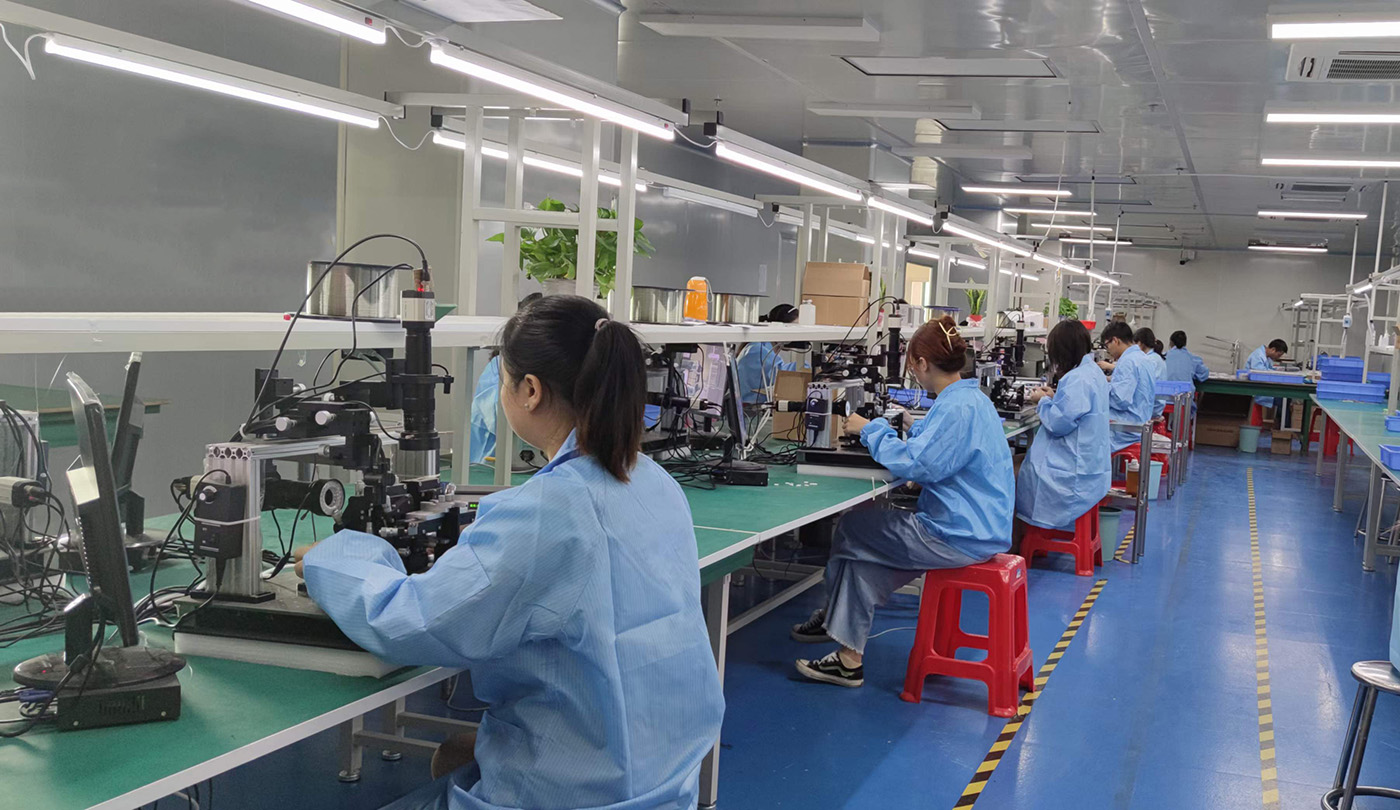
We collaborate with regional networks and major international operators. Below are some of the carriers using our passive and active connectivity platforms globally:
Below are the mechanical and electrical parameters for our ADSS fiber optic cable configurations, built in compliance with IEEE 1222 and IEC 60794 standards.
The next generation of optical transmission demands higher fiber densities and longer spans. Kocent Optec's R&D focus is centered on three main technical areas:
By utilizing 200μm primary coated fibers, we can reduce the overall diameter of the core. Smaller diameters reduce the wind-load surface area, allowing power utilities to deploy high-fiber-count links (e.g., 288 fibers) on light-duty support structures without upgrading tower elements.
Replacing traditional tube filling compounds with dry water-swellable yarns and tapes simplifies cable preparation. Splicers can clean fibers up to 40% faster, and it eliminates the risk of vertical gel dripping on long spans in tropical regions.
Common technical questions regarding the specification, installation, and operation of ADSS fiber optic cables.
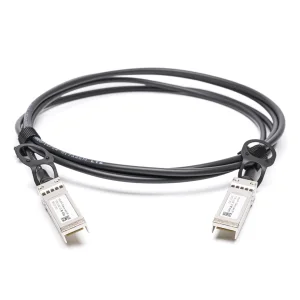
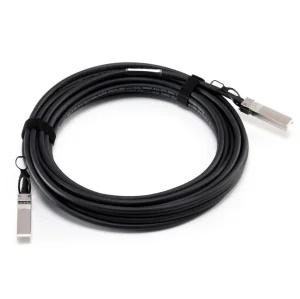
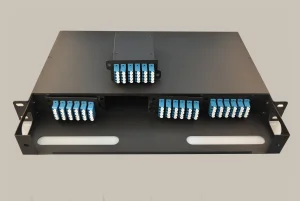
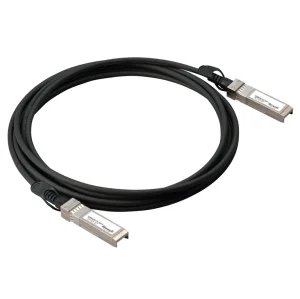
Complete your end-to-end optical transmission architecture with our active optical cables, passive DAC assemblies, high-density patch panels, and adapters.
 KOCENT OPTEC