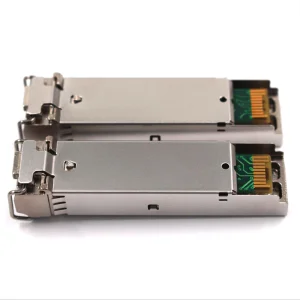
In modern enterprise networks, the integration of high-bandwidth copper links has become an essential pillar for sustainable infrastructure expansion. The 10GBASE-T SFP+ copper transceiver utilizes existing Cat6a/Cat7 cabling systems to achieve 10 Gigabit Ethernet speeds up to distances of 30 meters or even 80 meters depending on internal PHY configuration. Understanding the critical differences between older legacy copper PHY architectures and today’s energy-efficient digital signal processor (DSP) designs is key for hardware architects looking to reduce thermal footprints in high-density rack systems.
Unlike fiber optic links, which use optoelectronic lasers to transmit data, 10G Copper SFP+ modules rely on specialized integrated circuits (ICs) that perform complex echo cancellation, line equalization, and error-correction protocols (such as Low-Density Parity-Check or LDPC) over copper media. This enables high-speed data transmission through standard RJ45 ports. OEM manufacturers are focusing heavily on solving the core engineering challenge of these devices: power dissipation. Historically, 10GBASE-T modules consumed over 2.5 Watts per port, causing significant heat accumulation inside compact switch designs. Today’s advanced manufacturers have successfully lowered this limit to less than 1.6 Watts, enabling broad deployment across diverse multi-vendor network switch ecosystems.
Modern transceivers integrate ultra-low power consumption physical layer (PHY) chips, reducing operational temperatures and overall energy costs across data center switches.
Engineered with robust zinc alloy die-cast enclosures to dramatically reduce Electromagnetic Interference (EMI) and ensure low Bit Error Rates (BER).
Custom compatibility encoding for major network vendors, allowing plug-and-play operability without generating unsupported-hardware warnings.
The global enterprise demand for reliable 10G copper SFP+ solutions is undergoing a notable shift. As corporate offices, academic institutions, and healthcare centers upgrade legacy Gigabit Ethernet (1GbE) backbones, they must choose between completely rebuilding their cabling plants with fiber or extending the life of existing copper lines. 10GBASE-T SFP+ modules offer a cost-effective alternative by allowing IT managers to migrate to 10GbE speeds while using their existing Cat6a structural cabling, eliminating the high costs associated with new fiber installations.
Furthermore, the rise of Multi-Gigabit technology (2.5G/5G/10G) driven by Wi-Fi 6E and Wi-Fi 7 access points has created a massive need for adaptable 10G copper transceivers. SFP+ modules that support auto-negotiation (10G/5G/2.5G/1G/100M) allow network engineers to seamlessly connect older and newer devices at optimal rates. Procurement professionals prioritize sourcing partners that can offer OEM customization, consistent production lead times, and comprehensive warranty programs, ensuring long-term reliability for critical network setups.
Kocent Optec Limited established in 2012 in Hongkong as a hi-tech communication enterprise, is one of China's leading fiber optic termination product manufacturer and solution provider.
We're dedicated to developing and manufacturing fiber optic communication products ranging from passive to active categories for telecommunication networks, enterprise networks and data centers.
By leveraging our extensive experience and excellent production capacity we gained over the years, we magnify the outcome for our valuable customers, which ultimately expands their core competencies and helps them outperform competitors. We place emphasis on customer collaboration, and we define ourselves as your valuable partner in fiber optic connection solutions. We believe our differentiators are your perceived advantages.
With more than 13 years of experience in manufacturing telecommunication fiber optic products, we follow strictly fiber optic industry standards by using mature scientific methods to deliver your products on time and ensure that 100% products are tested and inspected before shipment.

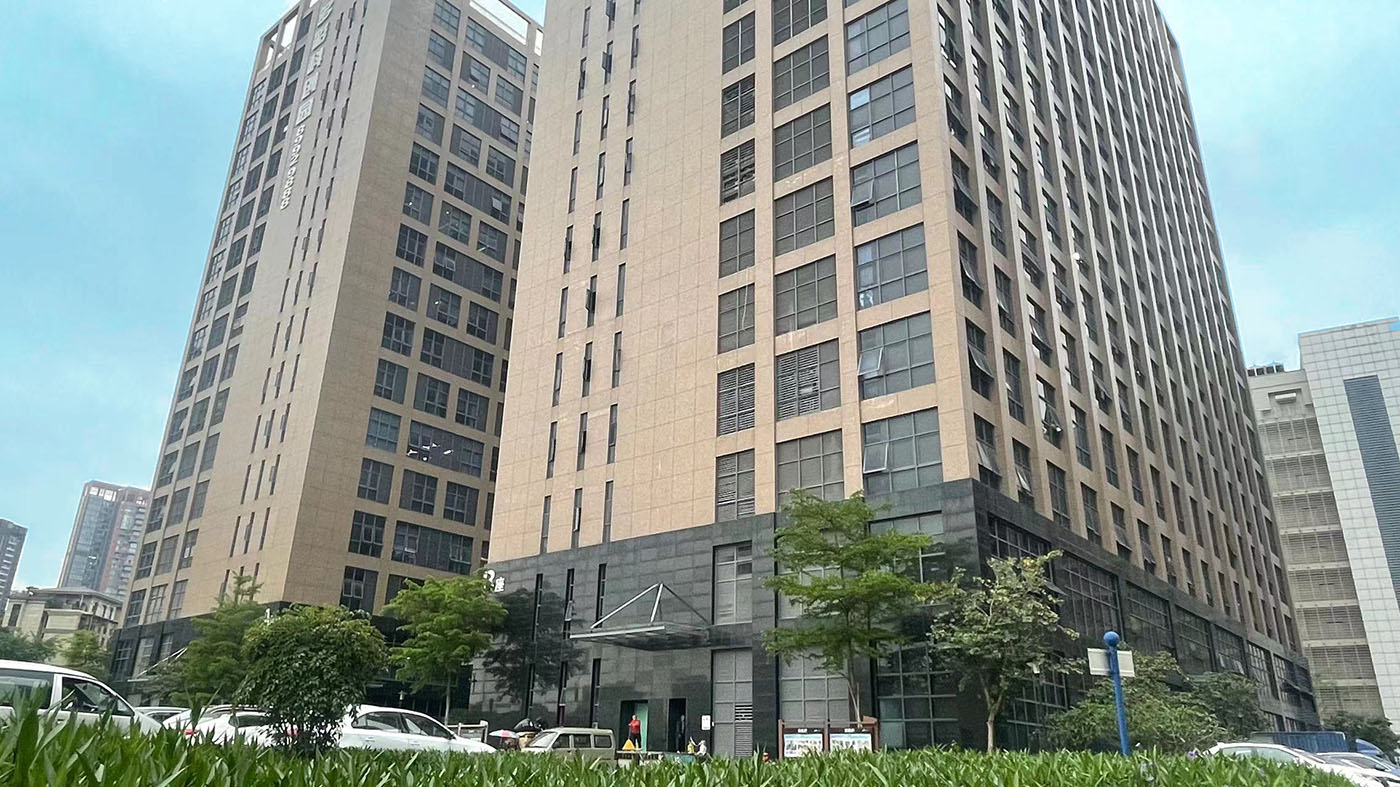
Years of sales and service experience have enabled us to win customers from different regions. Today, we have customers from East Asia, Southeast Asia, Middle East, Eastern Europe, Western Europe, Northern Europe, South America, North America, North Africa, and South Africa.
Win-win cooperation is our constant goal. Many our OEM and ODM products won the Telecom Operator tender and satisfy end-user request.
Our main terminal telecom operators include: SingTel, Vodafone, America Movil, Telefonica, Bharti Airtel, Orange, Telenor, VimpelCom, TeliaSonera, Saudi Telecom, MTN, Viettel, Bitel, VNPT, Laos Telecom, MYTEL, Telkom, Telekom, Entel, FiberTel, StarFiber, Ooredoo, Beeline, Azercell.
Our components are engineered for seamless compatibility with world-class environments. Below are some of the global telecom operators we work with to deliver high-performance networking setups:
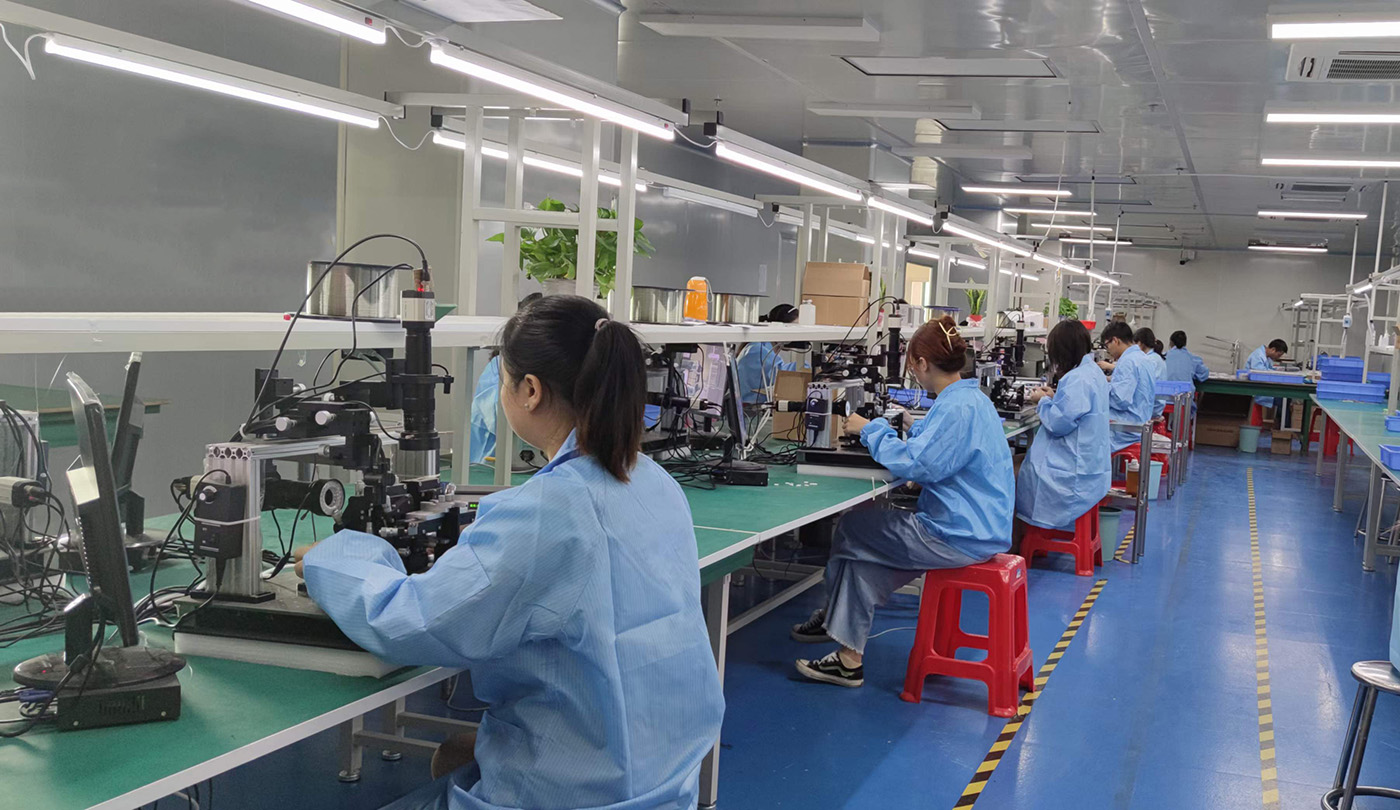
As the optical and communication component manufacturing sector shifts toward automated processes, Chinese production hubs are setting new standards for efficiency. Under the Factory 4.0 framework, automated assembly lines, high-precision pick-and-place systems, and computerized testing setups ensure that every 10G Copper SFP+ module matches tight mechanical and electronic design specifications.
At our manufacturing centers, quality control is integrated into every step of production. We use automated test systems to program EEPROM chips with exact manufacturer codes, enabling seamless compatibility with systems from brands like Cisco, Arista, Juniper, and HP. Additionally, 100% of our products undergo rigorous loopback testing, temperature testing within our simulation chambers, and parameter checks to guarantee long-term stability and high reliability in real-world deployments.
Automated manufacturing systems allow for rapid, large-scale production runs, minimizing supply chain delays and keeping inventory levels stable for urgent projects.
Each active and passive component goes through strict quality checks, measuring insertion loss, return loss, and electrical eye patterns to guarantee reliable signal paths.
Designed to align with international environmental directives like RoHS and WEEE, prioritizing lead-free processes and energy-efficient components.
The applications for 10GBASE-T SFP+ copper modules are diverse, spanning modern enterprise networks, industrial facilities, and data centers:
The transmission distance depends on the cable type and the transceiver's PHY design. Typically, 10GBASE-T SFP+ modules support lengths up to 30 meters over Cat6a/Cat7 cabling. Some specialized modules can extend this range to 80 meters for low-power operations.
10GBASE-T SFP+ modules use digital signal processing (DSP) to handle line equalization and echo cancellation over copper wire. This processing requires significantly more power than driving a semiconductor laser, which results in higher heat dissipation.
While standard Cat6 cables can support 10GbE connections over short distances (often up to 37 meters under clean conditions), Cat6a or Cat7 shielded cabling is highly recommended to prevent crosstalk and signal degradation.
We read and write compatibility profiles onto the transceiver's EEPROM. By programming vendor-specific keys, checksums, and serial numbers, the transceivers are recognized by switches as native components, avoiding compatibility warnings.
Yes, most modern OEM 10G Copper SFP+ transceivers support 100M/1G/2.5G/5G/10G auto-negotiation, making it easier to integrate mixed-speed devices across the same switch platform.
All products undergo 100% inspection before shipping. This includes insertion and return loss checks, environmental test chambers, and real-world port compatibility testing to meet strict ISO and CE guidelines.
Automated production lines ensure highly consistent product quality, lower manufacturing overhead, and rapid scaling capabilities. This allows us to offer competitive pricing and stable supply chains for large-scale deployments.
Yes. Standard modules are rated for commercial temperatures (0°C to 70°C). We also manufacture industrial-grade versions with hardened components that can withstand extended ranges from -40°C to 85°C.
 KOCENT OPTEC