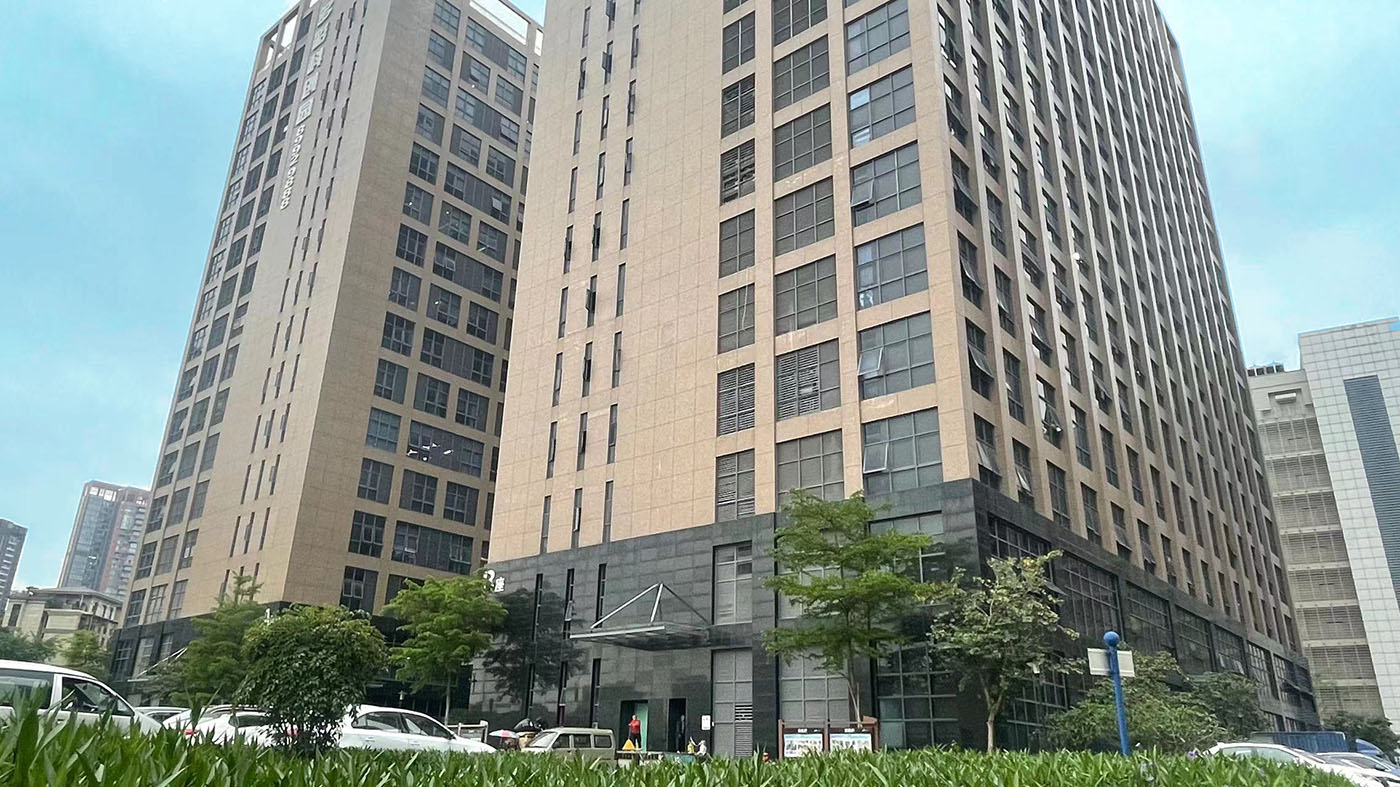
Established in 2012 in Hong Kong as a high-tech communication enterprise, Kocent Optec Limited has emerged as one of China's premier manufacturers and turnkey solution providers for high-density optical fiber termination systems. We specialize in engineering passive and active component architectures designed to meet the rigorous demands of telecommunication operators, hyperscale data centers, and advanced enterprise networks.
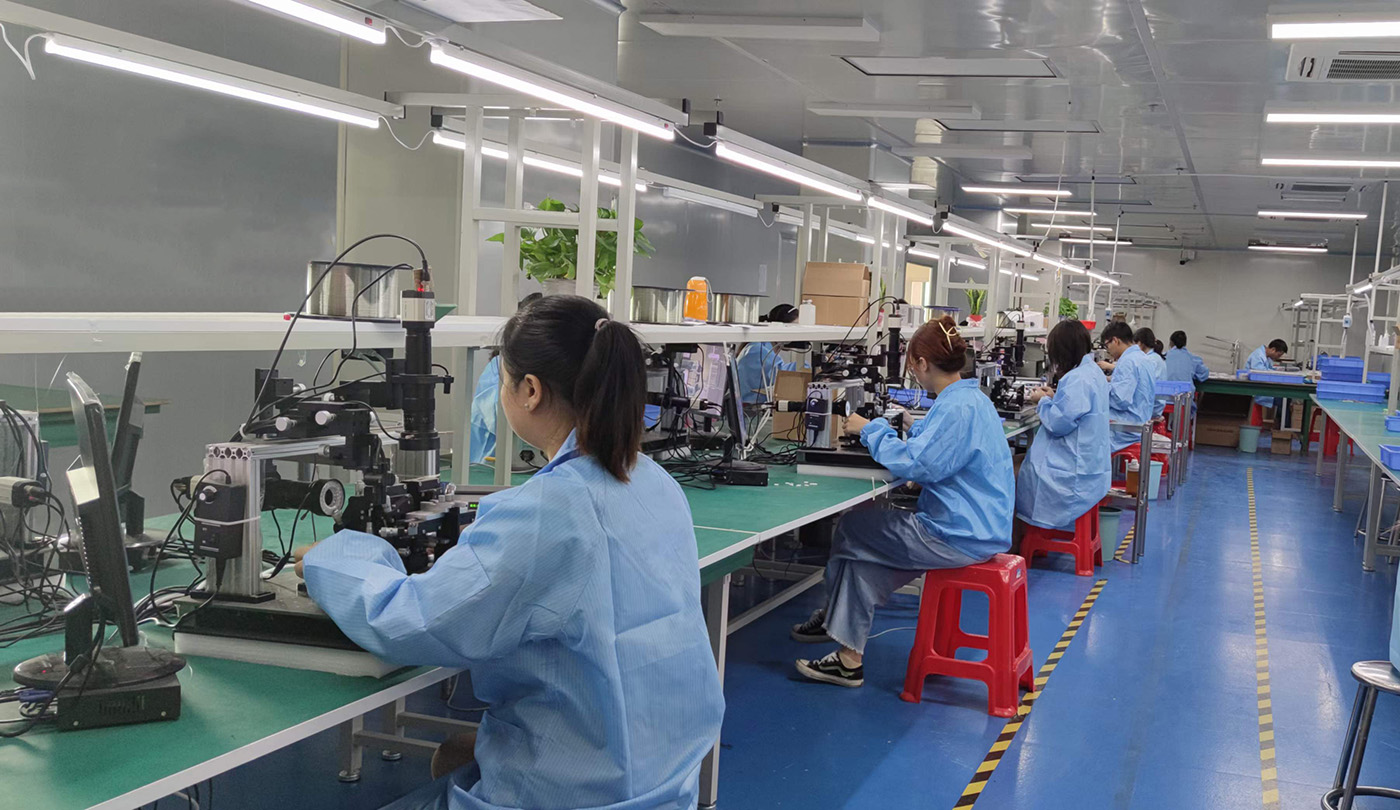
By leveraging more than 13 years of technical manufacturing experience, we operate at the vanguard of the fiber optic sector. We place heavy emphasis on close collaboration with system integrators and telecommunication operators, designing our supply chains to reduce optical attenuation, optimize latency profiles, and guarantee long-term network survivability. Through scientific quality methodologies, we ensure that every assembly we build is tested and certified to international standards prior to shipment.

"Our collaborative methodology defines Kocent Optec Limited as more than a vendor. We are a strategic partner in fiber optic connection technologies, transforming standard fiber physical layer structures into customized assets that help our clients outperform their competitors in signal transmission efficiency and physical infrastructure lifespan."
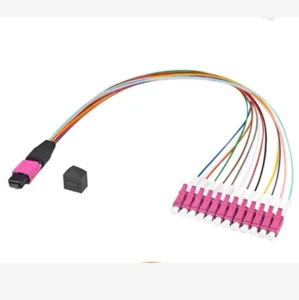
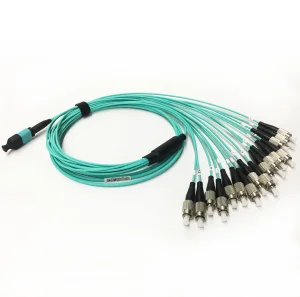
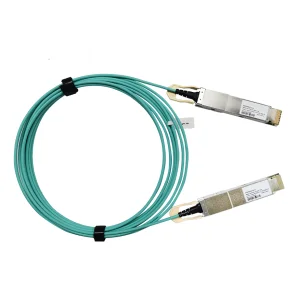
As data centers shift to 400G and 800G, legacy 12-fiber MPO infrastructures are hitting density bottlenecks. Modern network architectures are standardizing on 24-fiber links to double spatial efficiency and support parallel optical pathways.
Implementing 24-fiber (24f) trunk assemblies saves up to 50% physical pathway space compared to dual 12-fiber runs. This directly improves airflow, limits cable tray congestion, and lowers cooling demands inside hyperscale enterprise facilities.
24-fiber arrays facilitate smooth transitions to 3-port, 8-fiber configurations (supporting 3x 100G or 3x 200G/400G SR8 modules). This eliminates dark fiber pathways and helps operators make the most of their initial infrastructure investment.
Deploying a single 24-fiber connector reduces total termination labor and component costs relative to running multiple low-count assemblies. This offers a more economical approach to structuring high-density patch fields.
| Cable Architectural Parameter | Legacy 12-Fiber Infrastructure | 24-Fiber High-Density Design (Kocent OEM) | Network Growth Benefit |
|---|---|---|---|
| Outer Diameter (Typical) | 3.0 mm (Single Jacket) | 3.8 mm (Double Jacket / Ribbon Option) | Saves ~36% conduit cross-sectional space |
| Connector Footprint | 1x MPO-12 (approx. 120 mm²) | 1x MPO-24 (approx. 120 mm²) | Doubles panel density per rack unit (1RU) |
| Transmission Configurations | 1x 40G/100G (4 lanes Tx, 4 lanes Rx) | 3x 100G/200G or 1x 800G (SR8/PAM4) | Eliminates unused "dark" fibers in high-speed links |
| Cable Weight (per km) | Approx. 12 kg | Approx. 17 kg | Reduces aggregate loading on overhead trays |
| Bending Radius (Static/Dynamic) | 10D / 20D | 10D / 20D (Uses Bend-Insensitive G.657.A1) | Ensures high performance in compact containment systems |
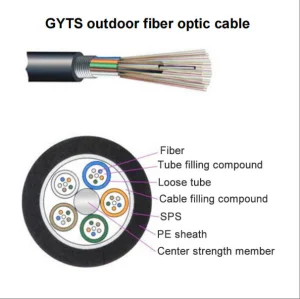
Kocent Optec Limited designs 24f fiber optic cables for high performance across diverse applications, including direct burial, pipeline conduits, and aerial runs. These cables are built to withstand challenging environments, such as FTTH drops, long-haul backbones, and inter-facility connections.
Kocent Optec Limited works closely with tier-1 telecommunication operators, utilities, and infrastructure providers. Our custom-engineered OEM/ODM products meet stringent compliance standards and satisfy operator tenders worldwide.
Our production facilities strictly adhere to ISO 9001:2015, RoHS, and CE guidelines. Our outdoor fiber products meet Telcordia GR-20-CORE requirements, helping them clear technical reviews in public utility and private carrier tenders.
We pack and ship bulk trunk cables on reinforced wooden reels with comprehensive test reports, OTDR traces, and quality certification certificates. This ensures your order arrives intact and ready for deployment.
High-capacity optical networks require careful planning at the physical layer. A reliable 24f cable assembly must balance optical transmission characteristics, thermal resilience, and mechanical strength.
We use premium G.652.D or G.657.A1 bend-insensitive single-mode glass. This reduces macrobending losses in tight patch panels and preserves signal integrity in high-density installations.
We offer Low Smoke Zero Halogen (LSZH) compounds for indoor runs to satisfy regional building safety standards, and high-density polyethylene (HDPE) jackets for outdoor resistance to UV, ozone, and physical abrasion.
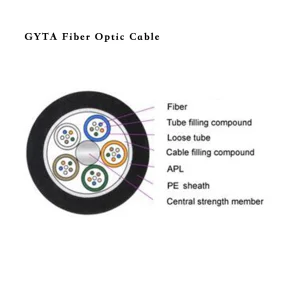
Our assemblies are reinforced with high-modulus aramid yarns (Kevlar) and a central strength member (FRP). This configuration provides the tensile strength needed to prevent core stretch during pulling operations.
 KOCENT OPTEC