As corporate infrastructures scale to handle data-intensive pipelines—from cloud processing to localized virtualization—network engineers face a critical layout dilemma: retaining existing copper structures versus deploying expensive, specialized optical fiber networks. The 10G SFP+ RJ45 transceiver represents a crucial technological link, enabling high-performance 10Gbps transmission directly over standard Category 6A (Cat6a) and Category 7 (Cat7) twisted-pair copper cables.
Historically, SFP+ slots on corporate switches were dedicated strictly to fiber-optic links (such as SR, LR, or DAC cables). The emergence of the 10GBASE-T SFP+ copper transceiver has changed this deployment model. Engineered with advanced physical layer (PHY) chips, these compact components convert high-speed electrical signals into standard copper cabling protocols. This enables companies to scale their switch infrastructure up to 10G speeds without undertaking comprehensive fiber retrofits, drastically reducing capital expenditure (CAPEX) and operational overhead.
To successfully integrate 10G SFP+ RJ45 transceivers into high-density rack mounts, engineers must understand the physical constraints of copper modules. Because copper links generate more heat than optical signals, thermal design and power management are key to long-term reliability.
The standard SFP+ port is limited to a 1.5W power budget by MSA (Multi-Source Agreement) definitions. Early iterations of the 10G RJ45 transceiver frequently exceeded 2.5W, resulting in ports overheating and switches entering thermal shutdown. Modern engineering has resolved this via ultra-low-power PHY chipsets (such as the Marvell Alaska or Broadcom platforms). Our 10G SFP+ RJ45 modules operate within a strict 1.2W to 1.6W envelope, making them suitable for full-density enterprise switches.
| Specification Parameter | 10G SFP+ RJ45 Transceiver | 10G SFP+ SR Optical Module | 10G SFP+ Active DAC Copper |
|---|---|---|---|
| Cabling Medium | Category 6a/7/8 Copper Cabling | OM3/OM4 Multi-Mode Fiber | Twinaxial Copper Assembly |
| Maximum Reach | 30 meters (standard) / 80 meters (high-spec) | 300 meters (OM3) / 400 meters (OM4) | 7 to 10 meters max |
| Average Power Draw | 1.2W - 1.6W | <0.8W - 1.0W | <0.1W - 0.5W |
| Latency Profile | ~2.5 microseconds (due to PHY coding) | <0.1 microsecond | <0.1 microsecond |
| Deployment Cost | Low (uses standard copper cabling) | Medium to High (requires fiber patches) | Very Low (strictly point-to-point) |
| Connector Interface | RJ-45 (Auto-negotiates 10G/5G/2.5G/1G) | LC Duplex | Direct-Attached SFP+ Heads |
Premium 10G RJ45 transceivers include DDM/DOM (Digital Diagnostic Monitoring) support. DDM monitors internal module parameters like transceiver temperature, supply voltage, and internal transmitter/receiver status. This real-time diagnostics data enables network administrators to proactively detect links degrading before packet loss occurs.
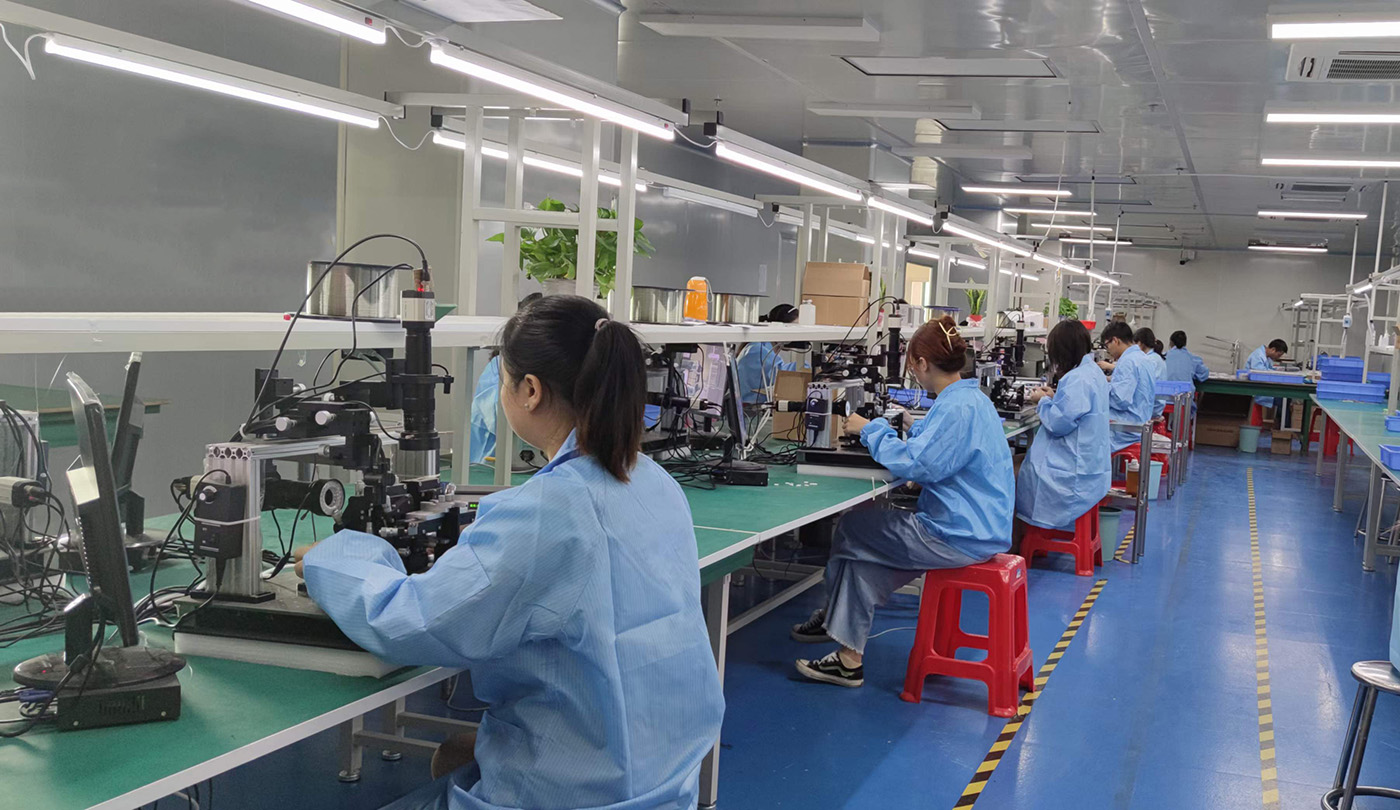
Established in Hong Kong in 2012, KOCENT OPTEC LIMITED has evolved into a leading global provider of high-tech communication solutions and premium fiber-optic and copper termination products. With over 13 years of specialized manufacturing experience, we deliver engineering-grade network interfaces designed for telecom networks, enterprise infrastructures, and hyper-scale data centers.
Our commitment to Quality Assurance is absolute: we utilize mature scientific methods to guarantee that 100% of our products undergo rigorous testing and inspection before shipment. This dedication to error-free manufacturing enables us to design and deliver high-performance passive and active components that integrate seamlessly into complex networking architectures worldwide.

By leveraging our specialized production capabilities, we help our partners expand their core competencies and win key contracts. At Kocent Optec, we view ourselves as a collaborative technical partner rather than a simple component vendor. We custom-code our transceivers to ensure 100% compatibility with hardware from leading industry manufacturers, including Cisco, Juniper, Arista, Huawei, Dell, and HP.
Our products are deployed globally by telecom operators and internet service providers. Many of our OEM and ODM products have won telecom operator tenders and satisfy rigorous end-user requirements across East Asia, the Middle East, Europe, South America, North America, and Africa.
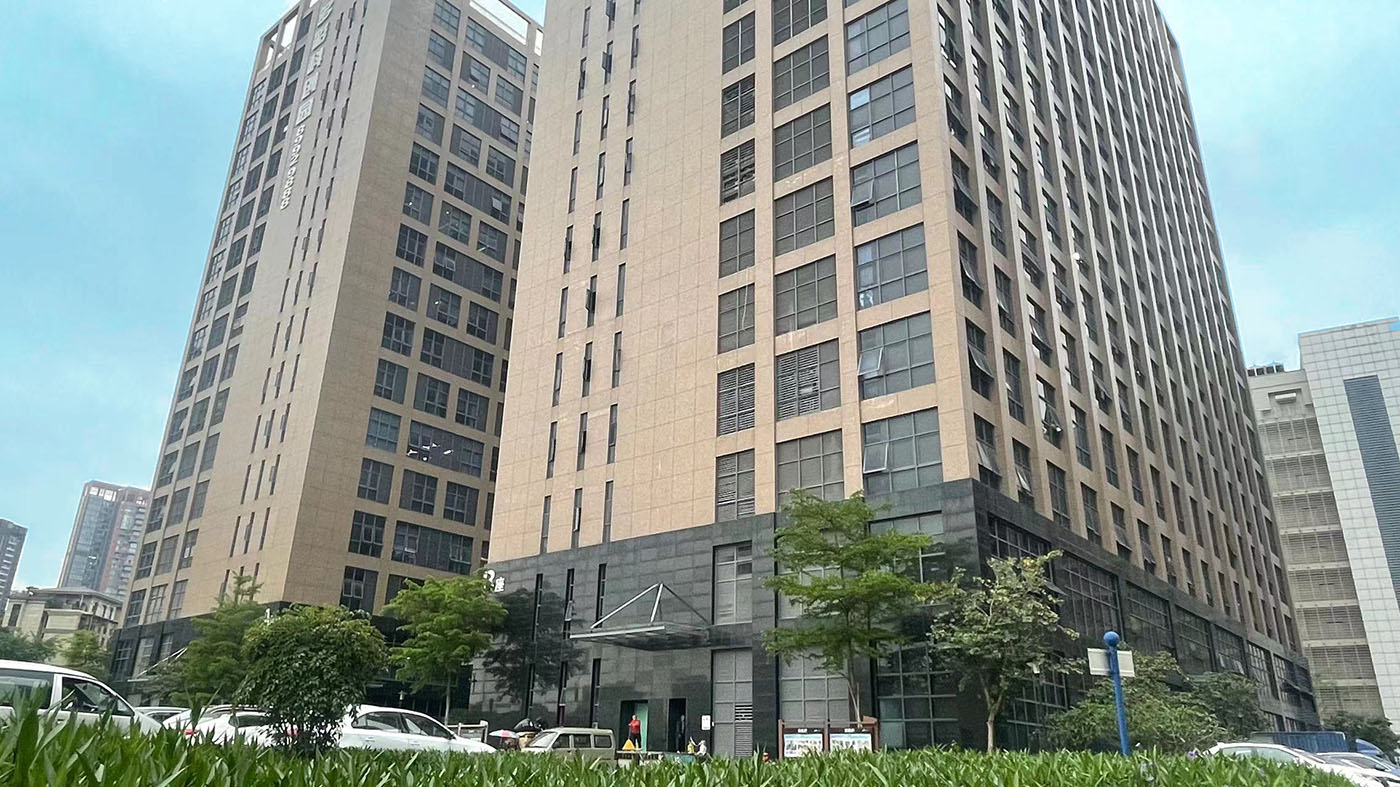
Kocent Optec products are trusted by some of the world's most demanding telecom organizations. Our primary operator clients and deployment end-users include:
10G SFP+ RJ45 transceivers are critical components across diverse networking scenarios. By bridging fiber-only switches with copper end-devices, they simplify system architectures in three main deployment zones:
Enables Top-of-Rack (ToR) switches with SFP+ slots to connect directly to standard rack servers equipped with integrated 10GBASE-T RJ45 ports. This setup eliminates the need for expensive PCIe fiber network cards on every server.
Allows legacy switches and security appliances to link to modern core switches at full 10Gbps speeds. Administrators can utilize existing Cat6a building runs, bypassing the high costs and physical challenges of installing fiber-optic paths in historical properties.
Connects industrial computers, high-definition IP surveillance arrays, and edge processing rigs to fiber aggregation points. Copper transceivers offer physical durability and easy field repair in harsh industrial environments.
The networking ecosystem is continuously shifting toward higher bandwidths, prompting questions about copper's longevity. While hyper-scale core connections have migrated to 100G, 400G, and 800G optical lines, copper remains critical for localized edge infrastructure. SFP+ RJ45 modules continue to evolve to meet these demands.
The immediate development roadmap centers on reducing power consumption. Through refined silicon and advanced manufacturing nodes, next-generation copper transceivers aim to achieve operational stability below 1.0W. In parallel, auto-negotiation algorithms are being optimized to allow seamless rate-matching between legacy 1G/2.5G devices and modern 10G switch interfaces.
While 25GBASE-T and 40GBASE-T copper architectures exist, they face significant distance limits (typically under 30 meters over expensive Category 8 cables) and high power profiles. Consequently, 10GBASE-T represents the sweet spot for copper networking: it provides the optimal balance of speed, distance, power draw, and deployment cost, ensuring the 10G SFP+ RJ45 transceiver remains a vital infrastructure component for the foreseeable future.
Standard 10G SFP+ RJ45 transceivers support up to 30 meters (98 feet) over Cat6a or Cat7 cabling at 10Gbps. For longer runs, optimized transceivers paired with high-spec shielded Cat7 cabling can extend this range up to 80 meters. Note that performance depends on cable shielding, environment noise, and installation quality.
Unlike fiber transceivers that convert light signals (which draw minimal power), copper transceivers use advanced DSPs and PHY chips to drive high-frequency electrical signals over copper wires while managing crosstalk. This process requires more power (typically 1.2W-1.6W), generating heat that is dissipated through the module's metal casing.
Deploying them in every port is generally not recommended due to cumulative thermal generation and power limitations. Most switches cannot deliver 1.5W per port continuously across all 48 ports without overheating. We advise checkerboard configurations (leaving adjacent ports empty or using fiber/DACs) to maintain safe operating temperatures.
Yes, our modern 10G SFP+ RJ45 transceivers support NBASE-T auto-negotiation. They will automatically detect and sync at 10Gbps, 5Gbps, 2.5Gbps, or 1Gbps speeds depending on the connected host device and cabling characteristics.
While Cat5e cables can theoretically handle 10G signals over very short runs (under 5-10 meters) in lab environments, it is not recommended for production networks. Cat5e lacks the shielding and frequency overhead required to prevent packet drop and high BER. Category 6A or higher is required for stable 10GBASE-T operation.
 KOCENT OPTEC