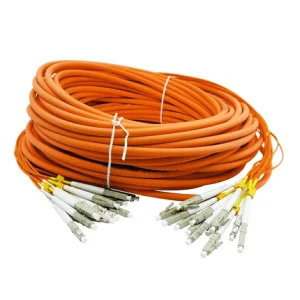
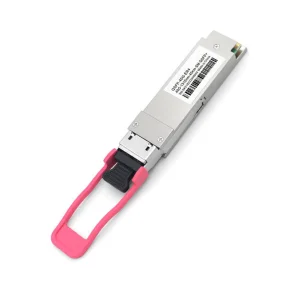
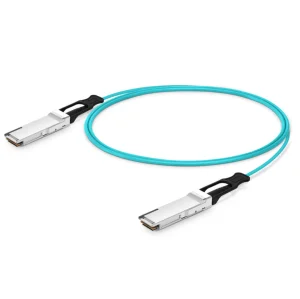
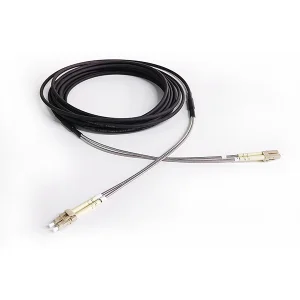
Explore our factory-direct network interfaces, designed for next-generation telecommunication grids and enterprise systems.
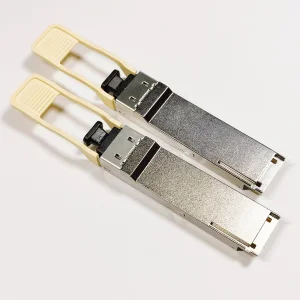
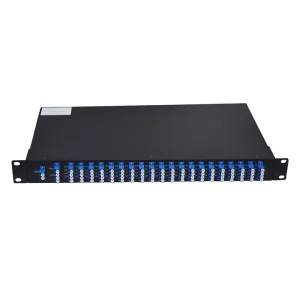
How Single-Strand Bi-Directional Transceivers Save 50% on Cabling Infrastructure Costs
In modern telecommunications, data centers, and enterprise environments, fiber infrastructure is both a major capital expenditure (CAPEX) and a deployment bottleneck. The standard duplex optical link requires two separate strands of optical fiber: one for transmitting data (Tx) and one for receiving (Rx). As throughput demands scale from legacy Fast Ethernet to dense high-bandwidth grids, physical conduit space in optical distribution frames (ODFs) quickly saturates.
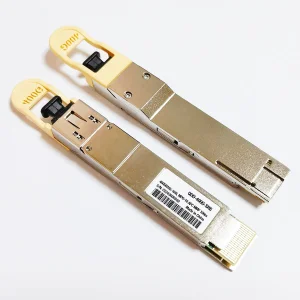
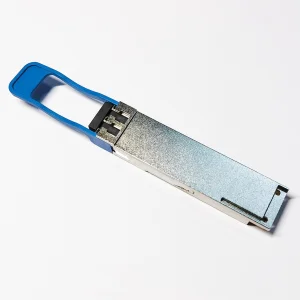
Bi-Directional (BiDi) 10G SFP+ transceivers present a paradigm shift. By leveraging Wavelength Division Multiplexing (WDM) technology, a BiDi transceiver multiplexes separate transmit and receive frequencies onto a single simplex fiber strand (typically utilizing Single Mode Fiber). For instance, a common wavelength pairing is 1270nm for transmission and 1330nm for reception, paired with a matching module at the remote end operating in reverse (Tx 1330nm / Rx 1270nm). This double-utilization of fiber infrastructure immediately doubles link density without burying new cables, saving massive installation labor costs.
SEO Insight & Technical Value: Multi-Vendor compatibility under the Multi-Source Agreement (MSA) SFF-8431 standard is crucial for modern optical networks. Premium factories must utilize advanced EEPROM microcontrollers to allow seamless system recognition across vendors like Cisco, Juniper, Arista, and Huawei.
Isolates Tx and Rx signals onto separate bands (e.g., 1270/1330nm, 1310/1490nm), minimizing crosstalk and maintaining low Bit Error Rates (BER).
Digital Diagnostic Monitoring (DDM) gives real-time telemetry on laser temperature, optical output power, receiver sensitivity, and supply voltage.
Available in Commercial Temperature (0 to 70°C) and Industrial Temperature (-40 to 85°C) profiles for extreme deployment environments.
Mapping SFP deployment across Metropolitan Area Networks, 5G Fronthaul, and FTTH networks
As the digital economy grows, procurement pipelines must adapt. Wholesaling BiDi 10G SFP+ modules is no longer just about acquiring cheap hardware; it is about securing components that fit perfectly into long-term infrastructure lifecycles. Global enterprise networks, ISP operators, and public sector communication systems demand reliability.
Localized Application Contexts:
1. 5G Fronthaul (CPRI/eCPRI Interfaces): Outdoor macro stations demand high thermal resilience. Industrial-grade BiDi 10G SFP+ modules are deployed in environments ranging from sub-zero municipal towers to arid desert telemetry boxes.
2. Fiber to the Home (FTTH/GPON Overlay): Central office OLT platforms require dense multiplexing. Using BiDi SFP+ modules ensures that downstream and upstream wavelengths run over a single fiber drop cable to customer premises.
3. Metropolitan Area Networks (MANs): Linking municipal buildings and local university campuses over leased dark fiber. By adopting BiDi configurations, local IT directors save thousands of dollars in monthly fiber lease rates.
Why leading global operators rely on precision manufacturing pipelines in China
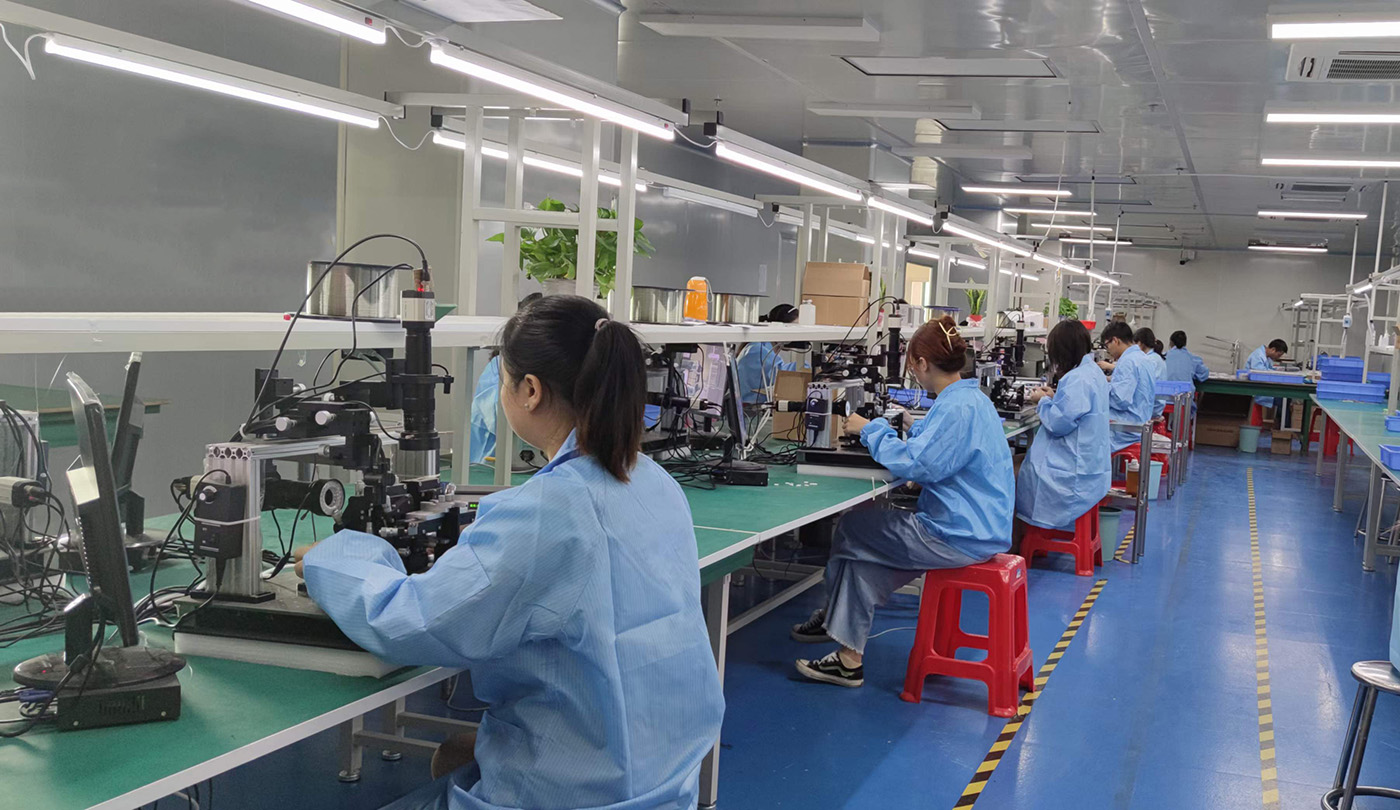
The manufacturing of advanced optical active devices demands extreme precision. A sub-micron physical misalignment in the optical sub-assembly (TOSA/ROSA) can lead to insertion loss degradation, severe return loss, and eventual laser failure. In response, premium Chinese factories have undergone a digital transformation to Factory 4.0 standards.
Automation is the core of this transition. By implementing automated optical coupling machines, robotic Pick-and-Place systems, and smart environmental chambers, human error is designed out of the system. In addition, real-time testing systems verify each SFP module across variable temperatures and voltages. Our processes guarantee that the laser spectrum, extinction ratio, eye diagram, and receiver sensitivity exceed MSA specifications before packaging and export.
Supply Chain Security: In a world of volatile logistics, having direct partnerships with raw components manufacturers and wafer packaging plants in China allows for agile scaling. When data centers require rapid deployments, Factory 4.0 systems easily adjust capacity to deliver large orders on short notice.
Over 13 years of dedication to active and passive fiber optic systems
Established in 2012 in Hong Kong as a high-tech communication enterprise, Kocent Optec Limited has grown into one of China's leading fiber optic termination product manufacturers and solution providers. We are dedicated to developing and manufacturing fiber optic communication products ranging from passive to active categories for telecommunication networks, enterprise networks, and cloud-scale data centers.
By leveraging our extensive engineering experience and excellent production capacity built over more than 13 years, we maximize output quality for our clients, expanding their core competencies and helping them outperform competitors. We place great emphasis on collaboration and view ourselves as a strategic partner in fiber optic connection solutions. We believe our technical differentiators are your competitive advantages.
Following strict industry standards and utilizing mature scientific methods, we ensure that 100% of our products undergo rigorous testing and inspection before shipment. This reliability has allowed us to win tenders and secure partnerships with top-tier global operators.

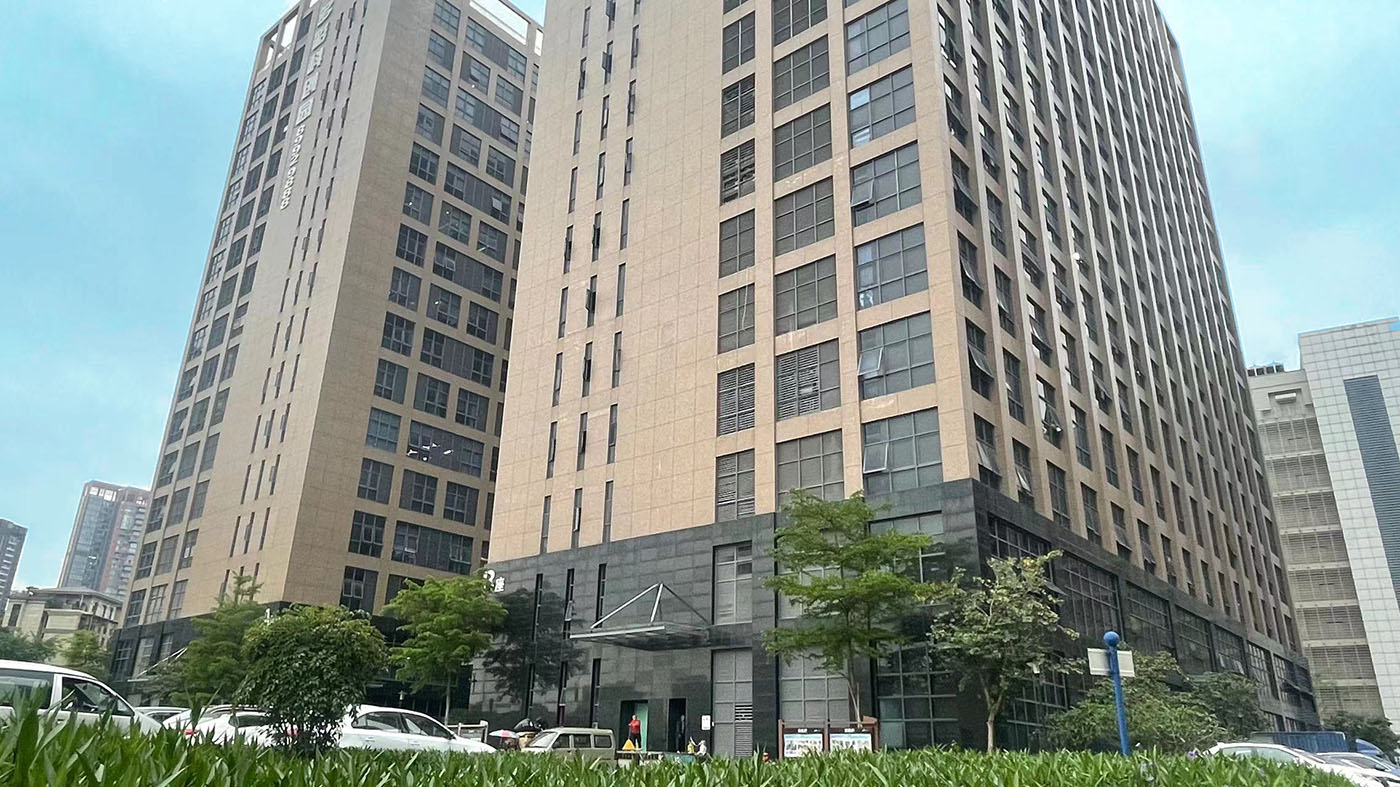
Our OEM and ODM components are trusted by leading operators worldwide, winning major tenders and meeting strict telecom specifications:
Answers to common engineering questions for wholesale buyers and system integrators
Heavy-duty fiber termination boxes, distribution cabinets, and premium transceiver modules.
 KOCENT OPTEC