Direct from Kocent Optec Limited: fully optimized, high-temperature resilient optical transceivers for data centers and enterprise backbones in the Central African Republic.
The Central African Republic (CAR) is positioned at a crucial juncture of its infrastructural development. Historically landlocked, CAR has embarked on major telecommunications upgrade initiatives, spearheaded by projects such as the Central African Backbone (CAB) project. The deployment of terrestrial fiber-optic networks linking Bangui to neighboring countries like Cameroon and the Republic of Congo is shifting local bandwidth dynamics.
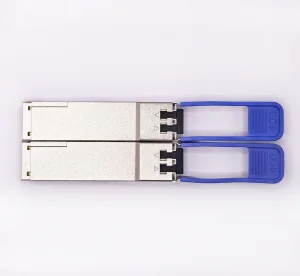
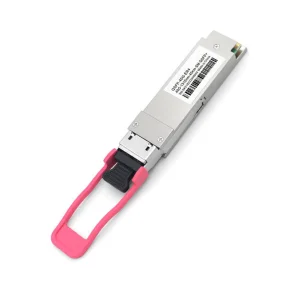
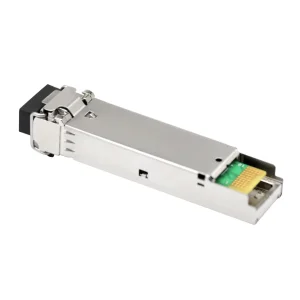
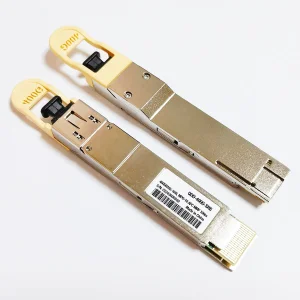
For national telecom providers, internet service providers (ISPs), and government sectors in CAR, establishing a reliable local network core is vital. This requires highly robust hardware capable of operating in extreme ambient temperatures and under fluctuating power conditions typical of the region's climate. Kocent Optec's 40G QSFP+ optical modules are engineered precisely for these demanding environments, delivering predictable thermal dissipation, high power efficiency, and long-term durability.

As the global telecommunications industry shifts from 10G to higher speeds like 100G, 400G, and 800G, the 40G QSFP+ form factor remains a highly practical and cost-efficient option for emerging markets and regional data centers. Globally, enterprises seeking optimized CapEx/OpEx ratios utilize 40G solutions for short-range aggregation and long-haul inter-office distribution.
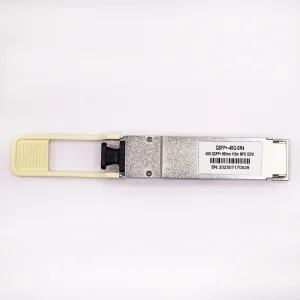
Our 40G QSFP+ product line balances high bandwidth capabilities with low initial acquisition costs. In regions like CAR, where high-speed internet transit is expanding, deploying 40G links allows local ISPs to bridge existing 10G networks and prepare for future 100G platforms without over-allocating capital budget. Our modules feature advanced Digital Diagnostics Monitoring (DDM/DOM) protocols, allowing remote engineers in Bangui to monitor transceiver vitals such as laser temperature, optical power output, and receiver sensitivity in real-time.
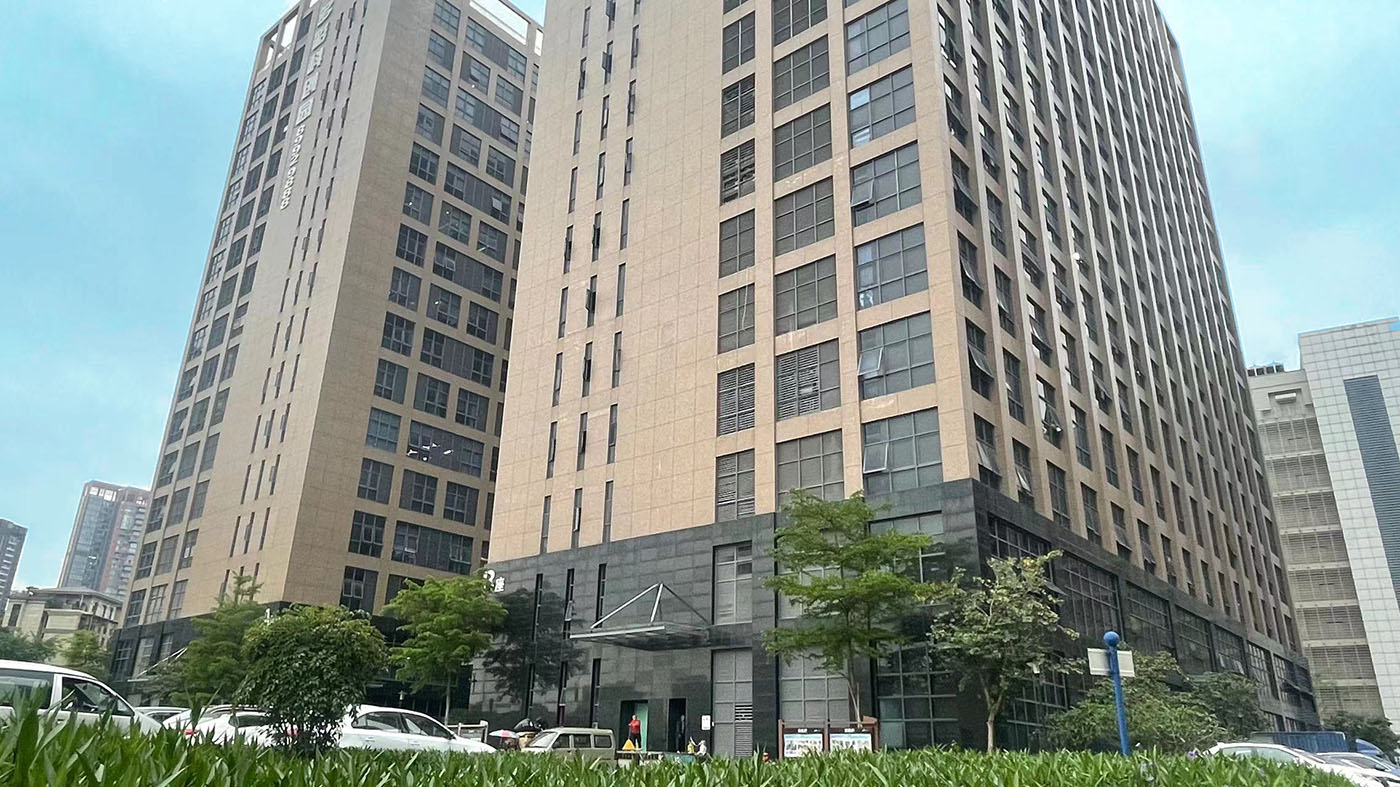
Combining Shenzhen's high-tech manufacturing cluster with Hong Kong's global logistics hub, Kocent Optec delivers unmatched efficiency and stability to the Central African market.
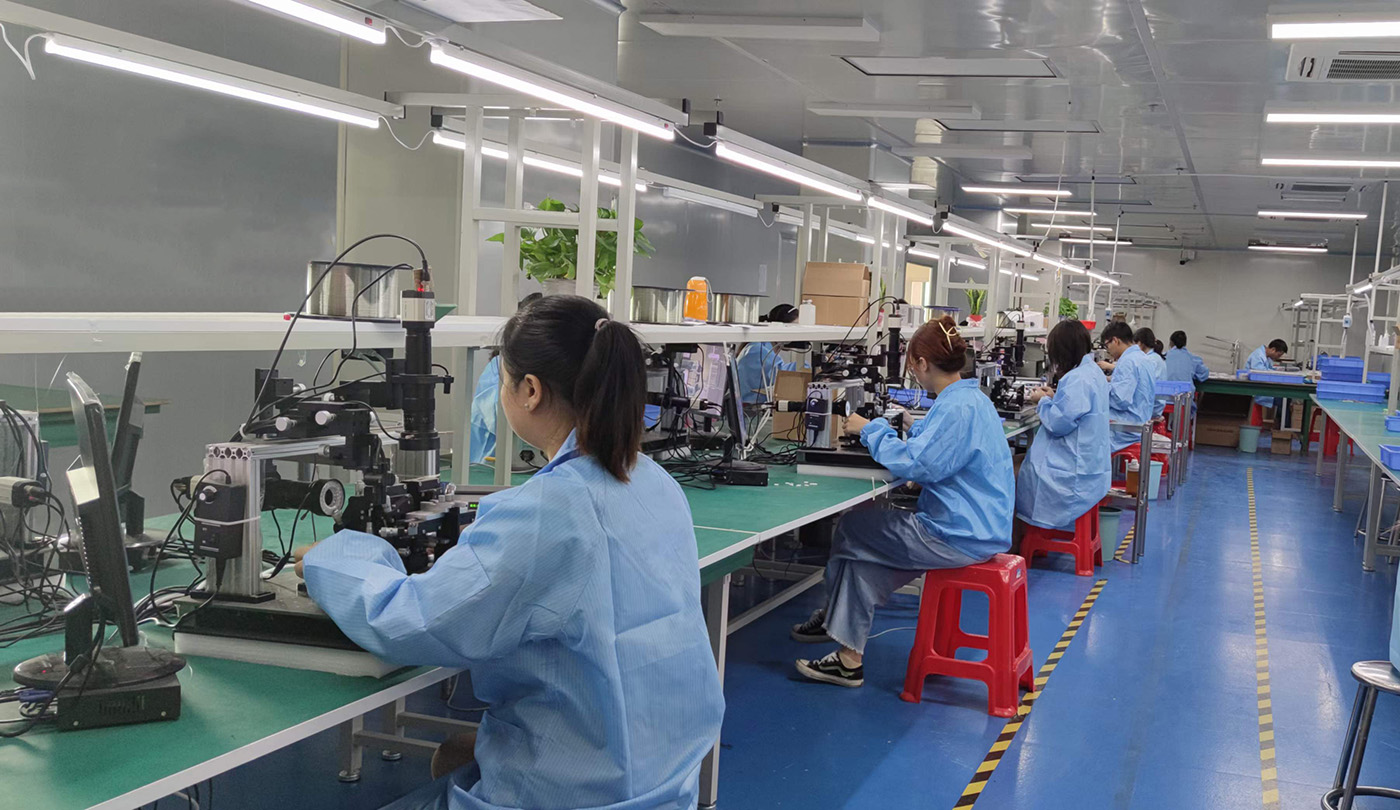
Kocent Optec Limited is a dedicated communication enterprise located in one of China's top fiber optic hub centers. By integrating advanced production lines, high-level automation, and rigorous testing protocols, we guarantee performance consistency and supply chain resilience. Our manufacturing facility strictly follows the Telcordia GR-468-CORE and ISO 9001:2015 quality standards, ensuring every optical transceiver is engineered for zero-failure performance in demanding environments.
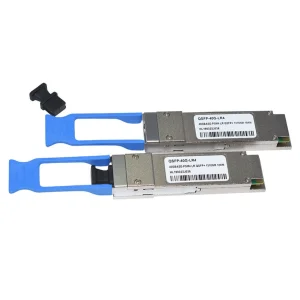
Major mobile network operators in CAR require high-capacity transport links between regional base stations and main core switching centers. Using 40G QSFP+ LR4 10km and ER4 40km transceivers enables carrier networks to transmit high-definition data across long distances without physical signal degradation, even in harsh weather environments.
Municipal administration projects in Bangui utilize centralized server architecture. Interconnecting administrative networks requires high-density optical fiber links. 40G multi-mode fiber transceivers (SR4) provide the necessary high-throughput, low-latency connectivity to handle government data databases securely.
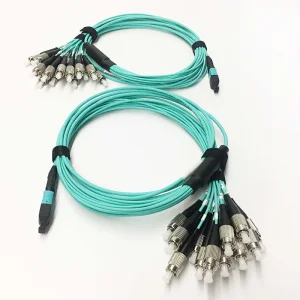
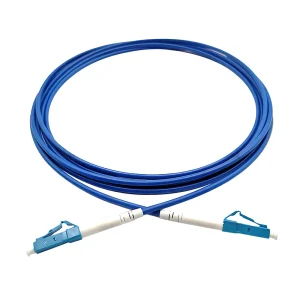
Industrial operations located in rural provinces require robust local Area Networks (LANs) to monitor extraction machinery and surveillance. Utilizing armored fiber optic jumpers combined with KCO optical transceivers guarantees consistent network uptime, avoiding costly delays in operations.
Established in 2012 in Hong Kong as a high-tech communication enterprise, Kocent Optec Limited is one of China's leading fiber optic termination product manufacturers and solution providers. We are dedicated to developing and manufacturing fiber optic communication products ranging from passive to active categories for telecommunication networks, enterprise networks, and data centers.
By leveraging our extensive experience and production capacity gained over the years, we maximize outcomes for our customers, expanding their core competencies and helping them outperform competitors. We place emphasis on customer collaboration, defining ourselves as a partner in fiber optic connection solutions. We believe our differentiators are your perceived advantages.
With more than 13 years of experience in manufacturing telecommunication fiber optic products, we strictly follow fiber optic industry standards using mature scientific methods. This ensures that 100% of our products are tested and inspected before shipment, delivering reliable products on time.
Our OEM and ODM products have won telecom operator tenders globally and satisfy diverse end-user requirements.
Years of sales and service experience have enabled us to win customers across different regions, including East Asia, Southeast Asia, Middle East, Eastern Europe, Western Europe, Northern Europe, South America, North America, North Africa, and South Africa.
Our main terminal telecom operators include:
SingTel, Vodafone, America Movil, Telefonica, Bharti Airtel, Orange, Telenor, VimpelCom, TeliaSonera, Saudi Telecom, MTN, Viettel, Bitel, VNPT, Laos Telecom, MYTEL, Telkom, Telekom, Entel, FiberTel, StarFiber, Ooredoo, Beeline, Azercell.
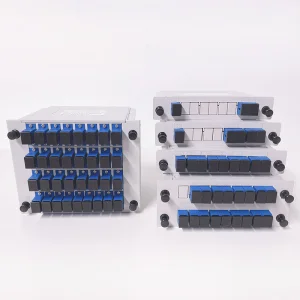
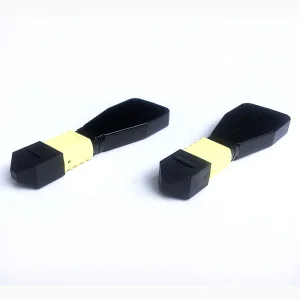
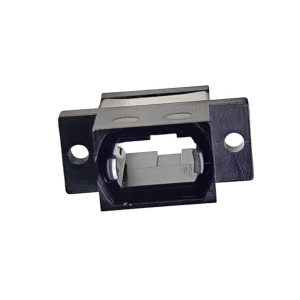
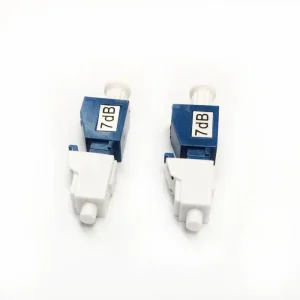
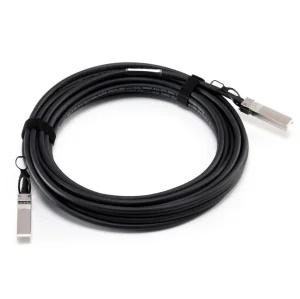
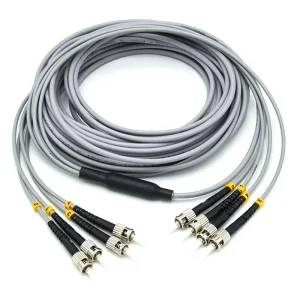
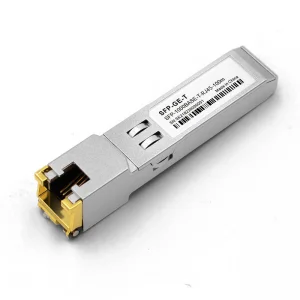
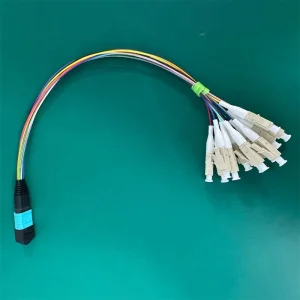
Complementary optical fiber hardware, patch cords, splitters, loopbacks, and attenuators for Central African Republic network architectures.
Technical guidance and logistics answers for network planning teams and telecom engineers in Central Africa.
Yes. All of our active optical transceivers are write-coded with target vendor firmware in our testing lab. We support seamless compatibility across major switch brands used throughout Africa, including Cisco, Huawei, ZTE, Juniper, and MikroTik, ensuring no compatibility locks occur upon deployment.
CAR's elevated average temperatures require optical hardware with robust thermal dissipation profiles. Our commercial-grade transceivers operate efficiently between 0°C and 70°C. For unconditioned outdoor telecom enclosures, we offer industrial-grade temperature variants configured to withstand temperatures from -40°C to +85°C.
We ship internationally from our Hong Kong hub. For urgent deployments in CAR, we use air freight (DHL, FedEx, or air cargo networks) directly to Bangui M'Poko International Airport, typically taking 7-12 business days. Larger passive fiber infrastructure shipments can be sent via sea freight routed through the Port of Douala (Cameroon) followed by overland transport.
While 100G is growing, 40G QSFP+ remains highly cost-effective for networks transitioning from legacy 10G backbones. 40G links utilize existing MPO/LC fiber configurations without requiring expensive upgrades to high-density cooling platforms, saving substantial CapEx for regional ISPs in CAR.
DDM allows network administrators in Bangui to remotely view real-time diagnostics. This includes parameters like internal module temperature, supply voltage, laser bias current, transmitted optical power, and received optical power. This helps engineers identify optical path anomalies before they cause a network outage.
Connect directly with our engineering and logistics specialists for customized product configurations, multi-vendor testing compatibility, and wholesale price quotes.
Send Inquiry Now KOCENT OPTEC