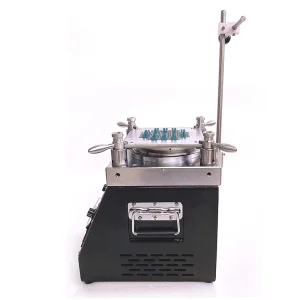
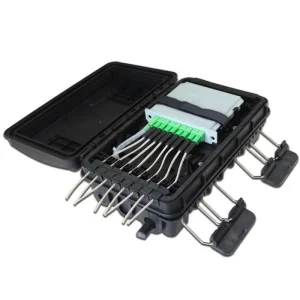
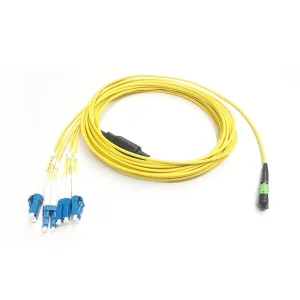
High-capacity active and passive cabling architectures tailored to the stringent demands of Massachusetts' bio-pharma, data infrastructure, and telecom hubs.
As a global hub for biotechnology, high-performance computing (HPC), and academic excellence, the Greater Boston Area—encompassing Kendall Square in Cambridge, the Seaport District, and the Route 128 technology corridor—demands an ultra-reliable telecommunication foundation. Fiber optic networks constitute the nervous system of this dense digital economy. With major hyper-scale data centers, research institutions (MIT, Harvard, Boston University), and world-class healthcare networks (Mass General Brigham, Boston Children's Hospital) rapidly adopting AI-driven models, the demand for custom optical pathways has surged exponentially.
In Boston's dense urban environment, deploying fiber cables presents unique engineering challenges. Historic streets, sub-surface utility congestion, and strict local municipal building codes require specific physical attributes in fiber optic cable design. From tight-buffer plenum cables (OFNP) that satisfy Massachusetts State Building Code (780 CMR) to high-tensile strength All-Dielectric Self-Supporting (ADSS) cables capable of weathering severe New England winter storms, fiber optic manufacturers must deliver products built for localized environmental and regulatory realities.
Kocent Optec Limited, established in 2012 in Hong Kong as a high-tech communication enterprise, stands as one of China's premier fiber optic termination product manufacturers and solution providers. We specialize in engineering and producing complete fiber optic cabling lines ranging from passive assemblies to active components. Our solutions serve critical telecommunication networks, enterprise infrastructures, and dense multi-tenant data centers globally.

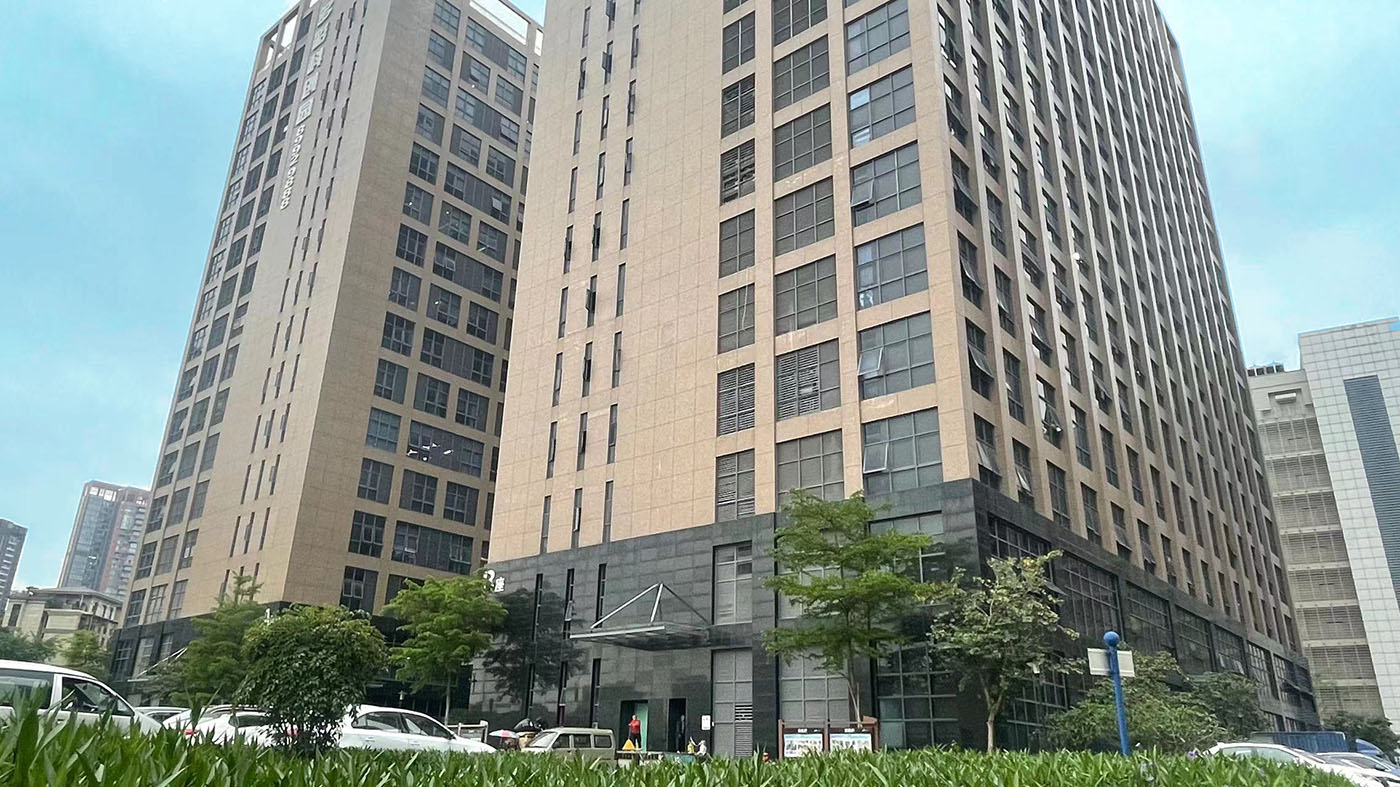
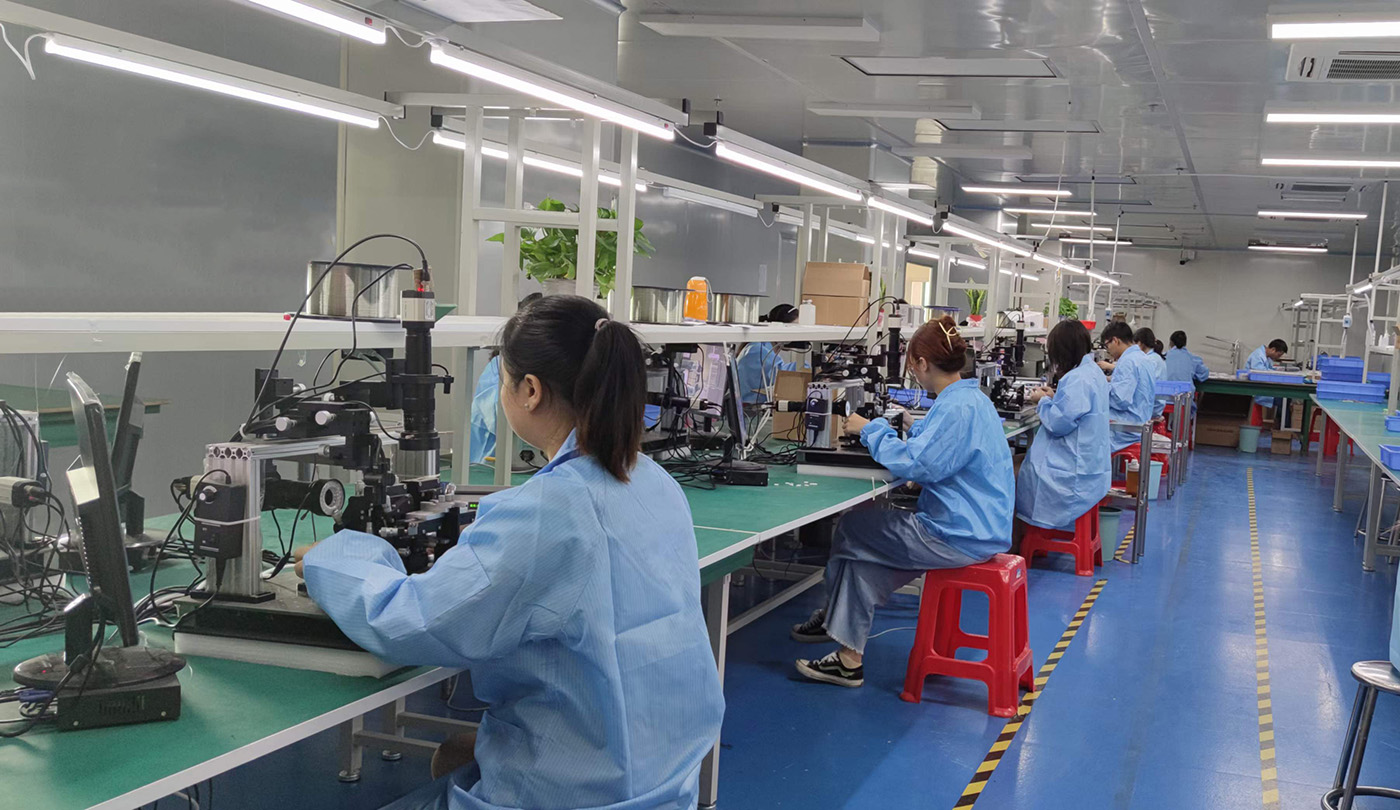
By leveraging our extensive experience and excellent production capacity we gained over the years, we magnify the outcome for our valuable customers, which ultimately expands their core competencies and helps them outperform competitors. We place emphasis on customer collaboration, and we define ourselves as your valuable partner in fiber optic connection solutions. We believe our differentiators are your perceived advantages.
With more than 13 years of experience in manufacturing telecommunication fiber optic products, we follow strictly fiber optic industry standards by using mature scientific methods to deliver your products on time and ensure that 100% products are tested and inspected before shipment.
Years of sales and service experience have enabled us to win customers from different regions. Today, we have customers from East Asia, Southeast Asia, Middle East, Eastern Europe, Western Europe, Northern Europe, South America, North America, North Africa, and South Africa.
Win-win cooperation is our constant goal. Many of our OEM and ODM products won the Telecom Operator tender and satisfy end-user requests. Our main terminal telecom operators include:
When purchasing fiber optic cabling for installations in Massachusetts, project managers must ensure strict alignment with local structural codes and industry standards. For instance, high-density academic and medical facilities require cables certified under the National Electrical Code (NEC). Specifically, cabling passing through plenum spaces—such as drop ceilings used for air handling—must carry the OFNP (Optical Fiber Nonconductive Plenum) fire safety rating to avoid toxic smoke propagation. Alternatively, riser-rated cables (OFNR) are mandatory for vertical shafts connecting multiple floors.
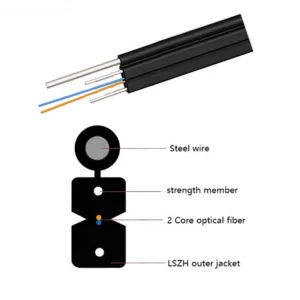
Furthermore, local utility providers in Greater Boston (such as Eversource and National Grid) demand that overhead aerial fiber installations deploy All-Dielectric Self-Supporting (ADSS) designs to prevent electrical interference and eliminate ground-wire requirements. Our technical team works in close consultation with local contractors to provide customized jacket options (such as LSZH - Low Smoke Zero Halogen and UV-resistant outdoor PE coatings) to ensure code compliance while securing rapid deployment. Our supply chain is structured to provide high-capacity, customized products directly to Boston ports or regional distribution hubs, streamlining custom clearances and domestic transit times.
The strategic alliance between domestic Boston engineering teams and a direct Chinese manufacturer like Kocent Optec offers unique pricing and developmental benefits. By bypassing intermediate brokers, enterprise clients gain access to raw factory pricing, which significantly lowers Total Cost of Ownership (TCO) for large-scale fiber deployments.
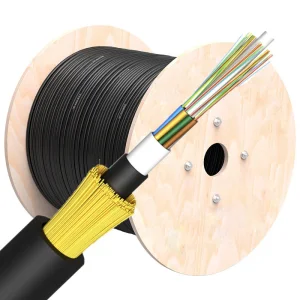
Unlike off-the-shelf local distributors, our factory provides precision configuration of fiber counts (from 1 to 288 cores), tailored fanout lengths, specialized outer sheath compounds, and custom printed branding directly at the extrusion line.
Every single connection undergoes optical testing. We perform 100% geometry verification, insertion loss (IL) and return loss (RL) testing using state-of-the-art EXFO and Yokogawa test fixtures, delivering serialized reports with every shipment.
With multiple state-of-the-art production lines, we easily scale up production from low-volume custom prototyping to high-volume municipal carrier network rollouts, matching fast-moving commercial development cycles.
Different industry sectors in the Greater Boston Area require distinct cabling configurations. Our fiber solutions are optimized for the following scenarios:
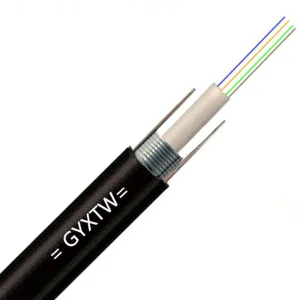
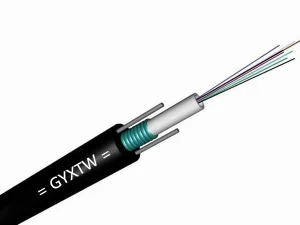
Academic networks require high-bandwidth backbone connections to link research institutes, student dorms, and administrative facilities. We supply central loose tube GYXTW cables and heavy-duty OM3/OM4 multi-mode fiber patch cables to support high-density campus local area networks (LANs) and complex local network topologies.
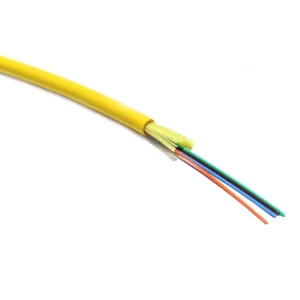
Boston's high-tech labs require EMI/RFI immune cable systems to maintain data integrity during delicate laboratory diagnostic runs. Our tight-buffered indoor nonconductive cables (GJFJV) provide perfect signal-to-noise ratios, with low smoke zero halogen outer structures to ensure laboratory worker safety.
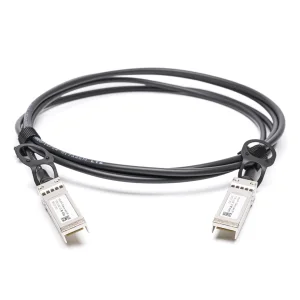
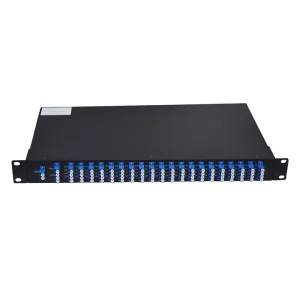
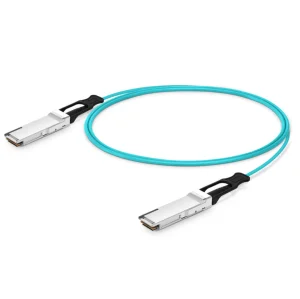
With latency-sensitive financial and cloud applications centering in the Metro Boston area, local data centers are upgrading to 200G/400G transmission paths. We supply ultra-dense MTP/MPO patch cords, high-capacity DWDM Multiplexers, and high-performance Active Optical Cables (AOC) to enable high-efficiency optical cross-connects.
Suburban communities in Massachusetts are increasingly investing in municipal FTTH networks. Our GJYXFCH drop cables and cost-effective fiber optic splitter splice closures provide long-term, weather-proof drop connections from distribution lines straight to residential utility interfaces.
Explore our extensive range of high-performance passive and active components configured to meet Boston's strict network standards.
As transmission standards shift from 100G to 400G and 800G, several technology trends are emerging that directly impact infrastructure upgrades in the Greater Boston Area:
With structural pathways inside historical Boston buildings becoming increasingly crowded, the risk of fiber micro-bending losses increases. Standard G.652.D fiber cables are susceptible to signal attenuation when bent around sharp corners. Using G.657.A1/A2 bend-insensitive fiber allows for smaller routing loops inside wall cavities, improving optical link performance in complex architectural configurations.
To maximize capacity in crowded underground ducts, engineers are shifting toward micro-sheath cable designs. By reducing buffer tube wall thickness and implementing ultra-dense ribbon configurations, modern cables carry twice the fiber count in the same outer diameter. This significantly reduces civil excavation costs in municipal areas.
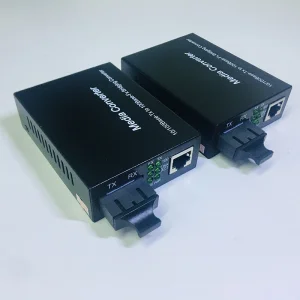
Data centers are increasingly shifting from separate media conversion setups to direct integrated active optical paths. Integrating Active Optical Cables (AOC) and Coherent DWDM optics directly into server racks reduces connection interfaces, lowers insertion loss budgets, and enhances system reliability.
Key technical answers for procurement officers, system integrators, and engineering leads sourcing fiber optic components in Boston.
 KOCENT OPTEC